Prostatic Hyperplasia Treatment
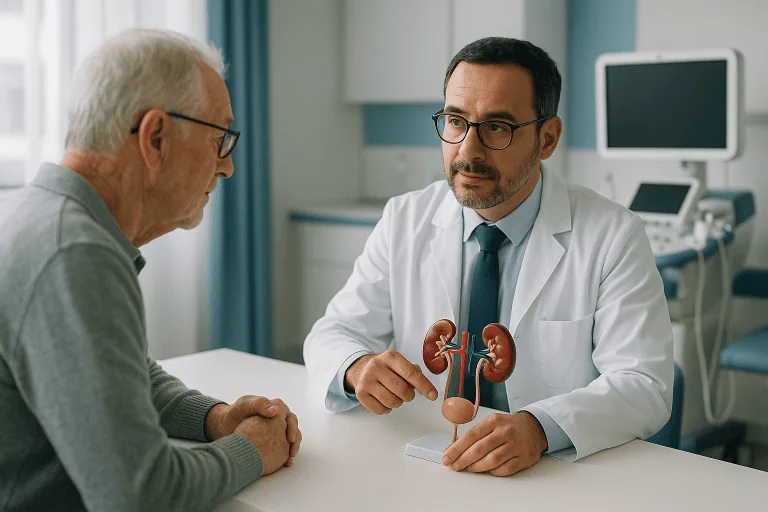
Prostatic hyperplasia is a common benign enlargement of the prostate that can cause frequent urination, weak flow, urgency, and night waking. Treatment aims to relieve urinary obstruction and improve quality of life.
Quick answer
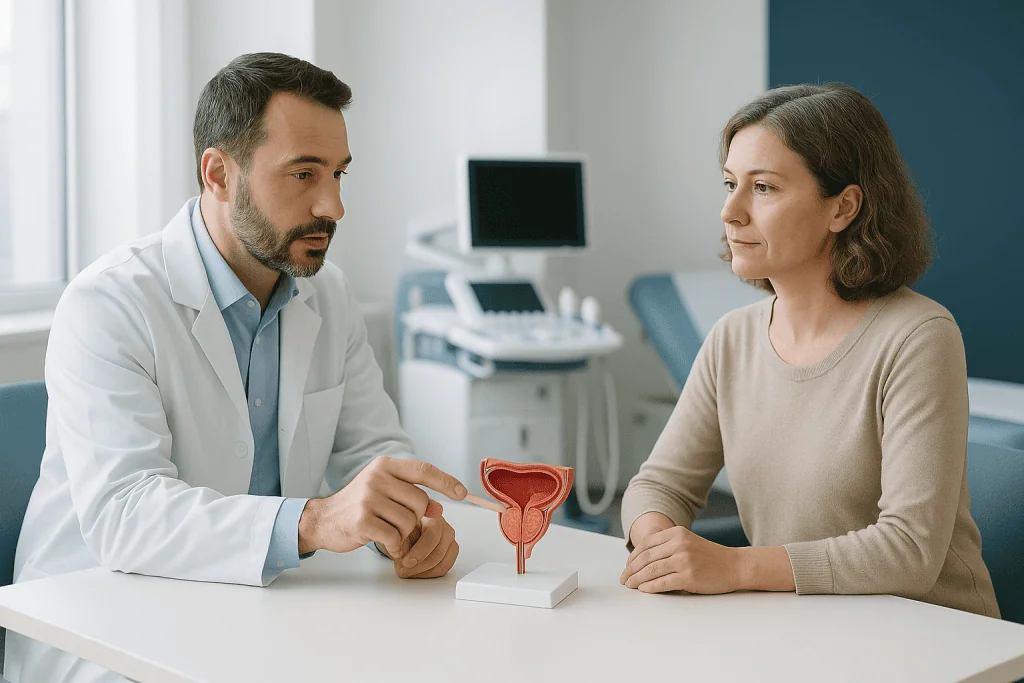
Prostatic hyperplasia (BPH) is a benign enlargement of the prostate gland that can narrow the urethra and obstruct urine flow. Treatment ranges from monitoring and lifestyle changes to medication that relaxes or shrinks prostate tissue, and to endoscopic, laser or surgical procedures that widen the urinary channel. The right option depends on prostate size, symptom severity, bladder function and personal priorities.
Enlarged Prostate (Prostatic Hyperplasia): What It Is and Why It Matters
An enlarged prostate, known medically as prostatic hyperplasia, or benign prostatic hyperplasia (BPH), is a non-cancerous growth of the prostate gland that becomes more common as men age. The prostate sits directly below the bladder and wraps around the urethra, the channel that carries urine out of the body. As the gland enlarges, it can squeeze that channel, forcing the bladder to work harder and producing the urinary symptoms most men recognise: a weak stream, frequent trips to the toilet, and broken sleep.
Two facts are worth stating at the outset. First, BPH is not prostate cancer, and having an enlarged prostate does not mean cancer is present. Second, the symptoms are common but they are not something you simply have to accept. They can usually be improved, sometimes with small adjustments, sometimes with medication, sometimes with a procedure that opens the urinary channel.
Many men delay seeking care. Urinary symptoms feel private, and it is easy to assume they are an unavoidable part of getting older. Some men avoid evaluation because they worry about what tests might reveal. In practice, a careful urological assessment does two useful things: it distinguishes benign prostate enlargement from other causes of urinary symptoms, infection, bladder dysfunction, urethral narrowing, and cancer among them, and it establishes how far the condition has progressed, which determines how gently or how actively it should be treated.
What is benign prostatic hyperplasia?
Benign prostatic hyperplasia is an increase in the number of cells in the prostate gland, which gradually increases its volume. The word “benign” means the growth is not cancerous and does not spread to other parts of the body. The word “hyperplasia” describes the mechanism: cell multiplication rather than tumour formation. The enlarged tissue matters because of where it sits. Growth in the inner part of the gland presses inward on the urethra and upward against the bladder outlet, which is why a condition of the prostate produces symptoms felt in the bladder and the urinary stream.
The degree of enlargement does not always match the degree of symptoms. Some men with a modestly enlarged prostate have severe obstruction because of the shape of the growth or the involvement of the bladder neck. Others carry a very large gland with relatively mild complaints. This mismatch is one of the main reasons evaluation matters: treatment is chosen on the basis of function and symptoms, not gland size alone.
Enlarged Prostate Symptoms
Enlarged prostate symptoms usually develop gradually, often over years, which is partly why men adapt to them without noticing how much daily life has changed. Waking several times a night, planning journeys around toilet access, standing at a urinal waiting for a hesitant stream to begin, each adjustment seems small until sleep, confidence, work and travel are all being shaped by the bladder.
Doctors group these complaints under the term “lower urinary tract symptoms” and divide them into two broad categories. Voiding symptoms relate to the act of urinating itself: difficulty starting, a weak or intermittent stream, straining, dribbling at the end, and a feeling that the bladder has not emptied completely. Storage symptoms relate to how the bladder holds urine: needing to go frequently during the day, sudden urgency that is difficult to postpone, urgency-related leakage, and waking at night to urinate. Many men experience a mixture of both.
What are the symptoms of benign prostatic hyperplasia?
The most common symptoms of benign prostatic hyperplasia are frequent daytime urination, waking at night to urinate, sudden urgency, hesitancy before the stream starts, a weak or interrupted flow, straining to pass urine, dribbling after finishing, and the sensation of incomplete emptying. Some men also notice that they return to the toilet shortly after urinating, or that the stream stops and restarts. In more advanced cases, complications can appear: repeated urinary tract infections, blood in the urine, bladder stones, or urinary retention: the inability to pass urine at all, which is usually treated urgently with a catheter.
Does benign prostatic hyperplasia cause less pee?
Yes, in a specific sense: an enlarged prostate typically weakens the urinary stream and can reduce how completely the bladder empties, so each visit to the toilet may produce less urine even though the total amount the body makes is unchanged. The obstruction slows the flow rather than reducing urine production. Paradoxically, this often means urinating more often, not less: the bladder refills quickly because it never emptied properly, and an irritated bladder signals urgency at smaller volumes. If the amount of urine the kidneys produce genuinely falls, that points to a different problem rather than to the prostate, and the diagnostic pathway treats it as a separate question.
Does benign prostatic hyperplasia cause pain?
Usually not. Uncomplicated BPH is typically not a painful condition; its hallmark is obstruction and irritation rather than pain. However, pain can appear when complications develop. Acute urinary retention, a bladder that fills but cannot empty, causes significant lower abdominal discomfort. Urinary tract infections can cause burning during urination and pelvic ache. Bladder stones, which can form when urine stagnates in a poorly emptying bladder, may cause pain and blood in the urine. Pain, fever and visible blood are not features of simple prostate enlargement alone, which is why the diagnostic process treats them as separate findings rather than assuming they are part of BPH.
Diagnosis: How an Enlarged Prostate Is Evaluated
Evaluation is worth considering when urinary changes become frequent, persistent or disruptive. The purpose is not only to confirm that the prostate is enlarged, but to establish that enlargement is actually the cause of the symptoms. Not all urinary complaints in older men come from the prostate. Overactive bladder, diabetes, neurological conditions, sleep apnoea, diuretic medications, urethral strictures and other prostate diseases can all produce similar complaints, and each is treated differently.
Diagnosis begins with a detailed medical history. The doctor asks when symptoms started, how often they occur, how much they interfere with daily life, and whether there are warning features such as pain, blood in the urine, fever or weight loss. A standardised symptom questionnaire is often used to score severity; the same questionnaire repeated after treatment shows objectively whether things have improved. A physical examination usually includes a digital rectal examination, which allows the doctor to assess the size and consistency of the prostate directly.
Testing is then selected according to the individual situation rather than applied as a fixed battery:
- Urinalysis identifies infection, blood or other abnormalities that would change the plan.
- Blood tests may include kidney function tests and, when appropriate, prostate-specific antigen (PSA). PSA can rise for several reasons, enlargement, inflammation and cancer among them, so the result is always interpreted in context rather than in isolation.
- Uroflowmetry measures how strongly urine passes, giving an objective picture of obstruction that complements the patient’s own description.
- Post-void residual measurement, usually done with ultrasound, shows how much urine remains in the bladder after urination: a key indicator of how well the bladder is coping.
- Imagingprostate or abdominal ultrasound, and MRI in selected cases, assesses prostate volume, the bladder, and the kidneys.
- Cystoscopy, an inspection of the urethra and bladder with a thin camera, is used in selected patients to see the shape of the obstruction, identify strictures or bladder stones, and guide the choice of procedure.
A consultation is most productive when previous results are brought along: PSA trends over time, imaging reports, records of prior prostate or urinary procedures, and a current, complete medication list. This allows the urology team to avoid repeating tests unnecessarily and to focus the visit on the next decision rather than on reconstructing the history.
When Treatment Is Recommended
Treatment is considered when prostate enlargement causes lower urinary tract symptoms that interfere with comfort, sleep, work or daily activity, or when the obstruction begins to threaten the bladder and kidneys. The most common indication is moderate to severe obstruction from benign enlargement. But treatment may also be recommended to prevent or address complications of incomplete bladder emptying, even when day-to-day symptoms seem tolerable.
Indications for active treatment include:
- A persistently weak stream, significant urgency or frequency, or repeated night waking that damages sleep and daily function.
- Incomplete bladder emptying with rising residual urine volumes.
- Recurrent urinary tract infections linked to stagnant urine.
- Bladder stones or blood in the urine attributable to the enlarged prostate.
- Deteriorating bladder function on objective testing.
- Recurrent urinary retention, or kidney problems caused by chronic obstruction.
- Intolerance of medication, dizziness, fatigue, low blood pressure, sexual side effects, or interactions with other drugs.
Some men seek a procedure because medication helped at first but became less effective over time. Others simply prefer a more durable solution to years of daily tablets, particularly when symptoms are severe. Both are legitimate reasons to review the options, provided the diagnosis is secure.
For men with an elevated PSA, abnormal examination findings or screening concerns, further evaluation may be recommended before BPH treatment proceeds. This is not because BPH itself is cancerous, it is not, but because benign enlargement and prostate cancer occur in the same age group and can coexist. A careful diagnostic pathway ensures the benign obstruction is treated appropriately while nothing important is missed.
Enlarged Prostate Treatment: How It Is Planned and Performed
Enlarged prostate treatment covers a wide range, from careful monitoring and lifestyle adjustment through medication to minimally invasive procedures and surgery. The purpose is not simply to make the gland smaller. It is to improve the function of the urinary passage, relieve the pressure on the bladder, and protect the kidneys. Some treatments relax the muscle fibres in the prostate and bladder neck. Others shrink the tissue, remove it, or reshape it to create a wider channel.
How do you treat benign prostatic hyperplasia?
Benign prostatic hyperplasia is treated in a stepped way matched to severity: mild symptoms are often managed with observation and lifestyle changes; moderate symptoms usually begin with medication; and severe symptoms, medication failure or complications point towards a procedure. Modern treatment planning is highly individualised. Two men with the same prostate size may reasonably receive different treatments if their bladder function, symptom pattern, anatomy or personal priorities differ. When a procedure is needed, the options include endoscopic techniques performed through the urethra, laser-based tissue removal or vaporisation, tissue resection, and, for selected very large prostates, open, laparoscopic or robotic-assisted surgery. The urologist recommends a technique only after reviewing imaging, urinary flow tests, residual urine measurements, prostate anatomy and the patient’s overall medical profile.
Watchful Waiting and Lifestyle Measures
For men with mild symptoms and no signs of complications, structured observation is a legitimate treatment in its own right. It is not the same as ignoring the condition: symptoms are scored, flow and residual urine may be measured, and the situation is reviewed at agreed intervals so that any progression is caught early. Alongside monitoring, practical adjustments often reduce the day-to-day burden. Spreading fluid intake across the day rather than drinking heavily in the evening can ease night-time urination. Caffeine and alcohol irritate the bladder in many men and are worth moderating when urgency is prominent. Emptying the bladder before travel or sleep, avoiding long periods of holding urine, treating constipation, and reviewing the timing of any diuretic medication with the prescribing doctor can each make a measurable difference. Double voiding, urinating, waiting a few moments, then trying again, helps some men empty more completely. None of these measures shrinks the prostate, but together they often buy comfortable time, and they remain useful alongside medication or after a procedure.
Preparation Before Treatment
Preparation begins with a consultation focused on symptom severity, quality-of-life impact, previous treatments, urinary and sexual expectations, medical history and current medications. Men taking blood thinners, heart medications or drugs that affect urination need particular planning, which the treating doctor manages directly: this is never something to adjust on your own. Patients with diabetes, heart conditions, sleep apnoea or kidney disease may need coordination with other specialists before a procedure.
The workup may include urine testing, blood tests, flow measurement, residual urine assessment and imaging, as described above. Cystoscopy, where used, helps define the shape of the obstruction and any bladder findings that influence technique selection. These tests are generally well tolerated and give the surgeon the information needed to plan accurately.
If medication is recommended, the physician explains how it works, when improvement can realistically be expected, and which side effects deserve mention at follow-up. If a procedure is planned, the care team reviews anaesthesia options, fasting instructions, which medications the doctor wants continued or paused, the expected hospital stay, catheter use, and practical recovery planning.
Medication for BPH Prostate Symptoms
Medication for BPH prostate symptoms falls into two main groups, and for many men a prescription is the first active treatment. Alpha-blockers relax the muscle fibres in the prostate and bladder neck, making urination mechanically easier. They can improve flow and reduce hesitancy relatively quickly, although they do not shrink the gland itself. Possible side effects include dizziness, fatigue, nasal congestion and changes in ejaculation.
5-alpha-reductase inhibitors work differently: they gradually reduce prostate volume in men with enlarged glands. Their full effect takes several months to appear, so they suit patients able to wait for improvement, and they are often considered for larger prostates or when reducing the likelihood of urinary retention is a priority. Side effects can include reduced libido, erectile changes or breast tenderness in a small number of patients.
Some men benefit from combining both classes. Others need additional medication aimed at bladder overactivity if urgency and frequency remain prominent after the obstruction itself is addressed. The important principle is that drug choice is individualised, matched to prostate size, blood pressure, sexual priorities, other medications and tolerance, and reviewed at follow-up rather than continued indefinitely without reassessment. Any change to what you take is a decision for the treating doctor.
Minimally Invasive and Surgical Procedures
If medication is insufficient, poorly tolerated, or complications are present, a procedure may be recommended. Most BPH procedures are performed endoscopically: the surgeon reaches the prostate through the urethra, with no external incision. The patient typically receives spinal or general anaesthesia depending on the technique and their medical profile. A typical endoscopic treatment follows this sequence:
- Anaesthesia is administered and the patient is positioned; monitoring is established throughout.
- A thin instrument with a camera is passed through the urethra to the prostate, giving the surgeon a magnified view of the obstruction.
- Obstructing tissue is removed, vaporised, enucleated or reshaped, using electrical energy in some techniques, laser energy in others, to create a wider urinary channel while preserving surrounding structures as far as possible.
- Bleeding is controlled under direct vision, and in many cases removed tissue is sent for laboratory examination.
- A urinary catheter is usually placed to drain the bladder while the treated area begins to heal.
Laser-based approaches can be useful in selected patients because they help control bleeding and allow efficient treatment of certain prostate sizes, though suitability always depends on anatomy and surgeon judgement. For very large prostates, techniques that remove a greater volume of obstructing tissue may be considered, endoscopic enucleation, laparoscopic approaches, robotic-assisted prostate surgery or open surgery in selected cases. The choice depends on prostate size, bladder findings, prior surgery, bleeding risk, available expertise and the patient’s overall health.
Some newer minimally invasive options aim to relieve obstruction with less tissue removal and potentially shorter recovery. These suit selected men with specific anatomy and symptom profiles. They are not ideal for everyone, particularly when obstruction is severe, the prostate is very large, or complications such as bladder stones or recurrent retention are present. This is precisely where careful evaluation earns its keep: it determines whether a gentler option is genuinely appropriate, or whether a more established surgical approach is likely to give better and more durable relief.
Technology Used During Diagnosis and Treatment
Modern BPH care relies on technology that clarifies both anatomy and function. Ultrasound measures prostate volume and residual urine. Uroflowmetry quantifies stream strength. Cystoscopy shows the urethra, prostate channel and bladder directly. Advanced imaging is added when cancer assessment, complex anatomy or previous surgery requires more detail.
In the operating theatre, endoscopic camera systems provide magnified visualisation; energy-based instruments remove or vaporise tissue while helping control bleeding; laser systems, where selected, allow precise treatment through the urinary channel; and anaesthesia monitoring supports safety throughout, particularly for older patients or those with heart, lung or metabolic conditions. The value of any of this lies not in complexity for its own sake, but in helping the team plan accurately, treat the right target and support a safer recovery.
Typical Duration, Hospital Stay and Early Recovery
Duration varies widely. A medication review takes a standard outpatient consultation. A procedure may take under an hour or several hours depending on prostate size, technique and complexity. Many endoscopic procedures involve a short hospital stay, often overnight; more extensive surgery for very large prostates may require longer observation.
A urinary catheter is commonly placed after many procedures to drain urine while the treated area heals. How long it stays depends on the operation, any bleeding or swelling, and how the patient urinates once it is removed. During early healing, temporary burning on urination, urgency, frequency, light blood in the urine and bladder spasms can occur; these usually settle gradually as the channel heals.
Patients are typically advised to drink fluids as recommended, avoid heavy lifting, limit strenuous exercise, and follow the surgeon’s specific instructions on activity and sexual activity. Recovery planning should allow time for catheter removal, an early follow-up and confirmation that urination is stable before returning to demanding routines: a point worth building into plans from the start rather than discovering afterwards.
Why Acting Early Matters
Prostatic hyperplasia usually progresses slowly, but persistent obstruction should not be ignored. When the bladder pushes against resistance for months or years, its muscle wall thickens and becomes less efficient. Residual urine can increase, the bladder stops emptying fully, and stagnant urine raises the risk of infection, bladder stones and retention.
Acute urinary retention is one of the most distressing complications of BPH: the bladder fills but cannot empty, causing severe discomfort, and is usually relieved with an urgently placed catheter. Chronic retention is quieter but still harmful, especially when urine backs up towards the kidneys; in advanced cases, long-standing obstruction can contribute to kidney function problems. Blood in the urine, recurrent infection and bladder stones are further signals that the condition has moved beyond simple inconvenience.
Early evaluation does not mean early surgery. Often it provides reassurance and a baseline for monitoring, nothing more. Its real value is timing: it allows treatment to begin before bladder function is compromised, when the full range of options, observation, medication, less extensive procedures, is still on the table. Waiting until symptoms are severe tends to narrow the choices and can prolong recovery.
Can you prevent benign prostatic hyperplasia?
There is no proven way to prevent benign prostatic hyperplasia, because its main drivers, ageing and normal hormonal changes, cannot be switched off. What can be influenced is how much the condition intrudes on daily life. General measures that many urologists discuss include maintaining a healthy weight, staying physically active, moderating evening fluid intake, and limiting caffeine and alcohol when they aggravate urgency or night-time urination. Managing conditions such as diabetes also matters, because they can worsen urinary symptoms independently of the prostate. These measures do not stop the gland enlarging, but they can reduce symptom burden and complement whatever treatment is chosen. Perhaps the most useful “prevention” is simply not ignoring symptoms: acting before the bladder is damaged preserves options.
Benefits of Treatment
The potential benefits of prostatic hyperplasia treatment depend on the severity of obstruction, the therapy chosen and the patient’s overall health. The table below summarises what successful treatment can realistically offer.
| Benefit | What It Means for You |
|---|---|
| Improved urine flow | A stronger, more continuous stream can reduce straining and make urination feel more complete. |
| Less nighttime urination | Many men sleep better when obstruction and bladder irritation are reduced, although nighttime symptoms can also have other causes. |
| Reduced urgency and frequency | Treatment may decrease the need to plan daily activities around bathroom access. |
| Lower risk of retention-related problems | Effective management can reduce the likelihood of repeated catheterisation, recurrent infections or bladder stones in appropriate patients. |
| Better quality of life | Relief from urinary symptoms can improve confidence, travel comfort, work routines and social activities. |
Recovery Timeline After a BPH Procedure
Recovery varies by procedure type, prostate size, anaesthesia, catheter duration and individual healing, but most patients follow a broadly similar pattern.
| Time Period | What Patients Can Expect |
|---|---|
| Day 1 | Observation after the procedure, urine drainage through a catheter in many cases, monitoring for bleeding, pain control and early mobilisation as advised. |
| First Week | Catheter removal when appropriate, gradual improvement in urination, possible burning, urgency, frequency or light blood in the urine. |
| First Month | Increasing comfort with daily activities, continued healing of the urinary channel and follow-up to assess urine flow and symptom response. |
| Longer Term | Urinary improvement often becomes clearer as swelling settles; some men may need ongoing bladder-focused treatment if urgency persists. |
What Influences a Good Result?
A good result in BPH treatment depends on matching the treatment to the man, not the man to the treatment. Prostate size and shape matter, but they are not the only factors. The bladder’s ability to contract, the volume of residual urine, the presence of a median lobe of the prostate, previous prostate procedures, bleeding risk, current medications and other health conditions all influence both the choice of therapy and the expected recovery.
Bladder function deserves particular attention. If years of pushing against obstruction have made the bladder overactive, urgency and frequency may take time to settle even after the channel is opened: the obstruction is gone, but the bladder has habits to unlearn. If the bladder muscle has weakened, flow may not fully normalise even when obstruction is relieved. This is why objective testing before treatment, flow measurement and residual urine assessment, is not bureaucracy but the foundation of realistic expectations.
Sexual and reproductive considerations should be discussed openly before any procedure. Some BPH operations affect ejaculation, most commonly by causing semen to flow backwards into the bladder during orgasm rather than out through the urethra: a condition called retrograde ejaculation. It is usually not harmful, but it matters to men who wish to preserve fertility or normal ejaculation, and it should never come as a surprise afterwards. Erectile function is often preserved, but risks vary by procedure and by individual factors. A frank conversation before treatment keeps expectations aligned with the approach selected.
The surgeon’s experience with a range of BPH techniques also matters. A centre able to offer several treatment options is better positioned to recommend the most appropriate method than one that fits every patient into a single approach. Postoperative care is the other half of the equation: clear instructions on hydration, activity, catheter care and medication reduce anxiety and support healing, and the care team explains which signs during recovery warrant mention at follow-up.
Patients themselves shape the outcome. Taking medication as the treating doctor directs, attending follow-up visits, and resisting the temptation to resume heavy activity too soon all contribute. Men with ongoing bladder symptoms may need additional bladder-focused treatment even after the obstruction is relieved, and this should not be read as failure. BPH care often involves managing both the prostate and the bladder, and the second part sometimes takes longer than the first.
Prostatic Hyperplasia Care at Acibadem
At Acibadem, men with prostatic hyperplasia are evaluated through a structured, evidence-based pathway, so that treatment decisions are made with clarity, discretion and respect for individual priorities. Care starts with understanding the person, not just the gland: some men want to avoid long-term medication; some are most concerned about sexual side effects; others have already experienced retention or been told their prostate is very large. Existing records are reviewed where available, and only the tests needed to clarify diagnosis and plan treatment are recommended.
The approach is multidisciplinary where the situation calls for it. Many BPH cases are managed entirely within urology, but patients with complex medical histories may involve anaesthesiology, cardiology, nephrology, radiology or internal medicine. If PSA elevation, abnormal imaging or examination findings raise concern for prostate cancer, the case can be reviewed through specialist pathways before benign treatment proceeds, so that nothing requiring separate attention is bypassed.
Evidence-based treatment protocols guide decision-making, with the plan personalised to each patient’s anatomy and health status. Because conservative management, medication, minimally invasive options and surgical procedures can all be discussed within one structured consultation, the recommendation reflects what fits the diagnosis and the patient’s goals, not what a single technique happens to allow.
Living With the Diagnosis: What Comes Next
An enlarged prostate is common, but its symptoms do not have to be accepted as an inevitable feature of ageing. Frequent urination, weak flow, urgency and night waking are treatable complaints, and careful evaluation is what separates a plan built on facts from years of quiet adaptation around a treatable condition. For some men, small lifestyle changes and medication are enough. For others, a procedure offers more meaningful relief and helps prevent complications before they take hold of bladder function.
Whatever path is chosen, follow-up is part of the treatment, not an afterthought. Symptom scores, flow measurements and residual urine checks repeated after treatment show objectively whether the plan is working and whether anything needs adjusting. Men managed with medication benefit from periodic review to confirm the drug is still effective and well tolerated. Men who have had a procedure benefit from confirmation that healing is complete and the channel remains open. A written summary of what was done, which medications to continue and when the next review is due makes the handover between physicians far smoother, and keeping an accurate, up-to-date list of everything you take makes every future consultation safer and faster.
Preparation
- A urologist evaluates symptoms, medical history, medications, and prostate size. Tests may include urine analysis, PSA blood test, ultrasound, uroflowmetry, and residual urine measurement. If an intervention is planned, blood thinners may need adjustment and fasting instructions may be given.
Aftercare
- Patients should follow medication instructions and attend scheduled urology follow-ups to monitor symptom improvement. After an invasive procedure, temporary catheter care, hydration, and avoiding heavy lifting or sexual activity may be recommended. Fever, severe bleeding, inability to urinate, or worsening pain should be reported promptly.
Frequently Asked Questions
What affects the cost of treatment for prostatic hyperplasia?
The final cost depends on the treatment selected, prostate size, symptom severity, required diagnostic tests, anaesthesia, hospital stay, surgeon and hospital factors, medications, and follow-up needs. A personalised quote is prepared after a urology review.
How can I get a personalised quote from Acibadem?
You can request a free consultation and share your medical records, recent test results, medication list, and symptom history. The international patient team can help coordinate review by a urology specialist and provide a tailored treatment plan and quote.
Does the package usually include diagnostic tests?
Packages vary by patient and treatment plan. Some quotes may include consultation, selected tests, procedure, anaesthesia, hospital stay, and in-hospital medications, while additional tests or follow-up may be listed separately for clarity.
Will I know whether I need medication, laser treatment, or surgery before travelling?
A preliminary opinion may be possible after reviewing your records, but the final recommendation is made by the urologist after in-person assessment and any required tests. This helps confirm the safest and most suitable option.
Are travel and language services part of the treatment experience in Turkey?
International patient services may support appointment planning, interpreter assistance, airport transfer coordination, accommodation guidance, and communication with the care team. The exact inclusions should be confirmed with the hospital before travel.
Medically reviewed by the Acıbadem International Medical Board September 1, 2026
See our medical review board →
Update history
- PublishedJune 8, 2026
- Medical review approvedSeptember 1, 2026
- Last content updateSeptember 8, 2026
References1
- Benign Prostatic Hyperplasia (BPH) my.clevelandclinic.org
Trusted care for international patients
From the Acibadem Blog

Medication, Minimally Invasive Procedures or Surgery for BPH: How the Options Compare
For benign prostatic hyperplasia, medication is usually tried first for mild to moderate symptoms; it starts working within weeks to months and only helps…
Enlarged Prostate (BPH): When Medication Is Enough and When a Procedure Is Considered
Most men with a symptomatic enlarged prostate start with lifestyle changes and, if needed, medication such as an alpha-blocker or a 5-alpha reductase inhibitor.…