Benign Prostatic Hyperplasia: When Urinary Symptoms Need Treatment

BPH is a common, non-cancerous enlargement of the prostate gland. Symptoms often include a weak urine stream, frequent urination, urgency, and waking at night to urinate.
Key Takeaways
- BPH is a common, non-cancerous enlargement of the prostate gland.
- Symptoms often include a weak urine stream, frequent urination, urgency, and waking at night to urinate.
- Not every person with BPH needs treatment, but medical review is important if symptoms are bothersome or worsening.
- Diagnosis usually involves a symptom review, physical exam, urine testing, and sometimes imaging or flow studies.
- Treatment may include lifestyle changes, medicines, or procedures depending on symptom severity and overall health.
Benign prostatic hyperplasia (BPH) is a non-cancerous enlargement of the prostate that becomes more common with age. It can cause bothersome urinary symptoms, and treatment is considered when symptoms affect daily life or lead to complications.
Overview
Benign prostatic hyperplasia, often called BPH, is the medical term for a non-cancerous enlargement of the prostate gland. The prostate sits below the bladder and surrounds part of the urethra, the tube that carries urine out of the body. When the prostate grows, it can press on the urethra and make urination more difficult.
BPH is common with aging and does not mean a person has prostate cancer. However, some symptoms of BPH can overlap with other urinary conditions, so proper evaluation matters. Many people have mild symptoms that can be monitored, while others benefit from treatment to improve comfort and protect bladder function.
The condition often develops gradually. Because of this, people may not notice how much their urinary habits have changed until symptoms begin to affect sleep, travel, work, or confidence in daily life.
Symptoms of Benign Prostatic Hyperplasia
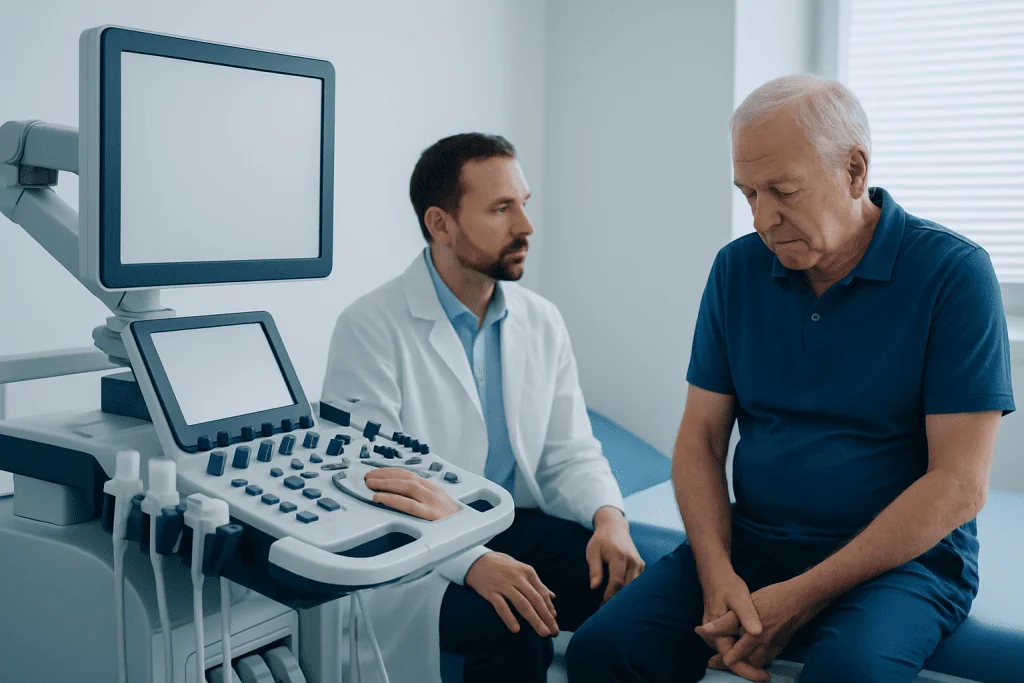
BPH symptoms usually involve the lower urinary tract. They can vary from mild to more disruptive, and symptoms do not always match the size of the prostate. A relatively small prostate can cause noticeable blockage, while a larger one may cause fewer complaints.
Common symptoms include difficulty starting urination, a weak or interrupted urine stream, dribbling at the end of urination, and the feeling that the bladder does not empty fully. Many people also notice urinary frequency, sudden urgency, or waking several times at night to pass urine.
Some people develop complications rather than only discomfort. These may include urinary retention, which means being unable to urinate, repeated urinary tract infections, bladder stones, blood in the urine, or strain on the bladder and kidneys. Sudden inability to pass urine needs urgent medical attention.
- Frequent urination, especially at night
- Urgent need to urinate
- Weak urine stream
- Hesitancy or trouble starting
- Stop-and-start flow
- Sensation of incomplete emptying
- Dribbling after urination
Causes and Risk Factors

The exact reason BPH develops is not fully understood, but age-related hormonal changes are thought to play an important role. As men get older, the balance of hormones changes, and this may influence prostate growth over time. Genetics may also contribute in some families.
The strongest risk factor is increasing age. BPH becomes more common in middle age and later life. Family history, excess body weight, diabetes, heart and circulatory conditions, and low physical activity may also be associated with a greater chance of developing urinary symptoms linked to an enlarged prostate.
It is important to remember that urinary symptoms are not always caused by BPH. Similar problems can occur with urinary infections, bladder disorders, nerve-related conditions, narrowing of the urethra, certain medicines, or prostate cancer. That is one reason doctors assess symptoms carefully rather than assuming enlarged prostate is the only cause.
How BPH Is Diagnosed
Diagnosis starts with a discussion of symptoms, how long they have been present, and how much they affect daily activities. A doctor may ask about fluid intake, sleep disruption, urgency, leakage, and medicines that could worsen urinary symptoms. A symptom questionnaire is sometimes used to measure severity and guide treatment decisions.
The physical exam often includes a digital rectal exam to estimate prostate size and check for other concerns. Urine tests help look for infection, blood, or other abnormalities. Blood tests may be used in selected cases, including a prostate-specific antigen test when it is appropriate for prostate evaluation.
Additional tests are not needed for everyone, but they can be helpful when symptoms are significant or the diagnosis is unclear. These may include a bladder scan to measure urine left after voiding, urine flow testing, ultrasound, cystoscopy, or tests that assess bladder function. In some patients, doctors may also consider evaluation for prostate cancer if there are concerning features.
The goal of diagnosis is not only to confirm BPH, but also to rule out other causes and identify complications early. This helps the care team choose the safest and most effective plan for each patient.
When Urinary Symptoms Need Treatment
Not every person with BPH needs treatment right away. Mild symptoms that are not especially bothersome may be managed with monitoring and practical self-care steps. Treatment is usually considered when symptoms interfere with sleep, limit daily activities, cause distress, or keep getting worse.
Doctors also recommend treatment when BPH leads to complications. These include repeated urinary tract infections, bladder stones, blood in the urine, urinary retention, kidney problems, or significant leftover urine in the bladder after urinating. In these situations, the aim is not only symptom relief but also prevention of further harm.
The decision to treat is individualized. It depends on symptom severity, prostate size, overall health, personal preferences, and whether there are signs of bladder obstruction or damage. A shared discussion helps patients understand the likely benefits and limitations of each option.
Treatment Options
Treatment for BPH generally falls into three groups: watchful waiting, medication, and procedures or surgery. For mild symptoms, doctors may suggest regular follow-up without immediate intervention. This approach can work well when symptoms are stable and there are no complications.
Medicines are often used for moderate symptoms. Some relax the muscles in and around the prostate and bladder neck to improve urine flow, while others help shrink the prostate over time in selected patients. In some cases, combination therapy may be recommended. A doctor will review possible side effects, other medical conditions, and expectations before starting treatment.
If medicines do not provide enough relief, or if complications develop, minimally invasive procedures or surgery may be considered. These treatments are designed to remove or reduce the tissue blocking urine flow. Depending on the individual case, this may involve endoscopic methods or other approaches within broader urology treatment planning.
For some patients, especially when symptoms are severe or retention occurs, surgery offers the most durable improvement. Evaluation may include imaging or tests to choose the best option, and some patients may also need prostate surgery or other procedures tailored to prostate anatomy and general health. Where urinary symptoms overlap with stone disease, doctors may also assess for kidney stones as part of the workup.
Prevention and Self-care
BPH cannot always be prevented, but some habits may help reduce symptom burden. Limiting large amounts of fluid in the evening, reducing caffeine and alcohol, and urinating regularly rather than waiting too long can be useful for some people. It may also help to double void, which means trying to urinate again after waiting a moment.
Regular physical activity, weight management, and good control of long-term conditions such as diabetes can support urinary health. Some over-the-counter cold and allergy medicines may worsen symptoms in certain people, so it is wise to ask a doctor or pharmacist before using them.
People should avoid starting supplements or herbal remedies without medical advice. These products are not all proven to help, and some can interact with prescription medicines or delay proper diagnosis. Simple measures can improve comfort, but persistent symptoms still deserve professional assessment.
Near the end of the care pathway, some patients seek specialist evaluation abroad. Acibadem International’s multidisciplinary specialists and JCI-accredited hospitals diagnose and treat BPH for international patients when advanced assessment or treatment planning is needed.
When to See a Doctor
A medical review is important when urinary symptoms are new, persistent, or affecting quality of life. Even if symptoms seem mild, it is sensible to discuss them if they are becoming more frequent, disturbing sleep, or causing worry. Early assessment can help rule out infection, bladder problems, and other prostate conditions.
Urgent medical care is needed if a person cannot pass urine, has severe lower abdominal pain, develops fever with urinary symptoms, or sees significant blood in the urine. These symptoms may indicate urinary retention, infection, or another issue that needs prompt treatment.
People with kidney disease, recurrent infections, bladder stones, or previous prostate problems should be especially cautious and keep follow-up appointments. Seeking timely advice often allows more treatment choices and can help prevent complications.
Frequently asked questions
Is benign prostatic hyperplasia the same as prostate cancer?
No. Benign prostatic hyperplasia is a non-cancerous enlargement of the prostate, while prostate cancer involves abnormal cancerous cell growth. They can cause some similar urinary symptoms, which is why a medical evaluation is important.
Does every enlarged prostate need treatment?
No. If symptoms are mild and there are no complications, a doctor may recommend monitoring and lifestyle changes rather than immediate treatment. Treatment is usually considered when symptoms are bothersome, worsening, or affecting bladder or kidney health.
What are the first signs of BPH?
Early signs often include a weaker urine stream, needing to urinate more often, urgency, and waking at night to urinate. Some people also feel that the bladder does not empty completely. Symptoms usually develop gradually over time.
Can BPH cause sudden inability to urinate?
Yes. In some cases, BPH can lead to urinary retention, which means urine cannot be passed despite a full bladder. This is a medical emergency and needs prompt treatment.
How is BPH usually treated?
Treatment may include observation, lifestyle adjustments, medication, minimally invasive procedures, or surgery. The best choice depends on symptom severity, prostate size, overall health, and whether complications are present. A urology specialist can explain the expected benefits and risks of each option.
Can lifestyle changes really help urinary symptoms?
They can help some people, especially when symptoms are mild. Reducing evening fluids, limiting caffeine and alcohol, staying active, and reviewing medicines that may worsen urination can make symptoms easier to manage. Lifestyle measures do not replace medical care when symptoms are significant.
This article is for general information only and is not a substitute for professional medical advice. Please consult a qualified doctor about your individual situation.
Prostatic Hyperplasia in Turkey — costs, top hospitals & a free quote
JCI-accredited · board-certified surgeons · reply within 24h
Add us as a Preferred Source to see more of our trusted health content across Google Search, AI Overviews and Discover.

Urology Specialists at Acibadem





More from the Health Library

Urinary Incontinence: Types, Causes, and Treatment Options

What Is Immune Thrombocytopenia (ITP)? Causes, Symptoms, and Diagnosis

Addison’s Disease: Salt Craving, Fatigue, and Why Adrenal Insufficiency Can Be Missed

Varicose Veins: Causes, Symptoms, and Modern Treatments

Kidney Stones: Flank Pain, CT Diagnosis, and Prevention