Best Cellulite Cream — Explained by Medical Evidence, Not Myths
No cellulite cream has been shown to permanently eliminate cellulite. Caffeine-containing creams may create a temporary smoothing effect, largely through hydration and short-term changes in skin appearance.
Key Takeaways
- No cellulite cream has been shown to permanently eliminate cellulite.
- Caffeine-containing creams may create a temporary smoothing effect, largely through hydration and short-term changes in skin appearance.
- Retinol may modestly improve skin thickness and texture over several months, but results are gradual and variable.
- Massage during application can temporarily reduce the visibility of dimpling, regardless of the product used.
- Sudden skin changes, pain, swelling, redness, or one-sided symptoms need medical assessment rather than cosmetic treatment.
The best cellulite cream is one that sets realistic expectations: topical products may briefly improve skin texture or hydration, but they do not permanently remove cellulite. Cellulite is a common, harmless skin-texture change, and treatment choices should be guided by evidence, safety, and personal goals rather than marketing claims.
What Is the Best Cellulite Cream?
The best cellulite cream is not one that promises to erase dimples permanently. Medical evidence suggests that topical creams can sometimes make cellulite look less noticeable for a short time by moisturizing the skin, temporarily tightening its appearance, or improving surface texture. However, no over-the-counter cream has been proven to remove cellulite or change the underlying structures that cause it.
Products containing caffeine or retinol have the most plausible, though still limited, evidence. Caffeine may temporarily reduce the appearance of puffiness and make skin look smoother. Retinol may modestly support thicker skin and improved texture when used consistently for months. Results vary substantially between individuals and are usually subtle.
Cellulite is extremely common and is not a sign of poor health, excess weight, or inadequate hygiene. It often affects the thighs, buttocks, hips, abdomen, or upper arms. Choosing a cream can be reasonable for someone who wants a temporary cosmetic improvement, but it is important to view it as skin care rather than a cure.
Why Cellulite Forms
Cellulite describes a dimpled or uneven skin surface caused by the way fat, fibrous connective tissue, and skin interact beneath the surface. Fibrous bands attach the skin to deeper tissues. When fat tissue pushes upward around these bands, the skin can develop pits or a mattress-like texture.
Hormones, genetics, skin thickness, body-fat distribution, age, and connective-tissue structure all influence whether cellulite is visible. It is more common in women, partly because of differences in hormone patterns and the arrangement of connective tissue. Cellulite can occur at any body size and may become more noticeable with normal changes in skin elasticity over time.
Because the main processes occur below the outer layer of skin, a topical product cannot fully alter the underlying fibrous bands or fat distribution. This is why dramatic before-and-after claims for creams should be approached cautiously. A product may improve the look of the skin surface without treating the structural basis of cellulite.
Ingredients in Cellulite Creams: What the Evidence Suggests

Caffeine is one of the most common ingredients in cellulite creams. It may temporarily dehydrate the outer skin layer or influence local fluid balance, which can make dimpling look less obvious for a limited period. The effect, if it occurs, generally depends on continued use and does not mean that body fat has been broken down.
Retinol, a vitamin A derivative, is another ingredient sometimes used in body products. Regular use may help improve the thickness and quality of the upper skin layers, which can make uneven texture less visible for some people. It should be introduced carefully because it may cause dryness, peeling, redness, or irritation, particularly on sensitive skin.
Other ingredients, including botanical extracts, peptides, aminophylline, and antioxidants, are widely marketed for cellulite. Evidence for these ingredients is generally limited, inconsistent, or based on small studies. “Natural” does not automatically mean effective or gentle; essential oils and fragrances can trigger contact dermatitis in some users.
- Look for clear ingredient lists and realistic product claims.
- Patch-test a new product on a small area of skin before broader use.
- Avoid applying irritant products to broken, inflamed, or recently shaved skin.
- Ask a clinician before using retinoid products during pregnancy or breastfeeding.
How to Use a Cream Realistically and Safely
If a person chooses to use a cellulite cream, consistent use according to the label is more reasonable than applying large amounts or combining several strong products. Moisturizing the skin can improve its light reflection and smoothness, which may make cellulite less noticeable. Applying the product with gentle massage may also create a short-lived improvement in appearance through changes in circulation and fluid distribution.
It helps to take a measured approach. Photographs taken in different lighting, body positions, or at different times of day can make cellulite appear more or less pronounced. Assessing changes under similar conditions over several weeks is more reliable than judging results after one application.
People should stop using a product if it causes burning, persistent itching, rash, swelling, blistering, or marked redness. A dermatologist can help identify whether a reaction is due to fragrance, preservatives, active ingredients, or another skin condition. For ongoing concerns about skin texture, a consultation can also clarify whether the change is cellulite or a different issue that needs evaluation.
Options Beyond Creams
Healthy routines may support skin health and body confidence, although they cannot guarantee cellulite removal. Regular movement, strength training, adequate sleep, balanced nutrition, and avoiding smoking can support circulation, muscle tone, and skin quality. Changes in body weight may make cellulite more or less visible, but they do not reliably eliminate it.
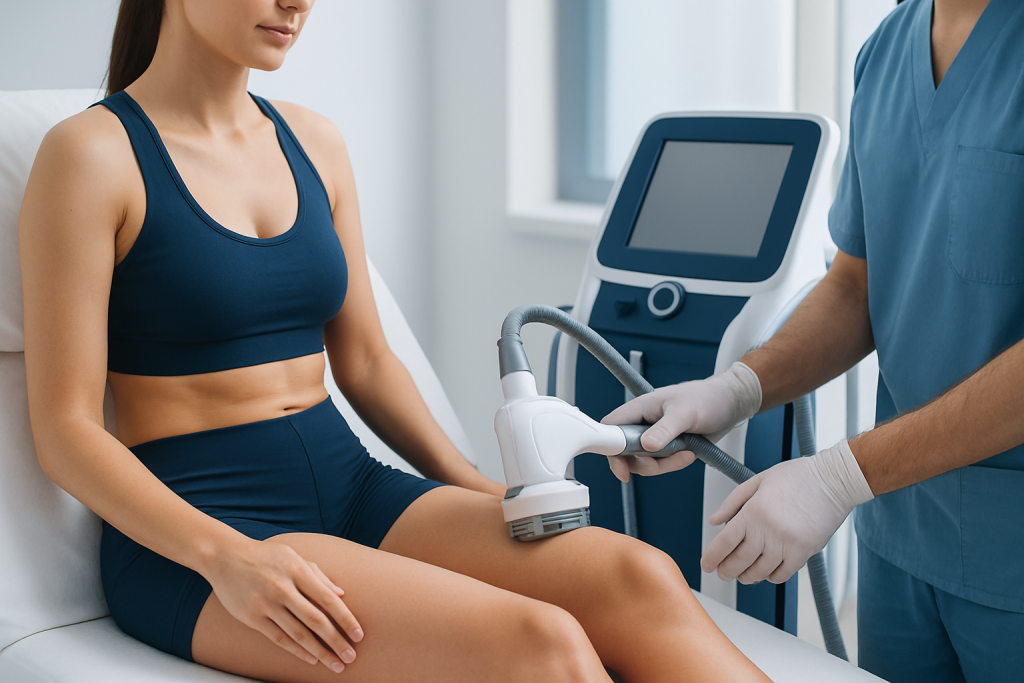
For people seeking longer-lasting cosmetic improvement, clinicians may discuss procedures that target the structures beneath the skin rather than the skin surface alone. Depending on the area and type of cellulite, options may include energy-based treatments, acoustic wave approaches, injectable treatments, or procedures designed to release fibrous bands. Benefits, recovery needs, suitability, and possible side effects differ between methods.
Some treatments marketed for fat reduction are not necessarily treatments for cellulite. For example, reducing fat in an area may not improve dimpling and can occasionally make unevenness more visible. A qualified clinician can explain the difference between body contouring and cellulite-focused care, including appropriate liposuction expectations when relevant.
At Acibadem International, multidisciplinary specialists and JCI-accredited hospitals assess aesthetic and skin concerns for international patients and can discuss evidence-based options according to individual needs.
How to Evaluate Cellulite Product Claims
Marketing language can make modest cosmetic effects sound permanent or medically proven. Terms such as “detox,” “fat-melting,” “cellulite dissolving,” and “clinically proven” do not, by themselves, demonstrate meaningful benefit. A reliable claim should describe what was measured, how long any effect lasted, and whether the results were compared with a suitable control product.
Before buying a product, it can be helpful to consider whether the expected benefit is realistic. A well-formulated moisturizer may be worthwhile if it makes skin feel comfortable and temporarily look smoother. It is less reasonable to expect a cream to remodel connective tissue, permanently shrink fat cells, or produce results comparable to a medical procedure.
Reviews can be useful for learning about fragrance, texture, and irritation, but they cannot establish effectiveness. Cellulite naturally changes in visibility with posture, hydration, lighting, menstrual-cycle-related fluid shifts, and weight fluctuations. Individual photographs and testimonials therefore cannot confirm that a cream caused a lasting improvement.
When to Seek Medical Care
Cellulite itself does not usually require medical treatment. However, a person should arrange medical assessment for a new or rapidly changing area of skin dimpling, especially if it is only on one side of the body or is accompanied by a lump, pain, warmth, redness, bruising, swelling, or skin breakdown.
These symptoms may reflect another condition rather than ordinary cellulite. A clinician can examine the area and recommend appropriate tests or referral if needed. Prompt assessment is particularly important if swelling develops suddenly, affects one leg more than the other, or occurs with shortness of breath or chest pain.
A dermatologist or qualified aesthetic physician can also help when cellulite is causing significant distress or when over-the-counter products repeatedly irritate the skin. The aim of consultation is not to judge a person’s appearance, but to provide accurate information, rule out other causes, and discuss safe options.
Frequently asked questions
Can a cellulite cream permanently remove cellulite?
No. Current evidence does not show that any cream can permanently remove cellulite. Some products may temporarily smooth or hydrate the skin, making dimpling less noticeable for a short period.
Does caffeine cream work for cellulite?
Caffeine-containing creams may produce a modest temporary improvement in skin appearance for some people. They do not break down fat permanently or change the fibrous bands beneath the skin that contribute to cellulite.
Is retinol good for cellulite?
Retinol may help improve skin texture and thickness with regular use over several months, which can make cellulite look less prominent. Results are usually modest, and irritation can occur, so sensitive skin should be monitored carefully.
Can exercise get rid of cellulite?
Exercise cannot guarantee removal of cellulite, but it can improve overall fitness, muscle tone, and body composition. These changes may reduce the visibility of cellulite for some individuals and support general health.
Why does cellulite look worse some days?
Cellulite visibility can change with lighting, posture, skin hydration, fluid retention, hormonal changes, and body-weight fluctuations. These normal variations can make a product seem more or less effective than it actually is.
Should painful or sudden dimpling be treated with a cellulite cream?
No. Typical cellulite is painless and develops gradually. New, painful, red, warm, swollen, or one-sided skin changes should be evaluated by a healthcare professional rather than treated as a cosmetic concern.
References
- American Academy of Dermatology Association
- Mayo Clinic
- Cleveland Clinic
- U.S. Food and Drug Administration
- National Health Service
This article is for general information only and is not a substitute for professional medical advice. Please consult a qualified doctor about your individual situation.
Explore treatments in Turkey — costs, top hospitals & a free quote
JCI-accredited · board-certified surgeons · reply within 24h
Add us as a Preferred Source to see more of our trusted health content across Google Search, AI Overviews and Discover.
Check your numbers in seconds
BMI, calories, due date, blood pressure and 30+ more clinical calculators — free, instant, doctor-reviewed ranges.