Best Endometriosis Specialist in the World: An Evidence-Based Patient Guide

No ranking can identify one best endometriosis specialist for every person; relevant expertise and team-based care matter most. Endometriosis may affect the ovaries, pelvic lining, bowel, bladder, diaphragm, or nerves, so care sometimes involves more than one specialty.
Key Takeaways
- No ranking can identify one best endometriosis specialist for every person; relevant expertise and team-based care matter most.
- Endometriosis may affect the ovaries, pelvic lining, bowel, bladder, diaphragm, or nerves, so care sometimes involves more than one specialty.
- Diagnosis is based on symptoms, examination, imaging, and sometimes laparoscopy; normal imaging does not rule out endometriosis.
- Treatment may include pain management, hormonal medicines, fertility care, surgery, or a combination of approaches.
- Surgery is considered carefully when symptoms persist, anatomy is affected, an endometrioma is present, or fertility concerns require specialist assessment.
- Prompt medical assessment is appropriate for persistent pelvic pain, painful periods, pain during sex, bowel or urinary symptoms linked to menstruation, or difficulty becoming pregnant.
There is no single, universally recognized "best endometriosis specialist in the world." The most suitable specialist is an experienced gynecologist or endometriosis surgeon working within a multidisciplinary team, with care tailored to symptoms, fertility goals, disease location, and personal preferences.
How to choose the best endometriosis specialist in the world
The best endometriosis specialist in the world is not one named doctor or one country. Endometriosis varies greatly between individuals, and the right clinician is usually a gynecologist with focused experience in endometriosis who can evaluate the full pattern of symptoms, explain options clearly, and coordinate care around the person’s priorities.
For suspected deep or complex endometriosis, it is especially helpful to seek a center where gynecologic surgeons collaborate with radiologists, pain specialists, fertility specialists, colorectal surgeons, urologists, pelvic-floor physiotherapists, and mental-health professionals when needed. This is important because endometriosis can involve organs beyond the reproductive system and because pain may have several contributing factors.
Useful questions to ask include whether the clinician routinely manages endometriosis, how imaging is reviewed, when surgery is recommended, how fertility is considered, what follow-up is offered, and whether other surgical specialists are available if bowel or urinary-tract disease is suspected. A second opinion can be reasonable before major surgery, particularly for recurrent symptoms or suspected deep disease.
What is endometriosis and why expertise matters
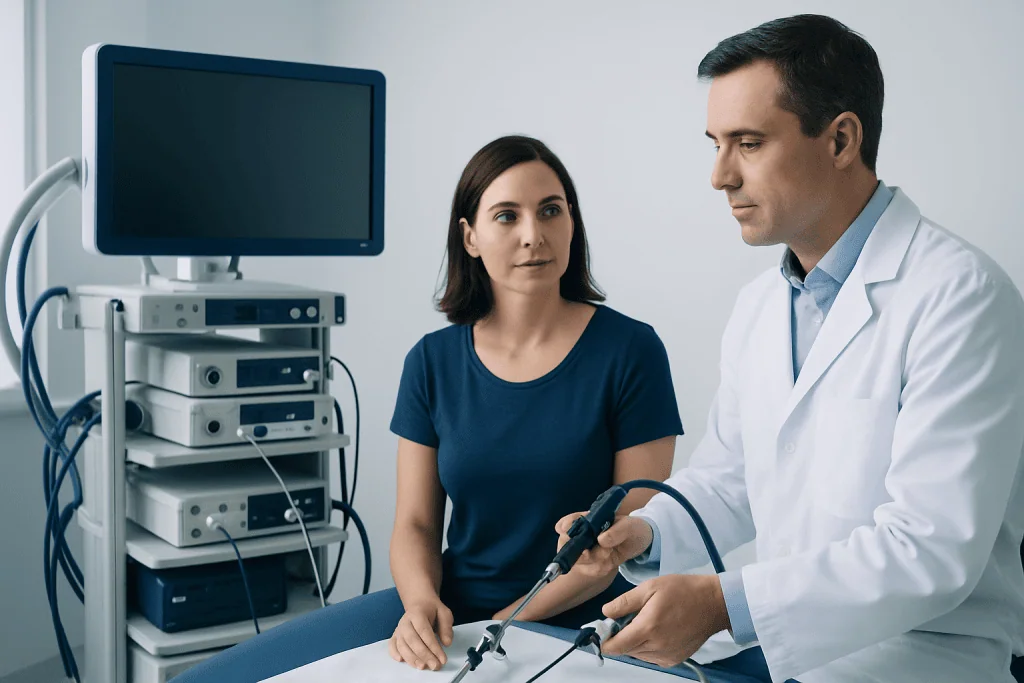
Endometriosis is a chronic inflammatory condition in which tissue similar to the lining of the uterus grows outside the uterus. These areas, often called lesions, can occur on the pelvic lining, ovaries, fallopian tubes, bowel, bladder, or other locations. The condition may cause inflammation, scarring, adhesions, ovarian cysts known as endometriomas, and changes in pelvic anatomy.
Symptoms do not always reflect the amount of disease present. Some people have severe pain with lesions that are difficult to see on imaging, while others have extensive disease with few symptoms. This is one reason a clinician should assess symptoms, examination findings, imaging, fertility plans, and overall wellbeing rather than relying on one test alone.
Endometriosis can affect daily activities, relationships, work, sleep, bowel function, urinary comfort, and fertility. It is not simply “normal period pain,” and people deserve to have persistent or disabling symptoms taken seriously. Care often evolves over time as symptoms, reproductive plans, and responses to treatment change.
Who is considered the best endometriosis specialist in the world?
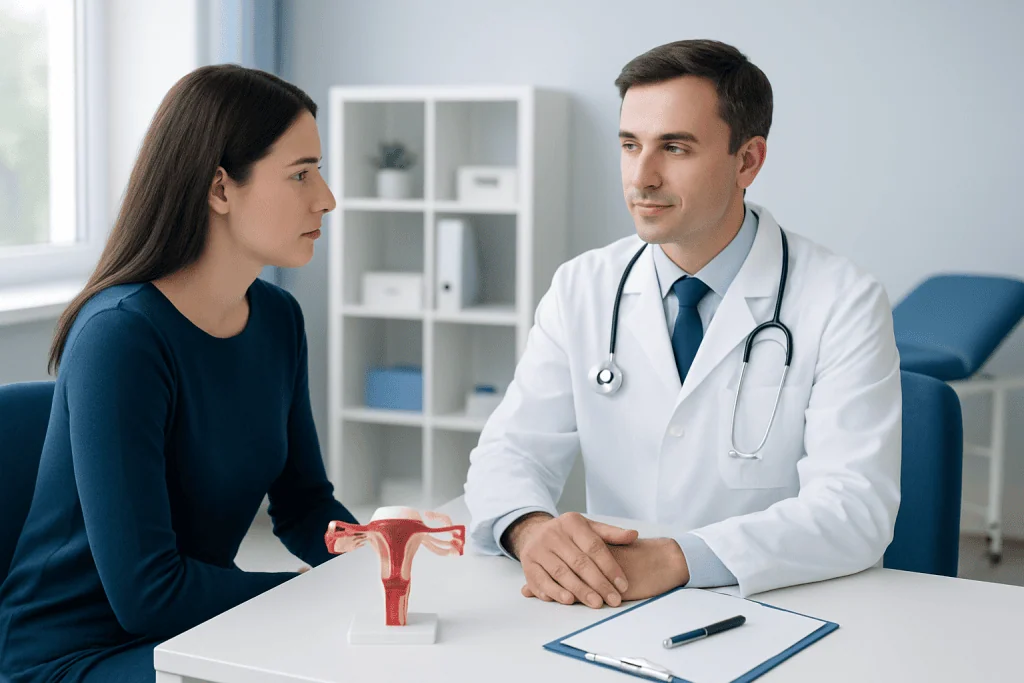
No professional organization designates one person as the best endometriosis specialist in the world. A trustworthy choice is a clinician whose experience matches the person’s needs, such as a gynecologist experienced in medical management, a reproductive specialist for fertility concerns, or an advanced laparoscopic surgeon for suspected deep infiltrating disease.
For complex cases, expertise should include careful preoperative planning and the ability to work with appropriate surgical colleagues. For example, bowel, bladder, ureter, or diaphragmatic involvement may require input from colorectal surgery, urology, thoracic surgery, or other relevant specialists. The aim is not surgery at all costs, but informed, proportionate treatment that balances potential benefits and risks.
A good specialist also recognizes that surgery is not the only option. They should discuss pain control, hormonal treatment, pelvic-floor therapy, fertility preservation or treatment when appropriate, and supportive care. Communication, shared decision-making, and realistic expectations are important indicators of quality care.
What country treats endometriosis the best?
No country can be reliably described as treating endometriosis “the best” for every patient. High-quality care is available in many countries, especially in hospitals and specialist centers with experienced gynecology, imaging, minimally invasive surgery, fertility, pain-management, and follow-up services.
When considering care abroad, patients may wish to focus on the individual clinical team and hospital systems rather than national reputation alone. Important practical factors include access to specialist pelvic imaging, clear communication in a preferred language, surgical and anesthesia standards, pathology services, emergency support, postoperative follow-up, and the ability to share records with clinicians at home.
International patients should also plan for travel after treatment, especially after surgery. The treating team can advise on timing, mobility, medication planning, warning signs, and follow-up. Decisions should be based on clinical needs and continuity of care rather than promotional rankings.
Who is the best doctor for endometriosis?
The best doctor for endometriosis is the one with the right training and experience for the person’s symptoms and goals. A general gynecologist may be an appropriate starting point for initial assessment and medical treatment. Referral to an endometriosis-focused gynecologist or advanced laparoscopic surgeon may be helpful for persistent symptoms, an endometrioma, suspected deep disease, repeated surgery, or complex fertility decisions.
People trying to conceive may also benefit from consultation with a reproductive endocrinology and infertility specialist. When chronic pain has affected movement, sexual comfort, sleep, or emotional wellbeing, a broader team may include pelvic-floor physiotherapy and pain medicine. This does not mean symptoms are “all in the mind”; it recognizes that long-lasting pain benefits from comprehensive support.
A consultation should leave the patient with a clear working diagnosis, an explanation of reasonable options, and an opportunity to ask questions. It is appropriate to ask how the doctor approaches lesion removal, ovarian endometriomas, fertility preservation, repeat surgery, and suspected bowel or bladder involvement.
Diagnosis and the four D's of endometriosis
Endometriosis is diagnosed through a combination of medical history, symptom review, pelvic examination when appropriate, and imaging. Transvaginal ultrasound is commonly used to assess the ovaries and identify certain forms of deep endometriosis. Magnetic resonance imaging may be useful for mapping suspected deep disease before surgery or when ultrasound findings need further clarification.
A normal ultrasound or MRI does not exclude endometriosis, particularly superficial lesions. Laparoscopy, a minimally invasive operation using a camera through small abdominal incisions, can identify and treat visible disease in selected cases. However, current care does not require diagnostic surgery for every person; clinicians may begin treatment based on symptoms and imaging when appropriate.
The “four D’s of endometriosis” is an informal phrase rather than a formal diagnostic standard. It commonly refers to dysmenorrhea (painful periods), dyspareunia (pain during or after sex), dyschezia (painful bowel movements, often around menstruation), and dysuria (painful urination, sometimes cyclical). These symptoms can have other causes, but their pattern may raise suspicion for endometriosis and should be discussed with a qualified clinician.
Treatment options, including endometriosis surgery
Treatment is individualized. For those not currently trying to conceive, hormonal options may reduce menstruation-related pain by suppressing ovulation or menstrual bleeding. Non-hormonal pain relief may also be used under medical guidance. These treatments can control symptoms for many people, but they do not permanently remove endometriosis and may not be suitable for everyone.
Fertility plans are central to treatment decisions. Hormonal treatment prevents pregnancy while it is being used and does not improve natural fertility after it is stopped. For people having difficulty conceiving, evaluation may include ovarian reserve, tubal factors, semen analysis, age, symptom burden, and the severity and location of suspected disease. A fertility specialist can discuss expectant management, surgery in selected circumstances, or assisted reproductive treatments.
Endometriosis surgery is usually performed by laparoscopy under general anesthesia. The surgeon inserts a camera through a small incision near the navel and uses additional small incisions for instruments. Lesions may be removed or treated, adhesions may be released, and endometriomas may be managed when clinically appropriate. If disease involves bowel, bladder, or ureters, surgery may require a coordinated multidisciplinary plan.
Potential benefits include diagnosis confirmation, removal of visible disease, treatment of anatomical distortion, and symptom improvement for some people. Risks include bleeding, infection, injury to nearby organs, scar formation, blood clots, anesthesia-related complications, reduced ovarian reserve in some ovarian surgery, and persistence or recurrence of symptoms. Recovery varies, but many people resume light activities within days and need several weeks before returning fully to strenuous activity; the surgical team provides individual guidance.
Self-care, follow-up, and when to seek medical care
Self-care can complement medical treatment but should not replace assessment of persistent symptoms. Keeping a symptom and menstrual diary may help identify patterns and guide consultations. Gentle movement, adequate rest, heat therapy, nutrition that supports general health, and pelvic-floor physiotherapy when recommended may help some individuals manage symptoms. Emotional support is also valuable, as chronic pelvic pain can be exhausting and isolating.
Medical review is appropriate for periods or pelvic pain that interfere with normal life, pain during sex, bowel or urinary pain that worsens around menstruation, persistent abdominal bloating, unexplained fatigue, or difficulty becoming pregnant. Urgent assessment is needed for sudden severe abdominal or pelvic pain, fainting, heavy bleeding, fever, vomiting, or symptoms that could suggest another urgent condition.
Acibadem International’s multidisciplinary specialists and JCI-accredited hospitals assess and treat endometriosis for international patients, with treatment planning based on symptoms, imaging, fertility goals, and the possible need for coordinated specialty care. Ongoing follow-up helps adjust treatment and address new symptoms without assuming that every recurrence requires surgery.
Frequently asked questions
Can endometriosis be cured permanently?
There is currently no guaranteed permanent cure for endometriosis. Symptoms can often be managed with hormonal treatment, pain management, surgery, fertility care, or a combination of approaches. Symptoms and lesions can recur, so follow-up and an individualized long-term plan are important.
Does endometriosis always require surgery?
No. Many people manage symptoms without surgery, particularly when symptoms respond to hormonal treatment or other non-surgical measures. Surgery may be considered when pain remains significant, imaging suggests an endometrioma or deep disease, anatomy is affected, or fertility concerns require specialist discussion.
Can an ultrasound diagnose endometriosis?
Ultrasound can identify ovarian endometriomas and may detect some deep endometriosis when performed and interpreted by experienced professionals. However, it may not show superficial lesions, so a normal scan does not rule out endometriosis. Diagnosis is based on the overall clinical picture, not imaging alone.
What should a patient bring to an endometriosis specialist appointment?
Helpful information includes a symptom and menstrual diary, prior scan reports, operative notes, pathology results, medication history, and details of fertility goals. It may also help to write down questions about diagnosis, treatment alternatives, surgical experience, recovery, and follow-up before the visit.
Can endometriosis affect fertility?
Endometriosis can contribute to difficulty conceiving for some people, although many people with the condition become pregnant naturally. Fertility depends on several factors, including age, ovarian reserve, tubal function, sperm factors, and the location and extent of disease. A fertility specialist can provide individualized guidance.
When should someone get a second opinion for endometriosis?
A second opinion can be useful before complex surgery, after previous surgery has not improved symptoms, when bowel or bladder involvement is suspected, or when treatment options have not been clearly explained. It can also help patients feel more confident that their plan reflects their symptoms, fertility goals, and preferences.
References
- World Health Organization
- European Society of Human Reproduction and Embryology
- American College of Obstetricians and Gynecologists
- National Institute for Health and Care Excellence
- Endometriosis Foundation of America
This article is for general information only and is not a substitute for professional medical advice. Please consult a qualified doctor about your individual situation.
Endometriosis in Turkey — costs, top hospitals & a free quote
JCI-accredited · board-certified surgeons · reply within 24h
Add us as a Preferred Source to see more of our trusted health content across Google Search, AI Overviews and Discover.

Gynecology & Obstetrics
Women’s health across pregnancy, gynecologic surgery and high-risk pregnancy care.
187 specialists in this unit