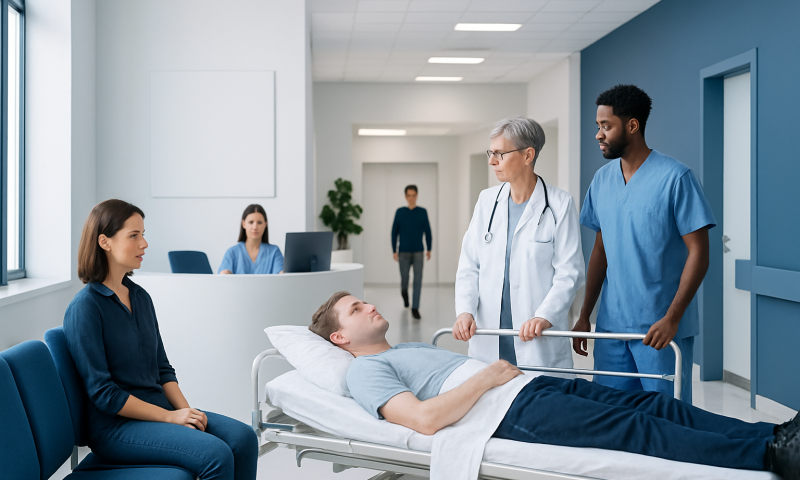
Best Exercises Without Equipment — Explained by Medical Evidence, Not Myths
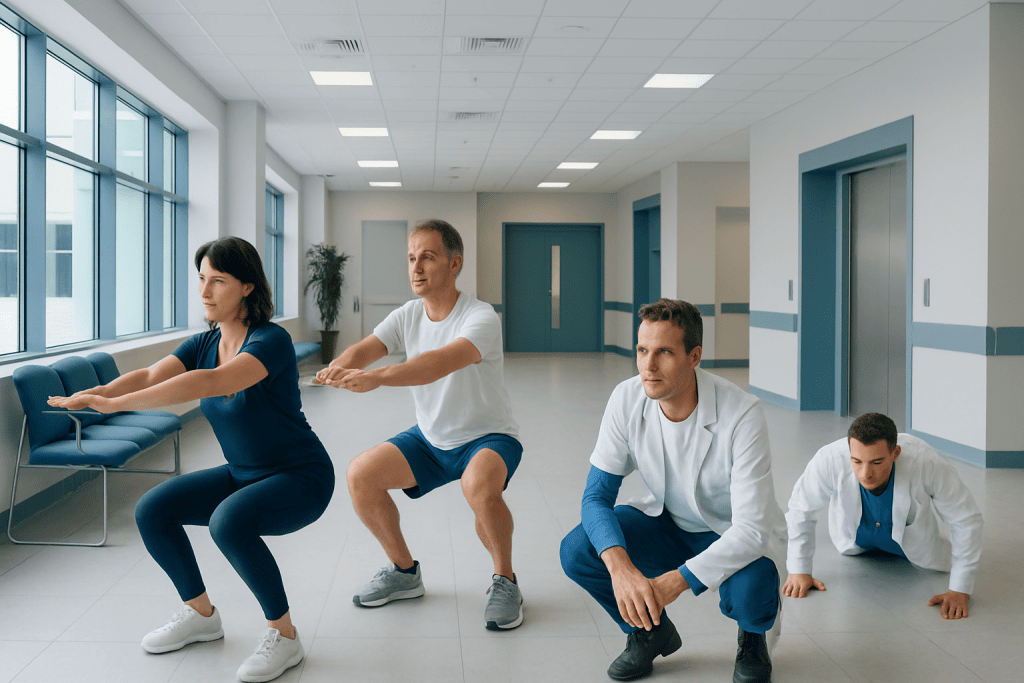
The most effective no-equipment exercises are simple, repeatable movements that build strength, balance, mobility, and cardiovascular fitness. Exercises that use large muscle groups, such as squats, lunges, push-ups, and brisk walking, offer the broadest health benefits.
Key Takeaways
- The most effective no-equipment exercises are simple, repeatable movements that build strength, balance, mobility, and cardiovascular fitness.
- Exercises that use large muscle groups, such as squats, lunges, push-ups, and brisk walking, offer the broadest health benefits.
- Good technique, gradual progression, and consistency matter more than complicated routines.
- A balanced plan includes strength work, aerobic activity, flexibility, and recovery.
- People with pain, chronic illness, or recent injury should ask a qualified clinician which exercises are appropriate.
The best exercises without equipment are the ones that train major muscle groups, improve heart health, and can be progressed safely over time. Evidence supports simple bodyweight movements such as walking, squats, lunges, push-ups, planks, glute bridges, and stair climbing as effective options for many adults.
Overview: Which exercises work best without equipment?
The best exercises without equipment are not the most trendy or exhausting ones. They are the movements supported by exercise science: exercises that use multiple muscle groups, raise or maintain heart rate, improve balance and mobility, and can be adjusted to different fitness levels. For many adults, the strongest evidence supports a practical combination of brisk walking, squats, lunges, push-ups, planks, glute bridges, step-ups or stair climbing, and mobility work.
These exercises are effective because they rely on body weight and everyday movement patterns such as sitting, standing, pushing, pulling through posture control, stepping, and bracing the trunk. When performed regularly, they can help improve muscular strength, endurance, bone health, insulin sensitivity, mood, and overall function. They also remove common barriers to exercise, such as lack of time, gym access, or specialized equipment.
Medical evidence does not support the idea that a workout must be extreme to be useful. Moderate, consistent activity is strongly linked with better health outcomes. For most people, the best no-equipment routine is the one that feels safe, can be repeated most days of the week, and becomes easier to progress over time.
What makes a no-equipment exercise effective?
Evidence-based exercise selection focuses on function rather than novelty. A helpful exercise should train one or more of the following: lower-body strength, upper-body strength, core stability, cardiovascular fitness, balance, and flexibility. Exercises that involve several joints at once usually provide more value than very isolated movements because they better reflect real-life activity.
Another important factor is scalability. The best exercises without equipment can be made easier or harder by changing speed, depth, leverage, range of motion, or number of repetitions. For example, a push-up can be done against a wall, on a kitchen counter, on the knees, or on the floor. This makes bodyweight training suitable for beginners as well as more experienced exercisers.
Safety also matters. An effective exercise should allow reasonably good form without causing sharp pain, dizziness, severe shortness of breath, or joint instability. If a person already lives with joint disease, persistent back pain, or reduced mobility, a doctor or physical therapist may advise modifications, sometimes alongside physical therapy and rehabilitation for movement support.
The best exercises without equipment, based on common health goals
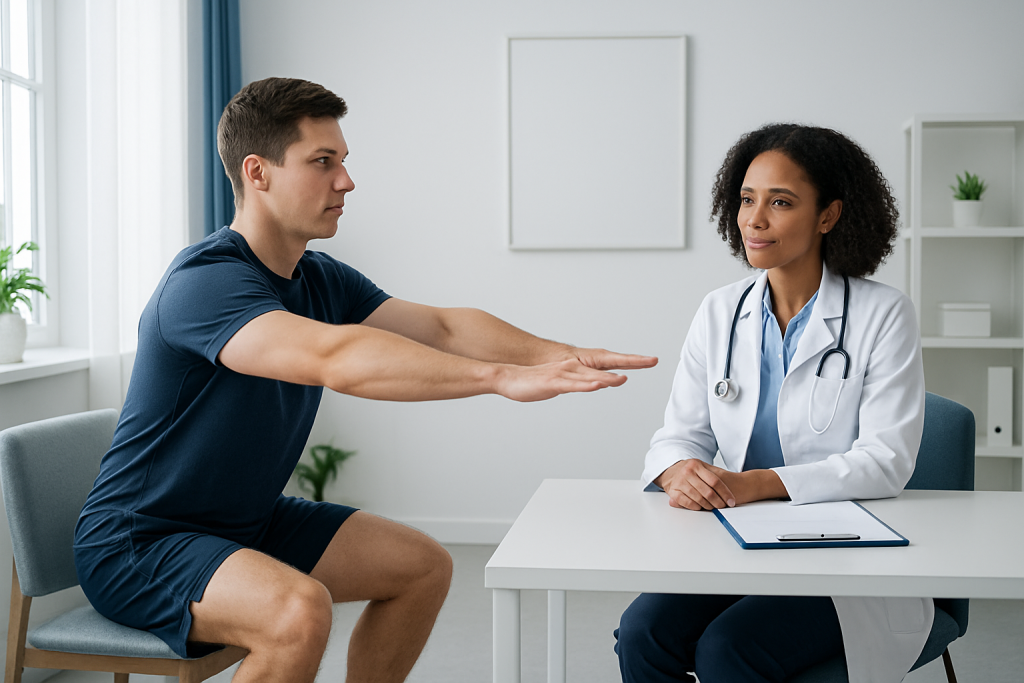
For overall health, a short list of bodyweight movements covers most needs. Brisk walking is one of the best evidence-based exercises for heart health, endurance, blood sugar control, and mental well-being. Squats and sit-to-stand movements build leg strength and support daily activities. Lunges train the legs, hips, and balance. Push-ups strengthen the chest, shoulders, and arms while also engaging the core. Planks improve trunk stability, and glute bridges target the hips and posterior chain, which are important for posture and lower-back support.
Stair climbing or step-ups are strong choices for cardiovascular fitness and leg strength, especially when space is limited. Calf raises can help ankle strength and balance. Side-lying leg raises and single-leg standing can be helpful for hip stability, particularly in older adults. Mobility exercises such as gentle thoracic rotation, hip opening, and ankle mobility drills support movement quality and may make strength exercises more comfortable.
A practical evidence-based selection may include:
- Brisk walking or marching in place
- Squats or chair sit-to-stands
- Forward or reverse lunges
- Push-ups against a wall, counter, or floor
- Planks or modified planks
- Glute bridges
- Stair climbing or step-ups
- Balance and mobility drills
No single exercise is “best” for everyone. The best set is the one that matches a person’s age, goals, health status, and current fitness. Someone with knee discomfort may prefer chair squats and glute bridges, while someone focused on heart fitness may emphasize walking intervals and stairs.
How to build an evidence-based routine at home
A balanced no-equipment program usually includes aerobic activity, strength work, and flexibility or mobility training. Many public health recommendations support aiming for regular moderate-intensity aerobic activity through the week, plus muscle-strengthening activity on at least two days. This can be done at home without machines or weights.
One simple approach is to alternate movement patterns rather than copying a social media challenge. For example, a session may include 5 minutes of warm-up walking or marching, then 2 to 4 rounds of squats, push-ups, lunges, glute bridges, and planks, followed by a cool-down with gentle stretching. The number of repetitions can be adjusted so the final few repetitions feel challenging but still controlled.
Progression is the key to results. This can mean adding repetitions, increasing the number of rounds, slowing the lowering phase, shortening rest periods, or moving to a more difficult variation. A person who starts with wall push-ups may eventually progress to countertop push-ups and then floor push-ups. Improvement does not need to be dramatic to be meaningful.
Recovery should be part of the plan. Muscles and connective tissues adapt during rest, and soreness is not a requirement for progress. If a person has a medical condition affected by exercise tolerance, such as heart rhythm concerns or unexplained chest symptoms, evaluation may be needed before increasing intensity, sometimes with guidance from cardiac rehabilitation or a specialist.
Common myths about no-equipment exercise
One common myth is that bodyweight exercise is only for beginners. In reality, bodyweight training can remain challenging for years through progression, tempo changes, balance demands, unilateral work, and higher total volume. Elite athletes also use bodyweight movements to improve control, coordination, and foundational strength.
Another myth is that fat loss depends on a particular “magic” exercise. No single movement targets fat loss in one body area. Healthier body composition usually reflects a combination of regular physical activity, adequate sleep, stress management, and nutrition. Exercise helps by increasing energy use, preserving muscle mass, and improving metabolic health.
It is also a myth that exercise must leave a person exhausted to be effective. Moderate-intensity activity done consistently often brings better long-term adherence and health benefits than unsustainable extreme workouts. Short sessions count, especially when they are repeated regularly.
Finally, discomfort should not be ignored in the name of discipline. Sharp joint pain, repeated swelling, or worsening back pain can signal an underlying problem. Some people exercising with chronic knee pain may eventually need assessment for knee arthritis or other musculoskeletal conditions rather than simply pushing through symptoms.
Prevention, self-care, and how to exercise safely
Safe exercise begins with realistic expectations. Starting too hard too soon is one of the main reasons people stop. It is often better to begin with 10 to 20 minutes of activity and increase gradually. A warm-up of light walking, marching, or arm circles can prepare muscles and joints, while a cool-down may help the body transition back to rest.
Technique matters more than speed. During squats, the movement should stay controlled and pain-free, with the chest comfortably lifted and feet grounded. During planks, the goal is gentle whole-body bracing rather than holding the breath. During walking or stair climbing, posture and pace should feel purposeful but manageable.
Hydration, supportive footwear for walking or stairs, and a clutter-free exercise area can reduce avoidable problems. On days of illness, poor sleep, or unusual fatigue, intensity may need to be reduced. People with obesity, diabetes, osteoporosis, arthritis, recent surgery, pregnancy, or neurological conditions may benefit from a more individualized plan.
If movement is limited by ongoing joint stiffness, poor balance, or repeated strain, a clinician may look for contributing conditions such as herniated disc or other orthopedic causes. Near the end of the care pathway, some international patients may choose assessment through Acibadem International, where multidisciplinary specialists at JCI-accredited hospitals diagnose and treat musculoskeletal and exercise-related health concerns.
When to seek medical care
Most healthy adults can begin gentle no-equipment exercise safely, but some symptoms should not be ignored. Medical evaluation is important if exercise causes chest pain, fainting, severe breathlessness out of proportion to effort, a racing or irregular heartbeat, sudden weakness, or neurological symptoms such as numbness that does not resolve.
Care is also advisable for pain that is sharp, persistent, or associated with swelling, locking, instability, or loss of function. This is especially true if symptoms follow a fall, sports injury, or recent increase in training. Persistent back, hip, or knee pain may need structured evaluation and targeted care, sometimes including orthopedic rehabilitation.
People with chronic medical conditions should ask a qualified doctor about the safest starting level. This includes those with heart disease, uncontrolled blood pressure, advanced diabetes complications, severe arthritis, or recent surgery. Individual guidance can help make exercise both safe and sustainable.
Frequently asked questions
What are the best exercises without equipment for beginners?
For many beginners, the best starting exercises are walking, chair sit-to-stands, wall push-ups, glute bridges, and short planks. These movements train major muscle groups and can be scaled gradually. The safest plan is usually to begin with controlled repetitions and increase slowly over time.
Can bodyweight exercise really build strength?
Yes. Bodyweight exercise can improve strength, especially in beginners and intermediate exercisers, when the movements are challenging enough and progressed over time. Examples include moving from wall push-ups to floor push-ups or from basic squats to single-leg variations.
Is walking enough if there is no equipment at home?
Walking is one of the best no-equipment exercises for overall health, especially for cardiovascular fitness, mood, and blood sugar control. However, it is still helpful to add some strength and balance exercises, such as squats, lunges, and push-ups, to create a more complete routine.
How often should a person do no-equipment workouts?
Many adults benefit from some form of movement most days of the week. A balanced plan usually includes regular aerobic activity plus muscle-strengthening exercises on at least two days weekly. The exact frequency depends on age, fitness level, health status, and recovery.
Are no-equipment workouts safe for older adults?
They can be, especially when exercises are matched to mobility and balance level. Walking, chair squats, supported heel raises, and balance drills are often practical options. Older adults with falls, dizziness, severe joint pain, or multiple medical conditions should seek individual advice before progressing.
Should exercise continue if it causes pain?
Mild muscle effort or temporary soreness can be normal, but sharp pain, swelling, joint instability, chest symptoms, or pain that worsens afterward should not be ignored. In those situations, it is wise to stop the activity and seek medical advice. A clinician can help identify whether the movement needs modification or whether an underlying problem requires treatment.
This article is for general information only and is not a substitute for professional medical advice. Please consult a qualified doctor about your individual situation.
Heart care in Turkey — expert evaluation and treatment
JCI-accredited · board-certified surgeons · reply within 24h
Add us as a Preferred Source to see more of our trusted health content across Google Search, AI Overviews and Discover.
Check your numbers in seconds
BMI, calories, due date, blood pressure and 30+ more clinical calculators — free, instant, doctor-reviewed ranges.

More from the Health Library

Sulfasalazine: A Complete Medical Overview

Excessive Sweating at Night Postpartum: An Evidence-Based Guide for Patients

Papaya: An Evidence-Based Guide for Patients

Apple Pectin: A Complete Medical Overview

Boswellia: What Patients Need to Know