Bilateral Mastectomy: Procedure, Recovery and Results

Bilateral mastectomy removes breast tissue from both sides and may be therapeutic or risk-reducing. The operation may preserve the skin or nipple in selected patients, and reconstruction can be immediate, delayed, or declined.
Key Takeaways
- Bilateral mastectomy removes breast tissue from both sides and may be therapeutic or risk-reducing.
- The operation may preserve the skin or nipple in selected patients, and reconstruction can be immediate, delayed, or declined.
- Early recovery commonly involves tiredness, restricted arm movement, drains, and discomfort that usually improves over the first few weeks.
- The benefits and limitations of bilateral surgery should be discussed carefully, especially when cancer affects only one breast.
- Follow-up care is important for wound healing, rehabilitation, emotional wellbeing, and any ongoing cancer treatment.
A bilateral mastectomy, also called a double mastectomy, is surgery to remove both breasts. It may be recommended to treat cancer in one or both breasts or to substantially lower breast cancer risk in people with certain inherited risk factors; the best approach depends on the diagnosis, risk profile, and personal goals.
Overview: what bilateral mastectomy means
A bilateral mastectomy is an operation that removes breast tissue from both breasts. It is often called a double mastectomy. The surgery may be used to treat cancer present in both breasts, treat cancer in one breast while addressing a separate high-risk situation, or reduce future breast cancer risk in people with a strongly elevated inherited risk.
There are several forms of mastectomy. A total or simple mastectomy removes the breast tissue, nipple, areola, and most overlying skin. In skin-sparing mastectomy, much of the breast skin is kept for reconstruction. In carefully selected people, a nipple-sparing procedure may preserve the nipple and areola. The type of surgery is determined by tumor location, breast anatomy, imaging findings, prior treatment, and safety considerations.
A bilateral mastectomy is a major personal and medical decision. It does not eliminate every possible future breast cancer risk because a small amount of breast tissue can remain after surgery, but risk-reducing surgery can lower risk substantially in appropriate high-risk patients. A breast surgeon, medical oncologist, genetic counselor, plastic surgeon, and specialist nurse can help a person understand what surgery can and cannot achieve.
Who may be a candidate for bilateral mastectomy?
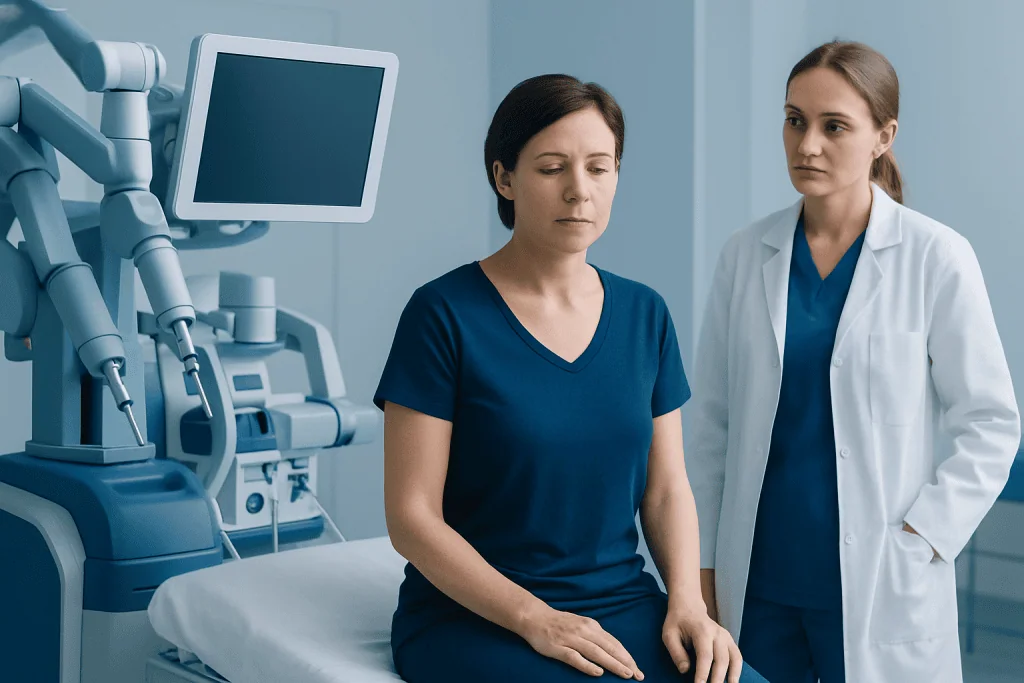
For cancer treatment, bilateral mastectomy may be considered when cancer is found in both breasts, when there are multiple tumors in separate areas of a breast, or when breast-conserving surgery and radiotherapy are not suitable. Some people choose removal of the unaffected breast at the same time as treatment on the affected side, but this is not routinely necessary for everyone with cancer on one side.
Risk-reducing bilateral mastectomy may be discussed for people with certain inherited gene changes associated with a high lifetime risk of breast cancer, such as BRCA1 or BRCA2 changes, or with a very strong family history after individualized assessment. It may also be considered in selected people who have had chest radiation at a young age. Genetic counseling and risk assessment are valuable before making preventive surgical decisions.
Factors such as overall health, smoking, diabetes, body weight, previous breast or chest surgery, and a need for radiotherapy can affect surgical planning and reconstruction options. People diagnosed with breast cancer may also benefit from learning about breast cancer diagnosis, staging, and treatments before deciding on the surgical plan.
- A second opinion may be helpful when considering removal of a breast without cancer.
- Reconstruction is optional and does not need to be decided immediately in every case.
- Some people are better suited to breast-conserving surgery followed by radiotherapy.
How the bilateral mastectomy procedure works
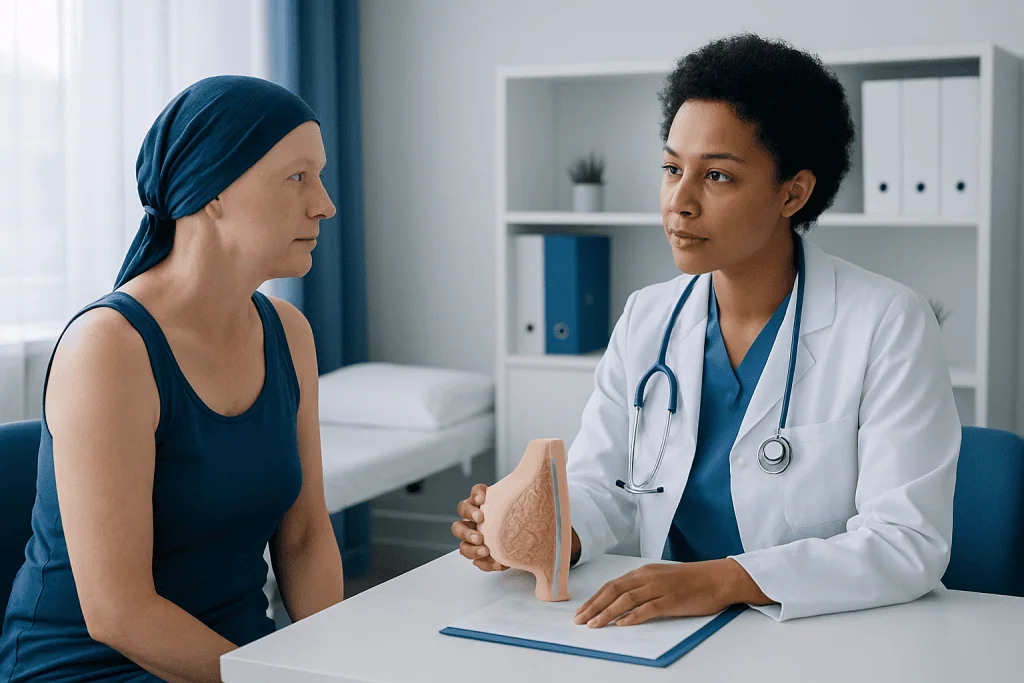
Before surgery, the care team reviews imaging, biopsy results, medications, allergies, anesthesia history, and reconstruction preferences. Blood tests and other preoperative checks may be arranged. People are usually asked to stop smoking, discuss medicines that affect bleeding, and plan practical support at home for the first part of recovery.
On the day of surgery, the patient receives general anesthesia and is asleep throughout the operation. The breast surgeon makes incisions planned to safely remove breast tissue and, where appropriate, preserve skin or the nipple-areola complex. If cancer treatment requires evaluation of lymph nodes, a sentinel lymph node biopsy or axillary lymph node dissection may be performed on the affected side.
If immediate reconstruction is chosen, a plastic and reconstructive surgeon begins reconstruction during the same anesthetic. This may use an implant or tissue expander, or tissue transferred from another part of the body. Breast reconstruction can also be delayed until after healing or after radiotherapy, and some people choose to remain flat after mastectomy.
At the end of surgery, temporary drains may be placed to remove fluid from the wound area. Dressings or a supportive surgical bra may be used. The operation length and hospital stay vary according to whether lymph node surgery and reconstruction are performed.
Benefits, limitations and possible risks
The primary benefit of bilateral mastectomy is removal of breast tissue on both sides. For people with cancer in both breasts or a very high inherited risk, this may be an important part of treatment or prevention. For selected patients, it may also reduce the need for future breast operations, although it does not automatically remove the need for other cancer treatments.
When cancer is limited to one breast and there is no high-risk genetic or family-history reason for surgery on the other side, removal of the unaffected breast may not improve survival for many patients. The expected benefits should therefore be considered alongside alternatives, including breast-conserving surgery, surveillance, medication when appropriate, and treatment of the affected breast alone.
Possible surgical risks include bleeding, infection, fluid collection called seroma, delayed wound healing, blood clots, scarring, asymmetry, and complications from anesthesia. Reconstruction can have additional risks, such as implant-related problems, tissue loss, or a need for further procedures. Numbness or altered sensation in the chest and upper arm is common and can be long-lasting.
Emotional responses vary. Some people feel relief or greater confidence after surgery, while others experience grief, changes in body image, anxiety, or difficulty adjusting to scars and altered sensation. These reactions are valid, and support from oncology nurses, counselors, rehabilitation professionals, and peer-support services can be helpful.
Recovery timeline and practical aftercare
Most patients experience tiredness, chest tightness, swelling, bruising, and limited shoulder movement in the early days after bilateral mastectomy. Pain is usually managed with a personalized combination of medicines, and the team will explain how to care for incisions and drains. Drains often remain in place for several days to a few weeks, depending on fluid output and the type of reconstruction.
During the first one to two weeks, rest is important, but gentle walking and prescribed arm movements help circulation and reduce stiffness. Heavy lifting, pushing, pulling, strenuous exercise, and driving are usually restricted until the surgeon says they are safe. Follow-up appointments are used to check healing, remove drains or stitches if needed, and review final pathology results.
Many people can resume light daily activities in about two to four weeks, although recovery may take longer after flap reconstruction, complications, or lymph node surgery. Return to work depends on the job and the individual. Full recovery of energy, chest comfort, shoulder range of motion, and emotional adjustment may take several months.
A physiotherapist can guide safe shoulder exercises and help manage stiffness. If lymph nodes were removed or treated with radiotherapy, the team may discuss lymphedema risk and practical ways to protect arm health. Ongoing care may include breast cancer treatment such as radiotherapy, systemic therapy, or endocrine therapy when indicated by the cancer type and stage.
What is the hardest part of recovery from a double mastectomy?
The hardest part differs from person to person. In the first weeks, many people find fatigue, restricted arm and upper-body movement, managing drains, sleeping comfortably, and relying on others for practical tasks particularly challenging. Reconstruction, especially procedures using a person’s own tissue, can add recovery demands at another surgical site.
Longer-term adjustment can also be difficult. The chest may feel numb, tight, sensitive, or different from before surgery, and changes in appearance can affect confidence, intimacy, and body image. It is important to tell the care team about physical symptoms or emotional concerns rather than trying to manage them alone.
Planning home support, following the wound-care instructions, accepting help with meals and household tasks, and attending rehabilitation appointments can make recovery more manageable. A breast care nurse or counselor can provide practical support and connect patients with appropriate services.
What are the worst days after a mastectomy?
For many patients, the first several days after surgery are the most physically demanding. Anesthesia effects, soreness, swelling, fatigue, drain care, and finding a comfortable sleeping position can all be difficult. Discomfort should gradually improve, although the pace differs depending on the operation and whether reconstruction or lymph node surgery was performed.
Some people notice a temporary increase in tiredness or frustration after returning home, when they are adapting to limited movement and daily drain care. The care team should be contacted if pain is worsening rather than improving, if there is increasing redness or swelling, fever, drainage with an unpleasant odor, shortness of breath, or other concerning symptoms.
Keeping follow-up appointments and using pain relief exactly as advised can help. It is also reasonable to ask the surgical team what level of bruising, swelling, numbness, and drain output is expected for the individual procedure.
How long should you rest after a double mastectomy?
After a double mastectomy, patients generally need several weeks of reduced activity. The first one to two weeks are usually focused on rest, walking short distances, wound and drain care, and gentle exercises recommended by the surgical team. Rest does not mean remaining in bed all day; safe movement supports circulation, lung function, and recovery.
Light activities may be possible within two to four weeks for some people, while jobs involving lifting, repetitive arm movements, or physical labor require more time away. Recovery is often longer when reconstruction uses tissue from the abdomen, back, thighs, or another donor site. The surgeon should provide individualized guidance about work, driving, exercise, lifting, bathing, and sexual activity.
Patients should avoid comparing their timeline with someone else’s. Healing is influenced by the exact operation, general health, cancer treatments, complications, and emotional wellbeing. Gradually increasing activity while respecting pain and fatigue is usually more helpful than rushing back to normal routines.
How bad is the pain after a double mastectomy?
Pain after a double mastectomy is commonly described as soreness, pressure, tightness, burning, pulling, or aching across the chest and under the arms. It is often most noticeable in the first few days and should become more manageable over the following weeks. Modern postoperative care uses several approaches to control pain, tailored to the person’s medical needs.
Numbness is also common because small sensory nerves are affected during breast removal. Some people later develop nerve-related sensations, such as tingling, sensitivity, itching, or brief sharp pains. Persistent pain can occur, but it should be assessed rather than accepted as something a patient must simply endure.
Patients should use prescribed and recommended pain relief safely and contact their care team if medication is not controlling pain, pain suddenly worsens, or there are signs of infection or another complication. A pain specialist, physiotherapist, or rehabilitation clinician may help when discomfort continues beyond the expected healing period.
When to seek medical care
After bilateral mastectomy, patients should contact their surgical team promptly if they develop a fever, increasing redness or warmth around an incision, pus-like or foul-smelling drainage, rapidly increasing swelling, wound separation, or pain that is worsening or not controlled by the prescribed plan. New swelling of an arm, persistent vomiting, or concerns about drains also warrant medical advice.
Emergency care is needed for symptoms such as sudden shortness of breath, chest pain, coughing blood, fainting, or one-sided leg pain and swelling, as these can be signs of a serious complication. These symptoms are uncommon, but prompt assessment is important.
Anyone considering bilateral mastectomy should seek specialist care for a full discussion of diagnosis, alternatives, genetic risk, reconstruction, and recovery. Acibadem International’s multidisciplinary specialists and JCI-accredited hospitals diagnose and treat breast conditions for international patients, with care plans based on individual clinical needs.
Frequently asked questions
Is bilateral mastectomy the same as a double mastectomy?
Yes. Bilateral mastectomy and double mastectomy both mean surgical removal of breast tissue from both breasts. The exact surgical technique may differ depending on whether skin, nipples, lymph nodes, and reconstruction are involved.
Can a person choose reconstruction after bilateral mastectomy?
Yes. Reconstruction may be performed immediately during the mastectomy operation or delayed until a later time. Some people also choose not to have reconstruction, which is a valid option that can be discussed with the surgical team.
Will a bilateral mastectomy completely prevent breast cancer?
No surgery can reduce the risk to zero because small amounts of breast tissue may remain. However, bilateral risk-reducing mastectomy can substantially lower breast cancer risk for carefully selected people with high inherited risk.
Do all patients need lymph node removal during bilateral mastectomy?
No. Lymph node procedures are usually performed when they are needed for cancer staging or treatment. A preventive mastectomy on a breast without cancer generally does not require lymph node removal, unless there is a specific clinical reason.
Can a person sleep on their side after a double mastectomy?
Many patients are more comfortable sleeping on their back with the upper body slightly elevated during early recovery. The timing for side sleeping depends on wound healing, drains, reconstruction type, and surgeon advice.
How long do drains stay in after bilateral mastectomy?
Drains are commonly removed when the amount of fluid has reduced to a level set by the surgical team. This may take several days or a few weeks, particularly when reconstruction has been performed.
References
- American Cancer Society
- National Cancer Institute
- National Comprehensive Cancer Network
- Breast Cancer Now
- World Health Organization
This article is for general information only and is not a substitute for professional medical advice. Please consult a qualified doctor about your individual situation.
Oncology care in Turkey — second opinion and treatment plan
JCI-accredited · board-certified surgeons · reply within 24h
Add us as a Preferred Source to see more of our trusted health content across Google Search, AI Overviews and Discover.