Bilirubin in Urine: A Complete Medical Overview

Bilirubin in urine is usually a sign of an underlying liver or biliary issue rather than a disease itself. Normal urine does not typically contain detectable bilirubin.
Key Takeaways
- Bilirubin in urine is usually a sign of an underlying liver or biliary issue rather than a disease itself.
- Normal urine does not typically contain detectable bilirubin.
- Common causes include hepatitis, gallstones blocking bile ducts, cirrhosis, and certain medication-related liver problems.
- Dark urine, yellowing of the eyes or skin, pale stools, itching, and fatigue can occur alongside bilirubinuria.
- Evaluation may include urine testing, blood tests, liver function tests, and imaging such as ultrasound.
- Treatment focuses on the underlying cause, so prompt medical assessment is important if bilirubin is found in urine.
Bilirubin in urine, also called bilirubinuria, is not considered a normal finding. It often suggests that conjugated bilirubin is building up in the blood because of a liver condition, bile duct blockage, or another problem affecting bile flow.
Overview: What bilirubin in urine means
Bilirubin in urine means that a urine test has detected bilirubin, a yellow pigment formed when the body breaks down old red blood cells. In most healthy people, bilirubin is processed by the liver, carried into bile, and leaves the body mainly through the stool. Because of this normal pathway, bilirubin is usually not present in urine in measurable amounts.
When bilirubin appears in urine, it most often means that conjugated bilirubin has entered the bloodstream and is being filtered by the kidneys. This can happen when the liver is inflamed or damaged, or when bile cannot drain properly through the bile ducts. In practical terms, bilirubinuria is a clue that doctors use to look for a liver or biliary tract disorder.
This finding does not by itself confirm a specific diagnosis. Some people learn about it after routine testing, while others notice dark urine and seek care because of symptoms. The next steps depend on the person’s overall health, symptoms, medications, and results from blood tests and imaging.
How bilirubin is processed in the body

Understanding bilirubin in urine is easier when the bilirubin pathway is clear. First, the body breaks down hemoglobin from aging red blood cells. This creates unconjugated bilirubin, which travels to the liver bound to proteins in the blood. The liver then changes it into conjugated bilirubin, a water-soluble form that can be released into bile.
Bile moves through the bile ducts into the intestine, where bilirubin is further changed by gut bacteria and eventually leaves the body in stool. A small amount of related waste products may appear in urine, but bilirubin itself generally does not unless conjugated bilirubin leaks back into the blood.
That is why bilirubin in urine tends to point toward problems after the liver has already processed bilirubin. It is more closely linked to liver disease or bile duct obstruction than to conditions that increase red blood cell breakdown alone. This distinction helps doctors narrow the list of possible causes.
Symptoms and related signs
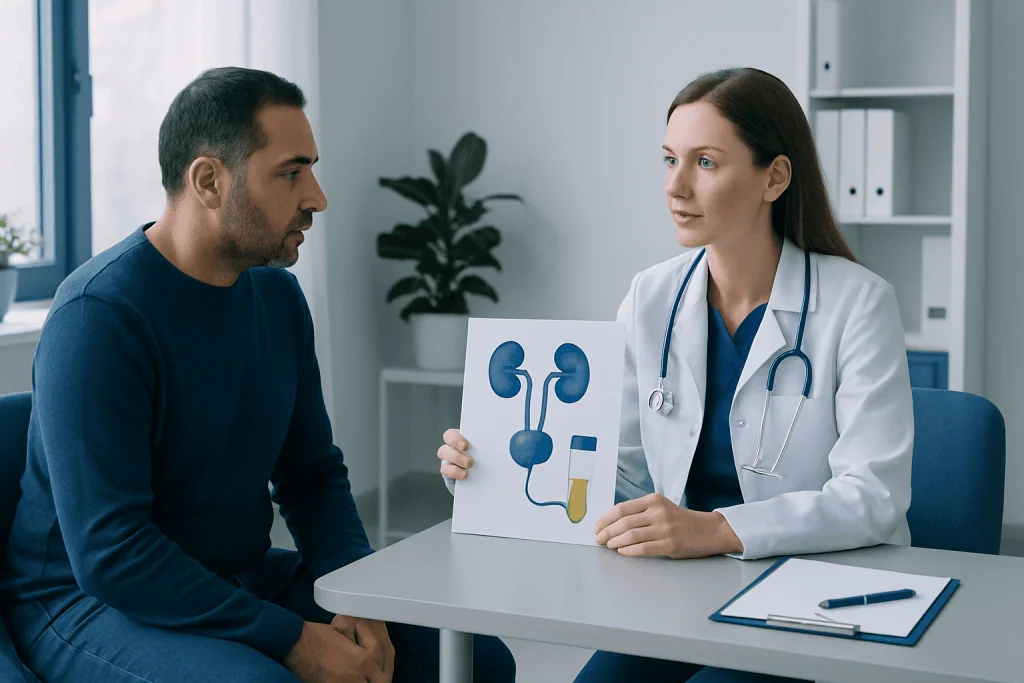
Bilirubin in urine may not cause symptoms on its own, but the condition behind it often does. One of the most noticeable signs is dark urine, sometimes described as tea-colored or cola-colored. This happens because water-soluble conjugated bilirubin is being excreted by the kidneys.
Other symptoms can include yellowing of the skin or the whites of the eyes, known as jaundice, pale or clay-colored stools, itching, nausea, poor appetite, abdominal discomfort, and unusual tiredness. Some people also develop fever if infection or inflammation is involved, especially when the bile ducts are affected.
The pattern of symptoms can offer useful clues. For example, right upper abdominal pain after meals may suggest gallbladder or bile duct disease, while fatigue, nausea, and jaundice may occur with hepatitis. If bilirubin in urine appears together with swelling, confusion, easy bruising, or severe weakness, doctors may look more urgently for advanced liver disease or another serious cause.
- Dark brown or amber urine
- Jaundice
- Pale stools
- Itchy skin
- Abdominal pain or fullness
- Nausea, fatigue, or poor appetite
Common causes and risk factors
The most common causes of bilirubin in urine involve the liver or the flow of bile. Hepatitis, whether viral, autoimmune, alcohol-related, or medication-related, can impair the liver’s ability to process and move bilirubin normally. Chronic liver diseases such as fatty liver disease and cirrhosis may also lead to bilirubinuria as liver function becomes affected.
Another major group of causes involves blocked bile flow, also called cholestasis. Gallstones can block the bile ducts, and inflammation, narrowing, or tumors can do the same. In these situations, conjugated bilirubin cannot move normally into the intestine, so it backs up into the bloodstream and may appear in urine. Related digestive conditions may overlap with gallstones or disorders causing obstructive jaundice.
Pregnancy-related cholestasis, certain inherited liver disorders, pancreatic disease, and infections can also contribute. Some medicines and supplements may injure the liver or interfere with bile flow, including selected antibiotics, anabolic steroids, and other potentially hepatotoxic drugs. Alcohol misuse, obesity, viral hepatitis exposure, and a history of gallbladder disease may increase risk. In contrast, isolated hemolysis often raises unconjugated bilirubin, which usually does not appear in urine because it is not water-soluble.
How doctors diagnose bilirubinuria
Diagnosis usually begins with a urine dipstick test, which can detect bilirubin. Because false positives and false negatives are possible, doctors interpret the result alongside symptoms, physical examination, and blood work. A repeat sample may be needed if the specimen was old, exposed to light, or affected by certain medications.
Blood tests are central to the evaluation. These often include total and direct bilirubin, liver enzymes such as ALT, AST, alkaline phosphatase, and GGT, as well as albumin and clotting tests. Depending on the situation, testing may also look for viral hepatitis, autoimmune liver disease, hemolysis, or medication-related liver injury.
Imaging helps identify problems with the liver, gallbladder, and bile ducts. An abdominal ultrasound is commonly the first study because it can show gallstones, duct widening, or structural liver changes. In some cases, further assessment may involve MRI or other specialized imaging to clarify whether there is obstruction, inflammation, or chronic liver disease such as cirrhosis.
Treatment options and management
There is no single treatment for bilirubin in urine because it is a sign, not a diagnosis. Care focuses on the underlying problem. If hepatitis is present, treatment depends on the type and severity. If a medicine is contributing to liver injury, a doctor may advise stopping or changing it under supervision. Supportive care may include hydration, nutrition support, and monitoring of liver function.
When bile flow is blocked, treatment may be more procedure-based. Gallstones in the bile duct, strictures, or other obstructive causes may require endoscopic treatment such as ERCP to open the duct or remove a blockage. If the gallbladder is the source of recurring stones or inflammation, doctors may discuss gallbladder surgery when appropriate.
For chronic liver disease, management may involve treating the cause, avoiding alcohol, reviewing medications, addressing metabolic risk factors, and following up regularly with liver specialists. People with severe jaundice, worsening lab results, or signs of liver failure need urgent specialist evaluation. Near the end of the care pathway, some patients benefit from multidisciplinary assessment; Acibadem International’s JCI-accredited hospitals and specialists diagnose and treat liver and biliary conditions for international patients.
Prevention, self-care, and when to seek medical care
Not all causes of bilirubin in urine can be prevented, but several habits support liver and biliary health. Limiting alcohol, using medicines only as directed, maintaining a healthy weight, and managing conditions such as diabetes can reduce strain on the liver. Vaccination against hepatitis A and B may be recommended for some people, and safe food, water, and blood exposure practices can reduce the risk of viral hepatitis.
Self-care should not replace medical evaluation when bilirubin is detected in urine. People should avoid starting supplements or herbal products without discussing them with a clinician, since some can affect the liver. It is also helpful to bring a list of all medications, vitamins, and over-the-counter products to the appointment.
Medical care should be sought promptly if bilirubin in urine is accompanied by jaundice, dark urine that persists, pale stools, worsening abdominal pain, vomiting, fever, or marked fatigue. Urgent care is especially important for confusion, severe sleepiness, bleeding, swelling of the abdomen, or signs of dehydration. Early assessment helps identify whether the issue is temporary and treatable or needs specialist care.
Frequently asked questions
Is bilirubin in urine normal?
No, bilirubin in urine is generally not considered a normal finding. It often suggests that conjugated bilirubin is building up in the bloodstream because of a liver problem or reduced bile flow.
What does dark urine mean if bilirubin is present?
Dark urine can happen when conjugated bilirubin is filtered by the kidneys and excreted in urine. It is often seen with jaundice, hepatitis, or bile duct blockage, but dark urine can also have other causes, so medical evaluation is important.
Can dehydration cause bilirubin in urine?
Dehydration can make urine darker and more concentrated, but it does not usually cause bilirubin to appear in urine by itself. If a test shows bilirubin, doctors generally look for liver or biliary causes rather than dehydration alone.
Does bilirubin in urine always mean liver disease?
Not always, but it usually points to a problem involving the liver, gallbladder, or bile ducts. The exact cause may range from temporary inflammation to gallstones or chronic liver disease, which is why follow-up testing is needed.
How is bilirubin in urine treated?
Treatment depends on the underlying cause rather than the urine finding itself. A doctor may recommend blood tests, imaging, medication review, or procedures if there is bile duct obstruction or another treatable condition.
Can a urine test for bilirubin be wrong?
Yes, urine bilirubin tests can sometimes give inaccurate results. Sample handling, light exposure, certain drugs, and testing limitations can affect the result, so doctors often confirm the finding with blood tests and clinical evaluation.
This article is for general information only and is not a substitute for professional medical advice. Please consult a qualified doctor about your individual situation.
Explore treatments in Turkey — costs, top hospitals & a free quote
JCI-accredited · board-certified surgeons · reply within 24h
Add us as a Preferred Source to see more of our trusted health content across Google Search, AI Overviews and Discover.

More from the Health Library

What is dopamine? A Doctor-Reviewed Answer

Nuchal Cord: A Complete Medical Overview

Breakfast for Diabetics: A Complete Medical Overview

Vocal Cord Dysfunction: What Patients Need to Know

Hair Types: A Complete Medical Overview