

Trampoline Workout: What Patients Need to Know

A trampoline workout can provide aerobic exercise while reducing impact forces compared with running on hard surfaces. Good technique, stable equipment and a gradual increase in duration help lower the chance of injury.
Key Takeaways
- A trampoline workout can provide aerobic exercise while reducing impact forces compared with running on hard surfaces.
- Good technique, stable equipment and a gradual increase in duration help lower the chance of injury.
- Most injuries happen through falls, collisions, awkward landings or attempting movements beyond a person’s ability.
- People with certain joint, balance, pelvic floor, heart or neurological concerns should seek individual medical advice before starting.
- Pain, dizziness, chest symptoms or a significant fall are reasons to stop exercising and seek medical guidance.
A trampoline workout, often called rebounding, is a low-impact form of aerobic exercise performed on a small fitness trampoline or a larger trampoline. It can support cardiovascular fitness, balance and muscle conditioning, but it should be introduced gradually and may not be suitable for everyone.
What Is a Trampoline Workout?
A trampoline workout is a form of exercise that uses repeated controlled bouncing to raise the heart rate and challenge the muscles. It may be performed on a mini trampoline, also called a rebounder, or on a larger recreational trampoline. Sessions can include gentle bouncing, marching, side-to-side weight shifts, squats, arm movements and simple aerobic sequences.
For many adults, a rebounder is the more practical option because it is designed for one person and usually has a firm, stable surface. The movement can feel easier on the knees, hips and ankles than high-impact activities such as jogging, although it still places demands on the legs, core and balance systems.
A trampoline workout is not automatically safe simply because it feels light or enjoyable. The intensity can increase quickly, particularly with higher jumps, rapid direction changes or advanced routines. Starting with low bounces and maintaining control is more important than jumping high.
Potential Health Benefits of Rebounding Exercise
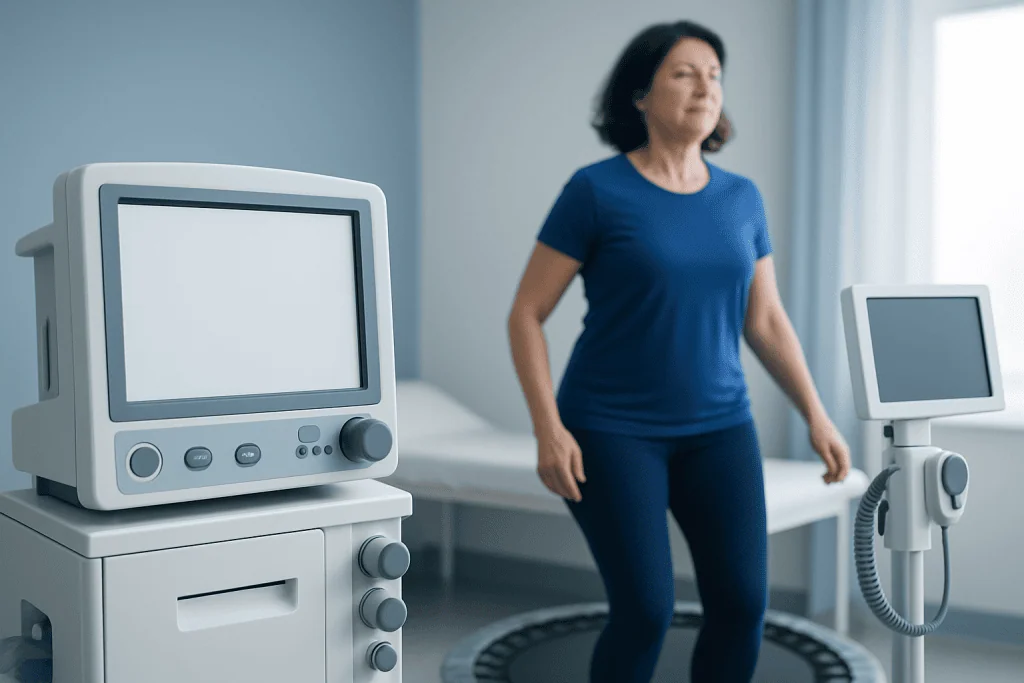
When performed regularly at an appropriate intensity, a trampoline workout can contribute to the weekly physical activity recommended for overall health. It can elevate the heart rate, support aerobic capacity and provide an alternative for people who find some land-based exercise repetitive or uncomfortable.
The repeated push-off and landing phases activate muscles in the calves, thighs, hips and trunk. Staying upright on an unstable surface also requires coordination and postural control. These features may help improve balance and body awareness over time, especially when movements are slow, controlled and matched to the person’s ability.
Exercise is also associated with benefits for mood, sleep and stress management. Enjoyment matters: a person is more likely to continue an activity that feels manageable and engaging. A trampoline workout can therefore be one useful option within a broader routine that includes strength training, flexibility work and everyday movement.
It should not be viewed as a replacement for all other exercise. Bone health, muscle strength, mobility and cardiovascular health benefit from variety, and the best plan is one that is safe, sustainable and appropriate for the individual’s health needs.
How to Start a Trampoline Workout Safely

Before beginning, the trampoline should be placed on a flat, non-slip surface with enough clear space around it. Check that the frame, legs, mat and springs or elastic cords are secure and in good condition. A support handle may help some beginners feel steadier, but it does not prevent falls and should not be used to pull the body through movements.
A simple first session may involve standing comfortably, gently shifting weight from one foot to the other, and making small controlled bounces. The feet can remain in contact with the mat at first. As confidence develops, a person may add marching, heel lifts or gentle arm movements. Keeping the knees softly bent and looking forward can support steadier movement.
It is sensible to start with short sessions and allow the body to adapt. A light warm-up before bouncing and a gradual cool-down afterward can help prepare the muscles and circulation. Hydration, supportive exercise clothing and well-fitting footwear—or bare feet if the equipment instructions permit—can also improve comfort and control.
- Use one person on the trampoline at a time.
- Avoid flips, somersaults and high jumps unless specifically trained and supervised in an appropriate setting.
- Stop if movements become uncontrolled, painful or overly tiring.
- Follow the manufacturer’s weight, setup and maintenance instructions.
Who Should Take Extra Care?
People with a history of falls, poor balance, severe dizziness or a neurological condition should speak with a clinician before trying a trampoline workout. The changing surface may increase the risk of losing balance, even during low-level bouncing. A physiotherapist can help identify safer exercise options or adaptations where needed.
Extra caution is also appropriate after recent surgery, a fracture, significant sprain or ongoing joint pain. Those recovering from knee, hip, ankle or spinal problems may need a rehabilitation plan before returning to impact-based activity. For persistent joint symptoms, an assessment for knee pain or another underlying cause can guide a safer return to exercise.
Pregnant people, individuals with pelvic floor symptoms, and those with pelvic organ prolapse concerns should obtain personalized advice. Bouncing may be uncomfortable or may worsen leakage, pelvic heaviness or pressure in some people. Modifications or lower-impact exercise may be more suitable.
People with known heart disease, uncontrolled high blood pressure, unexplained shortness of breath or chest symptoms should not begin vigorous exercise without medical guidance. A clinician can advise on an appropriate activity level and whether supervised exercise is needed.
Injury Risks and How to Reduce Them
Most trampoline-related injuries are linked to falls, landing awkwardly, colliding with another person or trying skills that exceed current ability. Injuries can affect the ankle, knee, wrist, shoulder, back or head. Although mini-trampoline exercise is usually lower risk than recreational jumping, it still requires attention and coordination.
The most effective safety measures are simple: use appropriate equipment, exercise alone, keep jumps low, avoid distractions and progress slowly. A clear area is important because a misstep can carry the body off the edge. Children should use trampolines only with age-appropriate supervision and safety measures, and recreational trampoline use should not be confused with adult fitness rebounding.
Technique matters. Landing with the knees slightly bent, maintaining a tall posture and using small movements can reduce sudden forces through the joints. A person should avoid exercising when fatigued, unwell, under the influence of alcohol or medicines that affect alertness, or when the equipment is damaged.
If pain develops during or after exercise, reducing intensity is not always enough. Ongoing swelling, instability, catching, inability to bear weight or recurrent pain may require evaluation and, if appropriate, physical therapy and rehabilitation to restore movement and confidence safely.
Building a Balanced Weekly Exercise Routine
A trampoline workout can be included as moderate aerobic activity, but the ideal frequency and duration depend on fitness level, health conditions and goals. Beginners may benefit from short, low-intensity sessions separated by rest days. People who already exercise regularly may use rebounder sessions as cross-training, warm-up activity or a more energetic cardio option.
For balanced fitness, trampoline exercise can be combined with walking, cycling, swimming or other aerobic activities, as well as muscle-strengthening exercises for the major muscle groups. Mobility and balance exercises are also valuable, particularly for older adults or anyone returning to activity after an injury.
Listening to the body is important. Mild muscle fatigue after a new workout may be expected, but sharp pain, increasing joint swelling, numbness or weakness are not signs to push through. Recovery, sleep and adequate nutrition support adaptation to any exercise program.
A qualified exercise professional, physiotherapist or doctor can help tailor a plan for people with medical conditions, previous injuries or uncertainty about which activities are appropriate. The aim is not to achieve the highest bounce, but to find a movement pattern that can be performed comfortably and consistently.
When to Seek Medical Care
Medical attention is advisable after a fall or landing injury that causes severe pain, visible deformity, significant swelling, inability to use the affected limb, new weakness, numbness or a suspected head injury. Urgent assessment is particularly important for loss of consciousness, confusion, repeated vomiting, severe headache, chest pain or trouble breathing.
A person should also arrange a medical review for joint pain that persists, repeated ankle or knee instability, back pain that travels down a leg, or symptoms that limit everyday activities. These concerns may need examination before returning to trampoline exercise or other impact activities.
During a workout, stop immediately and seek urgent care for chest pressure, fainting, severe shortness of breath, a rapid irregular heartbeat or symptoms of stroke such as facial weakness, speech difficulty or sudden weakness on one side. These symptoms should not be attributed to exercise alone.
Acibadem International’s multidisciplinary specialists and JCI-accredited hospitals support international patients with assessment and treatment for exercise-related musculoskeletal concerns when specialist care is needed.
Frequently asked questions
Is a trampoline workout good exercise?
A trampoline workout can be a useful form of aerobic exercise that also challenges the leg muscles, core control and balance. Its value depends on regular participation, safe technique and whether it fits the person’s overall fitness plan.
Is rebounding easier on the joints than running?
Gentle bouncing on a fitness trampoline may feel less jarring than running on hard ground because the mat absorbs some landing force. However, it still loads the ankles, knees, hips and spine, so it may not be appropriate during some injuries or painful joint conditions.
How long should a beginner trampoline workout be?
A beginner can start with a short, comfortable session using low bounces or marching movements. Duration and intensity should increase gradually only if there is no pain, dizziness, unusual breathlessness or loss of control.
Can older adults use a mini trampoline?
Some older adults can safely use a mini trampoline, particularly for gentle supported movement, but balance and fall risk should be considered first. A doctor or physiotherapist can advise whether it is suitable and suggest safer alternatives if needed.
Can a trampoline workout help with weight loss?
A trampoline workout uses energy and can contribute to a calorie deficit when combined with eating patterns and activity habits that support a healthy weight. Sustainable weight change usually depends on the overall routine rather than one type of exercise alone.
Should someone exercise on a trampoline with back pain?
This depends on the cause and severity of the back pain. New, severe or radiating pain should be assessed before impact-based exercise, while some people with mild, stable symptoms may be able to return gradually with professional guidance.
References
- World Health Organization
- Centers for Disease Control and Prevention
- American Academy of Orthopaedic Surgeons
- American College of Sports Medicine
- National Health Service
This article is for general information only and is not a substitute for professional medical advice. Please consult a qualified doctor about your individual situation.
Heart care in Turkey — expert evaluation and treatment
JCI-accredited · board-certified surgeons · reply within 24h
Add us as a Preferred Source to see more of our trusted health content across Google Search, AI Overviews and Discover.
Check your numbers in seconds
BMI, calories, due date, blood pressure and 30+ more clinical calculators — free, instant, doctor-reviewed ranges.

More from the Health Library



Related Specialists

Fzt. Dilem Kadıoğlu
Physical Medicine & Rehabilitation
Assoc. Prof. Dr. Kamer Dere
Treatment of Pain Algology
Dr. Semih Yazla
Otorhinolaryngology
Dr. Sevgi Selen
Gynecology & Obstetrics