Biopsy Test: Procedure, Recovery and Results
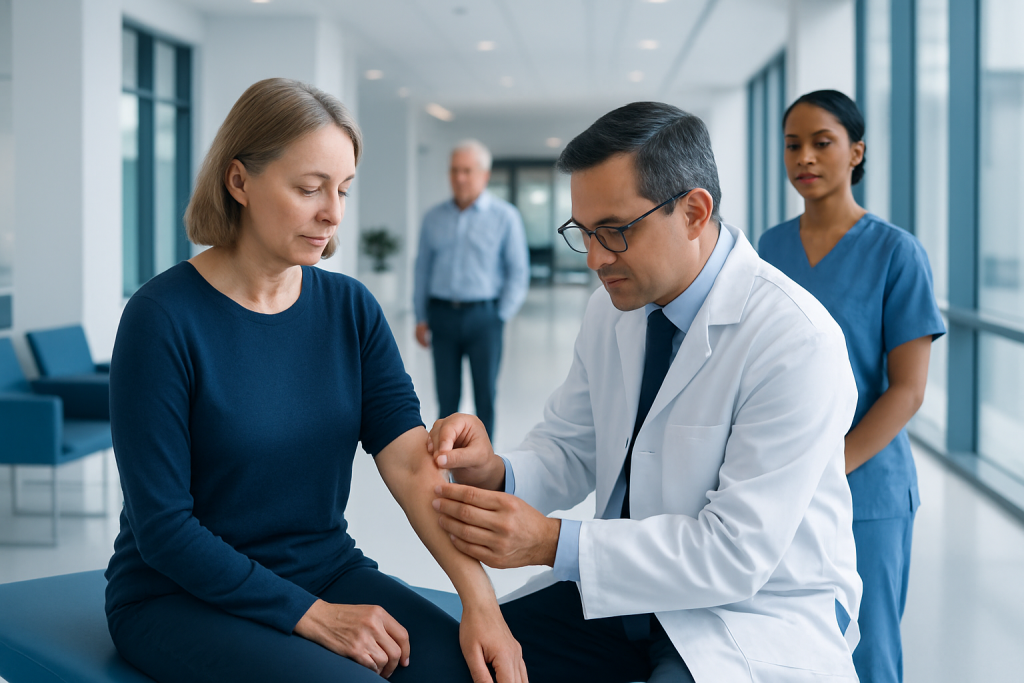
A biopsy test may use a needle, endoscope, small skin sample or surgery, depending on the area being examined. Most biopsies are outpatient procedures performed with local anesthesia, sedation or, less commonly, general anesthesia.
Key Takeaways
- A biopsy test may use a needle, endoscope, small skin sample or surgery, depending on the area being examined.
- Most biopsies are outpatient procedures performed with local anesthesia, sedation or, less commonly, general anesthesia.
- Recovery is often brief, but activity limits and wound care depend on the biopsy site and technique.
- Results commonly take several days to two weeks because samples may need detailed processing and specialist review.
- Bleeding, infection and discomfort are uncommon but important possible risks; patients should follow their care team's instructions.
A biopsy test is a procedure that collects a small sample of cells or tissue so it can be examined under a microscope or tested in a laboratory. It can help clarify the cause of an abnormal scan, lump, rash, organ change or laboratory finding, and it does not automatically mean cancer is suspected or present.
Overview: what is a biopsy test?
A biopsy test removes a small sample of tissue, cells or fluid from an area of concern and sends it to a pathology laboratory. A pathologist, a doctor trained in diagnosing disease from samples, examines the material using a microscope and may order additional tests. This can help identify cancer, noncancerous growths, infection, inflammation, autoimmune disease, or other tissue changes.
A biopsy is often recommended after a symptom, physical examination, blood test or imaging study shows something that needs closer assessment. It is usually the most reliable way to determine exactly what a suspicious area is. However, having a biopsy does not mean that a person has cancer; many biopsy findings are benign or related to inflammation, infection or normal tissue variation.
The method is selected according to the body area, the size and location of the abnormality, and the information needed. Common approaches include needle biopsies of the breast, thyroid, lymph nodes or organs; skin biopsies; endoscopic biopsies from the digestive or respiratory tract; and surgical biopsies when a larger or deeper sample is required.
How a biopsy works and who may need one
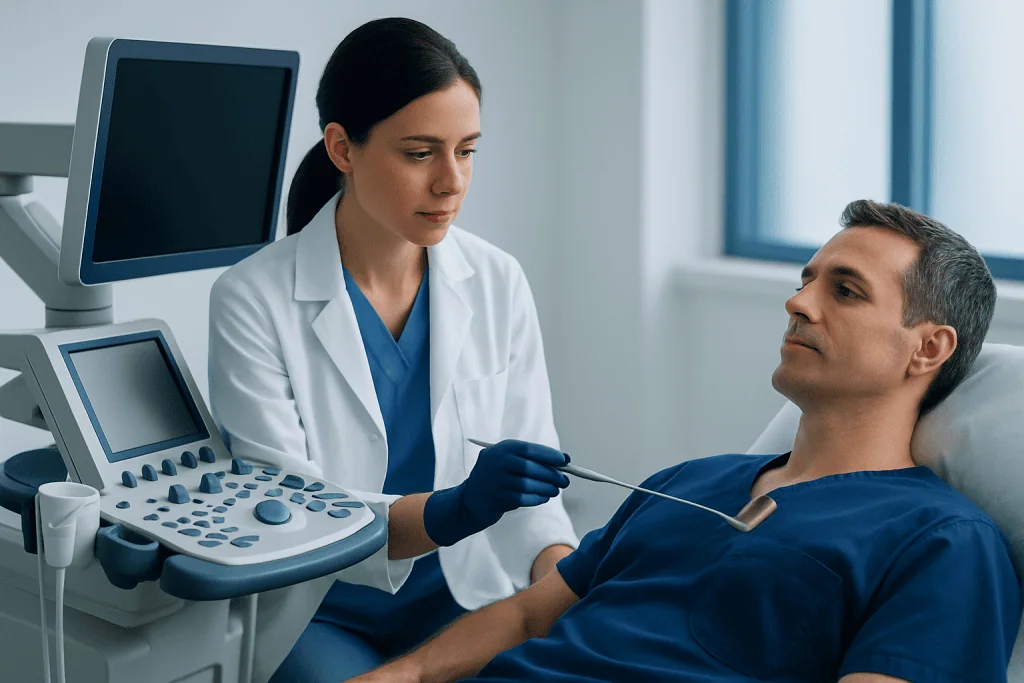
The purpose of a biopsy test is to obtain a representative sample while minimizing harm to surrounding tissue. Imaging such as ultrasound, computed tomography (CT), magnetic resonance imaging (MRI) or mammography may guide a needle precisely to an area that cannot be safely felt from outside the body. For some examinations, a flexible camera called an endoscope is used to view the inside of an organ and collect a small tissue sample.
Clinicians may recommend a biopsy for a persistent lump, an unusual mole or skin lesion, unexplained swelling, an abnormal screening result, changes seen on an imaging scan, or ongoing symptoms such as bleeding or inflammation. In cancer care, a biopsy may identify the type of tumor and provide information that helps clinicians plan treatment. It may also be used to monitor some chronic conditions or evaluate a transplanted organ.
Before recommending the procedure, the care team considers whether a biopsy is likely to change diagnosis or treatment. They also review the person’s medical history, medications, allergies, bleeding risk, pregnancy status where relevant, and ability to lie still or receive sedation. Alternative tests may sometimes be appropriate, but imaging alone cannot always establish a definite diagnosis.
Biopsy procedure: what happens step by step
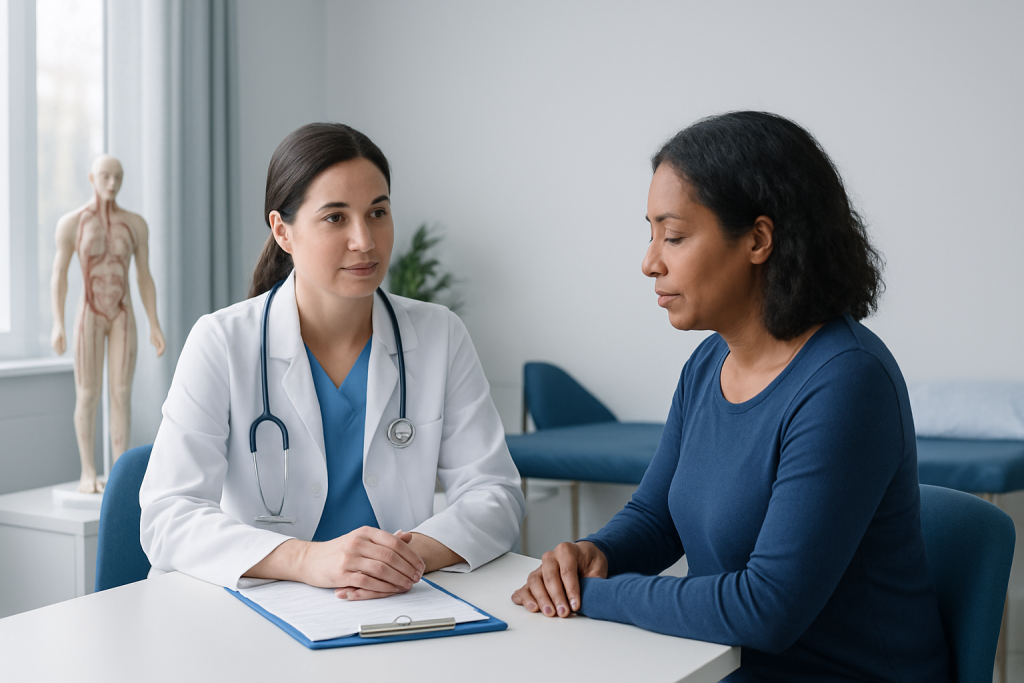
Preparation depends on the biopsy type. Patients may be asked to stop or adjust certain medicines that affect bleeding, but they should never stop prescribed blood thinners, antiplatelet medicines or diabetes medicines without instructions from the clinician who manages them. Some biopsies require fasting for several hours if sedation or anesthesia will be used. Arranging transport home may be necessary after sedation.
At the appointment, the team confirms the procedure plan, explains benefits and risks, and asks for consent. The skin is cleaned, and local anesthetic is commonly injected to numb the area. During a needle biopsy, the clinician makes a tiny skin opening if needed and uses a fine or core needle to collect one or more samples. Pressure is then applied, and a dressing is placed.
For an endoscopic biopsy, the clinician passes a thin flexible instrument through a natural opening, such as the mouth or rectum, often with sedation. Small instruments collect tissue during the examination. Surgical biopsies involve a larger incision and may remove part or all of a lesion; they may take place in an operating room depending on complexity.
Most samples are preserved and sent to pathology. The patient may receive preliminary recovery instructions before leaving. If the procedure involved sedation, the person should generally avoid driving, alcohol, important decisions and operating machinery until the effects have fully worn off, usually for the rest of that day.
Benefits, limitations and possible risks
The central benefit of a biopsy test is diagnostic clarity. A tissue sample can distinguish between conditions that may look similar on scans or during an examination. When cancer is found, laboratory analysis can often provide details about its origin and biological features, supporting individualized discussions about next steps.
A biopsy has limits. A small sample may not capture every feature of a larger abnormality, and occasionally the result is inconclusive or does not match imaging findings. In this situation, the doctor may recommend repeat sampling, a different technique, continued monitoring or removal of a larger sample. A result should always be interpreted alongside symptoms, examination findings and imaging.
Temporary tenderness, bruising and minor bleeding are relatively common after many biopsy procedures. Less common risks include infection, a larger collection of blood under the skin, reaction to anesthesia or sedation, and injury to nearby structures. Risks vary by location: for example, biopsies involving the lung, liver, kidney or deep organs require specific precautions and observation.
The team will explain the expected risks for the planned procedure and how they are reduced. Patients should tell the clinician about previous bleeding problems, implanted devices, allergies, all medicines and supplements, and any new illness before the appointment.
Recovery timeline and aftercare
Recovery after a biopsy varies by technique and body site. After a simple skin or needle biopsy with local anesthetic, many people return home the same day and can resume light daily activities within 24 hours. Soreness and bruising may last a few days. A deeper, endoscopic or surgical biopsy can require longer observation and a more gradual return to normal activities.
Written aftercare instructions should take priority because they are tailored to the procedure. In general, the dressing should be kept clean and dry for the time advised, and the site should not be rubbed or picked. Mild discomfort is often manageable with the pain relief recommended by the treating team. Ice packs may be suggested for some external biopsy sites to reduce swelling and bruising.
Strenuous exercise, heavy lifting, swimming and soaking in a bath may need to be avoided temporarily, particularly after a core needle, organ or surgical biopsy. The duration may range from a day or two to longer, depending on the biopsy site. Patients should ask specifically when they can return to work, sport, driving and sexual activity if these are relevant to their procedure.
Acibadem International’s multidisciplinary specialists and JCI-accredited hospitals diagnose and treat conditions requiring tissue assessment for international patients, with biopsy planning and aftercare tailored to the clinical situation.
When to seek medical care
Patients should contact their care team promptly if bleeding does not stop with firm pressure as instructed, if pain becomes severe or is worsening, or if the biopsy site becomes increasingly red, hot, swollen or produces pus. Fever, chills, fainting, shortness of breath, chest pain, new weakness, or other sudden concerning symptoms require urgent medical assessment.
After an internal organ biopsy, the team may provide additional warning signs specific to that procedure, such as worsening abdominal pain, dizziness, blood in urine or stool, or persistent vomiting. These symptoms do not always indicate a complication, but they should not be ignored. The safest course is to follow the discharge information and contact the treating service when uncertain.
A person should also arrange follow-up if symptoms that led to the biopsy continue or change, even if the biopsy result is benign. The doctor can review whether further examination, imaging or monitoring is needed.
Understanding biopsy results and next steps
Pathology reports may describe a sample as normal, benign, inflammatory, infectious, precancerous, suspicious, malignant or inconclusive. The wording can be technical, and a result is best discussed with the clinician who ordered the biopsy. They can explain what was sampled, how confident the result is, and whether it accounts for the original concern.
If a result identifies cancer or another significant condition, further scans, blood tests, specialist appointments or molecular laboratory tests may be recommended. These steps help determine the extent of a condition and guide care planning; they do not necessarily mean that a condition is advanced. When appropriate, care may involve pathology, radiology, surgery, oncology and other specialties.
If the result is benign but imaging or examination remains concerning, the clinician may recommend another biopsy or removal of the area. This careful approach helps ensure that the tissue result and the clinical picture agree. Patients can ask for a copy of their pathology report and bring questions to the results appointment.
Frequently asked questions
How long do I need to rest after a biopsy?
Many people need only a quiet day after a minor skin or needle biopsy and can return to light activities within 24 hours. More invasive biopsies, biopsies of internal organs, and procedures involving sedation may require a longer recovery period. The treating team’s instructions should be followed because the recommended rest period depends on the biopsy site and method.
What should you not do after a biopsy?
Patients should avoid activities their clinician has restricted, which may include heavy lifting, strenuous exercise, swimming, bathing or driving after sedation. They should not remove or wet the dressing before the advised time, and should not take medicines affecting bleeding unless their clinician has said they are safe. It is important to avoid alcohol, driving and important decisions for the remainder of the day after sedation.
What is the 2 week biopsy rule?
The “2 week biopsy rule” is not a universal medical rule. It is often used informally to describe a goal of receiving pathology results or arranging urgent assessment within about two weeks, particularly when cancer is a concern. Actual timing varies by healthcare system, biopsy type and whether additional laboratory testing is needed.
How long after a biopsy should you get the results?
Many routine biopsy results are available within several days to two weeks. Samples that need special staining, genetic or molecular tests, second review, or assessment by several specialists can take longer. The care team can provide the most accurate estimate and explain how the result will be communicated.
Is a biopsy test painful?
Local anesthetic is commonly used for needle and skin biopsies, so patients may feel a brief sting from the numbing injection and pressure during sampling rather than sharp pain. Mild soreness or bruising afterward is common. Sedation or anesthesia may be used for certain internal or surgical biopsies.
Can a biopsy spread cancer?
For standard diagnostic procedures, the risk of cancer spreading because of a biopsy is considered very low. Biopsies are widely used because the diagnostic value generally outweighs this rare risk. The clinician chooses the technique and needle path carefully to obtain a safe, useful sample.
References
- National Cancer Institute
- American Cancer Society
- Mayo Clinic
- National Health Service
- College of American Pathologists
This article is for general information only and is not a substitute for professional medical advice. Please consult a qualified doctor about your individual situation.
Oncology care in Turkey — second opinion and treatment plan
JCI-accredited · board-certified surgeons · reply within 24h
Add us as a Preferred Source to see more of our trusted health content across Google Search, AI Overviews and Discover.