Bipap — Explained by Medical Evidence, Not Myths
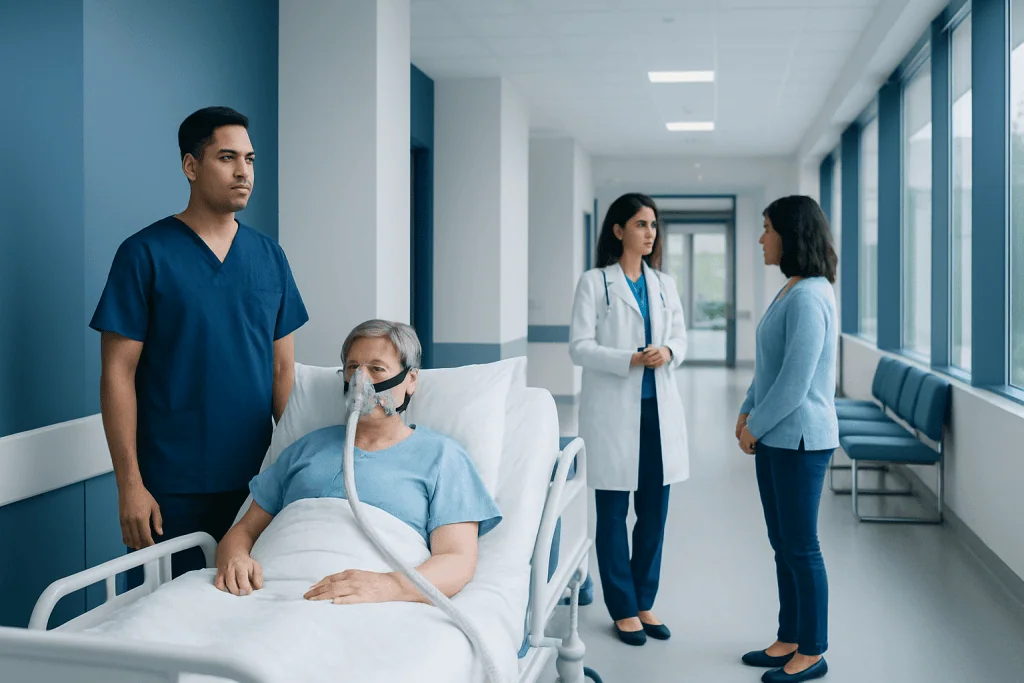
BiPAP helps breathing by delivering two different pressure levels for inhalation and exhalation. It is different from CPAP, which usually provides one continuous pressure level.
Key Takeaways
- BiPAP helps breathing by delivering two different pressure levels for inhalation and exhalation.
- It is different from CPAP, which usually provides one continuous pressure level.
- BiPAP may be used for sleep apnea, chronic lung disease, obesity hypoventilation, and some neuromuscular disorders.
- A proper diagnosis and professional mask fitting improve comfort, safety, and effectiveness.
- Common side effects such as dryness, bloating, or mask discomfort can often be managed with simple adjustments.
- Urgent medical assessment is needed if breathing becomes severely difficult, lips turn blue, or confusion develops.
BiPAP is a type of noninvasive breathing support that uses two air-pressure levels: a higher pressure for breathing in and a lower pressure for breathing out. It is commonly used for certain sleep-related breathing problems and some lung or neuromuscular conditions when extra support is needed.
What BiPAP Is and Why It Is Used
BiPAP, short for bilevel positive airway pressure, is a machine that supports breathing without the need for an invasive breathing tube. It pushes air through a mask and provides two pressure settings: a higher pressure during inhalation and a lower pressure during exhalation. This difference can make breathing feel easier for people who need support moving air in and out of the lungs.
BiPAP is not a disease and not a cure by itself. It is a treatment tool used when a clinician identifies a breathing pattern that may improve with pressure support. For some people, that may be during sleep, such as in selected cases of sleep-disordered breathing. For others, it may be used during an illness flare-up, after surgery, or in long-term conditions that weaken breathing muscles or reduce the body’s ability to exchange oxygen and carbon dioxide effectively.
One reason BiPAP is widely discussed is that it is often confused with CPAP. CPAP uses one continuous pressure, while BiPAP uses two levels. That difference matters because some people tolerate exhaling better with a lower pressure, and some medical conditions respond better to bilevel support than to a single pressure setting.
How BiPAP Works in the Body
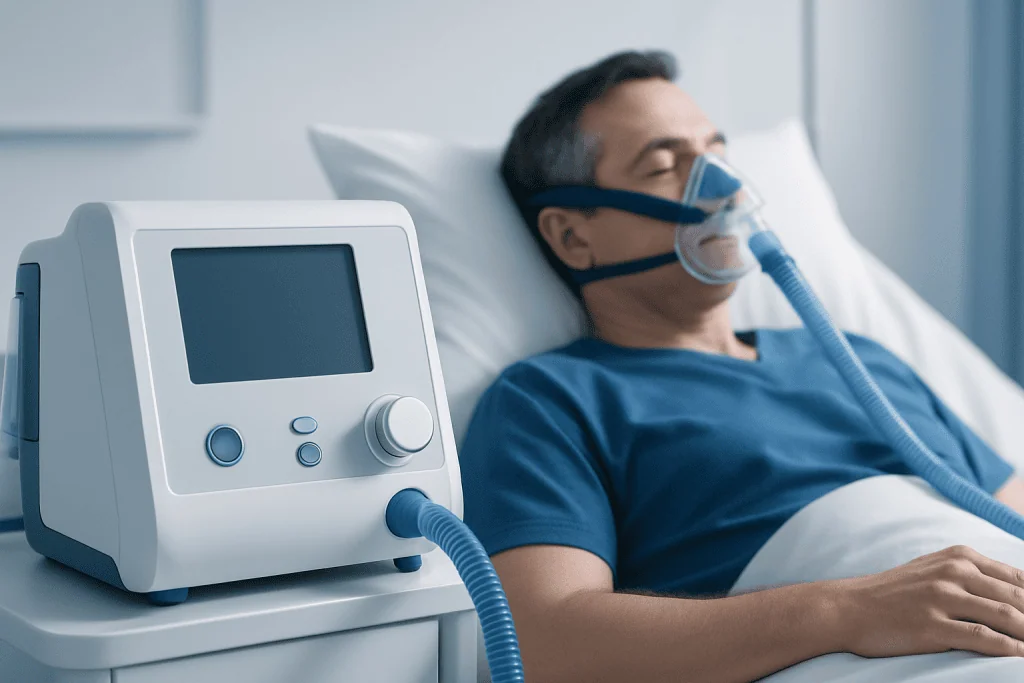
When breathing becomes shallow, labored, or interrupted during sleep, the body may not get enough oxygen or may retain too much carbon dioxide. BiPAP helps by keeping the airways and lungs better supported. The higher inspiratory pressure assists the breath in, while the lower expiratory pressure reduces the effort needed to breathe out.
This support can reduce the work of breathing and improve ventilation. In practical terms, it may help a person take deeper, more effective breaths. That can be especially helpful in conditions where breathing muscles are tired, airflow is limited, or the airway repeatedly collapses during sleep.
Many modern devices also include additional features such as humidification, ramp settings that start with gentler pressure, and data tracking that helps clinicians evaluate use and effectiveness. These features do not replace medical assessment, but they can improve comfort and help fine-tune treatment over time.
BiPAP is usually delivered through a nasal mask, full-face mask, or sometimes nasal pillows. The best option depends on facial structure, sleep habits, pressure needs, mouth breathing, and personal comfort.
Who May Need BiPAP
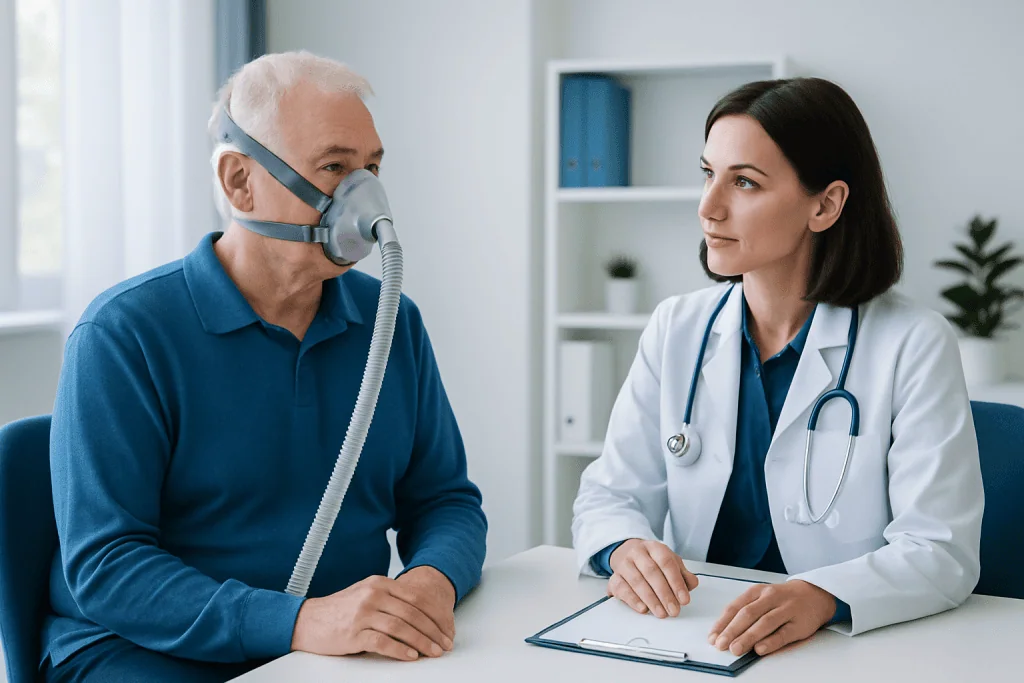
BiPAP may be recommended for a range of situations, but it is not right for everyone. A healthcare professional considers symptoms, medical history, blood oxygen and carbon dioxide levels, sleep study results, and the underlying condition before deciding whether bilevel support is appropriate.
Common reasons a clinician may prescribe BiPAP include:
- Obstructive sleep apnea when CPAP is not tolerated or does not adequately address breathing patterns
- Central sleep apnea or more complex forms of sleep-disordered breathing in selected patients
- Chronic obstructive pulmonary disease, especially in some people with carbon dioxide retention
- Obesity hypoventilation syndrome
- Neuromuscular disorders that weaken breathing muscles
- Temporary breathing support during certain acute illnesses under close medical supervision
BiPAP is sometimes discussed alongside sleep apnea because some patients with sleep-related breathing disorders benefit from bilevel pressure rather than single-pressure support. It may also be considered in broader respiratory care plans that include chronic obstructive pulmonary disease management when ventilation support is needed.
Because the reasons for using BiPAP vary, a person should not start, stop, or change settings without medical guidance. Pressure that is too low may not help, while pressure that is too high can cause discomfort or other problems.
Symptoms and Clues That May Lead to Evaluation
People are often evaluated for BiPAP because of symptoms rather than because they know they need a specific machine. Common clues include loud snoring, witnessed pauses in breathing during sleep, waking up gasping, daytime sleepiness, morning headaches, poor concentration, and unrefreshing sleep. These symptoms may suggest a sleep-related breathing disorder, but testing is needed to confirm the cause.
In chronic lung or neuromuscular conditions, signs may look different. A person may feel short of breath when lying flat, wake frequently at night, feel unusually fatigued, or develop headaches in the morning due to overnight carbon dioxide retention. Family members sometimes notice restless sleep, shallow breathing, or unusual daytime drowsiness before the patient does.
During an acute breathing problem, warning signs can include fast breathing, use of neck or chest muscles to breathe, difficulty speaking full sentences, bluish lips, or confusion. These are not signs to self-treat at home with internet advice. They need prompt clinical assessment.
Evaluation may involve a sleep study, pulse oximetry, lung function testing, arterial or venous blood gas measurements, and a physical examination. These tests help show whether the issue is airway obstruction, poor ventilation, or another cause.
BiPAP vs CPAP: Clearing Up a Common Myth
A frequent myth is that BiPAP is simply a “stronger” version of CPAP. That is not quite accurate. The main difference is not that one is universally better than the other, but that they deliver pressure differently. CPAP provides one continuous pressure, while BiPAP provides separate inspiratory and expiratory pressures.
For many people with uncomplicated obstructive sleep apnea, CPAP works very well and remains a standard first option. BiPAP may be considered if a person has trouble exhaling against continuous pressure, requires higher pressure support, or has a condition in which ventilation support is important in addition to airway splinting.
Another myth is that using BiPAP means a person has “severe lung failure.” In reality, BiPAP is used across a wide range of situations, from chronic nighttime support to short-term treatment during illness. Its use depends on the pattern of breathing difficulty, not on a single label.
It is also a misconception that home machines can be chosen based on preference alone. The right device type, settings, and mask depend on the diagnosis. In some patients, a formal sleep study is needed to determine whether CPAP, BiPAP, or another therapy is the safest and most effective choice.
Diagnosis, Setup, and What Treatment Involves
Before BiPAP is prescribed, clinicians aim to understand why breathing support is needed. Diagnosis may involve a review of symptoms, examination, sleep testing, lung imaging in selected cases, lung function tests, and measurements of oxygen or carbon dioxide. In sleep-related cases, an overnight study can help identify the type of breathing disturbance and guide treatment planning.
Once BiPAP is recommended, setup includes choosing a device, selecting a mask, adjusting pressure settings, and teaching the patient how to use and clean the equipment. A good mask fit matters. A mask that leaks too much can reduce effectiveness and disturb sleep, while a mask that is too tight may cause skin irritation or pressure marks.
Follow-up is an important part of successful treatment. Clinicians may review symptom changes, device data, and sometimes repeat tests to check whether breathing has improved. If dryness, claustrophobia, aerophagia, or discomfort occurs, the team may adjust the mask style, humidification, pressure settings, or bedtime routine rather than abandoning therapy too early.
When a broader respiratory evaluation is needed, the care plan may include tests such as pulmonary function tests to better understand the lungs and breathing muscles. In selected complex cases, care from specialists in sleep medicine, pulmonology, neurology, or critical care may be appropriate.
Benefits, Side Effects, and Everyday Self-care
When BiPAP is used for the right indication, possible benefits can include easier breathing, improved sleep quality, lower work of breathing, better overnight ventilation, and reduced daytime fatigue or morning headaches. In some patients, it can also help avoid more invasive breathing support during monitored treatment of acute respiratory problems.
Like any treatment, BiPAP can have side effects. Common issues include a dry nose or mouth, skin irritation, eye irritation from air leaks, bloating from swallowed air, nasal congestion, and discomfort with pressure or the mask. These problems are often manageable, especially when they are discussed early with the care team.
Helpful self-care measures may include keeping the mask and tubing clean, using a humidifier if recommended, replacing worn mask cushions, checking for leaks, and using the device consistently as prescribed. People should avoid making pressure changes on their own unless instructed by a clinician.
If a person has persistent poor tolerance, it does not always mean the treatment has failed. Reassessment can help identify whether the issue is mask fit, pressure settings, nasal blockage, anxiety, or a diagnosis that needs refinement. At centers with multidisciplinary respiratory services, including Acibadem International, JCI-accredited hospitals and specialists evaluate and treat patients who may need therapies such as noninvasive ventilation as part of a broader care plan.
When to Seek Medical Care
Medical advice is appropriate if a person has ongoing loud snoring, witnessed pauses in breathing, excessive daytime sleepiness, morning headaches, or unexplained fatigue. These symptoms can have several causes, but they deserve evaluation, especially if they affect daily life, driving safety, or heart and lung health.
Prompt medical assessment is important if someone using BiPAP cannot tolerate the mask, feels the settings are not helping, develops frequent nosebleeds or skin breakdown, or continues to have severe sleepiness or breathlessness despite treatment. Device and mask problems are common and often correctable, but they should not be ignored.
Urgent care is needed for severe shortness of breath, chest pain, bluish lips, new confusion, inability to stay awake, or rapid worsening of breathing. These symptoms may signal a medical emergency. A person should seek immediate professional help rather than trying to solve the problem by adjusting the machine at home.
Frequently asked questions
What does BiPAP stand for?
BiPAP stands for bilevel positive airway pressure. It is a form of noninvasive ventilation that delivers a higher pressure when breathing in and a lower pressure when breathing out.
Is BiPAP the same as CPAP?
No. CPAP usually delivers one continuous pressure, while BiPAP delivers two pressure levels. A doctor chooses between them based on the patient’s diagnosis, symptoms, and comfort with therapy.
Who commonly uses a BiPAP machine?
BiPAP may be used by people with certain sleep-related breathing disorders, chronic lung disease, obesity hypoventilation, or neuromuscular conditions that affect breathing. It can also be used temporarily in some acute care settings under medical supervision.
Can BiPAP help with sleep apnea?
Yes, in selected cases. Some people with sleep apnea benefit from BiPAP, especially if CPAP is not well tolerated or if there are more complex breathing patterns that need a different type of pressure support.
What are the most common side effects of BiPAP?
Common side effects include nasal or mouth dryness, mask discomfort, skin irritation, air leaks, and bloating from swallowed air. Many of these issues improve with mask refitting, humidification, or machine adjustments recommended by a clinician.
Can someone start using BiPAP without testing?
BiPAP should not usually be started without medical evaluation. The underlying cause of breathing difficulty matters, and proper testing helps determine whether BiPAP is appropriate and what settings are safe.
This article is for general information only and is not a substitute for professional medical advice. Please consult a qualified doctor about your individual situation.
Explore treatments in Turkey — costs, top hospitals & a free quote
JCI-accredited · board-certified surgeons · reply within 24h
Add us as a Preferred Source to see more of our trusted health content across Google Search, AI Overviews and Discover.

More from the Health Library

Aspartame: A Complete Medical Overview

Rapid Cycling Bipolar: What Patients Need to Know
Foul Taste in the Mouth: A Complete Medical Overview
Baby’s Eyelid Red — Explained by Medical Evidence, Not Myths

Physical Health Definition: What It Includes and How to Measure It