

Bipap vs cpap: How to Tell the Difference and When It Matters
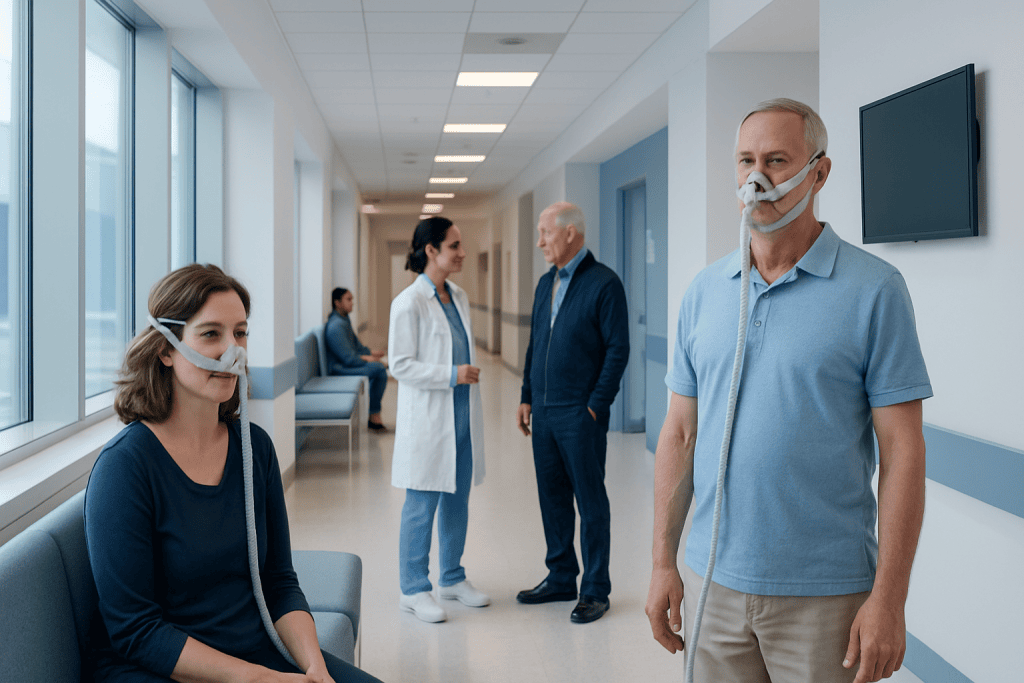
CPAP uses one constant pressure; BiPAP uses two pressure levels for inhalation and exhalation. CPAP is commonly used for obstructive sleep apnea, especially when a single pressure is enough to keep the airway open.
Key Takeaways
- CPAP uses one constant pressure; BiPAP uses two pressure levels for inhalation and exhalation.
- CPAP is commonly used for obstructive sleep apnea, especially when a single pressure is enough to keep the airway open.
- BiPAP may be considered when CPAP is not tolerated, higher pressures are needed, or added ventilatory support is required.
- A clinician tells them apart by looking at the underlying problem, sleep study results, breathing pattern, oxygen and carbon dioxide levels, and comfort with therapy.
- The right device should be selected and adjusted by a qualified clinician rather than chosen by preference alone.
BiPAP and CPAP are both noninvasive breathing support therapies, but they do not work the same way. CPAP delivers one continuous air pressure, while BiPAP provides a higher pressure when breathing in and a lower pressure when breathing out, which can matter for comfort, carbon dioxide clearance, and certain lung or neuromuscular conditions.
BiPAP vs CPAP at a glance
In simple terms, CPAP and BiPAP are both machines that send pressurized air through a mask to support breathing without surgery or intubation. The main difference is that CPAP provides one continuous pressure all the time, while BiPAP provides two pressures: a higher one during inhalation and a lower one during exhalation.
That difference matters because some people mainly need help keeping the upper airway open during sleep, while others also need support moving air in and out of the lungs. A clinician chooses between them based on the reason for treatment, the pressure needed, comfort, and whether there are signs of low ventilation such as carbon dioxide retention.
| Feature | CPAP | BiPAP |
|---|---|---|
| Pressure pattern | One steady pressure | Higher inhale pressure and lower exhale pressure |
| Main purpose | Keeps the airway open | Keeps the airway open and can assist ventilation |
| Common use | Obstructive sleep apnea | Complex sleep-related breathing problems, pressure intolerance, some lung or neuromuscular conditions |
| Breathing out | May feel harder at higher settings | Usually easier because exhalation pressure is lower |
| Monitoring needs | Often based on sleep study and symptom response | May also require closer review of gas exchange and breathing pattern |
Although people often ask which machine is “better,” the more accurate question is which one matches the medical problem. For many patients with straightforward sleep apnea, CPAP is effective. BiPAP is usually reserved for specific situations where two pressure levels or additional breathing support are clinically useful.
How a clinician tells them apart
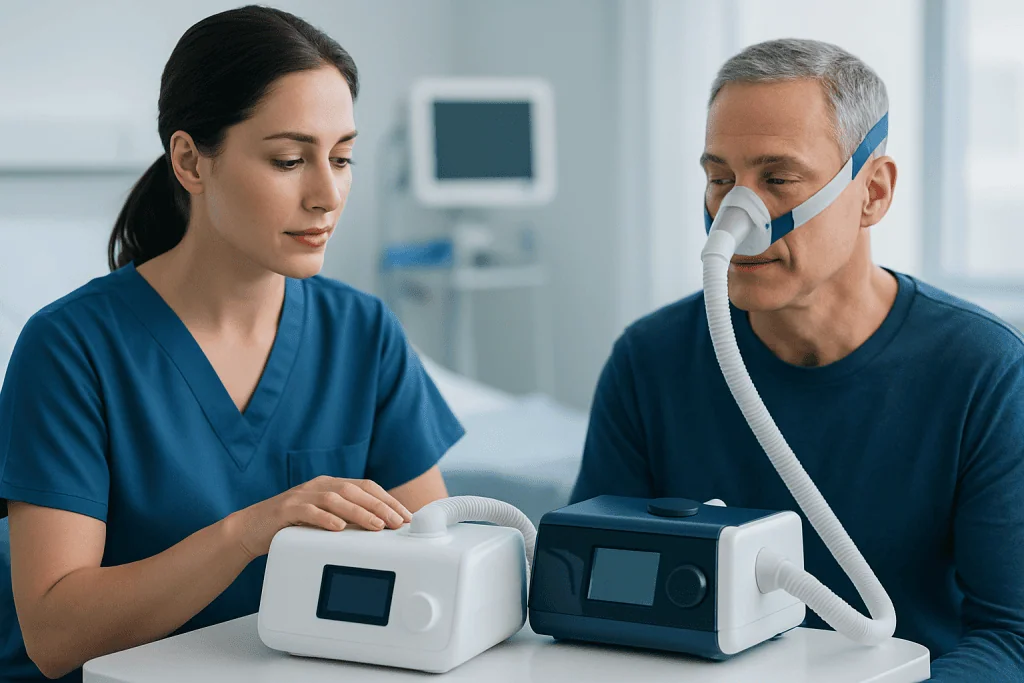
Doctors do not usually decide between BiPAP and CPAP by machine features alone. They begin with the diagnosis. If the main issue is obstructive sleep apnea, the first-line option is often CPAP because it can splint the airway open with a single continuous pressure. If the person struggles to exhale against pressure, needs unusually high pressure settings, or has another condition affecting breathing, BiPAP may be considered.
Testing also helps guide the choice. A sleep study can show whether breathing events are obstructive, central, or mixed, and whether oxygen levels fall during sleep. In some cases, clinicians also assess daytime symptoms, blood oxygen, and carbon dioxide levels to see whether there is hypoventilation. This matters because BiPAP can support ventilation more directly than CPAP.
Comfort and adherence are also important. A therapy only works if the person can use it consistently. If a patient repeatedly removes a CPAP mask, feels uncomfortable at high pressure, or remains sleepy despite treatment, the care team may reassess the diagnosis, pressure settings, mask fit, humidification, and whether a different mode such as BiPAP would better match the patient’s needs.
When CPAP is usually used
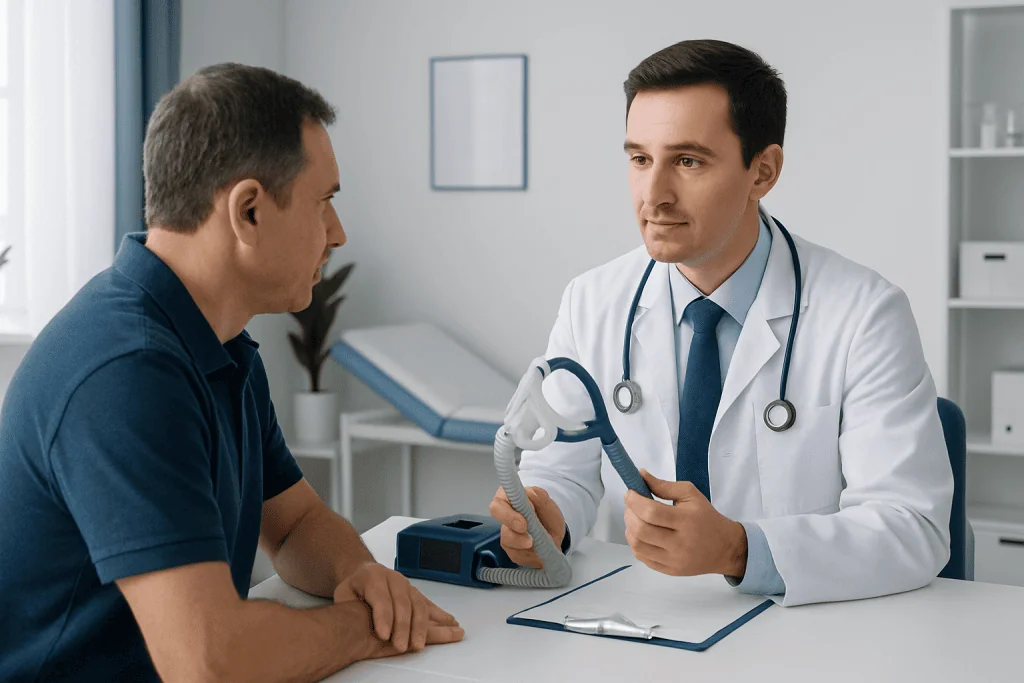
CPAP is most commonly used for obstructive sleep apnea. In this condition, the throat tissues relax during sleep and temporarily block airflow. The steady pressure from CPAP acts like an air splint that helps keep the airway from collapsing. For many adults with uncomplicated obstructive sleep apnea, this approach is effective and well studied.
CPAP may also be easier to set up and monitor in straightforward cases because there is one main pressure to optimize. During a sleep study or follow-up, clinicians look at how well that pressure reduces breathing interruptions, snoring, drops in oxygen, and daytime symptoms such as sleepiness or unrefreshing sleep.
When CPAP is prescribed, success often depends on careful mask fitting, gradual adjustment to the device, and managing side effects. Dry nose, mouth leak, skin irritation, or a feeling of pressure can often be improved with humidification, trying a different mask style, or adjusting settings under medical guidance. Some patients who struggle with CPAP do not necessarily need BiPAP; they may instead benefit from better fitting, education, or a repeat review of the original diagnosis.
When BiPAP may matter more
BiPAP may be more helpful when breathing out against a single high pressure feels difficult, or when a person needs more than airway splinting alone. Because the exhalation pressure is lower than the inhalation pressure, many patients find it easier to breathe with BiPAP when higher pressure support is required. This difference can improve comfort and sometimes increase the ability to use therapy for the full night.
BiPAP is also used in some people with hypoventilation, certain chronic lung diseases, or neuromuscular weakness, where the problem is not only airway collapse but inadequate ventilation. In these settings, the two-pressure system can help move more air with each breath. Depending on the machine mode, BiPAP may also provide a backup breathing rate if breathing becomes too slow or pauses occur.
Examples of situations where a clinician may think about BiPAP include persistent intolerance of high-pressure CPAP, obesity hypoventilation syndrome, selected cases of central sleep-disordered breathing, and some chronic respiratory conditions. Evaluation is individualized, and a clinician may combine sleep testing with pulmonary assessment or respiratory function testing to understand the full picture.
How diagnosis and follow-up guide the choice
The decision between CPAP and BiPAP usually starts with a medical history and symptom review. Important clues include loud snoring, witnessed pauses in breathing, morning headaches, daytime sleepiness, waking up short of breath, and symptoms of chronic lung or neuromuscular disease. Doctors also ask about weight changes, nasal blockage, medication use, heart disease, and previous difficulty tolerating positive airway pressure.
Sleep testing is often central to the diagnosis. A clinician may recommend a home sleep apnea test or an in-laboratory sleep study depending on the person’s history and the suspected disorder. In more complex cases, additional tests may help, including oxygen monitoring, arterial or venous blood gas testing, chest imaging, or detailed lung evaluation. Some patients may also need formal sleep study polysomnography to determine the safest and most effective settings.
Follow-up is just as important as the initial prescription. Downloaded device data, symptom improvement, mask leak, residual breathing events, and comfort all help the care team fine-tune treatment. A person who is still tired, wakes frequently, or cannot use the machine long enough may need pressure adjustment, a different interface, treatment of nasal symptoms, or reassessment for another sleep or respiratory disorder.
What to do if you use one of these devices
For patients already using CPAP or BiPAP, the most helpful step is to use the machine exactly as prescribed and report any problems early. It is common to need small adjustments in mask style, humidity, ramp settings, or pressure comfort features. Stopping therapy without medical advice can allow symptoms to return and may reduce the benefits of treatment.
If CPAP feels hard to tolerate, it is reasonable to ask why before assuming a different machine is needed. Common reasons include poor mask fit, mouth breathing, nasal congestion, dryness, claustrophobia, or pressure that needs adjustment. Many of these issues can be solved without changing from CPAP to BiPAP.
If BiPAP has been recommended, patients should understand that it is typically chosen for a clinical reason rather than convenience alone. Regular follow-up helps confirm that the settings are improving breathing and sleep quality. In some cases, care may involve both sleep medicine and pulmonology teams, especially when there is concern for chronic respiratory disease such as COPD.
General self-care can support either therapy:
- Use the machine consistently, including naps if advised.
- Clean the mask, tubing, and humidifier as instructed.
- Replace worn supplies on schedule.
- Discuss persistent nasal symptoms, dryness, or skin irritation with the care team.
- Support overall sleep health with regular sleep times, limited alcohol before bed, and weight management where appropriate.
When to seek medical care
A person should speak with a qualified doctor if they have symptoms of sleep-disordered breathing, such as loud habitual snoring, witnessed breathing pauses, gasping during sleep, excessive daytime sleepiness, morning headaches, or trouble concentrating. Medical review is also important if there is known heart disease, chronic lung disease, neuromuscular illness, or obesity with unexplained fatigue or shortness of breath, because these factors can change which therapy is most appropriate.
Prompt medical attention is needed if there is severe shortness of breath, bluish lips, confusion, chest pain, or marked daytime drowsiness that affects safety, such as while driving. Anyone already using CPAP or BiPAP should seek review if symptoms are worsening, the machine feels intolerable, or there are signs that treatment is not working.
At specialized centers, evaluation may involve sleep physicians, pulmonologists, ENT specialists, and respiratory therapists. Acibadem International’s multidisciplinary specialists in JCI-accredited hospitals diagnose and treat sleep-related breathing disorders for international patients, including assessment with bronchoscopy or other tests when another airway or lung problem is suspected.
Frequently asked questions
Is BiPAP the same as CPAP?
No. CPAP delivers one continuous pressure, while BiPAP delivers a higher pressure during inhalation and a lower pressure during exhalation. Both are forms of noninvasive positive airway pressure, but they are used for different clinical reasons.
Which is better for sleep apnea, BiPAP or CPAP?
For many people with uncomplicated obstructive sleep apnea, CPAP is the usual first treatment. BiPAP may be more appropriate if CPAP is not tolerated, higher pressures are needed, or there is another breathing problem that requires added ventilatory support. The best choice depends on the diagnosis and test results.
Why would someone be switched from CPAP to BiPAP?
A switch may be considered if the person cannot comfortably exhale against CPAP, needs very high pressures, or has ongoing symptoms despite good use. It may also be recommended when there are signs of hypoventilation or another lung, chest wall, or neuromuscular condition affecting breathing.
Can BiPAP help remove carbon dioxide better than CPAP?
In some situations, yes. Because BiPAP provides separate inspiratory and expiratory pressures, it can offer more ventilatory support than CPAP and may help in conditions where carbon dioxide retention is a concern. This should be assessed and monitored by a clinician.
Is BiPAP only for severe disease?
Not necessarily. BiPAP is not defined only by severity; it is chosen when the breathing pattern or underlying condition suggests that two pressures are more suitable than one. Some people with moderate sleep-related breathing problems may still need BiPAP, while some with severe obstructive sleep apnea do well on CPAP.
Can a person choose BiPAP instead of CPAP for comfort?
Comfort matters, but the device should still match the medical need. If CPAP feels uncomfortable, a doctor may first adjust mask fit, humidity, or pressure settings before changing therapies. A switch to BiPAP is usually based on both symptoms and clinical findings.
References
- American Academy of Sleep Medicine
- National Heart, Lung, and Blood Institute
- American Thoracic Society
- Centers for Disease Control and Prevention
- National Institute for Health and Care Excellence
This article is for general information only and is not a substitute for professional medical advice. Please consult a qualified doctor about your individual situation.
Explore treatments in Turkey — costs, top hospitals & a free quote
JCI-accredited · board-certified surgeons · reply within 24h
Add us as a Preferred Source to see more of our trusted health content across Google Search, AI Overviews and Discover.

More from the Health Library



Related Specialists

Prof. Dr. İbrahim Tuncay
Orthopedic Surgery & Traumatology
Dr. Birgül Çabuk
Radiology
Assoc. Prof. Dr. Abdülhak Hamit Karayağız
General Surgery
Assoc. Prof. Dr. Mustafa Emir Tavşanlı
Neurology