Black Eyed Peas Nutrition: Benefits, Risks, and Safe Use

Black eyed peas are a nutrient-dense legume that can support heart, digestive, and metabolic health as part of a balanced eating pattern. They are a source of fiber, plant protein, folate, iron, magnesium, and potassium, but exact nutrition varies by serving size and preparation.
Key Takeaways
- Black eyed peas are a nutrient-dense legume that can support heart, digestive, and metabolic health as part of a balanced eating pattern.
- They are a source of fiber, plant protein, folate, iron, magnesium, and potassium, but exact nutrition varies by serving size and preparation.
- Evidence supports black eyed peas as a healthy food, but they are not a treatment for any disease on their own.
- Some people may develop gas, bloating, or discomfort, especially if they increase legume intake quickly.
- People with kidney disease, irritable bowel symptoms, gout concerns, or food allergies may need individualized advice.
- Safer use includes rinsing canned products, soaking dried peas when appropriate, cooking thoroughly, and watching high-sodium additions.
Black eyed peas nutrition is generally favorable: they provide fiber, plant protein, folate, iron, potassium, and other nutrients that can support a balanced diet. However, their health effects depend on portion size, preparation, the rest of the meal, and individual medical conditions such as kidney disease, digestive sensitivity, or certain food allergies.
Overview: What Black Eyed Peas Nutrition Means
Black eyed peas are legumes, also called cowpeas, that are widely used in soups, salads, stews, and grain bowls. From a nutrition perspective, they are valued because they provide complex carbohydrates, fiber, plant protein, and a range of vitamins and minerals in a relatively low-fat food. For many people, this makes them a practical part of everyday meals.
When people ask about black eyed peas nutrition, the most accurate answer is that they are generally a healthy food rather than a special “superfood” or a substitute for medical treatment. Clinical nutrition research supports higher intake of legumes as part of balanced eating patterns linked with better heart health, improved fullness after meals, and healthier blood sugar response compared with more refined carbohydrate choices.
At the same time, not every claimed benefit is equally well proven. Black eyed peas can contribute useful nutrients, but they do not cure anemia, diabetes, high cholesterol, or digestive disease on their own. Their effects depend on the overall diet, how they are prepared, and individual health factors.
Nutritional Profile and Potential Health Benefits

Black eyed peas contain several nutrients that are relevant to general health. They are especially known for fiber and plant protein, which can support satiety and help make meals more filling. They also provide folate, iron, magnesium, potassium, and smaller amounts of other B vitamins and trace minerals.
Fiber is one of their most clinically meaningful features. Diets with adequate fiber are associated with healthier digestion, more regular bowel movements, and better support for cholesterol and blood sugar control. Because black eyed peas are absorbed more slowly than highly processed starches, they can fit well into meals designed around steady energy and balanced carbohydrate intake, including eating plans used for people with diabetes.
Plant protein is another advantage. Although legumes do not always provide the same amino acid balance as animal proteins, they can still contribute meaningfully to protein needs, especially when eaten with grains, vegetables, nuts, seeds, or modest amounts of animal protein. This can be useful for people trying to eat less red or processed meat while maintaining nutritional quality.
Black eyed peas may also support heart health indirectly when they replace foods high in saturated fat or highly refined carbohydrates. Their potassium and magnesium content can be helpful within a heart-conscious eating pattern, though people with certain kidney or cardiac conditions may need to monitor intake more carefully. If someone is following specialist dietary advice for high blood pressure, portion guidance should come from their clinician or dietitian.
What Evidence Supports—and Does Not Support
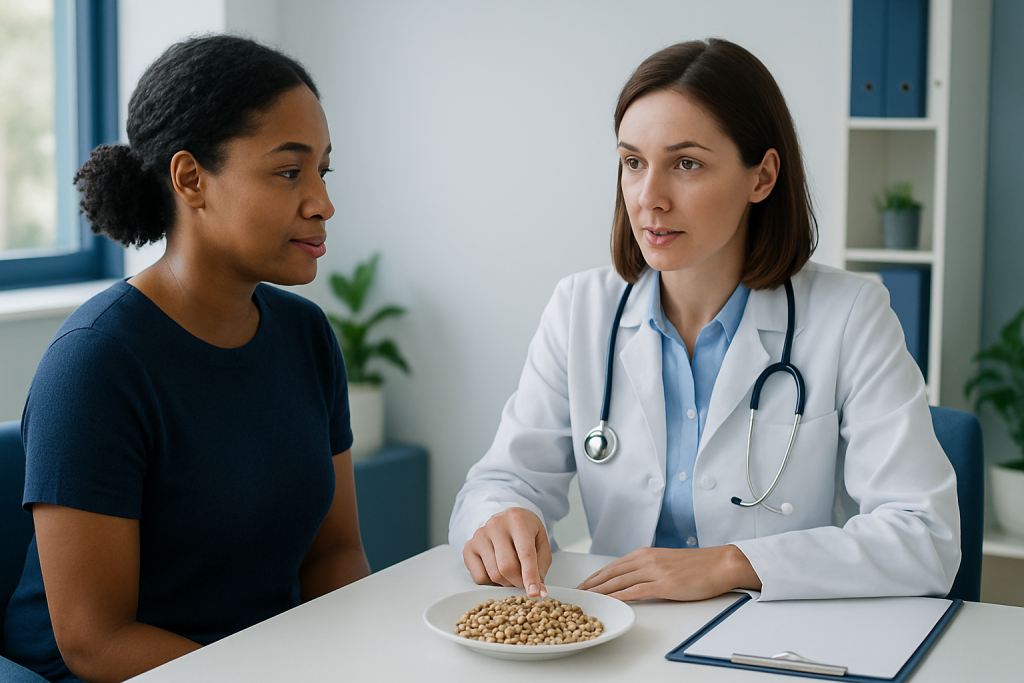
Evidence most strongly supports legumes, including black eyed peas, as part of overall dietary patterns associated with good health. Research has linked regular legume intake with better diet quality and favorable effects on fullness, digestive function, and cardiometabolic markers. These benefits are generally seen when legumes are eaten consistently as part of balanced meals, not as isolated remedies.
What is less certain is the idea that black eyed peas have unique disease-fighting effects beyond those expected from other beans, lentils, or peas. There is no strong evidence that they specifically detoxify the body, melt fat, reverse chronic disease, or replace prescribed treatment. Claims of dramatic or rapid health changes are not evidence-based.
They can be especially useful in practical nutrition because they are versatile and affordable, and they can help improve meal quality without requiring strict or extreme diets. In clinical counseling, foods like black eyed peas are often recommended not because they are miraculous, but because they are nutrient-dense, adaptable, and easier to include regularly than highly restrictive options.
How to Include Black Eyed Peas in a Balanced Diet
Black eyed peas can fit into many meal patterns, including Mediterranean-style, high-fiber, plant-forward, and mixed diets. They may be served as a side dish, added to soups, folded into salads, or combined with vegetables and whole grains. Pairing them with foods rich in vitamin C, such as tomatoes, peppers, or citrus, may help the body absorb plant-based iron more effectively.
Preparation matters. Dried black eyed peas should be sorted, rinsed, and cooked thoroughly until tender. Canned varieties can be convenient, but rinsing them may reduce some of the added sodium. Flavorings such as processed meats, excess salt, cream-heavy sauces, or large amounts of butter can change the overall nutritional profile significantly.
Portion size also influences their effects. A moderate serving is often easier to tolerate than a very large portion, particularly for people new to legumes. Combining black eyed peas with other whole foods may provide more balanced meals and steadier fullness than eating them with refined breads or sugary sauces alone.
For people who need structured nutritional support because of obesity, insulin resistance, or related metabolic concerns, dietary planning may be part of a broader care approach that sometimes includes obesity treatment planning under specialist supervision. Food choices should be individualized rather than based on one ingredient alone.
Risks, Side Effects, and Interactions
The most common side effects of black eyed peas are digestive. Because they contain fermentable carbohydrates and significant fiber, some people experience gas, bloating, cramping, or changes in bowel habits, especially when legumes are introduced quickly. Gradually increasing intake, drinking enough water, and choosing well-cooked legumes may improve tolerance.
Some people with irritable bowel symptoms may find black eyed peas harder to tolerate than others. The response can vary by portion size and preparation method. If bloating, pain, or diarrhea is frequent, a doctor or dietitian may assess whether symptoms relate to legumes, broader digestive conditions, or issues such as inflammatory bowel disease or food intolerance.
People with chronic kidney disease may need to pay closer attention to potassium, phosphorus, sodium, and total protein intake depending on the stage of disease and their lab results. In that setting, even healthy foods may need adjustment. A renal diet should not be changed substantially without medical guidance, and some patients may need coordinated assessment through services such as kidney disease treatment.
Allergy is uncommon but possible. As with other legumes, some individuals can develop allergic reactions ranging from mild itching to more serious symptoms. Black eyed peas may also matter for people monitoring purine intake because legumes can contribute to total purines, although they are not usually handled the same way as organ meats or certain seafood. Medication interactions are not usually direct, but dietary plans around diabetes, kidney disease, anticoagulation, or gastrointestinal disorders should still be reviewed with a clinician.
Who May Need Caution or Individual Advice
Most healthy adults and children can eat black eyed peas safely when they are properly cooked and included in normal portions. Still, certain groups may benefit from tailored advice. These include people with kidney disease, inflammatory bowel disease, irritable bowel syndrome, severe reflux or bloating, food allergies, and those on specialized therapeutic diets.
Individuals with diabetes may generally include black eyed peas, but the full meal still matters. A bowl of legumes prepared with sugary sauces, refined starches, or high-sodium processed meats has a different health impact than a balanced meal built with vegetables and lean protein. People using glucose-lowering medications should follow their clinician’s individualized plan rather than assuming any one food is automatically protective.
Pregnant people may find black eyed peas useful because of their folate and iron content, but they should not replace prenatal supplements when those are prescribed. People at risk of iron deficiency should also know that plant iron is absorbed less efficiently than iron from animal foods, so broader diet quality remains important.
For patients with complicated digestive or metabolic conditions, a personalized plan may include specialist nutritional assessment and, when needed, gastroenterology evaluation. Near the end of care planning, some international patients also seek multidisciplinary assessment at Acibadem International, where JCI-accredited hospitals diagnose and treat a wide range of digestive and metabolic conditions.
When to Seek Medical Care
Black eyed peas usually do not require medical attention, but symptoms after eating them should be taken seriously if they are severe or persistent. Medical advice is important if a person develops hives, facial swelling, wheezing, trouble breathing, faintness, severe vomiting, or other signs of an allergic reaction. These symptoms need urgent evaluation.
A doctor should also be consulted if black eyed peas repeatedly trigger marked abdominal pain, ongoing diarrhea, blood in the stool, unexplained weight loss, or worsening digestive symptoms. These features suggest that the issue may be more than simple food sensitivity. Persistent symptoms deserve assessment rather than repeated self-experimentation.
People with kidney disease, advanced heart failure, medically managed diabetes, or complex dietary restrictions should seek advice before making major changes in legume intake. This is especially relevant when nutrition plans are linked to medication adjustments or recent abnormal blood tests. Safe use is most reliable when it is based on the person’s broader health picture.
Frequently asked questions
Are black eyed peas healthy?
Yes, black eyed peas are generally considered a healthy food. They provide fiber, plant protein, folate, and minerals, and they can fit well into balanced eating patterns when prepared with reasonable amounts of salt and fat.
Can black eyed peas help with weight management?
They may help support weight management because fiber and protein can increase fullness after meals. However, they do not cause weight loss by themselves, and results depend on total diet, activity, sleep, and medical factors.
Do black eyed peas raise blood sugar?
Black eyed peas contain carbohydrates, so they do affect blood sugar, but their fiber and starch structure often lead to a steadier response than refined carbohydrate foods. Portion size and what they are eaten with still matter, especially for people with diabetes.
Why do black eyed peas cause gas or bloating?
Like many legumes, black eyed peas contain fiber and fermentable carbohydrates that gut bacteria break down, which can create gas. Starting with smaller portions, cooking them well, and increasing intake gradually may reduce discomfort.
Are canned black eyed peas as healthy as dried ones?
Canned black eyed peas can still be nutritious and are often a practical option. The main difference is that canned products may contain more sodium, so rinsing them and checking the label can be helpful.
Who should avoid or limit black eyed peas?
People with legume allergies should avoid them. Others who may need individualized advice include those with chronic kidney disease, significant digestive disorders, or medically prescribed diets that limit potassium, fiber, or certain carbohydrates.
This article is for general information only and is not a substitute for professional medical advice. Please consult a qualified doctor about your individual situation.
Explore treatments in Turkey — costs, top hospitals & a free quote
JCI-accredited · board-certified surgeons · reply within 24h
Add us as a Preferred Source to see more of our trusted health content across Google Search, AI Overviews and Discover.
Check your numbers in seconds
BMI, calories, due date, blood pressure and 30+ more clinical calculators — free, instant, doctor-reviewed ranges.

More from the Health Library

Lactase Enzyme Supplement for Lactose Intolerance: What the Clinical Research Actually Says

Benefits of Swimming: Evidence-Based Benefits, Risks, and Practical Guidance

Cortisol Detox Diet: Benefits, Risks, and Safe Use

Nutrient Dense Foods: What the Clinical Research Actually Says

Supplements for Leptin: Evidence-Based Benefits, Risks, and Practical Guidance