Blood Diseases: A Simple Guide to Common Types and Symptoms

Blood diseases can affect red blood cells, white blood cells, platelets, or clotting factors. Common warning signs include tiredness, frequent infections, easy bruising, unusual bleeding, and swollen lymph nodes.
Key Takeaways
- Blood diseases can affect red blood cells, white blood cells, platelets, or clotting factors.
- Common warning signs include tiredness, frequent infections, easy bruising, unusual bleeding, and swollen lymph nodes.
- Diagnosis often involves blood tests and, in some cases, bone marrow examination or imaging.
- Treatment depends on the specific disorder and may include medicines, transfusions, lifestyle support, or specialist care.
- Persistent symptoms or sudden bleeding, chest pain, or shortness of breath need prompt medical attention.
Blood diseases are conditions that affect blood cells, bone marrow, or the proteins that help blood clot. They range from common problems such as anemia to more complex disorders, and many can be managed well with timely diagnosis and treatment.
Overview of blood diseases
Blood diseases are a broad group of conditions that affect one or more parts of the blood. This includes red blood cells, which carry oxygen; white blood cells, which help fight infection; platelets, which help stop bleeding; and clotting factors, which support normal coagulation. Some blood diseases begin in the bone marrow, where blood cells are made.
These conditions may be inherited, meaning they are present from birth, or acquired later in life. Some are mild and found by chance during routine tests, while others cause noticeable symptoms or need long-term care. Common examples include anemia, blood clotting disorders, immune-related blood conditions, and blood cancers.
Many people hear the term “blood disease” and assume it always means cancer, but that is not the case. In fact, many blood disorders are non-cancerous and treatable. Understanding the type of blood problem involved can help patients know what symptoms to watch for and when to seek medical advice.
Common types of blood diseases
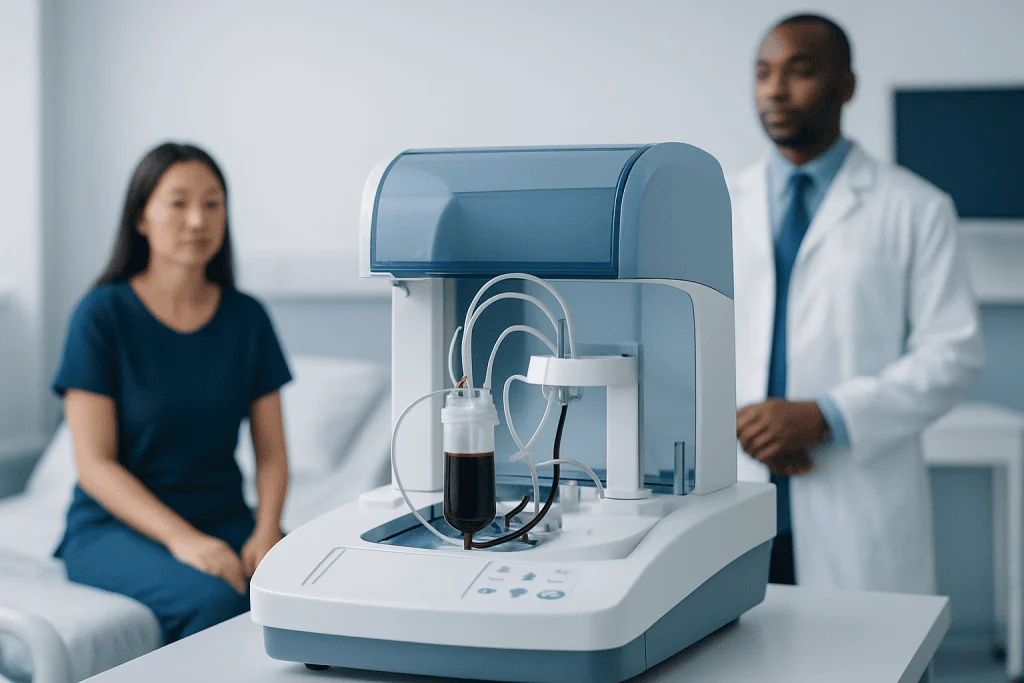
Doctors often group blood diseases by the part of the blood that is affected. Disorders of red blood cells include different forms of anemia, in which the body has too few healthy red blood cells or too little hemoglobin. This can reduce oxygen delivery to tissues and lead to tiredness, weakness, or shortness of breath. Some inherited disorders, such as sickle cell disease and thalassemia, also affect red blood cells.
White blood cell disorders can make it harder for the body to fight infection or can cause too many abnormal cells to be produced. These include some immune disorders and blood cancers such as leukemia. Platelet disorders and clotting disorders may lead to easy bruising, nosebleeds, heavy menstrual bleeding, or dangerous clots. Examples include immune thrombocytopenia, hemophilia, and deep vein clotting conditions.
Some blood diseases affect the bone marrow itself, where blood cells are made. Problems in the marrow can reduce normal cell production or cause abnormal cells to grow. This may be seen in conditions such as aplastic anemia, myelodysplastic syndromes, lymphoma involving the marrow, or multiple myeloma. Because there are many different types, diagnosis is important before treatment is planned.
- Red blood cell disorders: iron-deficiency anemia, sickle cell disease, thalassemia
- White blood cell disorders: neutropenia, leukemia, some immune deficiencies
- Platelet disorders: thrombocytopenia, platelet function disorders
- Clotting disorders: hemophilia, von Willebrand disease, thrombosis-related conditions
- Bone marrow disorders: aplastic anemia, myelodysplastic syndromes, myeloma
Symptoms and warning signs

Symptoms of blood diseases can vary widely depending on the type and severity of the problem. A red blood cell disorder often causes fatigue, pale skin, dizziness, headaches, cold hands and feet, or shortness of breath with activity. These symptoms may develop slowly, which can make them easy to overlook at first.
When white blood cells are affected, the body may become more vulnerable to infections. A person might notice frequent fevers, mouth sores, repeated sinus or chest infections, or wounds that heal slowly. Swollen lymph nodes, night sweats, or unexplained weight loss may also occur in some conditions and should be evaluated by a doctor.
Platelet and clotting problems can appear as easy bruising, frequent nosebleeds, bleeding gums, pinpoint red or purple spots on the skin, or unusually heavy menstrual periods. In other cases, the problem is too much clotting rather than too little, which may cause leg pain and swelling, chest pain, or sudden shortness of breath. Sudden severe symptoms need urgent medical care.
Causes and risk factors
Blood diseases can develop for many different reasons. Some are inherited through genes passed down in families. Others are linked to nutritional deficiencies, especially lack of iron, vitamin B12, or folate. Chronic illnesses, autoimmune diseases, kidney disease, liver disease, and some infections can also affect blood cell production or survival.
Certain medicines, chemotherapy, radiation exposure, toxins, and heavy alcohol use may damage bone marrow or change how blood cells function. Pregnancy, major surgery, long periods of immobility, and smoking can increase the risk of blood clots in some people. Age can also play a role, as some marrow disorders and blood cancers become more common later in life.
Family history, ethnicity, and personal medical history may help a doctor understand risk. For example, inherited conditions such as sickle cell disease or thalassemia are more common in some populations. Having a risk factor does not mean someone will develop a blood disease, but it may justify closer monitoring if symptoms appear.
How blood diseases are diagnosed
Diagnosis usually starts with a medical history and physical examination. The doctor asks about symptoms, family history, medicines, past illnesses, bleeding patterns, diet, and any recent infections or travel. During the examination, they may look for pallor, bruises, swollen lymph nodes, enlarged liver or spleen, or signs of clotting problems.
Blood tests are central to diagnosis. A complete blood count measures red cells, white cells, platelets, hemoglobin, and related values. Other tests may check iron levels, vitamin levels, kidney and liver function, inflammation, clotting, immune markers, or infection. A peripheral blood smear allows specialists to look at the shape and appearance of blood cells under a microscope.
If the cause remains unclear, more specialized tests may be needed. These can include hemoglobin analysis for inherited disorders, genetic testing, ultrasound or CT imaging, or a bone marrow aspiration and biopsy. In patients with suspected cancer-related blood disease, further assessment may guide planning for bone marrow transplant or other advanced therapies.
Treatment options
Treatment depends entirely on the specific diagnosis, the severity of symptoms, and the patient’s overall health. Some mild blood diseases only need monitoring and follow-up blood tests. Others improve with treatment of the underlying cause, such as iron supplements for iron-deficiency anemia or vitamin replacement when B12 or folate is low.
More complex disorders may require prescription medicines to reduce inflammation, calm an overactive immune system, stimulate blood cell production, prevent clotting, or replace missing clotting factors. Blood transfusions can help in some cases of severe anemia or active bleeding. People with infections related to low white blood cell counts may need antibiotics and supportive care.
When a blood disease is cancer-related, treatment may involve chemotherapy, targeted medicines, immunotherapy, radiation therapy, or stem cell-based treatment. In selected patients, hematology care is coordinated by specialists who tailor treatment to the exact disorder and response over time. The best plan is individual and should be discussed carefully with a qualified medical team.
Prevention and self-care
Not all blood diseases can be prevented, especially inherited conditions. However, some healthy habits can lower risk or support better disease control. Eating a balanced diet with enough iron, vitamin B12, folate, and protein helps maintain normal blood production. People who follow restricted diets or have digestive disorders may benefit from medical advice about testing for deficiencies.
Regular exercise, good hydration, and avoiding smoking can support circulation and overall health. During long travel or recovery after surgery, moving the legs, standing up regularly, and following a doctor’s advice can help reduce the risk of clots. Medicines should only be taken as directed, since some can affect bleeding or blood counts.
Patients already diagnosed with a blood disorder often benefit from routine follow-up and symptom tracking. It may help to note unusual bruising, bleeding, infections, or changes in energy level. Near the end of the care pathway, some international patients choose centers such as Acibadem International, where multidisciplinary specialists in JCI-accredited hospitals evaluate and treat blood conditions with coordinated support.
When to see a doctor
A person should arrange a medical evaluation if fatigue, repeated infections, easy bruising, or unusual bleeding continue without a clear reason. Ongoing pale skin, dizziness, swollen lymph nodes, unexplained fevers, or unintentional weight loss also deserve attention. These symptoms do not always mean a serious disease, but they should not be ignored.
Urgent care is important for heavy bleeding that does not stop, black or bloody stools, coughing blood, sudden severe shortness of breath, chest pain, fainting, or signs of a possible clot such as one-sided leg swelling and pain. These symptoms can indicate an emergency and need prompt assessment.
Early diagnosis often makes treatment simpler and more effective. Even when a blood disease is chronic, regular follow-up can help prevent complications and improve quality of life. A doctor can explain which tests are needed and whether referral to a blood specialist is appropriate.
Frequently asked questions
What are blood diseases?
Blood diseases are conditions that affect blood cells, bone marrow, or the proteins involved in clotting. They may involve red blood cells, white blood cells, platelets, or clotting factors, and they can be inherited or develop later in life.
What are the most common symptoms of blood diseases?
Common symptoms include fatigue, weakness, pale skin, frequent infections, easy bruising, and unusual bleeding. Some people also have swollen lymph nodes, shortness of breath, dizziness, or unexplained weight loss.
Does a blood disease always mean cancer?
No. Many blood diseases are not cancerous and include conditions such as anemia, hemophilia, or low platelet counts. Some blood diseases are cancers, but many others are manageable non-cancer conditions.
How are blood diseases diagnosed?
Diagnosis usually begins with a physical exam and blood tests such as a complete blood count. Depending on the findings, doctors may also use iron studies, clotting tests, genetic testing, imaging, or a bone marrow biopsy.
Can blood diseases be treated?
Yes, many blood diseases can be treated or well managed. Treatment may include dietary correction, medicines, transfusions, clotting factor replacement, infection treatment, or specialist therapies for more complex disorders.
Are blood diseases hereditary?
Some are hereditary, while others are acquired. Inherited examples include sickle cell disease, thalassemia, and hemophilia, whereas acquired conditions can result from deficiencies, autoimmune disease, infection, or bone marrow disorders.
When should someone seek urgent medical help?
Urgent medical care is needed for heavy bleeding, chest pain, severe shortness of breath, fainting, or symptoms of a blood clot such as sudden leg swelling and pain. These signs may indicate a serious complication that should be assessed immediately.
References
- World Health Organization
- National Heart, Lung, and Blood Institute
- Centers for Disease Control and Prevention
- American Society of Hematology
- MedlinePlus
This article is for general information only and is not a substitute for professional medical advice. Please consult a qualified doctor about your individual situation.
Explore treatments in Turkey — costs, top hospitals & a free quote
JCI-accredited · board-certified surgeons · reply within 24h
Add us as a Preferred Source to see more of our trusted health content across Google Search, AI Overviews and Discover.