Blood Pressure 110/82: Is It Normal? What This Reading Means for Your Health

A reading of 110/82 is often considered acceptable, especially if there are no symptoms or other risk factors. The systolic number of 110 is within the normal range, while the diastolic number of 82 is mildly elevated above the ideal below-80 threshold.
Key Takeaways
- A reading of 110/82 is often considered acceptable, especially if there are no symptoms or other risk factors.
- The systolic number of 110 is within the normal range, while the diastolic number of 82 is mildly elevated above the ideal below-80 threshold.
- Blood pressure should be interpreted using repeated readings, correct measurement technique, age, health history, and overall cardiovascular risk.
- Healthy habits such as regular activity, good sleep, stress management, and a balanced diet support long-term blood pressure control.
- Medical review is important if readings stay elevated, rise further, or are accompanied by symptoms such as chest pain, severe headache, or shortness of breath.
A blood pressure reading of 110/82 is usually not a cause for concern. It generally suggests normal systolic pressure with a diastolic number that is slightly above the ideal range, so the full pattern over time matters more than a single reading.
What does a 110/82 blood pressure reading mean?
For most adults, a 110/82 blood pressure reading is generally close to normal and is not usually dangerous on its own. The top number, called systolic pressure, is in a healthy range. The bottom number, called diastolic pressure, is slightly above the ideal target of less than 80, so this reading is best viewed as a result to monitor rather than a reason for alarm.
Blood pressure is written as two numbers because it reflects two different phases of the heartbeat. Systolic pressure measures the force when the heart contracts and pumps blood. Diastolic pressure measures the pressure in the arteries when the heart relaxes between beats. Both numbers matter because long-term heart and blood vessel health depends on the overall pattern, not only one isolated result.
In practical terms, 110/82 often means the heart is pumping efficiently, but the lower number may be slightly higher than ideal for some people. This can happen temporarily because of stress, caffeine, poor sleep, pain, recent exercise, or even talking during the measurement. If home readings are usually in this range and the person feels well, a doctor may simply recommend routine follow-up and healthy lifestyle habits.
How 110/82 fits into blood pressure categories
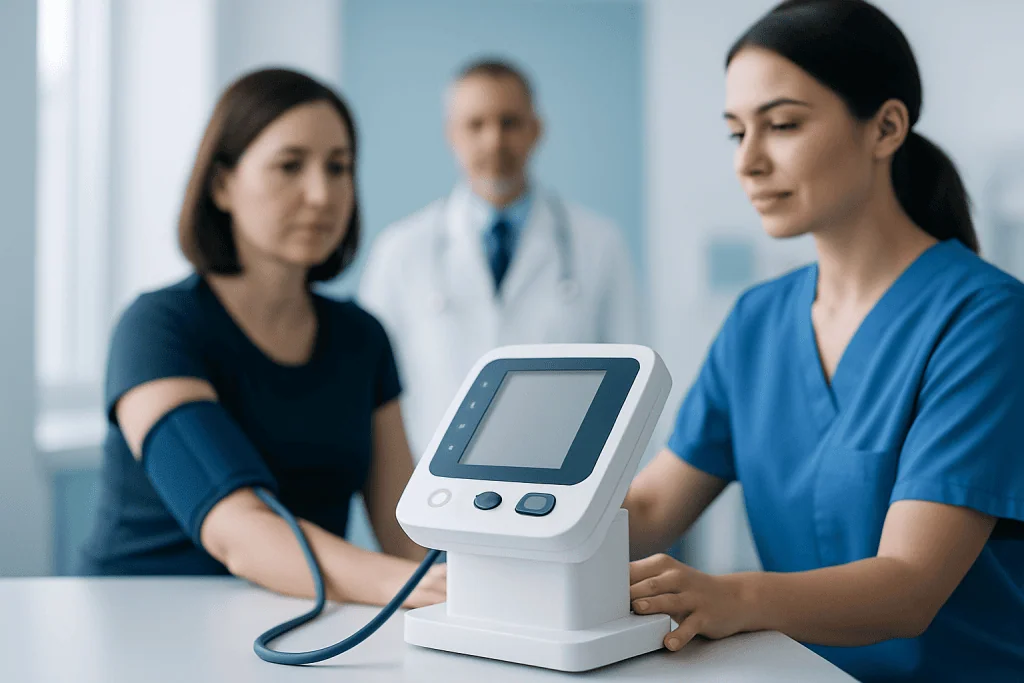
Doctors classify blood pressure using established ranges rather than judging one number alone. In current American Heart Association categories, normal blood pressure is less than 120 systolic and less than 80 diastolic. Elevated blood pressure refers to a systolic reading of 120 to 129 with a diastolic reading still below 80. Stage 1 hypertension begins at 130 to 139 systolic or 80 to 89 diastolic.
Because 110/82 has a diastolic number in the 80 to 89 range, it may fall into a mildly elevated category when interpreted strictly by these definitions, even though the systolic number is excellent. This is why a reading can look reassuring at first glance yet still deserve follow-up if the same pattern keeps appearing.
The table below shows the common adult categories:
- Normal: less than 120 / less than 80
- Elevated: 120 to 129 / less than 80
- High blood pressure stage 1: 130 to 139 or 80 to 89
- High blood pressure stage 2: 140 or higher or 90 or higher
- Hypertensive crisis: higher than 180 and/or higher than 120, requiring urgent medical assessment
Blood pressure categories are screening tools, not a diagnosis by themselves. A clinician usually looks at repeated readings from the clinic, home monitoring, or ambulatory monitoring before deciding whether someone truly has high blood pressure.
What 110/82 can mean at different ages

Blood pressure should always be interpreted in context. In healthy younger adults, a reading of 110/82 is often acceptable, especially if there are no symptoms and similar results are not consistently rising over time. In this age group, doctors may pay more attention to lifestyle factors such as sodium intake, stress, alcohol use, stimulant drinks, and sleep quality if the diastolic number repeatedly stays above 80.
In middle-aged adults, the same reading may still be considered fairly good, but it is often reviewed alongside family history, weight, cholesterol, blood sugar, and smoking status. If a person has diabetes, kidney disease, obesity, or a history of cardiovascular disease, even mild blood pressure changes can matter more because overall risk is higher.
In older adults, the interpretation can be slightly different. Some degree of arterial stiffness becomes more common with age, and systolic pressure often rises more than diastolic pressure. A reading of 110/82 in an older person may be entirely reasonable if there is no dizziness, fainting, weakness, or medication side effects. If symptoms are present, a doctor may consider whether blood pressure changes when standing up or whether treatment needs review.
For children and teenagers, blood pressure is not classified using the same simple adult cutoffs. Age, sex, and height all influence what is considered normal, so any concerns in a younger patient should be assessed by a pediatric clinician.
When 110/82 may be a concern
By itself, 110/82 is not usually worrisome. It becomes more important if the diastolic number stays above 80 on repeated measurements, if there is a steady upward trend, or if other cardiovascular risk factors are present. Persistent mild diastolic elevation can sometimes be an early sign that blood pressure regulation is changing.
Symptoms also matter. A person should not ignore readings that occur alongside chest pain, severe shortness of breath, fainting, confusion, severe headache, weakness on one side, or sudden vision changes. Although these symptoms are not typical of a 110/82 reading itself, they require medical attention because they may point to another urgent problem affecting the heart, brain, or circulation.
People already being treated for blood pressure should discuss any change in readings with their doctor, especially if they have symptoms such as dizziness, fatigue, palpitations, or swelling. A clinician may review home logs, medications, diet, kidney function, and related conditions such as arrhythmia or coronary artery disease when needed.
If a person notices wide swings between normal and high readings, ambulatory monitoring or structured home monitoring may help. This can distinguish sustained hypertension from temporary increases linked to stress, clinic anxiety, exercise, or stimulants.
How to measure blood pressure correctly
Accurate measurement is essential because small errors can change the result. Blood pressure should ideally be checked after sitting quietly for at least five minutes, with the back supported, feet flat on the floor, and the arm resting at heart level. The cuff should fit properly and be placed on bare skin, not over clothing.
Before measuring, it is best to avoid smoking, caffeine, heavy meals, and exercise for about 30 minutes if possible. Talking, crossing the legs, or checking blood pressure immediately after walking around can falsely raise the reading. Taking two readings one minute apart and recording both can give a more reliable picture than relying on a single number.
Home blood pressure monitors can be very useful when they are validated and used correctly. Keeping a log with the date, time, reading, and any notes about stress, sleep, or symptoms can help a doctor interpret patterns. In some situations, a specialist may recommend a cardiac check-up or further evaluation if readings are inconsistent or if there are other warning signs.
Lifestyle steps that support healthy blood pressure
Even when blood pressure is only slightly above ideal, healthy habits can make a meaningful difference over time. A heart-friendly eating pattern that emphasizes vegetables, fruit, legumes, whole grains, lean protein, and unsalted foods may help keep blood pressure stable. Reducing excess sodium, limiting highly processed foods, and staying well hydrated are common first steps.
Regular physical activity supports both blood pressure and overall cardiovascular health. Many adults benefit from consistent moderate exercise such as brisk walking, cycling, or swimming, along with strength training suited to their health status. If someone has known heart disease or symptoms with activity, an individualized plan should be discussed with a doctor.
Sleep, stress, alcohol intake, and tobacco exposure also affect blood pressure. Managing stress, aiming for restorative sleep, limiting alcohol, and avoiding smoking or nicotine products can all help. When needed, a doctor may suggest broader assessment or care such as cardiology evaluation or preventive health check-up to review personal risk factors and long-term prevention.
When to seek medical care
A person should arrange a routine medical review if home blood pressure readings repeatedly show a diastolic value above 80, if numbers are gradually increasing, or if there are important risk factors such as diabetes, kidney disease, obesity, high cholesterol, or a strong family history of cardiovascular disease. A doctor can decide whether further monitoring, blood tests, or treatment is appropriate.
Urgent care is needed for very high blood pressure readings, especially if they are above 180/120, or if there are symptoms such as chest pain, severe headache, fainting, sudden weakness, confusion, or trouble breathing. These symptoms should not be attributed to routine blood pressure variation and deserve immediate assessment.
For international patients who need assessment for blood pressure concerns or related cardiovascular conditions, Acibadem International’s multidisciplinary specialists in JCI-accredited hospitals provide diagnosis and treatment planning tailored to the individual. The goal is not simply to label one reading, but to understand the full cardiovascular picture and reduce long-term risk safely.
Frequently asked questions
Is 110/82 blood pressure normal?
For most adults, 110/82 is generally close to normal and is often not a cause for concern. The systolic number is clearly healthy, while the diastolic number is slightly above the ideal below-80 target, so repeated readings matter more than a single measurement.
Why is my top number normal but my bottom number 82?
This pattern can happen for many reasons, including stress, caffeine, poor sleep, recent exercise, or natural variation. If the diastolic number stays above 80 on repeated measurements, a doctor may look more closely at lifestyle factors and overall cardiovascular risk.
Is 110/82 considered high blood pressure?
It is not usually considered clearly high in everyday language, but by guideline-based classification the diastolic value of 82 may fall into a mild high blood pressure range. This does not confirm hypertension by itself, because diagnosis usually depends on repeated readings over time.
Should I worry about a diastolic blood pressure of 82?
A diastolic reading of 82 is only slightly above ideal and is often not dangerous on its own. It becomes more important if it is persistent, if it keeps rising, or if the person has other risk factors such as diabetes, kidney disease, smoking, or known heart disease.
Can anxiety raise blood pressure to 110/82?
Yes, anxiety and stress can temporarily increase blood pressure, especially the diastolic number in some people. That is why measurements are most useful when taken after a few minutes of quiet rest and repeated on different days.
What should I do if my blood pressure is often around 110/82?
It is sensible to continue healthy habits and monitor the readings periodically using correct technique. If the numbers remain stable and there are no symptoms, many people only need routine follow-up, but a doctor should review the pattern if readings trend upward or risk factors are present.
References
- American Heart Association
- Centers for Disease Control and Prevention
- National Heart, Lung, and Blood Institute
- European Society of Cardiology
- World Health Organization
This article is for general information only and is not a substitute for professional medical advice. Please consult a qualified doctor about your individual situation.
Explore treatments in Turkey — costs, top hospitals & a free quote
JCI-accredited · board-certified surgeons · reply within 24h
Add us as a Preferred Source to see more of our trusted health content across Google Search, AI Overviews and Discover.
Check your numbers in seconds
BMI, calories, due date, blood pressure and 30+ more clinical calculators — free, instant, doctor-reviewed ranges.