Blood Pressure 116/58: Is It Normal? What This Reading Means for Your Health

116/58 blood pressure is usually not a sign of disease if there are no symptoms such as dizziness, fainting, or weakness. By American Heart Association categories, a systolic value of 116 is normal; the diastolic value of 58 is just below the commonly cited normal threshold of 60.
Key Takeaways
- 116/58 blood pressure is usually not a sign of disease if there are no symptoms such as dizziness, fainting, or weakness.
- By American Heart Association categories, a systolic value of 116 is normal; the diastolic value of 58 is just below the commonly cited normal threshold of 60.
- Age, hydration, fitness level, medications, and pregnancy can all influence whether 116/58 is appropriate for an individual.
- A single reading is less important than repeated readings taken correctly over time.
- Medical review is important if a reading like 116/58 comes with symptoms, occurs after illness, or is new after starting medication.
A blood pressure reading of 116/58 is often normal, especially if the person feels well and has no concerning symptoms. The top number is in the healthy range, while the lower bottom number may be slightly low for some people, so the reading should be interpreted in context rather than in isolation.
Overview: What 116/58 Blood Pressure Means
In many cases, 116/58 blood pressure is considered acceptable and may be completely normal, particularly in a healthy adult who feels well. The systolic pressure, which is the top number, is 116 and falls within the usual healthy range. The diastolic pressure, the bottom number, is 58, which is slightly below the commonly referenced level of 60, but that alone does not always mean there is a problem.
Blood pressure is not judged by one number alone. Doctors look at symptoms, medical history, medications, age, hydration, physical condition, and whether the reading is part of a pattern. A person with 116/58 who has no dizziness, fainting, chest discomfort, or unusual fatigue may simply have a naturally lower diastolic pressure.
Blood pressure also changes through the day. It can be lower during sleep, after rest, in warm weather, after exercise recovery, or in people who are physically fit. For this reason, one reading should be interpreted carefully rather than leading to immediate concern.
How Blood Pressure Is Classified
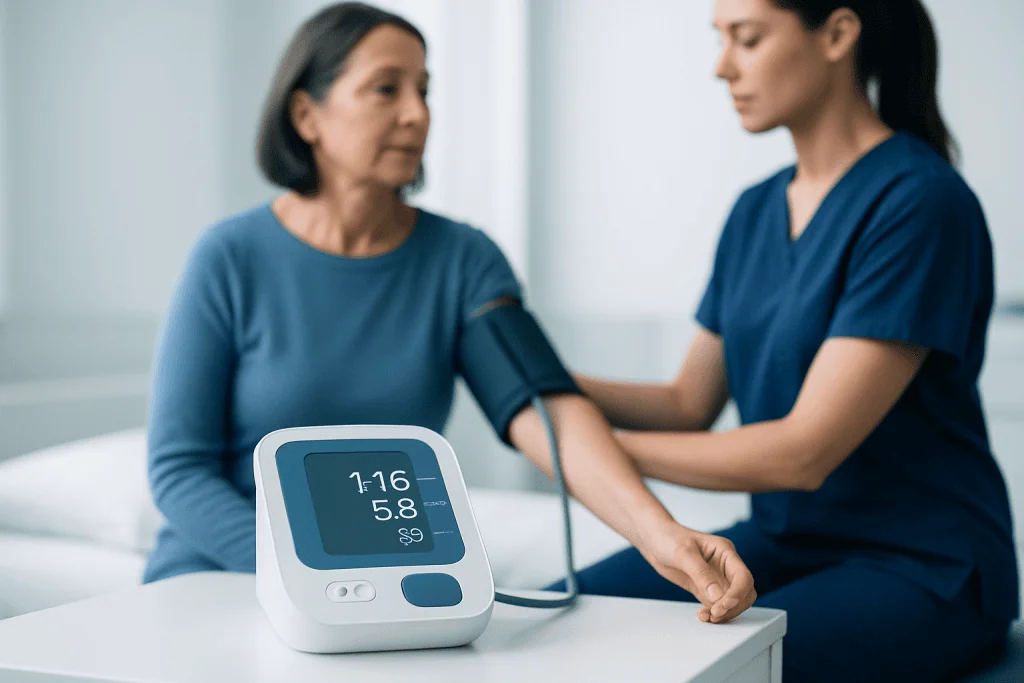
Blood pressure readings are usually grouped using categories from the American Heart Association. These categories mainly focus on identifying elevated blood pressure and hypertension, but they can still help place a reading such as 116/58 into context.
In this reading, the systolic number of 116 fits in the normal category. The diastolic number of 58 is a little below 60, so the reading may be described as normal systolic pressure with a low-normal or mildly low diastolic pressure. If the person feels well, this is often not concerning.
- Normal: less than 120 systolic and less than 80 diastolic
- Elevated: 120-129 systolic and less than 80 diastolic
- High blood pressure stage 1: 130-139 systolic or 80-89 diastolic
- High blood pressure stage 2: 140 or higher systolic or 90 or higher diastolic
- Hypertensive crisis: 180 or higher systolic and/or 120 or higher diastolic, requiring urgent medical assessment
Although these categories are useful, they are not the full picture. Low blood pressure is not defined by one universal cutoff in the same way hypertension is. Many clinicians become more concerned when blood pressure is low enough to reduce blood flow to vital organs or when it causes symptoms.
Is 116/58 Normal by Age Group?

A reading of 116/58 can be normal across different age groups, but the meaning varies slightly depending on the person. In younger adults and teenagers, lower blood pressure is often common, especially in those who are slim, physically active, or naturally have lower resting readings. If there are no symptoms, this level may simply reflect normal physiology.
In middle-aged adults, 116/58 is often still acceptable, particularly when the person has no symptoms and no history of heart disease. However, if the bottom number is lower than usual for that individual, a doctor may review hydration, recent illness, blood loss, thyroid function, or medicines such as diuretics and blood pressure tablets.
In older adults, interpretation can be more individualized. Some older people have stiffer arteries, which can raise the systolic number while the diastolic number stays lower. A diastolic pressure below 60 may matter more if it is linked with lightheadedness, falls, weakness, or underlying cardiovascular disease such as high blood pressure or coronary artery disease.
During pregnancy, blood pressure can naturally change, especially in the second trimester. Even so, any persistent dizziness, fainting, headache, swelling, or visual changes in pregnancy should be discussed with a clinician rather than assumed to be normal.
When 116/58 May Be a Concern
By itself, 116/58 is often reassuring. It becomes more important when it is associated with symptoms or when it is much lower than a person’s usual blood pressure. Symptoms that deserve attention include dizziness, near-fainting, fainting, blurred vision, unusual weakness, confusion, nausea, cold clammy skin, chest pain, or shortness of breath.
Sometimes a lower diastolic pressure can happen after dehydration, vomiting, diarrhea, fever, prolonged bed rest, or blood loss. It can also be related to medications, including some drugs used for blood pressure, depression, chest pain, or Parkinson’s disease. In these situations, a doctor may review the whole treatment plan rather than focusing on the numbers alone.
People with heart disease may need closer assessment if the diastolic pressure remains low, because coronary blood flow occurs mainly during diastole. While a single reading of 58 is not automatically harmful, persistent low diastolic pressure should be interpreted with the person’s symptoms and cardiovascular history in mind. Related conditions such as arrhythmia can also affect how well the body tolerates blood pressure changes.
If low readings come with a fast heartbeat, fainting, severe weakness, chest pain, or shortness of breath, urgent medical evaluation is appropriate. These symptoms matter more than the number itself.
Common Reasons for a 116/58 Reading
There are many everyday reasons why someone might have a blood pressure reading of 116/58. Some people naturally run on the lower side and remain completely healthy. Athletes and physically fit individuals often have lower resting blood pressure because the heart pumps efficiently.
Temporary factors can also lower blood pressure. These include not drinking enough fluids, standing up quickly, hot weather, a recent meal, stress recovery, alcohol use, or measurement after resting quietly. In some people, blood pressure is lower in the morning or after exercise cool-down.
Medical causes may include medication effects, anemia, endocrine conditions, infection, pregnancy, or dehydration. If there are repeated low readings together with symptoms, doctors may assess the heart, circulation, and other contributing factors. Depending on the clinical picture, further cardiac evaluation may include tests such as an electrocardiogram or echocardiography to look at heart rhythm and pumping function.
How to Measure Blood Pressure Correctly
Correct technique matters because blood pressure can look lower or higher than it really is if it is not measured properly. Home monitoring is useful, but readings should be taken in a calm setting with a validated upper-arm monitor and the correct cuff size.
Before measuring, it helps to avoid caffeine, smoking, and exercise for about 30 minutes if possible. The person should sit quietly for at least five minutes with the back supported, feet flat on the floor, and the arm supported at heart level. Talking during the measurement can alter the result.
It is often best to take two readings one minute apart and record both. Measurements taken at different times over several days give a more reliable picture than a single isolated value. If readings are repeatedly unusual, a doctor may recommend formal monitoring or review in a clinic.
Some people experience a drop in blood pressure when standing, called orthostatic hypotension. In that case, a clinician may ask for measurements while lying down, sitting, and standing to see whether posture changes are contributing.
Lifestyle Guidance and Self-Care
If 116/58 blood pressure causes no symptoms, treatment is often not needed. The main goal is to support overall cardiovascular health and avoid factors that may trigger troublesome drops in blood pressure. Good hydration, regular meals, and slow position changes can help, especially for people prone to lightheadedness.
Balanced lifestyle habits remain important even when a reading is not high. Regular physical activity, quality sleep, stress management, avoiding smoking, and a heart-conscious eating pattern all support healthy circulation. People who take medicines for blood pressure or heart conditions should not stop them on their own, even if one reading seems low.
If symptoms occur after standing, it may help to rise gradually from bed or from a chair. During hot weather or illness with fluid loss, paying closer attention to fluid intake may reduce episodes of dizziness. For those with known heart conditions, follow-up with a cardiology team may be useful, and some patients may need further testing such as Holter monitoring if palpitations or rhythm-related symptoms are present.
Near the end of the evaluation pathway, international patients may also wish to know that Acibadem International’s multidisciplinary specialists and JCI-accredited hospitals diagnose and treat blood pressure and heart-related conditions using individualized assessment.
When to Seek Medical Care
A routine medical appointment is appropriate if 116/58 is a new pattern, if it is repeatedly lower than usual, or if there are mild but persistent symptoms such as dizziness, fatigue, reduced exercise tolerance, or difficulty concentrating. A clinician can review medicines, hydration, recent illness, and any underlying conditions.
Prompt medical advice is especially important for older adults, pregnant patients, people with diabetes, known heart disease, or those who have had falls or fainting. Persistent low diastolic pressure may deserve closer assessment in these groups even when symptoms seem mild.
Emergency care is needed if a low or unusual blood pressure reading occurs with chest pain, severe shortness of breath, fainting, confusion, one-sided weakness, severe bleeding, or signs of shock. In these situations, the symptoms are the key warning signs, not the exact blood pressure value alone.
Frequently asked questions
Is 116/58 blood pressure too low?
Usually, no. For many people, 116/58 is an acceptable reading, especially if they feel well and have no dizziness, fainting, or weakness. The lower number is slightly below 60, but that does not automatically mean it is unhealthy.
What symptoms would make 116/58 more concerning?
Symptoms matter more than the number alone. Dizziness, fainting, blurred vision, unusual fatigue, confusion, chest pain, or shortness of breath should prompt medical advice. Urgent care is needed if severe symptoms occur.
Can a healthy person naturally have 116/58 blood pressure?
Yes. Healthy young adults, physically fit people, and some individuals with naturally lower blood pressure may commonly have readings like 116/58. If the person feels normal and functions well, it may simply be their usual baseline.
Should older adults worry about a diastolic pressure of 58?
Not always, but it deserves more individualized interpretation in older adults. If there are symptoms, falls, heart disease, or a large change from usual readings, a doctor should review it. Repeated low diastolic readings can be more important in some seniors than in younger adults.
Can dehydration cause a blood pressure reading of 116/58?
Yes, dehydration can lower blood pressure, especially the diastolic number, and may cause dizziness or weakness. Vomiting, diarrhea, fever, and hot weather can all contribute. Rehydration and medical review may be needed if symptoms persist.
How often should blood pressure be checked if readings are around 116/58?
If there are no symptoms and no medical concerns, periodic routine checks are often enough. If the reading is new, fluctuates, or is linked with symptoms, it is sensible to measure it on several days and discuss the pattern with a clinician. Home readings are most useful when taken correctly and recorded consistently.
References
- American Heart Association
- Centers for Disease Control and Prevention
- National Heart, Lung, and Blood Institute
- European Society of Cardiology
- Mayo Clinic
This article is for general information only and is not a substitute for professional medical advice. Please consult a qualified doctor about your individual situation.
Explore treatments in Turkey — costs, top hospitals & a free quote
JCI-accredited · board-certified surgeons · reply within 24h
Add us as a Preferred Source to see more of our trusted health content across Google Search, AI Overviews and Discover.
Check your numbers in seconds
BMI, calories, due date, blood pressure and 30+ more clinical calculators — free, instant, doctor-reviewed ranges.