Blood Pressure 120/70: Is It Normal? What This Reading Means for Your Health

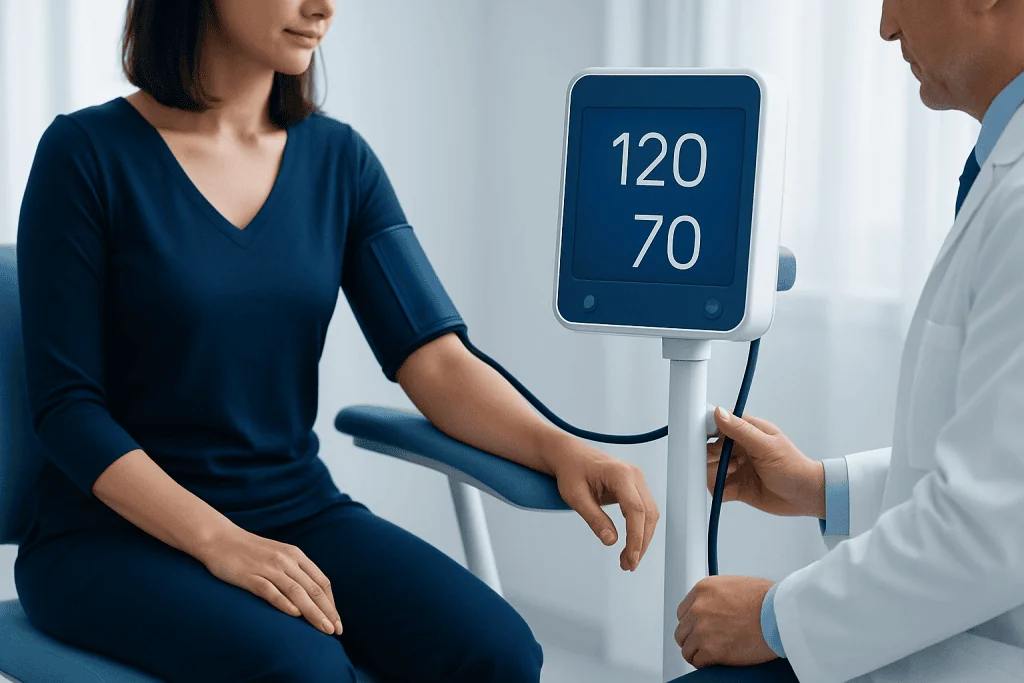
A blood pressure reading of 120/70 is usually within the normal range for adults. The top number is systolic pressure and the bottom number is diastolic pressure.
Key Takeaways
- A blood pressure reading of 120/70 is usually within the normal range for adults.
- The top number is systolic pressure and the bottom number is diastolic pressure.
- One reading alone does not diagnose a problem; patterns over time matter more.
- Symptoms such as dizziness, fainting, chest pain, or shortness of breath need medical attention even if the reading looks normal.
- Correct measurement technique helps avoid misleading blood pressure results.
- Healthy lifestyle habits support stable blood pressure across all age groups.
120/70 blood pressure is usually considered a normal, healthy reading for most adults. It generally means the heart is pumping effectively without pressure being too high or too low, although symptoms, age, medications, and overall health still help determine what the number means for one person.
Overview: Is 120/70 blood pressure normal?
Yes. In most adults, 120/70 blood pressure is generally considered a normal reading. It is close to the range associated with healthy blood flow, and by itself it usually does not suggest high blood pressure or dangerously low blood pressure.
Blood pressure is written as two numbers. The first, called systolic pressure, measures the pressure in the arteries when the heart beats. The second, called diastolic pressure, measures the pressure when the heart relaxes between beats. In a reading of 120/70, the systolic value is 120 and the diastolic value is 70.
That said, a normal-looking number does not always tell the whole story. Blood pressure naturally changes during the day and can be influenced by stress, exercise, dehydration, medications, pain, caffeine, and sleep. A doctor interprets the reading together with symptoms, age, medical history, and repeated measurements over time.
For people already being evaluated for high blood pressure, or for those with heart, kidney, or metabolic conditions, blood pressure targets may be individualized. A single reading of 120/70 is often reassuring, but it is still best understood as part of a broader health picture.
How blood pressure is classified
Clinicians often use widely accepted adult categories, such as those from the American Heart Association, to interpret office or home blood pressure readings. These categories help explain whether a number is considered normal, elevated, or high.
The table below shows standard adult blood pressure categories:
- Normal: systolic less than 120 and diastolic less than 80
- Elevated: systolic 120-129 and diastolic less than 80
- High blood pressure (Stage 1): systolic 130-139 or diastolic 80-89
- High blood pressure (Stage 2): systolic 140 or higher or diastolic 90 or higher
- Hypertensive crisis: systolic higher than 180 and/or diastolic higher than 120, especially if symptoms are present
A reading of 120/70 sits in an interesting place because the diastolic value is normal, while the systolic value is exactly 120 rather than below 120. In everyday practice, many clinicians still view 120/70 as a healthy reading, especially when repeated measurements are similar and no concerning symptoms are present. It is not usually treated as high blood pressure.
Classification systems are guides, not a diagnosis by themselves. Blood pressure should be measured correctly and repeated over time before drawing conclusions, especially if numbers vary from one visit to the next.
What 120/70 may mean by age group

For younger adults, 120/70 is commonly viewed as a good blood pressure reading. It suggests that the arteries are not under excessive pressure, while the organs are still receiving adequate blood flow. In a healthy younger person without symptoms, it is usually not a cause for concern.
For middle-aged adults, 120/70 remains a favorable reading. At this stage of life, clinicians may pay closer attention to long-term cardiovascular risk factors such as cholesterol, diabetes, smoking, excess weight, stress, and family history. Even with normal blood pressure, preventive care remains important because blood pressure can gradually rise over time.
For older adults, 120/70 may still be normal and healthy, but context matters more. Some older people may feel lightheaded when standing if blood pressure drops suddenly, especially if they take medicines for blood pressure, heart disease, or dehydration. In these cases, the issue may not be the resting reading itself, but how blood pressure behaves with position changes or throughout the day.
For children and teenagers, blood pressure is interpreted differently. Normal values depend on age, sex, and height, so adult cutoffs do not apply directly. Parents concerned about a child’s reading should have it reviewed by a pediatric clinician rather than comparing it with adult ranges.
When a 120/70 reading may still need attention
Although 120/70 blood pressure is usually normal, it may still deserve attention in certain situations. The most important question is whether the person feels well and whether the reading matches their usual pattern. Numbers that are technically normal do not always rule out a problem.
A 120/70 reading may warrant medical review if it is accompanied by symptoms such as dizziness, fainting, unusual fatigue, blurred vision, chest pain, palpitations, shortness of breath, confusion, or severe headache. These symptoms can have many causes, including heart rhythm problems, dehydration, medication effects, or illness, and they should not be dismissed simply because the blood pressure number looks acceptable.
It can also matter if 120/70 represents a sudden drop from a person’s usual blood pressure. For example, someone whose readings are normally much higher may feel weak or unsteady when blood pressure falls quickly after starting treatment, becoming ill, or losing fluids. Doctors may then check for orthostatic hypotension, medication side effects, anemia, or other contributing conditions.
People with established cardiovascular disease, kidney disease, diabetes, or symptoms suggestive of an irregular heart rhythm may need a more detailed evaluation even when the blood pressure appears normal. In selected cases, clinicians may use tests such as home monitoring, ambulatory monitoring, blood tests, or echocardiography to better understand the overall heart and circulation picture.
How to measure blood pressure accurately
Correct technique is essential because blood pressure changes easily and can be measured inaccurately if the setting is rushed or uncomfortable. A single misleading reading can cause unnecessary worry or false reassurance.
Before checking blood pressure, it helps to avoid smoking, exercise, or caffeine for about 30 minutes if possible. The person should sit quietly for at least 5 minutes, with the back supported, feet flat on the floor, and legs uncrossed. The arm should rest at heart level, and the cuff should fit properly; a cuff that is too small or too large can distort the result.
When measuring at home, taking two readings about one minute apart and recording both can be helpful. Measurements should ideally be taken at the same time of day for comparison. Home blood pressure monitoring may be especially useful for people with variable readings, possible white coat effect, or ongoing management of blood pressure problems.
If readings are repeatedly inconsistent, a clinician may recommend a cardiology check-up or formal ambulatory blood pressure monitoring. This can show how blood pressure changes across daily activities and sleep, providing a more reliable picture than one isolated reading.
Lifestyle habits that support healthy blood pressure
Even when blood pressure is already in a healthy range, daily habits help protect the heart and blood vessels over the long term. Prevention is especially important because blood pressure often rises gradually with age and can do so without clear symptoms.
Helpful habits include regular physical activity, balanced meals rich in vegetables, fruits, whole grains, legumes, and healthy fats, maintaining a healthy weight, getting enough sleep, and limiting tobacco and excess alcohol. Reducing excess sodium intake can also support healthy blood pressure, particularly in people who are salt-sensitive.
Stress management also matters. Chronic stress does not always cause permanent high blood pressure by itself, but it can contribute to unhealthy coping patterns such as overeating, inactivity, poor sleep, or increased alcohol use. Relaxation techniques, consistent sleep routines, and regular movement can support cardiovascular well-being.
People with additional risk factors may benefit from broader cardiovascular assessment, including cholesterol, blood sugar, kidney function, and heart rhythm evaluation. In some cases, doctors may recommend studies such as an ECG to assess heart health if symptoms or risk factors suggest it would be useful.
Treatment and follow-up: what happens if concerns arise?
A reading of 120/70 by itself usually does not need treatment. Most people with this blood pressure simply need routine monitoring and healthy lifestyle habits. Treatment decisions are based on patterns over time, associated symptoms, and the presence of other medical conditions rather than on one isolated, normal reading.
If blood pressure readings trend upward over weeks or months, a doctor may first recommend lifestyle changes and home monitoring. If readings are consistently elevated or high, treatment may include evaluation for underlying causes and, when needed, medication. The goal is to reduce long-term strain on the heart, blood vessels, brain, and kidneys.
If the concern is low blood pressure symptoms despite a reading that seems normal, clinicians may look for dehydration, infection, anemia, endocrine conditions, medication effects, or heart-related causes. Management then focuses on the underlying issue rather than the number alone.
Near the end of the care pathway, some people may need support from cardiology, internal medicine, nephrology, or endocrinology specialists. Acibadem International’s multidisciplinary specialists in JCI-accredited hospitals evaluate blood pressure concerns and related heart conditions for international patients when more detailed assessment is needed.
When to seek medical care
Routine medical advice is appropriate if blood pressure readings are changing over time, if home and clinic measurements are very different, or if there are questions about medications, pregnancy, kidney disease, diabetes, or heart risk. A clinician can help interpret the reading in context and decide whether further evaluation is necessary.
Prompt medical attention is important if a person has chest pain, severe shortness of breath, fainting, weakness on one side, trouble speaking, sudden confusion, or a severe headache, even if the blood pressure reading is 120/70 or appears normal. These symptoms may point to an urgent problem unrelated to the blood pressure number alone.
People should also seek care if they have repeated dizziness on standing, unexplained fatigue, frequent palpitations, or signs of dehydration such as dry mouth, very dark urine, or reduced urination. These concerns may not mean serious disease, but they deserve proper assessment.
In general, blood pressure is most useful when viewed as one part of overall cardiovascular health. A normal reading is reassuring, but symptoms and repeated trends should always guide next steps.
Frequently asked questions
Is 120/70 a good blood pressure reading?
Yes, for most adults, 120/70 is generally considered a good and healthy blood pressure reading. It usually suggests that blood pressure is not too high and not unusually low, especially if the person feels well.
Can 120/70 blood pressure be too low?
Usually no, but it depends on the person and their symptoms. If someone feels dizzy, faint, weak, or unwell, even a reading that looks normal may need medical review, especially if it is lower than their usual level.
Is 120/70 normal for older adults?
In many older adults, 120/70 can still be a normal and healthy reading. However, doctors also consider symptoms, medications, hydration, and whether blood pressure drops when standing up.
What if my blood pressure is 120/70 at home but different at the clinic?
This is common. Stress, activity, timing, and measurement technique can all affect the result, so doctors may recommend repeated home readings or ambulatory monitoring to understand the true pattern.
Should someone do anything if their blood pressure is 120/70?
Usually the focus is on maintaining healthy habits rather than treatment. Regular exercise, balanced nutrition, good sleep, avoiding tobacco, and routine checkups help keep blood pressure in a healthy range.
Does 120/70 mean there is no heart problem?
Not necessarily. Blood pressure is only one measure of cardiovascular health, so a normal reading does not fully rule out heart rhythm problems, valve disease, coronary disease, or other conditions if symptoms are present.
References
- American Heart Association
- Centers for Disease Control and Prevention
- National Heart, Lung, and Blood Institute
- European Society of Cardiology
- World Health Organization
This article is for general information only and is not a substitute for professional medical advice. Please consult a qualified doctor about your individual situation.
Explore treatments in Turkey — costs, top hospitals & a free quote
JCI-accredited · board-certified surgeons · reply within 24h
Add us as a Preferred Source to see more of our trusted health content across Google Search, AI Overviews and Discover.
Check your numbers in seconds
BMI, calories, due date, blood pressure and 30+ more clinical calculators — free, instant, doctor-reviewed ranges.

More from the Health Library



Related Specialists

Assoc. Prof. Dr. Özgür Timurkaynak
Dermatology
Asst. Prof. Dr. Zeynep Güral
Radiation Oncology
Dr. Giray Girgin
Pediatrics
Prof. Dr. Selda Özçirpici
Physical Medicine & Rehabilitation