Bokchoy: A Complete Medical Overview

Bokchoy is low in calories and rich in vitamins A, C, and K, along with folate, calcium, and fiber. It belongs to the cruciferous vegetable family, alongside cabbage, broccoli, and kale.
Key Takeaways
- Bokchoy is low in calories and rich in vitamins A, C, and K, along with folate, calcium, and fiber.
- It belongs to the cruciferous vegetable family, alongside cabbage, broccoli, and kale.
- Most people can enjoy bokchoy safely, cooked or raw, as part of a balanced diet.
- People taking blood thinners or those with thyroid concerns may need individualized dietary advice.
- Washing and storing bokchoy properly helps preserve quality and reduce food safety risks.
Bokchoy is a cruciferous leafy vegetable that can be a healthy part of many eating patterns. It provides vitamins, minerals, fiber, and plant compounds, while also requiring a few practical precautions for people with certain medical conditions or medications.
Overview: what bokchoy is and why it matters
Bokchoy, also called pak choi or Chinese cabbage, is a leafy green vegetable commonly used in East Asian and global cooking. It has crisp white or pale green stalks and tender dark green leaves, with a mild flavor that becomes sweeter when cooked. Nutritionally, bokchoy is valued because it adds vitamins, minerals, fiber, and water to meals without being energy-dense.
From a medical nutrition perspective, bokchoy is best understood as one part of an overall healthy eating pattern rather than a “superfood” with special powers. Like other vegetables, it helps support general health when eaten regularly alongside fruits, legumes, whole grains, and protein-rich foods. Its cruciferous plant compounds are also of scientific interest because they may contribute to normal cell health and antioxidant defenses.
Bokchoy is especially useful for people looking for vegetables that are versatile, easy to cook, and gentle in flavor. It can be stir-fried, steamed, added to soups, or eaten raw in salads. For many households, it is a practical way to increase vegetable intake and variety.
Nutrition profile and potential health benefits
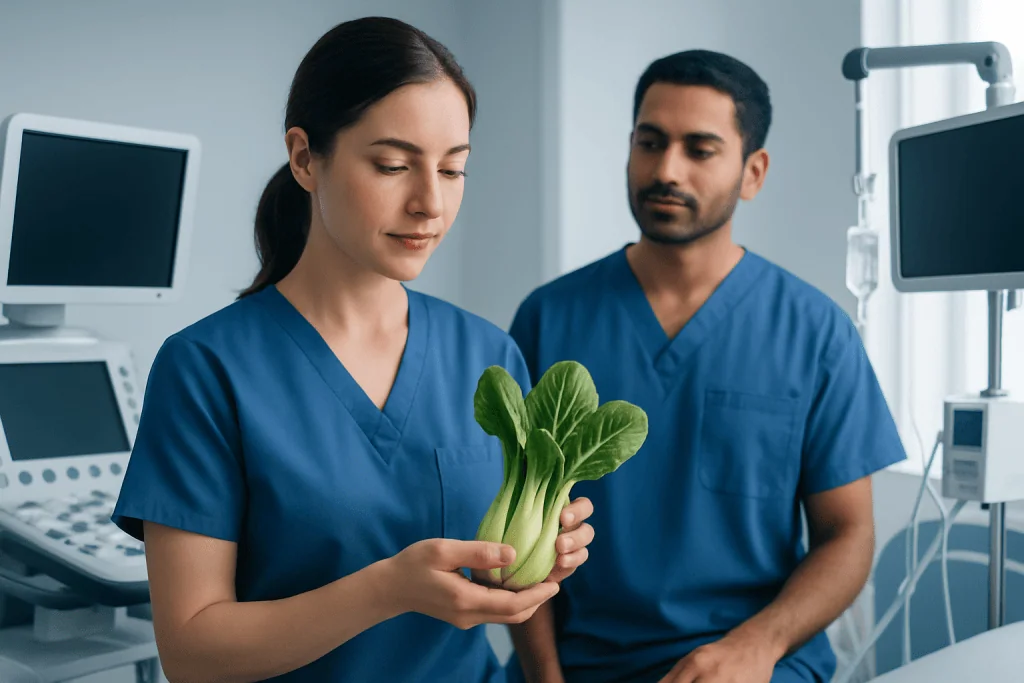
Bokchoy contains several nutrients that support normal body functions. It is a source of vitamin K, which helps with blood clotting and bone health; vitamin A, important for vision and immune function; and vitamin C, which supports skin, tissue repair, and antioxidant protection. It also provides folate, potassium, calcium, and smaller amounts of other minerals and B vitamins.
Because bokchoy is high in water and relatively low in calories, it can help make meals filling without adding much energy. Its fiber content may support digestive regularity and contribute to a healthy eating plan for weight management. People exploring obesity and nutrition-related health concerns often benefit from adding more non-starchy vegetables like bokchoy to everyday meals.
As a cruciferous vegetable, bokchoy contains glucosinolates and other plant compounds that are being studied for their role in long-term health. These compounds are not a treatment for disease, but they are one reason nutrition experts encourage a varied intake of vegetables from different plant families. Regular vegetable intake is associated with overall heart, metabolic, and digestive health.
- Low in calories and rich in water
- Provides vitamins A, C, and K
- Contains fiber for digestive support
- Supplies minerals such as calcium and potassium
- Adds variety to a balanced diet
How bokchoy supports everyday health

The value of bokchoy lies not only in its nutrient list, but also in how easily it fits into routine eating. It can help people increase vegetable intake at lunch or dinner and works well in simple cooking methods, including steaming, sautéing, roasting, and soups. This practical use matters because sustainable eating habits are usually more beneficial than occasional “healthy” choices that are hard to maintain.
Bokchoy may support heart-conscious and blood pressure-friendly eating patterns because it provides potassium and fiber while being naturally low in saturated fat. When used in place of highly processed side dishes, it can improve the overall quality of a meal. For people working on digestive comfort, balanced meals that include vegetables and fiber may also be helpful, though individual tolerance can vary.
For blood sugar balance, bokchoy can be a useful non-starchy vegetable choice within meals that include protein, healthy fats, and complex carbohydrates. It does not replace medical treatment, but it can be part of a healthy pattern for people living with diabetes or those trying to reduce excess refined carbohydrates. A doctor or dietitian can help tailor these choices to personal needs.
Possible risks, side effects, and who should be cautious
For most healthy adults and children, bokchoy is safe to eat in normal food amounts. However, as with many leafy green vegetables, a few situations call for extra attention. Bokchoy is high in vitamin K, so people taking blood-thinning medicines such as warfarin should keep their intake of vitamin K-rich foods reasonably consistent rather than making sudden large changes. This does not usually mean avoiding bokchoy completely, but dietary adjustments should be discussed with the prescribing clinician.
Bokchoy is also a cruciferous vegetable, and raw cruciferous foods contain natural compounds that can affect thyroid hormone production in some settings, especially if eaten in very large quantities and if iodine intake is low. For most people, normal portions are not a concern, and cooking further reduces this effect. Anyone with thyroid disease or questions about diet and hormone health may benefit from medical guidance, particularly if symptoms suggest thyroid-related problems or another thyroid condition requiring evaluation.
Like other high-fiber vegetables, bokchoy may sometimes cause bloating or gas, especially if a person suddenly increases fiber intake. Washing it carefully is important because leafy vegetables can carry soil, bacteria, or pesticide residues. People with kidney disease, digestive disorders, or medically restricted diets should ask their doctor or dietitian how bokchoy fits into their individual plan.
How to choose, prepare, and eat bokchoy
When shopping, bokchoy should look fresh, with firm stalks and vibrant leaves. Wilted leaves, yellowing, or slimy patches may suggest age or poor storage. Smaller heads are usually more tender and mild, while larger ones can have sturdier stalks that work well in cooked dishes.
Before cooking or serving, bokchoy should be rinsed thoroughly because dirt often collects near the base and between the stalks. It can be sliced lengthwise and washed under running water, or the leaves can be separated and cleaned individually. Storing it in the refrigerator, loosely wrapped or in a breathable produce bag, can help maintain freshness.
Bokchoy can be eaten in many ways. A light stir-fry or quick steaming preserves texture and makes it easy to include with grains, fish, eggs, tofu, or poultry. People seeking personalized dietary support for digestive comfort or structured meal planning may be guided by specialists in diet and nutrition care. Healthy preparation usually means limiting excessive sodium, heavy sauces, or deep frying.
- Add chopped bokchoy to soups and broths
- Stir-fry with garlic, ginger, and a small amount of oil
- Steam and serve as a side dish
- Use baby bokchoy raw in salads or grain bowls
- Pair with protein-rich foods for a balanced meal
Bokchoy in special diets and medical nutrition
Bokchoy can fit into many eating patterns, including Mediterranean-style, plant-forward, calorie-conscious, and diabetes-friendly diets. Because it is low in calories and versatile, it often helps people build more balanced meals without feeling deprived. In vegetarian or vegan diets, bokchoy can contribute useful nutrients, though it should be part of a wider range of foods to meet protein, iron, calcium, and vitamin B12 needs.
For people trying to manage weight, vegetables like bokchoy can increase meal volume and satiety. Structured support may sometimes be appropriate when weight gain is linked to health complications, and some patients may benefit from specialist evaluation through obesity surgery services when recommended by their medical team. Even then, everyday food choices remain an important part of long-term care.
If a person has swallowing difficulty, digestive disease, kidney disease, or is recovering from illness or surgery, the best texture and portion of bokchoy may differ. Soft-cooked preparations are often easier to tolerate than raw salads. Individualized advice is especially important when a person has multiple health conditions, food restrictions, or reduced appetite.
When to seek medical care
Bokchoy itself rarely causes medical emergencies, but it is sensible to seek medical advice if eating it seems to trigger symptoms such as hives, swelling, vomiting, severe abdominal pain, or breathing difficulty. These symptoms may suggest an allergic reaction or another urgent problem and should not be ignored. Persistent bloating, pain, or major changes in bowel habits also deserve medical assessment.
People taking anticoagulant medication should speak with their doctor before making significant changes in intake of vitamin K-rich foods, including bokchoy. Those with known thyroid disease, kidney disease, or medically prescribed diets should ask whether frequent use of bokchoy is appropriate for them. If there is ongoing unexplained weight loss, fatigue, swallowing difficulty, or digestive symptoms, a clinician may consider further evaluation and, when needed, endoscopy or other tests.
For international patients who need coordinated assessment, Acibadem International’s multidisciplinary specialists and JCI-accredited hospitals diagnose and treat a wide range of nutrition-related, digestive, and endocrine conditions. The safest approach is always to discuss symptoms and dietary changes with a qualified healthcare professional, especially when medications or chronic illnesses are involved.
Frequently asked questions
Is bokchoy healthy?
Yes. Bokchoy is a healthy vegetable for most people because it provides vitamins, minerals, fiber, and water with relatively few calories. It is best viewed as part of an overall balanced diet rather than a single food that determines health on its own.
Can bokchoy be eaten raw?
Yes, bokchoy can be eaten raw, especially baby bokchoy, which is tender and mild. It should be washed carefully before eating, and some people find cooked bokchoy easier to digest than raw leaves and stalks.
Does bokchoy affect thyroid health?
In normal food amounts, bokchoy is not usually a problem for most people. Very large amounts of raw cruciferous vegetables may matter in some situations, especially if iodine intake is low or a person has thyroid disease, so personalized medical advice may be helpful.
Can people on blood thinners eat bokchoy?
Often yes, but consistency matters. Because bokchoy is rich in vitamin K, people taking warfarin or similar medicines should avoid sudden major changes in intake and should follow guidance from their doctor or anticoagulation clinic.
What is the best way to cook bokchoy?
Quick cooking methods such as steaming, sautéing, or stir-frying usually preserve texture and flavor well. Cooking can also make bokchoy easier to digest and can reduce some naturally occurring compounds found in raw cruciferous vegetables.
Can bokchoy help with weight management?
Bokchoy can support weight management because it is low in calories, high in water, and adds volume to meals. It is most helpful when included in a broader eating pattern that also includes appropriate portions, physical activity, and medical support when needed.
This article is for general information only and is not a substitute for professional medical advice. Please consult a qualified doctor about your individual situation.
Explore treatments in Turkey — costs, top hospitals & a free quote
JCI-accredited · board-certified surgeons · reply within 24h
Add us as a Preferred Source to see more of our trusted health content across Google Search, AI Overviews and Discover.
Check your numbers in seconds
BMI, calories, due date, blood pressure and 30+ more clinical calculators — free, instant, doctor-reviewed ranges.

More from the Health Library

Orphenadrine — Explained by Medical Evidence, Not Myths

Foamy Poop: A Complete Medical Overview

Transparent Sticky Discharge: What Patients Need to Know

Felon: What Patients Need to Know

Angina: What Patients Need to Know