Bone and Joint Pain Without Injury: Common Causes Explained

Bone and joint pain without injury is often caused by inflammation, arthritis, overuse, or metabolic issues rather than a broken bone. The location, timing, and pattern of pain help doctors identify the underlying cause.
Key Takeaways
- Bone and joint pain without injury is often caused by inflammation, arthritis, overuse, or metabolic issues rather than a broken bone.
- The location, timing, and pattern of pain help doctors identify the underlying cause.
- Persistent pain, swelling, fever, stiffness, or unexplained weight loss should be medically assessed.
- Treatment depends on the cause and may include exercise, medication, physical therapy, or treatment of an underlying disease.
- Healthy weight, regular movement, good posture, and adequate nutrition can help protect bones and joints.
Bone and joint pain without a clear injury is common and can have many causes, from everyday strain and arthritis to inflammation, infection, or vitamin deficiency. Understanding the pattern of pain and associated symptoms can help guide timely medical evaluation and appropriate treatment.
Overview
Bone and joint pain without injury refers to discomfort that develops even though there has been no obvious fall, twist, or direct trauma. People may feel aching, stiffness, soreness, tenderness, or deep pain in one area or several parts of the body. In many cases, the cause is not dangerous, but ongoing or unexplained pain deserves attention because bones and joints can be affected by wear and tear, inflammation, infection, autoimmune conditions, or problems with minerals and vitamins.
It can help to distinguish between joint pain and bone pain. Joint pain is usually felt where two bones meet, such as the knees, hips, shoulders, fingers, or ankles, and may come with stiffness, swelling, or reduced movement. Bone pain is often deeper, more constant, and localized to the bone itself, although patients may understandably describe both simply as “pain in the body.” Muscles, tendons, and nearby nerves can also contribute, making medical assessment important when symptoms are not clear.
Age, daily habits, body weight, medical history, and symptom pattern all matter. Some people notice morning stiffness that improves with movement, which can suggest inflammatory conditions. Others feel worsening pain after activity or by the end of the day, which may point more toward mechanical strain or osteoarthritis. The goal is not to self-diagnose, but to recognize when pain is common and manageable and when it needs professional evaluation.
Symptoms and How Pain May Feel
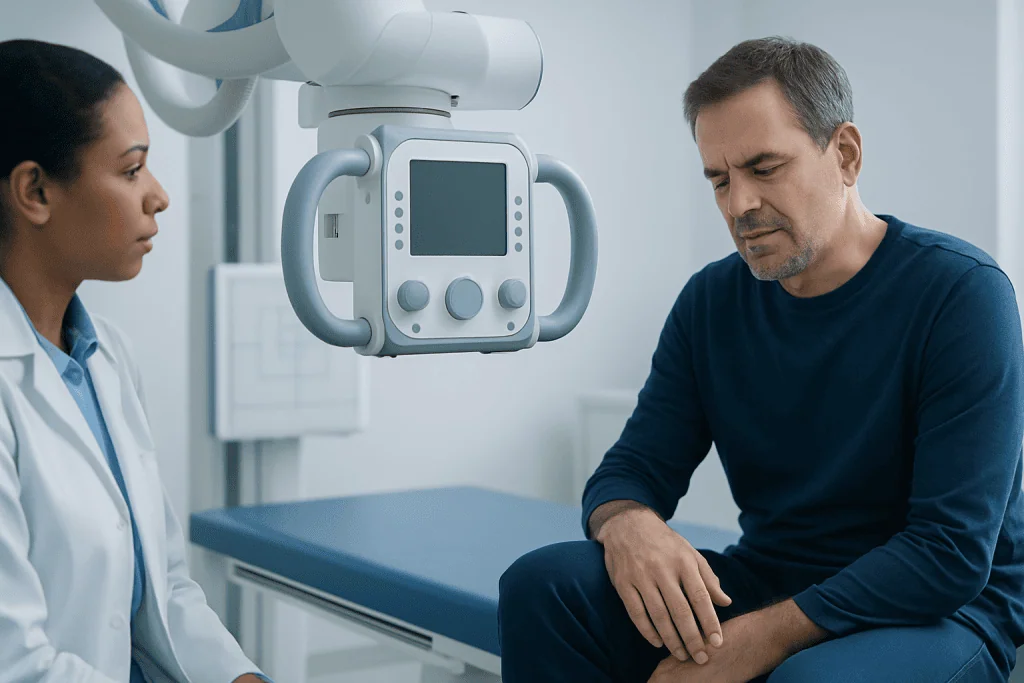
Bone and joint pain without injury can feel different from person to person. Some describe a dull ache, while others feel sharp pain with movement, throbbing at rest, stiffness after sitting, or tenderness when an area is pressed. The pain may affect one joint, such as the knee or shoulder, or many joints at the same time, such as the hands, wrists, and feet. Bone pain may feel deeper and more persistent than joint discomfort.
Other symptoms can offer clues about the cause. Swelling, warmth, redness, or reduced range of motion often suggest inflammation in or around a joint. Morning stiffness lasting longer than about 30 minutes may be seen in inflammatory arthritis, while stiffness that eases quickly may be more typical of osteoarthritis. Fatigue, fever, rash, eye symptoms, numbness, or muscle weakness can point toward a broader medical condition rather than an isolated orthopedic problem.
It is also useful to notice the timing of pain. Night pain, pain that wakes someone from sleep, or pain that continues despite rest should not be ignored. Pain linked to certain activities, shoes, posture, or repetitive work may suggest overuse. Keeping a simple symptom record, including when pain begins, where it is located, and what makes it better or worse, can help a doctor make a more accurate diagnosis.
Common Causes and Risk Factors

One of the most common causes of joint pain without injury is arthritis. Osteoarthritis develops over time as joint cartilage wears down, leading to pain, stiffness, and reduced flexibility, especially in weight-bearing joints such as the knees and hips and in the hands. Inflammatory forms of arthritis, including rheumatoid arthritis, can cause swelling, warmth, prolonged morning stiffness, and pain in multiple joints. Related problems such as arthritis are especially important to consider when symptoms are chronic or progressive.
Overuse and repetitive strain are also frequent causes. Even without a single noticeable injury, repeated kneeling, lifting, typing, running, or standing for long periods can irritate joints and surrounding tissues. Tendinitis, bursitis, and mechanical stress can create pain that feels like it is coming from the joint itself. Extra body weight can increase stress on the knees, hips, feet, and lower back, making symptoms more likely or more severe.
Bone pain may be linked to vitamin D deficiency, low calcium, osteoporosis, or other metabolic bone conditions. In some cases, infections can affect bones or joints and cause significant pain, often with fever or feeling unwell. Autoimmune diseases such as lupus, psoriatic arthritis, or ankylosing spondylitis may involve the joints and spine. Less commonly, pain may be related to poor blood supply, certain medications, thyroid disease, or, rarely, bone tumors or blood disorders. Risk factors vary by condition but often include older age, family history, smoking, obesity, autoimmune disease, and low physical activity.
Children and younger adults can also have bone or joint pain without an obvious injury. Growth-related discomfort, hypermobility, inflammatory conditions, infection, and sports overuse can all play a role. Because causes differ by age and overall health, any persistent, unexplained, or worsening pain should be discussed with a qualified doctor.
How Doctors Diagnose the Cause
Diagnosis begins with a careful medical history and physical examination. A doctor will usually ask where the pain is, when it started, whether it is constant or intermittent, and what makes it better or worse. They may ask about morning stiffness, swelling, fever, weight changes, recent infections, skin symptoms, digestive problems, medications, and family history of arthritis or autoimmune disease. This information often provides the strongest clues.
During the exam, the doctor may check for tenderness, swelling, warmth, range of motion, alignment, gait, muscle strength, and signs of inflammation in other body systems. Depending on the findings, blood tests may be used to look for markers of inflammation, autoimmune disease, vitamin deficiencies, infection, or metabolic problems. Tests are selected based on the person’s symptoms rather than done routinely for everyone.
Imaging may also be helpful. X-rays can show joint space changes, arthritis, fractures not previously recognized, or structural bone problems. Ultrasound or MRI may be used when soft tissues, inflammation, or early joint damage need closer evaluation. In some cases, doctors may recommend MRI scanning or orthopedic rehabilitation assessment if movement patterns and function seem to be contributing to pain.
If a joint is swollen, a doctor may remove a small sample of joint fluid for testing to look for infection, crystals such as gout, or inflammatory changes. Referral to a rheumatologist, orthopedist, endocrinologist, or pain specialist may be appropriate when the cause is unclear or symptoms are persistent. The aim is to identify the underlying condition rather than simply mask the pain.
Treatment Options
Treatment depends on the diagnosis. For many people, a combination of relative rest, gentle movement, heat or cold therapy, and short-term pain relief can help symptoms settle. When pain is related to osteoarthritis or overuse, exercise therapy, muscle strengthening, flexibility work, and lifestyle changes are often central parts of care. Avoiding complete inactivity is important, because long periods of rest can lead to more stiffness and weakness.
If inflammation is the main cause, treatment may include anti-inflammatory medication or other prescription medicines chosen by a doctor. Autoimmune arthritis may require disease-modifying treatments under specialist care. Infections need prompt medical treatment, and metabolic bone problems such as vitamin D deficiency or osteoporosis are managed by correcting the underlying issue and protecting bone health. When joint function is affected, structured physical therapy and rehabilitation can improve mobility and reduce pain.
Sometimes supportive devices are useful. Braces, orthotics, supportive footwear, or walking aids can reduce pressure on painful joints and improve safety. Weight management can make a meaningful difference for the knees, hips, and spine. If advanced joint damage is present and symptoms significantly limit daily life, surgical care may be considered, such as knee replacement in appropriate cases after thorough evaluation.
Because treatment varies widely by cause, self-medicating for long periods is not ideal, especially if there is swelling, recurring pain, or pain in multiple areas. Near the end of the care pathway, some patients may benefit from multidisciplinary assessment. Acibadem International’s specialists in JCI-accredited hospitals diagnose and treat bone and joint conditions for international patients when more comprehensive evaluation is needed.
Prevention and Self-care
Not all causes of bone and joint pain can be prevented, but many healthy habits can lower risk and reduce flare-ups. Regular low-impact exercise helps keep joints mobile and muscles strong. Walking, swimming, cycling, and guided strengthening exercises are often easier on the joints than high-impact activity. Stretching and posture awareness can also reduce strain on the back, hips, and shoulders.
Maintaining a healthy weight is one of the most effective ways to protect weight-bearing joints. Supportive shoes, good workstation setup, and frequent movement breaks can help people who stand, sit, or repeat the same motions for long periods. Gradually increasing activity instead of making sudden intense changes is another practical way to avoid overuse pain.
Bone health also matters. Adequate calcium and vitamin D, safe sun exposure when appropriate, avoiding smoking, and limiting excess alcohol all support stronger bones over time. People at risk for osteoporosis, including many postmenopausal women and older adults, should ask a doctor whether bone density testing is suitable. These steps are helpful not only for prevention but also as part of long-term symptom management.
At home, it may help to pace activities, use heat for stiffness and cold for swelling, and track symptom triggers. Gentle movement is usually better than forcing a painful joint through intense activity. If symptoms continue despite self-care, professional evaluation is the safest next step.
When to See a Doctor
A doctor should assess bone or joint pain that lasts more than a few weeks, keeps returning, or interferes with work, sleep, exercise, or daily activities. Medical review is also important if there is visible swelling, redness, warmth, reduced movement, or pain in several joints at once. Early evaluation can be especially helpful for inflammatory arthritis because treatment can protect joint function over time.
Urgent assessment is needed if pain is severe, comes with fever, follows a recent infection, or is associated with inability to bear weight. Pain that wakes someone regularly at night, unexplained weight loss, marked fatigue, or a lump over a bone also deserves prompt attention. These symptoms do not always indicate a serious disease, but they should not be ignored.
People with known autoimmune disease, cancer history, osteoporosis, or long-term steroid use should be particularly cautious about new unexplained pain. A clear diagnosis often brings reassurance as well as more effective treatment. When in doubt, seeking professional advice is the best way to understand what the body is signaling and how to manage it safely.
Frequently asked questions
Can bone and joint pain happen without any injury?
Yes. Many causes of bone and joint pain are not related to an obvious injury. Arthritis, inflammation, overuse, infection, vitamin deficiencies, and autoimmune conditions can all cause pain even when there has been no fall or accident.
How can a person tell whether pain is coming from a bone or a joint?
Joint pain is usually felt where bones meet and may come with stiffness, swelling, or reduced movement. Bone pain often feels deeper, more constant, and more localized, but it can be difficult to tell the difference without medical evaluation.
Is joint pain without injury always arthritis?
No. Arthritis is a common cause, but it is not the only one. Tendon problems, bursitis, overuse, infection, gout, autoimmune disease, and metabolic bone conditions can also cause similar symptoms.
What tests might be needed for unexplained bone or joint pain?
A doctor may recommend a physical examination, blood tests, and imaging such as X-rays or MRI, depending on the symptoms. If a joint is swollen, joint fluid testing may also be used to look for infection or crystal-related disease.
When is bone or joint pain considered urgent?
Urgent medical care is important if pain is severe, associated with fever, redness, major swelling, inability to walk, or a sudden major loss of joint function. Pain with unexplained weight loss, night waking, or a recent infection should also be assessed promptly.
Can lifestyle changes really help reduce bone and joint pain?
Yes, in many cases they can help significantly. Regular low-impact exercise, weight management, supportive footwear, smoking cessation, and good nutrition can reduce stress on joints and support better bone health.
References
- World Health Organization
- National Institute of Arthritis and Musculoskeletal and Skin Diseases
- American Academy of Orthopaedic Surgeons
- Centers for Disease Control and Prevention
- National Health Service
This article is for general information only and is not a substitute for professional medical advice. Please consult a qualified doctor about your individual situation.
Joint and spine care in Turkey — expert assessment & treatment
JCI-accredited · board-certified surgeons · reply within 24h
Add us as a Preferred Source to see more of our trusted health content across Google Search, AI Overviews and Discover.