Bone and Joint Surgery in Turkey: What International Patients Should Know

Bone and joint surgery includes procedures for arthritis, fractures, sports injuries, deformities, and spinal or joint degeneration. International patients should look for clear diagnosis, surgeon expertise, hospital accreditation, and a realistic rehabilitation plan.
Key Takeaways
- Bone and joint surgery includes procedures for arthritis, fractures, sports injuries, deformities, and spinal or joint degeneration.
- International patients should look for clear diagnosis, surgeon expertise, hospital accreditation, and a realistic rehabilitation plan.
- Pre-operative imaging, medical review, and discussion of risks, benefits, and alternatives are essential before traveling for surgery.
- Recovery depends on the procedure and often includes pain management, physiotherapy, mobility support, and follow-up.
- Choosing a center with coordinated international patient services can make communication, scheduling, and aftercare easier.
Bone and joint surgery in Turkey is a common option for international patients seeking orthopedic evaluation, surgery, and rehabilitation in one care pathway. Understanding the types of procedures, how treatment is planned, and what recovery involves can help patients make informed decisions and travel with greater confidence.
Overview
Bone and joint surgery in Turkey refers to orthopedic procedures used to diagnose, repair, or replace structures in the musculoskeletal system. These surgeries may involve bones, joints, cartilage, ligaments, tendons, and surrounding soft tissues. International patients often travel for treatment of chronic joint pain, sports injuries, fractures, spinal problems, or age-related wear and tear that affects movement and quality of life.
Orthopedic care is not limited to surgery alone. A complete treatment pathway usually includes specialist consultation, imaging, non-surgical treatment when appropriate, surgery if needed, anesthesia review, hospitalization, and rehabilitation. For many patients, the most important question is not only where surgery is performed, but whether the diagnosis is accurate and the recovery plan is well organized.
Turkey has become a recognized destination for many types of planned medical care, including orthopedics. Patients may consider it for procedures such as knee replacement, hip replacement, fracture repair, arthroscopic procedures, or spinal operations. The best approach is individualized and depends on the patient’s symptoms, imaging findings, general health, and treatment goals.
Who May Need Bone and Joint Surgery
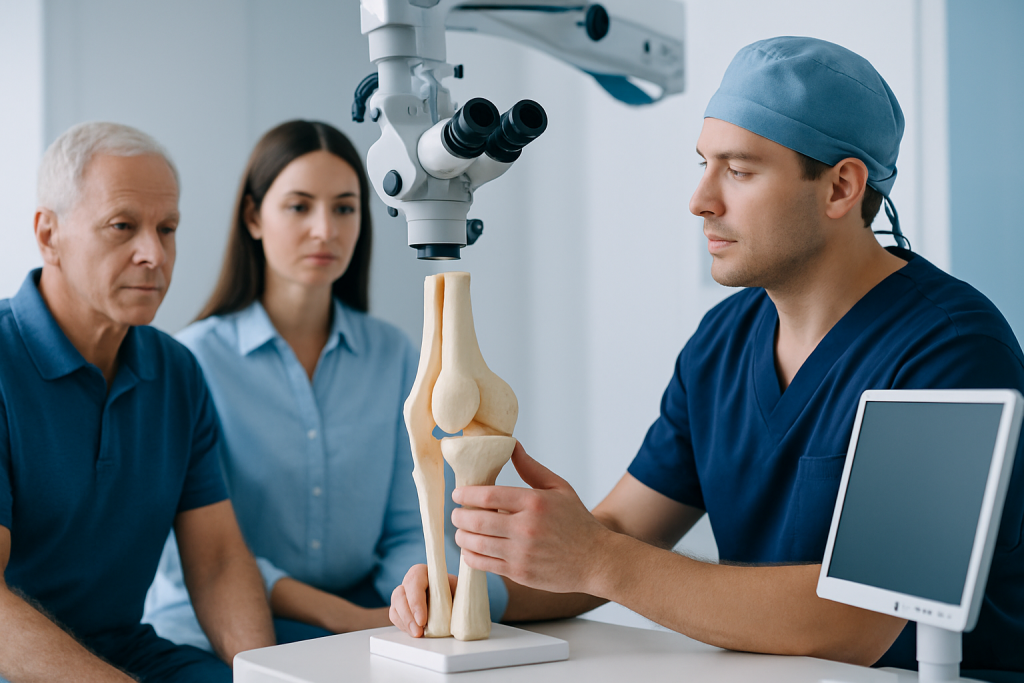
Bone and joint surgery may be recommended when pain, stiffness, instability, deformity, or limited mobility does not improve with rest, physical therapy, medication, injections, or other conservative measures. Some patients seek treatment because pain interferes with walking, work, sleep, or daily activities. Others need urgent or semi-urgent care after trauma, such as a fracture or dislocation.
Common reasons for orthopedic surgery include advanced osteoarthritis, torn ligaments or meniscus, rotator cuff injuries, degenerative joint disease, deformities, and certain spinal conditions. In some cases, surgery is done to preserve a joint; in others, it is used to replace a severely damaged joint. Examples of related conditions include osteoarthritis and scoliosis, both of which may require specialist assessment to determine whether surgery is appropriate.
Age alone does not determine whether someone is a good candidate. Surgeons usually consider symptom severity, physical examination findings, imaging results, previous treatments, bone quality, body weight, smoking status, and medical conditions such as diabetes or heart disease. For international patients, travel tolerance and the ability to participate in rehabilitation are also important parts of decision-making.
Common Procedures for International Patients
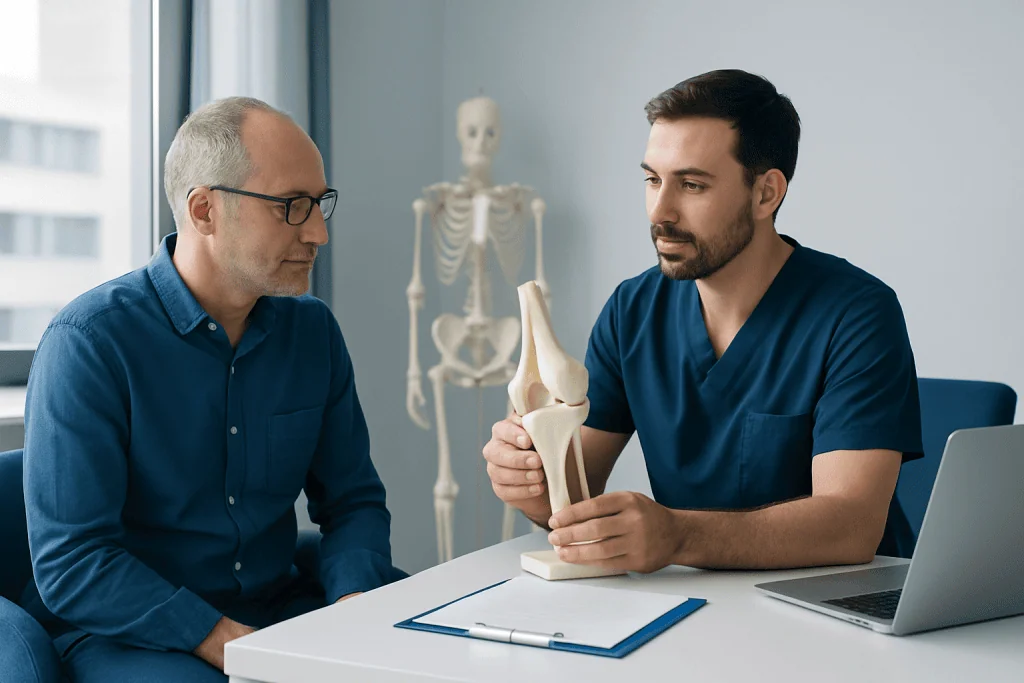
Orthopedic procedures vary widely in complexity. Some are minimally invasive, such as arthroscopy, which uses small instruments and a camera to treat selected problems inside a joint. Others are larger operations, such as joint replacement or spinal surgery, which may require several days of inpatient care followed by rehabilitation.
Frequently requested procedures include joint replacement for the hip or knee, shoulder surgery, foot and ankle surgery, fracture fixation, and sports injury reconstruction such as ACL surgery. Some patients also travel for hand surgery, revision surgery after a previous operation, or treatment of long-standing musculoskeletal pain that needs multidisciplinary evaluation.
Each procedure has a different purpose. Joint replacement aims to reduce pain and improve function when a joint is severely damaged. Arthroscopic procedures may address mechanical symptoms, instability, or selected cartilage and soft tissue problems. Fracture surgery focuses on restoring alignment and stability so the bone can heal correctly. The choice of surgery depends on diagnosis, expected benefit, and whether non-surgical options remain reasonable.
- Joint replacement: often used for severe arthritis or joint destruction
- Arthroscopy: commonly used for selected knee, shoulder, or ankle problems
- Fracture fixation: may involve plates, screws, rods, or external support
- Ligament or tendon repair: often considered after sports injuries or trauma
- Spine procedures: may be advised for instability, deformity, or nerve compression in selected cases
How Diagnosis and Pre-Travel Assessment Work
Before traveling, international patients usually begin with a remote review of symptoms, medical records, and imaging. This may include X-rays, MRI, CT scans, blood tests, and previous operative notes if surgery has already been performed elsewhere. A specialist can then advise whether more information is needed and whether the condition is likely to benefit from conservative care or surgery.
Once the patient arrives, the orthopedic team typically confirms the diagnosis through a physical examination and review of imaging. Additional testing may be needed if prior scans are outdated or incomplete. For some conditions, diagnostic uncertainty is common, so patients should expect that the final treatment plan may change after in-person assessment.
Pre-operative evaluation also includes anesthesia assessment and a review of overall health. Doctors may ask about medications, allergies, smoking, blood clot history, infection risk, heart or lung conditions, and prior surgeries. This step is especially important for major procedures such as spine surgery or joint replacement because safety depends on more than the orthopedic diagnosis alone.
Good surgical planning is usually transparent. Patients should understand the working diagnosis, why a procedure is being recommended, what alternatives exist, what the likely recovery timeline is, and what limits may remain after treatment. Asking these questions before booking travel can help set realistic expectations.
Benefits, Risks, and What to Consider Before Choosing Care Abroad
Patients often look abroad for access to specialist expertise, coordinated care, and a structured treatment journey. In orthopedics, these advantages may include timely diagnostics, multidisciplinary review, hospital-based surgery, and integrated physical therapy. Some patients also value the ability to combine consultations, surgery, and early rehabilitation within one organized schedule.
At the same time, every operation carries risk. These risks vary by procedure but may include infection, bleeding, blood clots, delayed healing, stiffness, persistent pain, nerve or blood vessel injury, implant-related problems, or the need for revision surgery later. No surgeon or hospital can eliminate risk entirely, which is why informed consent and careful patient selection matter so much.
International patients should consider practical issues as well as medical ones. Important questions include whether the hospital is appropriately accredited, whether the surgeon routinely performs the recommended procedure, how language support is provided, how long the patient should stay after surgery, and what happens if complications arise after returning home. Follow-up planning should be discussed in advance, especially for patients who will continue rehabilitation in their home country.
It is also wise to compare treatment recommendations. A thorough orthopedic center should explain when surgery is truly indicated and when non-surgical treatment may still be reasonable. A balanced opinion can help patients avoid unnecessary procedures and choose the right timing for treatment.
Treatment, Hospital Stay, and Recovery
The surgical experience depends on the operation being performed. Some procedures are day cases, while others require a hospital stay of several days. On the day of surgery, the care team usually confirms the surgical site, reviews the anesthetic plan, and discusses immediate post-operative goals such as pain control, mobilization, and prevention of blood clots or chest complications.
After surgery, recovery begins early. Depending on the procedure, patients may start assisted walking, breathing exercises, and physical therapy within a short time. Pain management is individualized, and the team may also use wound care, ice, braces, compression, or mobility aids. Early mobilization can be especially important after lower-limb surgery, when safe movement helps reduce complications and supports function.
Rehabilitation is often just as important as the operation itself. Joint replacement, ligament reconstruction, fracture repair, and spine surgery each have different recovery timelines. Some patients improve steadily over weeks, while others need several months of structured therapy before strength, flexibility, and confidence return. Progress is usually gradual rather than immediate.
Before discharge, patients should receive clear instructions about medications, wound care, warning signs, activity restrictions, travel timing, and rehabilitation exercises. If a flight home is planned, the treating team should advise when it is medically appropriate to travel and what precautions may be needed during the journey.
Preparing for Travel and Supporting Recovery
Careful preparation can make the treatment journey smoother. Patients are usually advised to gather medical records, recent imaging, a medication list, and information about allergies or chronic conditions before traveling. It is also helpful to arrange a companion if the surgery may limit mobility during the first days of recovery.
Basic health habits can support healing. If possible, patients should stop smoking, maintain balanced nutrition, and keep long-term conditions such as diabetes under good control before surgery. Good preparation may lower the risk of complications and improve recovery. Patients should also discuss any supplements or over-the-counter medicines with their doctor because some can affect bleeding or anesthesia.
Practical planning matters too. Comfortable clothing, accessible accommodation, transport support, and an understanding of how many stairs or walking distances are involved can all affect early recovery. Patients returning home should know who will continue their wound checks, physical therapy, and orthopedic follow-up if needed.
Near the end of treatment, some international patients choose centers that can coordinate specialist care, rehabilitation, and follow-up communication in one system. Acibadem International’s multidisciplinary specialists and JCI-accredited hospitals provide diagnosis and treatment for international patients needing orthopedic assessment and surgery.
When to Seek Medical Advice
Anyone considering bone and joint surgery should seek specialist advice when pain, swelling, instability, or limited motion continues despite conservative treatment, or when symptoms interfere with daily life. Prompt evaluation is especially important after injury, inability to bear weight, visible deformity, fever with joint pain, or numbness and weakness that may suggest nerve involvement.
After surgery, urgent medical review may be needed if there is increasing redness around the wound, drainage, fever, sudden calf swelling, chest pain, shortness of breath, severe uncontrolled pain, or a sudden loss of movement. These symptoms do not always mean a serious complication, but they should not be ignored.
For international patients, planning follow-up is part of safe care. They should know whom to contact both during their stay and after returning home. Clear communication between the operating team and the patient’s local doctor can make recovery safer and more reassuring.
Frequently asked questions
What is included in bone and joint surgery?
Bone and joint surgery includes a wide range of orthopedic procedures involving bones, joints, cartilage, ligaments, tendons, and related soft tissues. It can include joint replacement, fracture repair, arthroscopy, ligament reconstruction, and selected spinal procedures.
Why do international patients choose bone and joint surgery in Turkey?
Many international patients look for organized orthopedic care that combines consultation, imaging, surgery, and rehabilitation in one pathway. They may also value access to specialist teams, modern hospital facilities, and support with travel-related planning.
How long should a patient stay in Turkey after orthopedic surgery?
The required stay depends on the type of procedure, the patient’s general health, and how recovery progresses in the first days after surgery. Minor procedures may need a shorter stay, while joint replacement or spine surgery often requires more time for monitoring, wound review, and early rehabilitation before flying home.
Is rehabilitation necessary after bone and joint surgery?
In many cases, yes. Rehabilitation is often essential for restoring strength, flexibility, balance, and confidence in movement. The exact program depends on the surgery and may continue for weeks or months after discharge.
What questions should patients ask before booking surgery abroad?
Patients should ask about the exact diagnosis, whether non-surgical treatment is still an option, the surgeon’s experience with the procedure, expected risks, hospital stay, recovery timeline, and follow-up plan after returning home. It is also helpful to ask what support is available for language, records, and post-operative communication.
Can a patient travel home soon after surgery?
Travel timing should always be decided by the treating team because it depends on wound healing, mobility, pain control, and the risk of complications such as blood clots. Some patients can travel relatively soon, while others need longer observation and rehabilitation before flying.
References
- World Health Organization
- American Academy of Orthopaedic Surgeons
- National Institute for Health and Care Excellence
- OrthoInfo
- Centers for Disease Control and Prevention
This article is for general information only and is not a substitute for professional medical advice. Please consult a qualified doctor about your individual situation.
Joint and spine care in Turkey — expert assessment & treatment
JCI-accredited · board-certified surgeons · reply within 24h
Add us as a Preferred Source to see more of our trusted health content across Google Search, AI Overviews and Discover.

More from the Health Library



Related Specialists

Dr. Rafiga Gasimova
Gynecology & Obstetrics
Dr. Gülay Beydilli Nacak
Gynecology & Obstetrics
Dr. Oya Duran
Pediatrics
Assoc. Prof. Dr. Yunus Dönder
General Surgery