Bone Bruise: A Complete Medical Overview
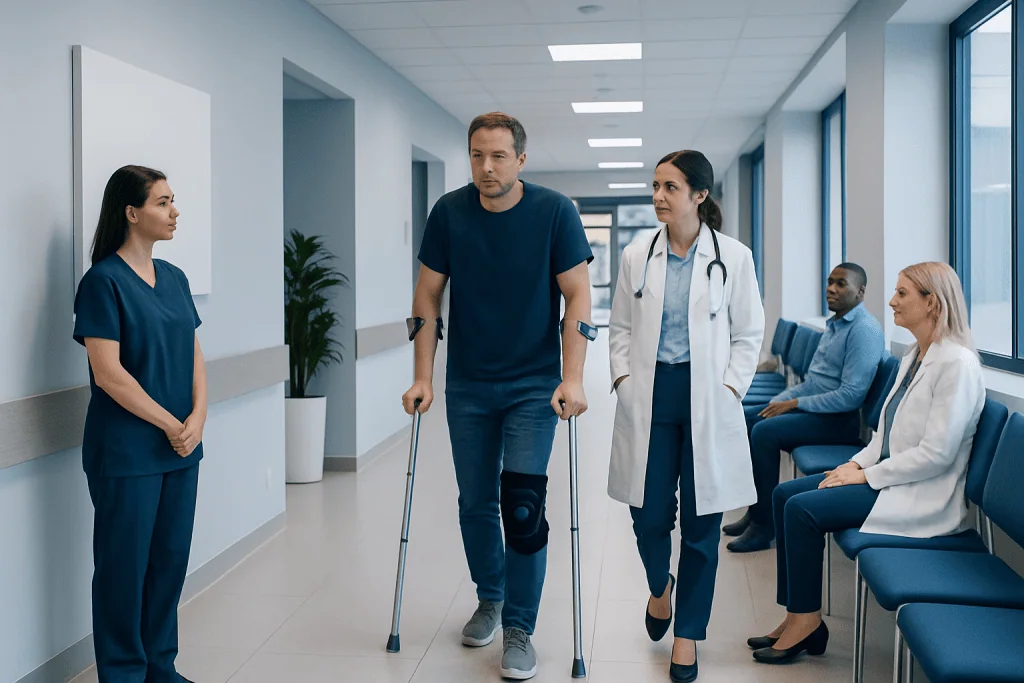
A bone bruise is an injury to the bone’s inner structure, usually caused by impact or twisting trauma. Symptoms often include pain, swelling, tenderness, stiffness, and difficulty using the affected limb or joint.
Key Takeaways
- A bone bruise is an injury to the bone’s inner structure, usually caused by impact or twisting trauma.
- Symptoms often include pain, swelling, tenderness, stiffness, and difficulty using the affected limb or joint.
- X-rays may look normal, so MRI is sometimes needed when symptoms persist or a deeper injury is suspected.
- Treatment usually focuses on rest, activity modification, pain relief, and gradual rehabilitation.
- Healing time varies and may be longer when the bruise is large or involves a weight-bearing joint.
- Medical assessment is important if pain is severe, mobility is limited, or symptoms do not improve.
A bone bruise is a deeper injury than a typical soft-tissue bruise, involving damage to the inside of the bone without a full fracture. It can cause pain, swelling, and limited movement, and it is often diagnosed based on symptoms, examination, and sometimes MRI.
Overview
A bone bruise is a traumatic injury inside the bone. It happens when force damages the bone marrow and tiny supporting structures without causing a complete break. In simple terms, it is more serious than a skin bruise but less severe than a full fracture.
Bone bruises commonly occur after sports injuries, falls, road accidents, or direct blows. They may affect the knee, ankle, hip, wrist, or other areas that absorb impact. Because the outside of the bone stays intact, the injury can be overlooked at first, especially if an X-ray does not show a fracture.
This condition matters because the pain can last longer than people expect. Recovery is often measured in weeks to months rather than days. A careful diagnosis helps distinguish a bone bruise from sprains, ligament injuries, cartilage injuries, or bone fractures, which may need different treatment.
Symptoms of a bone bruise
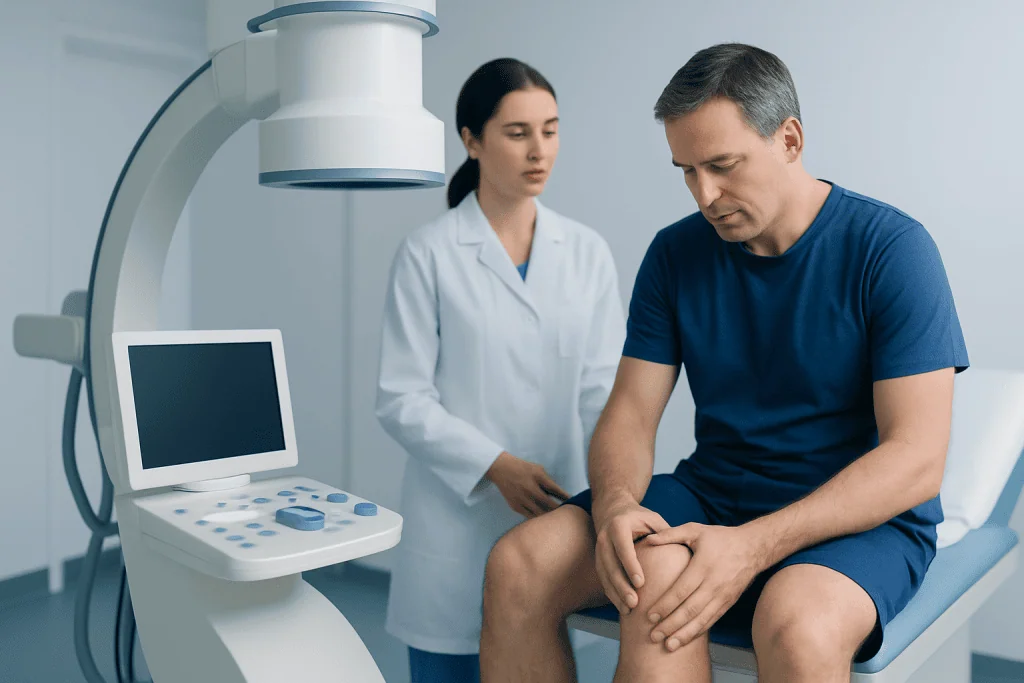
The symptoms of a bone bruise can look similar to those of a sprain or soft-tissue injury. The most common complaint is pain that feels deep, aching, and worse with movement or pressure on the area. Swelling and tenderness are also common, especially around a joint.
People may notice stiffness, reduced range of motion, or difficulty putting weight on the injured limb. For example, a bone bruise in the knee may make walking, climbing stairs, or bending the joint uncomfortable. In the ankle or foot, standing and balance can be affected.
Symptoms vary depending on the location and the extent of the injury, but may include:
- Deep pain in the bone or around a joint
- Swelling or puffiness
- Tenderness when touched
- Stiffness or limited movement
- Pain with walking, running, or sports
- Discomfort that lasts longer than a typical bruise
Unlike skin bruising, there may be little or no visible discoloration. That is one reason people sometimes continue normal activities and unintentionally delay healing.
How bone bruises happen: causes and risk factors

A bone bruise usually develops when the bone is compressed or struck with enough force to injure its internal structure. This can happen during contact sports, sudden twists, awkward landings, falls, or direct trauma. Bone bruises are especially common around joints, where bones can collide during an injury.
In the knee, for example, a bone bruise may happen along with ligament or cartilage damage after a pivoting injury. This is why doctors may look for associated problems such as a meniscus tear or ligament injury when symptoms are significant. Similar combined injuries can occur in the ankle, hip, wrist, or shoulder.
Risk factors include participation in high-impact sports, previous joint injuries, poor conditioning, reduced balance, and occupations with repeated physical strain. Older adults may also be at higher risk of more serious injury after a fall, particularly if bone strength is reduced.
Sometimes bone bruises occur in the setting of overuse rather than one major accident. Repeated stress on a bone can produce a spectrum of injury that overlaps with stress fractures, making professional assessment important when pain develops gradually and keeps returning.
Diagnosis and tests
Diagnosis begins with a medical history and physical examination. A doctor will ask how the injury happened, where the pain is located, whether weight-bearing is possible, and whether swelling or instability is present. The examination helps identify the painful area and check for signs of fracture, ligament injury, or joint damage.
X-rays are often the first imaging test because they are useful for finding fractures and dislocations. However, a bone bruise may not appear on a standard X-ray. If pain is out of proportion to the initial findings, if symptoms persist, or if there is concern for deeper injury, MRI may be recommended. MRI is the test most likely to show a bone bruise clearly.
Not every person with a suspected bone bruise needs advanced imaging. In many mild injuries, doctors make a practical diagnosis based on the exam and monitor progress over time. Imaging decisions depend on the severity of symptoms, the location of the injury, and whether treatment would change based on the result.
In some cases, additional tests are needed to assess the surrounding structures. If a joint feels unstable or mechanical symptoms such as locking are present, the clinician may evaluate for related soft-tissue injury and discuss orthopedic rehabilitation as part of recovery planning.
Treatment options and healing time
Bone bruise treatment is usually conservative. The main goals are to protect the injured area, ease pain, and allow the bone to heal. Rest, reduced impact, temporary activity modification, and gradual return to movement are the usual first steps. Depending on the location, a brace, splint, crutches, or other support may be used to reduce stress on the bone.
Cold packs and elevation may help with swelling in the early stage. Doctors may also recommend pain-relieving medicines when appropriate. If the injury involves a joint, supervised exercises can help maintain flexibility and prevent stiffness while avoiding activities that worsen pain.
Healing time varies. Smaller bone bruises may improve within several weeks, while larger injuries, weight-bearing injuries, or bruises combined with ligament or cartilage damage may take months to settle. A return to sport should be guided by pain, strength, function, and medical advice rather than by a fixed timeline.
When symptoms are prolonged or movement has been reduced for some time, structured physical therapy and rehabilitation can support safe recovery. If a doctor suspects a more complex problem around the joint, they may refer the patient for orthopedic assessment and treatment.
Self-care and recovery support
Daily habits can make a meaningful difference during recovery. Protecting the area from repeated impact is one of the most important steps. Many people improve by temporarily avoiding running, jumping, contact sports, heavy lifting, or long periods of standing, depending on where the bruise is located.
Gentle movement is often helpful once the acute pain begins to settle. Completely immobilizing a joint for too long may increase stiffness, so the balance between rest and controlled activity matters. A clinician or physiotherapist can advise when to restart stretching, strengthening, and low-impact exercise.
Practical self-care may include:
- Using support devices as advised
- Choosing low-impact activities during healing
- Applying cold packs for short periods in the early phase
- Elevating the affected area if swelling is present
- Following a gradual return-to-activity plan
- Stopping activities that trigger sharp or worsening pain
Good nutrition, adequate sleep, and smoking avoidance can also support tissue recovery. If symptoms stall or worsen, self-care alone may not be enough, and reassessment is sensible.
When to seek medical care
Medical care should be sought if pain is severe, the person cannot bear weight, the joint feels unstable, or movement is significantly limited. Care is also important if there is major swelling after trauma, persistent pain despite rest, or symptoms that do not improve as expected over the following days to weeks.
Urgent assessment is advisable when there is obvious deformity, numbness, severe weakness, fever, or concern for a fracture or dislocation. These signs do not automatically mean a serious problem, but they should not be ignored.
People with repeated injuries, athletes hoping to return to sport, and older adults after a fall may benefit from professional evaluation even when symptoms seem manageable. Identifying associated ligament, cartilage, or fracture-related injuries early can improve recovery planning.
For international patients who need further evaluation, Acibadem International’s multidisciplinary specialists and JCI-accredited hospitals diagnose and treat musculoskeletal injuries, including bone bruises and related joint problems, with imaging, rehabilitation, and orthopedic care when needed.
Frequently asked questions
Is a bone bruise the same as a fracture?
No. A bone bruise is an injury to the inside of the bone without a complete break in the bone cortex. It is less severe than a fracture, but it can still be painful and sometimes takes a long time to heal.
Can a bone bruise show up on an X-ray?
Usually not. X-rays are useful for identifying fractures and dislocations, but bone bruises are often better seen on MRI. A doctor may order MRI if symptoms continue or if a deeper injury is suspected.
How long does a bone bruise take to heal?
Healing time varies by the size and location of the injury and by whether nearby tissues are also damaged. Some bone bruises improve within a few weeks, while others take several months before pain and function fully improve.
Should someone walk on a bone bruise?
That depends on the location and severity of the injury. Mild cases may allow some walking with activity modification, while others need reduced weight-bearing or support such as crutches. A clinician can advise how much activity is safe.
What helps a bone bruise heal faster?
Protecting the injured area from repeated impact is one of the most helpful steps. Rest, gradual rehabilitation, pain control, good sleep, and following medical advice can support healing, but recovery still takes time and should not be rushed.
Can a bone bruise happen with other injuries?
Yes. Bone bruises often occur with sprains, ligament injuries, cartilage damage, or meniscus injuries, especially around the knee and ankle. This is one reason ongoing pain or instability should be medically assessed.
References
- American Academy of Orthopaedic Surgeons
- American College of Radiology
- National Institute of Arthritis and Musculoskeletal and Skin Diseases
- Mayo Clinic
- NHS
This article is for general information only and is not a substitute for professional medical advice. Please consult a qualified doctor about your individual situation.
Joint and spine care in Turkey — expert assessment & treatment
JCI-accredited · board-certified surgeons · reply within 24h
Add us as a Preferred Source to see more of our trusted health content across Google Search, AI Overviews and Discover.

More from the Health Library

Omega 6: An Evidence-Based Guide for Patients

Obgyn: A Complete Medical Overview

Fennel: What Patients Need to Know

Body Lice — Explained by Medical Evidence, Not Myths

Monophasic: A Complete Medical Overview

Fawning: A Complete Medical Overview
Related Specialists

Fzt. Melis Eda Erkanlı
Physical Medicine & Rehabilitation
Prof. Dr. Mehmet Akif Sargın
Gynecology & Obstetrics
Dr. Cezmi Karaca
General Surgery
Assoc. Prof. Dr. Talat Cem Ovalıoğlu
Neurosurgery