Bones Paining: Common Causes, Related Conditions, and When to See a Doctor

Bones paining is a symptom, not a diagnosis, and the cause can range from minor strain to a medical condition that needs treatment. True bone pain is often deep and localized, but joint, muscle, or nerve pain can feel similar.
Key Takeaways
- Bones paining is a symptom, not a diagnosis, and the cause can range from minor strain to a medical condition that needs treatment.
- True bone pain is often deep and localized, but joint, muscle, or nerve pain can feel similar.
- Warning signs include pain after injury, swelling, fever, night pain, unexplained weight loss, or pain that does not improve.
- Diagnosis may involve a physical exam, blood tests, X-rays, or advanced imaging depending on the suspected cause.
- Treatment focuses on the underlying problem and may include rest, medication, physical therapy, nutritional support, or specialist care.
Bones paining usually refers to deep, aching discomfort felt within a bone or around nearby joints and tissues. It can happen for many reasons, from minor injury and overuse to vitamin deficiency, arthritis, infection, or less commonly a serious underlying disease.
Overview: what bones paining can mean
Bones paining usually means a person feels deep, aching, or persistent discomfort that seems to come from a bone. In many cases, however, pain that feels like it is “in the bone” may actually arise from nearby joints, muscles, ligaments, or nerves. Because of this, the most important step is not just easing the pain, but finding its source.
Bone pain can affect one area, such as the shin, hip, ribs, or arm, or it can be more widespread. Some causes are temporary and relatively straightforward, such as a bruise, overuse, or a minor fracture. Others relate to underlying health problems, including low vitamin D, inflammatory conditions, infection, or disorders that weaken bone.
The pattern of pain often offers clues. Pain after an accident suggests injury, while pain that gradually worsens may point to stress on the bone, inflammation, or another medical cause. Pain with swelling, fever, or difficulty bearing weight deserves prompt medical attention.
How bone pain feels and how it differs from joint or muscle pain
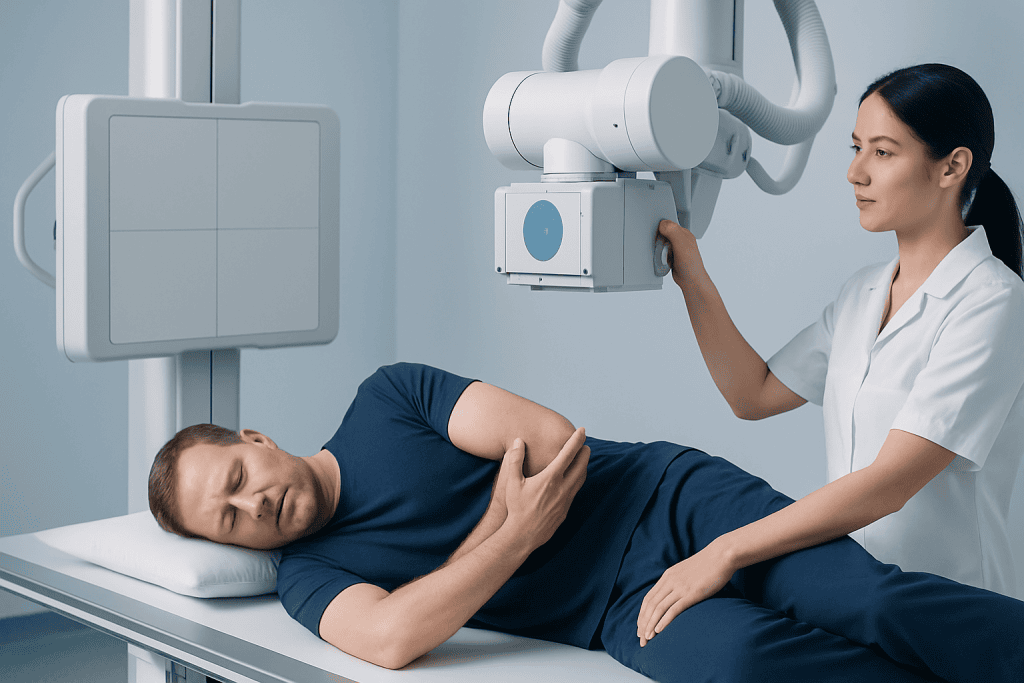
People often describe bone pain as deep, dull, throbbing, or hard to ignore. It may be constant or may worsen with movement, pressure, or at night. Some people can point to one exact spot, while others feel pain over a larger region and find it difficult to tell whether the source is the bone, the joint, or the soft tissues around it.
Joint pain is more commonly linked to stiffness, grinding, reduced range of motion, or pain that is centered where two bones meet, such as the knee, shoulder, or ankle. Muscle pain tends to feel sore, tight, cramping, or tender, and it may improve with rest or gentle stretching. Nerve pain is more often burning, shooting, tingling, or numb.
Even though these patterns can help, symptoms frequently overlap. For example, pain from arthritis may feel deep and “bony,” and a stress fracture may first be mistaken for a muscle strain. A careful history and examination help separate these possibilities.
- Bone pain: deep, aching, localized, sometimes present at rest
- Joint pain: stiffness, swelling, pain with motion
- Muscle pain: soreness, tightness, tenderness
- Nerve pain: burning, tingling, electric-shock sensation
Common causes of bones paining
Injury is one of the most common reasons for bone pain. A direct blow can bruise the bone, while falls and sports injuries can cause fractures. Repetitive stress from running, jumping, or intense training may lead to stress fractures, especially in the shin, foot, or hip. Pain typically becomes worse with activity and improves less with rest as the problem progresses.
Nutritional and metabolic causes are also important. Low vitamin D, low calcium, and conditions that affect bone strength can lead to aching bones, muscle weakness, or a higher risk of fracture. Osteoporosis itself may not cause pain until a fracture occurs, but weakened bones can make even minor injuries more significant. In adults with persistent pain and fragility concerns, evaluation for osteoporosis may be appropriate.
Inflammatory and degenerative conditions can also be involved. Pain around the hips, knees, hands, or spine may reflect wear-and-tear changes, autoimmune inflammation, or nearby tendon problems rather than pain from the bone itself. In some cases, specialists may recommend imaging, rehabilitation, or orthopedic assessment, and treatment can overlap with care used in orthopedic evaluation and treatment.
Less common but important causes include bone infection, reduced blood supply to part of a bone, and cancers that start in or spread to bone. These are not the most likely explanations for everyday aches, but they are considered when pain is severe, persistent, associated with fever, night symptoms, or unexplained weight loss.
Related conditions and risk factors
Several conditions can increase the chance of bones paining or make bone pain more likely to persist. These include osteoarthritis, inflammatory arthritis, osteoporosis, thyroid or parathyroid disorders, kidney disease, some blood disorders, and long-term use of medicines that affect bone strength. Children and teenagers may also develop bone pain from growth-related issues, sports overload, or infection, which should be assessed carefully.
Age, activity level, and hormonal changes matter as well. Older adults may be more vulnerable to fractures and degenerative joint disease. Athletes and people with repetitive workloads are more prone to overuse injuries. After menopause, bone loss becomes more likely, especially when calcium or vitamin D intake is low or physical activity is limited.
Previous cancer, ongoing infection risk, unexplained fatigue, or a weakened immune system can shift the medical evaluation in a different direction. In some situations, persistent pain in the spine, pelvis, or long bones may need more advanced work-up to exclude complex bone or soft tissue conditions. If a doctor suspects a structural problem or a lesion, the person may be referred for specialized hematology or bone-related assessment or to an oncology or orthopedic team, depending on the findings.
How doctors diagnose bone pain
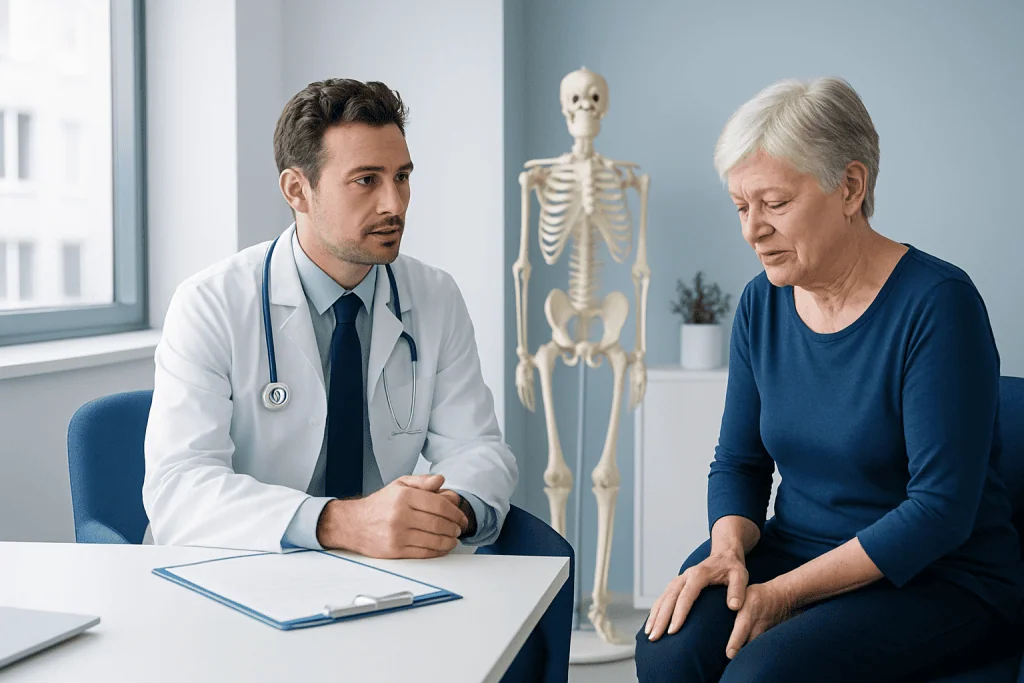
Diagnosis begins with a detailed conversation about the pain: where it is, when it started, what makes it better or worse, whether there was an injury, and whether there are other symptoms such as fever, swelling, weight loss, weakness, or numbness. A physical examination helps identify tenderness, deformity, inflammation, movement limits, and whether the pain is truly coming from a bone or a nearby structure.
Imaging is often useful. X-rays can show many fractures, arthritis changes, or obvious bone abnormalities. If the pain is persistent but the X-ray is normal, a doctor may request MRI, CT, or a bone scan to look for stress fractures, infection, reduced blood supply, or hidden lesions. When soft tissue injury is also possible, clinicians may consider approaches used in MRI-based evaluation to clarify the source.
Blood tests may be ordered to check for inflammation, infection, vitamin D deficiency, calcium imbalance, kidney function, or blood disorders. In selected cases, more specialized tests are needed. The goal is to match the evaluation to the pattern of symptoms rather than assuming all bone pain has the same cause.
Treatment options and self-care
Treatment depends on the reason for bones paining. For minor injury or overuse, doctors often recommend rest, temporary activity modification, cold packs in the early phase, and simple pain relief if appropriate for the individual. Gradual return to activity is important, especially after stress-related injuries, because pushing through pain may delay healing.
If the cause involves low vitamin D, calcium imbalance, inflammatory disease, or osteoporosis, treatment focuses on correcting the underlying issue. This may include nutritional advice, supplements when clinically indicated, medication, weight-bearing exercise, and fall-prevention strategies. When joints and surrounding tissues are contributing to the pain, physical therapy can improve strength, flexibility, and movement patterns.
Fractures, advanced arthritis, serious infections, and bone lesions may require specialist care. This can include immobilization, prescription medicines, image-guided procedures, surgery, or coordinated care between orthopedics, rheumatology, endocrinology, oncology, or infectious disease teams. Near the end of the care pathway, some international patients choose centers such as Acibadem International, where multidisciplinary specialists in JCI-accredited hospitals evaluate and treat complex bone and joint conditions.
- Rest the affected area if pain started after overuse or strain
- Avoid high-impact activity until a clinician rules out fracture
- Support bone health with adequate nutrition and safe physical activity
- Follow up if pain is not improving within a reasonable time
When to seek medical care
Medical care is recommended when bones paining lasts more than a few days without a clear reason, keeps returning, or interferes with walking, sleep, work, or everyday activity. It is also wise to arrange an assessment if the pain follows a fall or injury, even if swelling seems mild, because some fractures and stress injuries are not obvious at first.
Urgent assessment is needed if bone pain comes with visible deformity, inability to bear weight, fever, redness, significant swelling, numbness, weakness, or severe night pain. Unexplained weight loss, a history of cancer, or pain that steadily worsens should also be evaluated promptly.
For children, new limping, refusal to use a limb, nighttime pain, or pain with fever should never be ignored. A clinician can determine whether the cause is a common sports-related issue, a nutritional problem, or something that needs faster treatment.
Frequently asked questions
What does bones paining usually mean?
Bones paining usually refers to discomfort that feels deep and seems to come from a bone, but the true source may also be a nearby joint, muscle, or nerve. Common causes include injury, overuse, vitamin deficiency, arthritis, and less commonly infection or a more serious underlying condition.
Why do my bones hurt without an injury?
Bone pain without injury can happen for several reasons, including vitamin D deficiency, inflammation, osteoporosis-related problems, infection, or referred pain from nearby tissues. If the pain is persistent, recurrent, or associated with other symptoms, a medical evaluation can help identify the cause.
Can stress cause bones paining?
Stress itself does not usually cause pain inside the bones, but it can increase muscle tension, heighten pain awareness, and worsen the experience of ongoing discomfort. Stress can also contribute indirectly if it affects sleep, activity levels, or nutrition.
Is bone pain the same as arthritis?
Not exactly. Arthritis mainly affects joints, causing pain, stiffness, and swelling where bones meet, although it can feel like deep bone pain. A doctor can help distinguish joint disease from true bone pain or soft tissue problems around the joint.
When should bone pain be taken seriously?
Bone pain should be taken seriously if it is severe, follows trauma, causes difficulty walking, or comes with fever, swelling, night pain, numbness, weakness, or unexplained weight loss. Pain that persists or gradually worsens also deserves medical attention.
How is the cause of bone pain diagnosed?
Doctors diagnose bone pain by combining the medical history, physical examination, and tests when needed. These may include X-rays, MRI or other imaging, and blood tests to look for injury, inflammation, infection, vitamin deficiency, or bone disease.
References
- National Institutes of Health
- MedlinePlus
- American Academy of Orthopaedic Surgeons
- National Institute of Arthritis and Musculoskeletal and Skin Diseases
- Mayo Clinic
This article is for general information only and is not a substitute for professional medical advice. Please consult a qualified doctor about your individual situation.
Joint and spine care in Turkey — expert assessment & treatment
JCI-accredited · board-certified surgeons · reply within 24h
Add us as a Preferred Source to see more of our trusted health content across Google Search, AI Overviews and Discover.