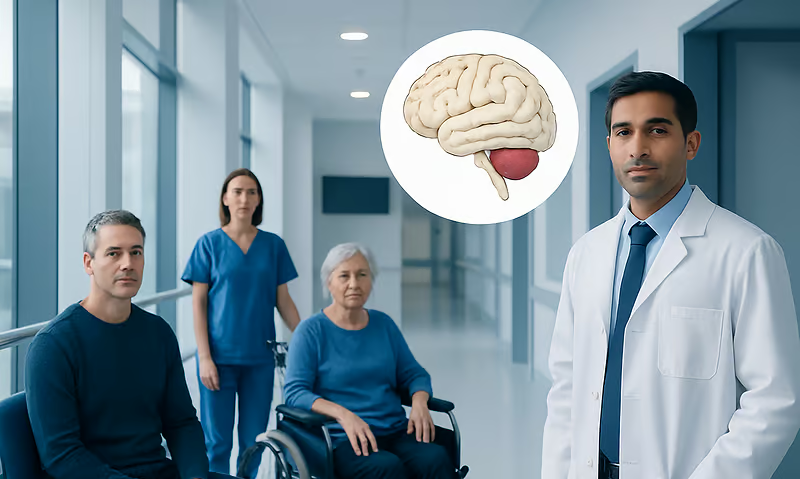
Brain Abscess: A Complete Medical Overview

A brain abscess is an infection-related pocket of pus that can create pressure and inflammation in the brain. Symptoms may include headache, fever, confusion, seizures, weakness, or changes in speech and vision, but presentations vary.
Key Takeaways
- A brain abscess is an infection-related pocket of pus that can create pressure and inflammation in the brain.
- Symptoms may include headache, fever, confusion, seizures, weakness, or changes in speech and vision, but presentations vary.
- CT or MRI scans are central to diagnosis, while laboratory tests and drainage samples can help identify the infection.
- Treatment usually includes intravenous antimicrobial medicines and may include neurosurgical drainage or removal.
- New or worsening neurological symptoms, seizures, confusion, or severe headache require urgent medical care.
A brain abscess is a localized collection of pus caused by infection in or near the brain. It is uncommon but serious, and prompt evaluation with brain imaging and specialist treatment can help prevent complications.
What Is a Brain Abscess?
A brain abscess is a pocket of pus that forms within brain tissue because of an infection. It usually develops when bacteria, fungi, or, rarely, parasites reach the brain and the body’s immune response walls off the infected area. Although a brain abscess is uncommon, it is a medical emergency because swelling and pressure inside the skull can affect important brain functions.
Infection may reach the brain from another part of the body, spread directly from a nearby infection, or enter after a head injury or neurosurgical procedure. The condition can affect people of any age. It is more likely in people with weakened immune defenses, certain long-term health conditions, or untreated infections in areas close to the brain, but it can also occur in people without these risk factors.
A brain abscess is different from meningitis, which is inflammation of the membranes surrounding the brain and spinal cord. Both conditions can be caused by infection and can have overlapping symptoms, but they require different assessment and treatment plans. Timely care from specialists in infectious diseases, neurology, radiology, and neurosurgery is important.
Symptoms and How They May Develop
Brain abscess symptoms depend on the abscess size, location, number of abscesses, and how quickly swelling develops. Symptoms may appear gradually over days to weeks, although some people become unwell more quickly. Headache is common and may become persistent or progressively worse, particularly when accompanied by nausea, vomiting, or neurological changes.
Possible symptoms include fever, drowsiness, confusion, personality or behavior changes, neck stiffness, seizures, weakness or numbness on one side of the body, difficulty speaking, poor coordination, and changes in vision. Fever is not present in every person, so its absence does not rule out a serious infection. In infants and young children, symptoms can be less specific and may include irritability, poor feeding, vomiting, unusual sleepiness, or seizures.
The location of the infection can shape the symptoms. For example, an abscess affecting areas responsible for movement may cause weakness, while one near language-processing regions may affect speech or understanding. Symptoms such as a first seizure, sudden confusion, new weakness, or a severe worsening headache should always be assessed urgently.
How Does a Brain Abscess Occur?

Many brain abscesses develop when an infection spreads from another site. Nearby infections of the middle ear, mastoid bone, sinuses, teeth, or skull can occasionally extend into adjacent tissues. In other cases, infection travels through the bloodstream from a distant part of the body, such as the lungs, heart, abdomen, or skin. A heart infection, known as infective endocarditis, is one potential source of bloodstream infection.
Head trauma that penetrates the skull, brain surgery, or the presence of certain medical devices can provide a route for microorganisms to enter. The organisms involved vary according to the source of infection, the person’s immune status, travel history, and other clinical factors. Bacteria are the most frequent cause, while fungal infections are more likely in some people with substantially weakened immune systems.
Risk can be higher for people with conditions or treatments that suppress immune function, including some cancers, organ transplantation, advanced HIV infection, long-term high-dose corticosteroid use, or certain immune-modifying medicines. Congenital heart conditions that allow blood to bypass the lungs may also raise risk in some individuals. However, having a risk factor does not mean a brain abscess will develop, and clinicians often investigate carefully to identify the most likely source.
Diagnosis: Imaging, Tests, and Finding the Source
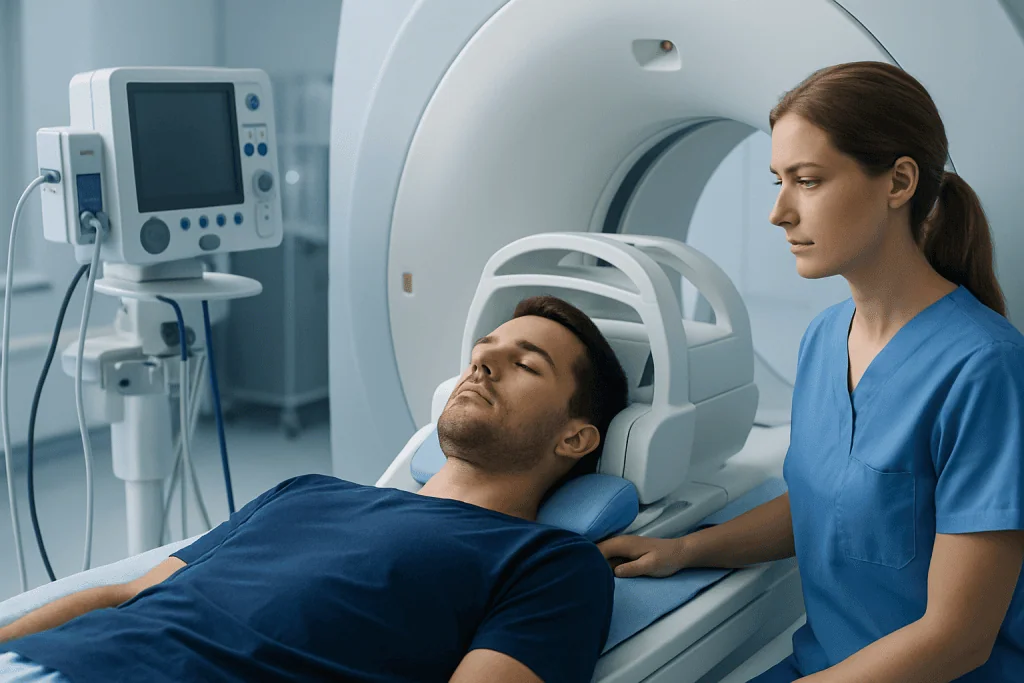
Doctors assess symptoms, medical history, recent infections, immune status, and findings from a neurological examination. Because symptoms can resemble those of stroke, a tumor, migraine, or other neurological conditions, brain imaging is essential. Contrast-enhanced MRI is often especially useful for evaluating a suspected abscess, while CT may be performed quickly in urgent settings or when MRI is not appropriate.
Blood tests can look for signs of infection or inflammation and assess general health before treatment. Blood cultures may help identify bacteria circulating in the bloodstream. Depending on the clinical situation, doctors may also arrange chest imaging, heart ultrasound, dental assessment, ear and sinus assessment, or other tests to locate the original infection.
If drainage or surgery is needed, a sample of pus can be sent to a laboratory for microscopy, culture, and other testing. This can identify the responsible organism and guide the most suitable antimicrobial treatment. A lumbar puncture, sometimes called a spinal tap, is not routinely performed when a brain abscess is suspected because pressure changes may be unsafe; the care team decides whether it is appropriate only after imaging and specialist assessment.
Brain Abscess Treatment Options
Treatment is usually started promptly in hospital. It commonly involves intravenous antibiotics chosen to cover likely organisms, then adjusted when culture or other test results are available. Antifungal or antiparasitic medicines may be used when indicated. Treatment often continues for several weeks, and the exact duration depends on the organism, response to therapy, imaging findings, drainage results, and the person’s overall health.
Some abscesses require neurosurgical drainage, often using a minimally invasive image-guided approach. Drainage can reduce pressure, obtain a sample to identify the cause, and support recovery. Surgical removal may be considered for selected abscesses, such as those that are large, close to the brain surface, causing significant pressure, or not responding as expected to medical treatment.
Doctors may also treat seizures with antiseizure medicines and address complications such as raised pressure inside the skull. Corticosteroids are used selectively, rather than routinely, because they may be helpful for severe swelling but can also affect immune responses. Repeat CT or MRI scans are commonly used to check that the abscess and surrounding inflammation are improving.
Care is individualized. Acibadem International’s multidisciplinary specialists and JCI-accredited hospitals diagnose and treat complex neurological infections for international patients, with treatment plans coordinated across neurosurgery, neurology, infectious diseases, and imaging teams.
Recovery, Follow-Up, and Reducing Risk
Recovery varies widely. Some people recover fully, while others need rehabilitation or ongoing support for effects such as weakness, balance difficulty, speech changes, fatigue, memory concerns, or seizures. Recovery may take time even after the infection is controlled. Physical therapy, occupational therapy, speech and language therapy, and neuropsychological support may be recommended according to each person’s needs.
Follow-up appointments and repeat imaging are important because clinicians need to confirm that the abscess has resolved and that treatment can be safely adjusted or completed. It is important to take prescribed medicines exactly as directed and attend scheduled blood tests or scans. A person should not stop antibiotics or antiseizure medicines early unless their treating clinician advises it.
There is no single way to prevent every brain abscess. Helpful measures include seeking timely care for persistent ear, sinus, dental, skin, lung, or heart infection; keeping vaccinations up to date as advised; and discussing infection prevention with a clinician before immune-suppressing treatment. People with known heart conditions or reduced immunity should ask their medical team which symptoms deserve prompt review.
When to Seek Medical Care
Urgent medical evaluation is needed for a severe or worsening headache with fever, repeated vomiting, confusion, fainting, a seizure, new weakness or numbness, trouble speaking, loss of balance, or significant changes in vision. These symptoms do not always mean a brain abscess, but they can indicate a condition that needs emergency assessment. Emergency services should be contacted immediately if a person has a seizure for the first time, does not regain normal awareness afterward, or has sudden stroke-like symptoms.
A clinician should also be contacted promptly for a persistent headache or fever occurring with an ear, sinus, tooth, chest, or skin infection, especially in someone with a weakened immune system. Parents and caregivers should seek timely advice if a child has unusual sleepiness, persistent vomiting, irritability, poor feeding, fever, or a seizure.
Early assessment does not mean that a brain abscess is likely; these symptoms have many possible causes. However, prompt imaging and expert evaluation are the safest way to identify serious infections and begin appropriate care without delay.
Frequently asked questions
Can a brain abscess be cured?
Many brain abscesses can be successfully treated with prompt antimicrobial therapy and, when needed, neurosurgical drainage. The outlook depends on factors including the size and location of the abscess, the organism involved, underlying health conditions, and how early treatment begins. Ongoing imaging and follow-up are important parts of care.
What does a brain abscess headache feel like?
The headache may be persistent, progressive, or different from a person’s usual headaches. It can occur with nausea, vomiting, fever, confusion, weakness, or seizures, but symptoms vary considerably. A worsening headache with neurological symptoms needs urgent medical assessment.
Can a sinus or tooth infection cause a brain abscess?
In rare cases, infections in the sinuses, ears, mastoid area, or teeth can spread to nearby areas and contribute to a brain abscess. Most routine sinus and dental infections do not lead to this complication. Prompt assessment and appropriate treatment of persistent or severe infections can reduce the chance of complications.
Is a brain abscess contagious?
A brain abscess itself is not generally contagious from person to person. However, some infections that may contribute to an abscess can be transmissible, depending on the organism. The treating team can explain whether any infection-control precautions are needed.
Will surgery always be needed for a brain abscess?
No. Some smaller abscesses in appropriate locations can be treated with antimicrobial medicines and close imaging follow-up. Surgery or image-guided drainage is more likely when an abscess is large, causing pressure, difficult to identify through other testing, or not responding adequately to medicines.
How long does treatment for a brain abscess take?
Treatment commonly lasts several weeks and often begins with medicines given intravenously in hospital. The duration is tailored to imaging results, laboratory findings, whether drainage was performed, and the person’s clinical recovery. Follow-up scans may continue after the initial treatment period.
References
- World Health Organization
- Centers for Disease Control and Prevention
- Merck Manual Professional Edition
- National Institute of Neurological Disorders and Stroke
- Infectious Diseases Society of America
This article is for general information only and is not a substitute for professional medical advice. Please consult a qualified doctor about your individual situation.
Explore treatments in Turkey — costs, top hospitals & a free quote
JCI-accredited · board-certified surgeons · reply within 24h
Add us as a Preferred Source to see more of our trusted health content across Google Search, AI Overviews and Discover.