Brain Aneurysm Coiling Recovery: Hospital Stay, Aftercare, and Warning Signs

Most people stay in the hospital for monitoring after aneurysm coiling, especially if the aneurysm has ruptured. Mild fatigue, headache, and groin or wrist soreness can be common early in recovery.
Key Takeaways
- Most people stay in the hospital for monitoring after aneurysm coiling, especially if the aneurysm has ruptured.
- Mild fatigue, headache, and groin or wrist soreness can be common early in recovery.
- Follow-up scans are important because a treated aneurysm may need long-term surveillance.
- A sudden severe headache, weakness, confusion, seizures, or trouble speaking needs urgent medical evaluation.
- Recovery time varies depending on whether the aneurysm was ruptured, overall health, and any complications.
Brain aneurysm coiling recovery often begins with close monitoring in the hospital, followed by rest, gradual return to activity, and follow-up imaging. Knowing what is normal after the procedure and which warning signs need urgent attention can help patients and families feel more prepared.
Overview: What brain aneurysm coiling recovery involves
Brain aneurysm coiling is a minimally invasive procedure used to treat an aneurysm inside the brain by filling it with tiny coils delivered through a catheter. The aim is to reduce blood flow into the aneurysm and lower the risk of bleeding. Recovery after coiling varies from person to person, but many patients want to know what happens in the hospital, what symptoms are expected, and when they can return to normal life.
The recovery process depends on several factors, especially whether the aneurysm was treated before it ruptured or after a bleed. Recovery is often faster and more straightforward when the aneurysm is unruptured. If a rupture has occurred, recovery may be longer because the brain needs time to heal from both the bleeding and the procedure itself.
In general, early recovery focuses on monitoring for complications, controlling pain, and supporting safe movement, eating, and daily activities. Longer-term recovery includes follow-up visits and imaging tests to make sure the aneurysm remains sealed. People who want more background on the condition itself may also read about a brain aneurysm.
Hospital stay after aneurysm coiling
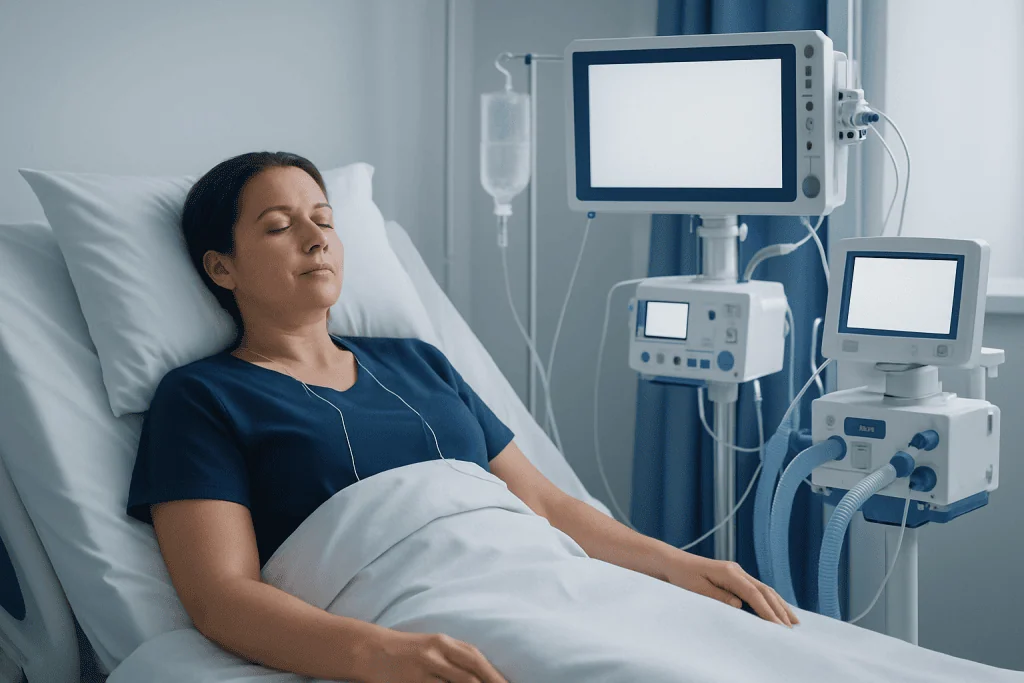
After the procedure, the patient is usually moved to a recovery area or an intensive care or high-dependency unit for close observation. The medical team checks blood pressure, heart rate, alertness, speech, movement, and the catheter entry site, which is often in the groin and sometimes in the wrist. This careful monitoring helps detect bleeding, changes in brain function, or problems with circulation as early as possible.
The length of hospital stay depends on the reason for treatment. For an unruptured aneurysm treated electively, some patients may go home within one to two days if they are stable. For a ruptured aneurysm, the stay is usually longer because doctors also monitor for complications such as vasospasm, hydrocephalus, and effects from the initial hemorrhage.
During the hospital stay, the care team may perform blood tests, neurological examinations, and imaging studies. Medications may be used to manage pain, nausea, blood pressure, or clotting-related concerns. If a stent was placed along with the coils, the patient may need antiplatelet medicines for a period of time, and the team will explain how and when to take them safely.
Before discharge, the patient and family usually receive instructions about wound care, activity limits, medicines, follow-up appointments, and symptoms that require urgent help. If needed, rehabilitation support may also be arranged before leaving the hospital.
Common symptoms during recovery

It is common to feel tired for days or weeks after brain aneurysm coiling recovery. Many people also notice mild headache, nausea, reduced appetite, or general soreness. If the catheter was inserted through the groin, there may be bruising or tenderness at that site. Wrist access can also leave temporary discomfort or bruising.
Some patients feel emotionally unsettled after treatment, especially if the aneurysm was discovered unexpectedly or if there was an emergency admission. Feeling anxious, irritable, or mentally drained does not necessarily mean something is wrong. Rest, reassurance, and follow-up with the care team can be helpful, and persistent mood or memory concerns should be discussed with a doctor.
When a ruptured aneurysm has been treated, recovery symptoms can be more noticeable. Headaches may be stronger, concentration can be reduced, and energy levels may stay low for longer. Depending on the effects of the bleed, some people may need physical, occupational, or speech rehabilitation as part of recovery.
Symptoms should gradually improve rather than steadily worsen. A small amount of discomfort near the access site is usually expected, but increasing swelling, persistent bleeding, fever, or significant worsening of pain should be reported promptly.
Aftercare at home and returning to daily life
Once at home, recovery is usually supported by rest, hydration, regular meals, and a gradual return to routine. Patients are often advised to avoid heavy lifting, strenuous exercise, and driving for a period recommended by their doctor. The access site should be kept clean and observed for new bleeding, warmth, redness, or expanding swelling.
Medication instructions should be followed carefully. This is especially important if antiplatelet or blood-thinning medicines have been prescribed after coiling with a stent or flow-related device. Patients should not stop these medicines without medical advice, because doing so may increase the risk of a clot. If more details about the procedure are helpful, a doctor may discuss aneurysm coiling as part of the overall care plan.
Returning to work depends on the type of job, the person’s energy level, and whether the aneurysm ruptured. People with office-based work may return sooner than those with physically demanding jobs. It is usually wise to build up activity slowly and allow time for rest, since fatigue can remain even when the procedure itself went well.
Family support can make recovery easier. Practical help with transport, meals, and medications may be useful at first. Patients should also ask their doctor when it is safe to exercise, travel, resume sexual activity, and restart other personal routines.
Follow-up tests and long-term monitoring
Follow-up is a key part of brain aneurysm coiling recovery because treated aneurysms need surveillance over time. Even when the initial procedure is successful, part of the aneurysm can occasionally reopen or refill. Imaging allows the team to check whether the aneurysm remains securely treated and whether any further procedure is needed.
Doctors may recommend magnetic resonance angiography, computed tomography angiography, or catheter angiography at scheduled intervals. The exact timing varies based on the aneurysm’s size, shape, location, and the technique used during treatment. Patients should keep these appointments even if they feel well, since changes are not always noticeable through symptoms alone.
Some people need additional treatment if the aneurysm is not fully sealed or if it changes over time. In selected situations, the care team may discuss related endovascular options such as flow diverter stent treatment or other neurointerventional procedures. For a broader view of related care, patients may also hear about endovascular treatment in the context of cerebrovascular disease.
Long-term follow-up may also include management of blood pressure, smoking cessation support, and assessment of other vascular risk factors. These steps can support overall brain and blood vessel health after treatment.
Warning signs that need urgent medical attention
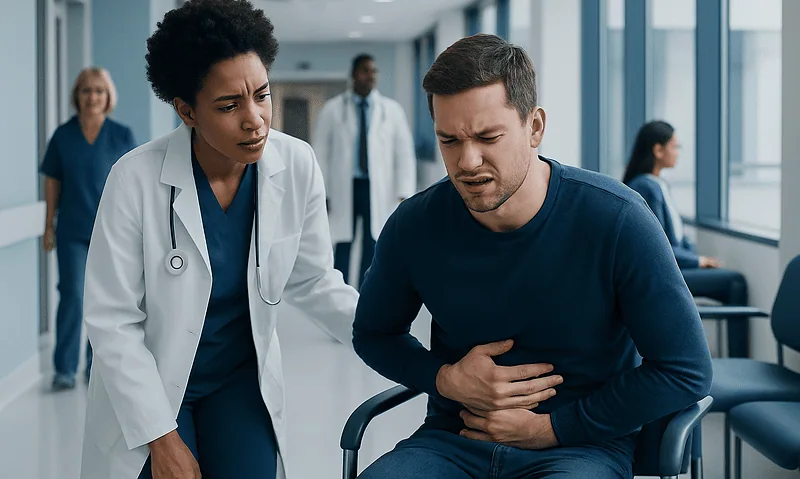
While many recovery symptoms are mild and temporary, some signs need urgent medical care. The most important warning sign is a sudden, severe headache that is very different from the usual post-procedure discomfort. This can be especially concerning if it comes with vomiting, neck stiffness, confusion, fainting, or rapid worsening.
Other emergency symptoms include new weakness or numbness in the face, arm, or leg; trouble speaking or understanding speech; vision loss or double vision; seizures; severe drowsiness; or loss of balance. These symptoms may suggest bleeding, stroke, reduced blood flow, or another neurological complication and should never be ignored.
Patients should also seek prompt help for chest pain, shortness of breath, severe allergic symptoms, or access-site problems such as ongoing bleeding, a rapidly enlarging lump, a cold or pale limb, or signs of infection. If there is uncertainty, it is safer to contact the treating team or emergency services rather than wait.
It can be useful for family members to know these warning signs as well, because a person recovering from a brain procedure may not always recognize changes in their own thinking, speech, or coordination. Quick action can be important if complications occur.
Recovery timeline, self-care, and support
There is no single recovery timeline that fits everyone. After elective treatment of an unruptured aneurysm, some people feel significantly better within days, though tiredness may last longer. After treatment of a ruptured aneurysm, recovery can take weeks to months, especially if the person experienced neurological effects from the bleed.
Healthy self-care habits may support recovery. These include taking medicines as prescribed, not smoking, limiting alcohol if advised, getting enough sleep, and attending all follow-up visits. Blood pressure control is especially important, and patients should ask their doctor how often to monitor it and what targets are appropriate for them.
Emotional recovery matters too. Worry about future scans, fear of another bleed, or a sense of vulnerability can be common after a brain vascular diagnosis. Speaking with the medical team, a counselor, or a support group may help patients and families adjust and feel more confident during recovery.
If additional specialist input is needed, Acibadem International’s multidisciplinary specialists and JCI-accredited hospitals diagnose and treat this condition for international patients. Patients should always follow advice tailored to their own medical history and treatment details.
Frequently asked questions
How long does brain aneurysm coiling recovery take?
Recovery time depends largely on whether the aneurysm was ruptured or unruptured before treatment. Many people treated for an unruptured aneurysm improve within days to a few weeks, while recovery after a rupture may take much longer and can involve rehabilitation.
How long is the hospital stay after aneurysm coiling?
For an unruptured aneurysm, the stay may be short if recovery is smooth, sometimes around one to two days. If the aneurysm ruptured, the stay is usually longer because the patient needs closer neurological monitoring and treatment for possible complications.
Is headache normal after coiling?
Mild to moderate headache can happen after the procedure and may improve over time with rest and medical guidance. However, a sudden, severe, or clearly worsening headache should be treated as urgent and assessed right away.
When can someone return to work after brain aneurysm coiling?
Return to work varies based on the type of job, energy levels, and whether there was a rupture or any neurological effect. A doctor usually recommends a gradual return, especially if fatigue, concentration problems, or physical weakness are still present.
Will follow-up scans still be needed if the aneurysm was treated successfully?
Yes. Follow-up imaging is an important part of care because a treated aneurysm can sometimes change over time even when the first procedure goes well. These scans help the medical team decide whether observation is enough or whether additional treatment is needed.
What warning signs after coiling should never be ignored?
Urgent warning signs include sudden severe headache, weakness, numbness, seizures, trouble speaking, confusion, vision changes, or loss of consciousness. Persistent bleeding or major swelling at the catheter site also needs prompt medical attention.
References
- American Heart Association
- National Institute of Neurological Disorders and Stroke
- NHS
- Society of NeuroInterventional Surgery
- Brain Aneurysm Foundation
This article is for general information only and is not a substitute for professional medical advice. Please consult a qualified doctor about your individual situation.
Explore treatments in Turkey — costs, top hospitals & a free quote
JCI-accredited · board-certified surgeons · reply within 24h
Add us as a Preferred Source to see more of our trusted health content across Google Search, AI Overviews and Discover.
Check your numbers in seconds
BMI, calories, due date, blood pressure and 30+ more clinical calculators — free, instant, doctor-reviewed ranges.