Brain Aneurysm Coiling Recovery: Hospital Stay, Risks, and Follow-Up Imaging

Most patients stay in the hospital for observation after brain aneurysm coiling, though the exact length depends on whether the aneurysm was ruptured or unruptured. Recovery commonly includes fatigue, mild headache, and bruising at the catheter entry site, with gradual improvement over days to weeks.
Key Takeaways
- Most patients stay in the hospital for observation after brain aneurysm coiling, though the exact length depends on whether the aneurysm was ruptured or unruptured.
- Recovery commonly includes fatigue, mild headache, and bruising at the catheter entry site, with gradual improvement over days to weeks.
- Possible risks after coiling include bleeding, stroke, blood vessel spasm, recurrence, or the need for additional treatment.
- Follow-up imaging is essential because some aneurysms can reopen or change over time after coiling.
- Urgent medical review is needed for severe headache, new weakness, confusion, seizures, or worsening neurological symptoms.
Brain aneurysm coiling recovery is often quicker than recovery after open surgery, but it still requires close monitoring, rest, and scheduled follow-up imaging. Understanding what happens in the hospital, what symptoms to watch for, and how recovery progresses can help patients and families feel more prepared.
Overview
Brain aneurysm coiling is a minimally invasive procedure used to treat certain aneurysms inside the brain. During the procedure, a specialist guides a thin catheter through a blood vessel, usually from the groin or wrist, to the aneurysm. Tiny coils are then placed inside the aneurysm to reduce blood flow into it and help lower the risk of bleeding.
Recovery after coiling varies from person to person. It depends on several factors, including the patient’s overall health, the aneurysm’s size and location, and whether the aneurysm had already ruptured before treatment. In general, people treated for an unruptured aneurysm tend to recover faster than those treated after a hemorrhage.
Although coiling avoids a large incision in the skull, it is still a serious neurovascular procedure. Careful observation in the hospital, attention to symptoms at home, and follow-up imaging are all important parts of safe recovery. Some patients may also need long-term monitoring because an aneurysm can occasionally reopen after treatment.
What to Expect During the Hospital Stay
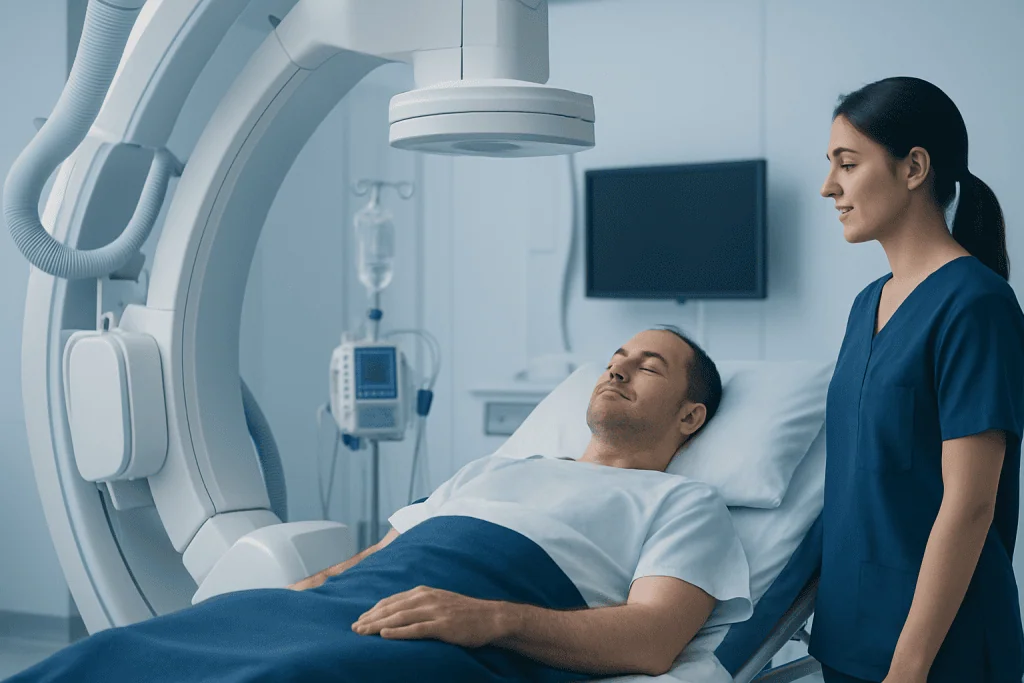
After brain aneurysm coiling, patients are usually monitored in a recovery area, intensive care unit, or specialized neurology/neurosurgery ward. The healthcare team checks blood pressure, heart rate, breathing, alertness, and neurological function. The catheter entry site is also examined for bleeding, swelling, or signs of poor circulation.
For an unruptured aneurysm, the hospital stay may be relatively short if recovery is smooth. Some patients go home within one to two days. If the aneurysm ruptured before treatment, the stay is often longer because the medical team must watch for complications such as vasospasm, hydrocephalus, rebleeding, or other effects of subarachnoid hemorrhage.
It is common to feel tired after the procedure. Mild headache, nausea, and soreness or bruising where the catheter was inserted can also occur. Patients may be asked to lie flat for a period after the procedure, depending on the access site and the devices used. Fluids, pain relief, and medicines to support blood vessel health or prevent clotting may also be part of post-procedure care.
Before discharge, the team usually reviews activity limits, medications, warning signs, and follow-up appointments. If needed, patients may also be advised about rehabilitation, especially after a ruptured aneurysm or if there were any neurological symptoms before or after treatment.
Common Recovery Symptoms and Timeline
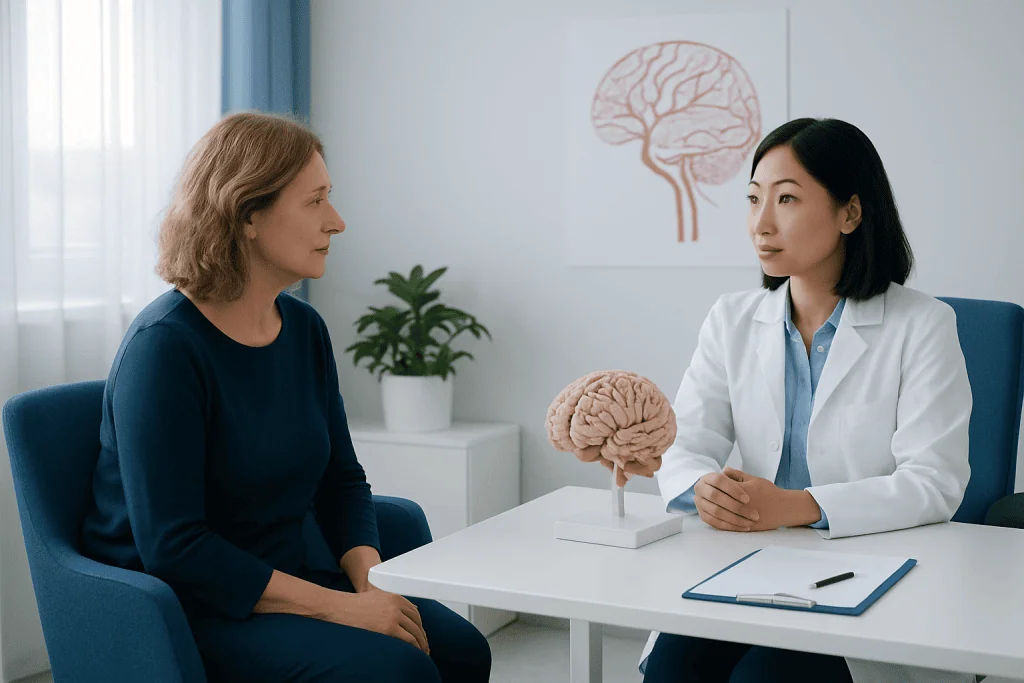
In the first few days, many patients notice fatigue more than anything else. The body is recovering not only from the aneurysm treatment itself but also from anesthesia, contrast dye, and the stress of hospitalization. Rest is important, and improvement is often gradual rather than immediate.
Headache can happen after coiling, but it is usually mild to moderate and improves over time. Some people also feel discomfort in the groin or wrist, depending on where the catheter entered the body. Bruising, tenderness, and a small lump at the access site may occur and often settle over days to weeks.
Return to normal activity depends on the individual situation. People treated for an unruptured aneurysm may resume light daily tasks fairly soon, while strenuous exercise, heavy lifting, and driving may need to wait until a doctor says it is safe. Recovery is often longer after treatment of a ruptured aneurysm because the brain may need time to recover from bleeding as well as the procedure.
Emotional recovery also matters. It is not unusual to feel anxious, mentally drained, or unusually emotional after treatment for a brain aneurysm. Reassurance, clear follow-up plans, and support from family and clinicians can help. Patients recovering from a brain aneurysm may benefit from asking their care team when to return to work, travel, and exercise.
Risks and Possible Complications After Coiling
Brain aneurysm coiling is widely used and can be very effective, but like any procedure involving the brain and blood vessels, it carries risks. Potential complications include bleeding, clot formation, stroke, damage to the blood vessel, reactions to contrast dye, or problems at the catheter entry site. These risks are carefully considered before treatment.
One concern after coiling is that the aneurysm may not remain completely sealed over time. In some cases, coils can compact, or blood flow can re-enter part of the aneurysm. This does not mean treatment failed, but it is one reason follow-up imaging is so important. Some patients may need additional monitoring or another procedure later.
Patients treated after a ruptured aneurysm may also face risks related to the original bleeding, such as vasospasm, hydrocephalus, seizures, or cognitive changes. These complications are usually watched closely in the hospital. Specialists may use additional tests or treatments if needed, including advanced interventional neuroradiology techniques or supportive neurologic care.
At home, urgent warning signs include a sudden severe headache, confusion, fainting, trouble speaking, weakness, numbness, vision changes, seizure, chest pain, shortness of breath, or significant bleeding from the catheter site. New or worsening symptoms should be assessed promptly by a qualified doctor or emergency service.
Follow-Up Imaging and Why It Matters
Follow-up imaging is a routine and essential part of brain aneurysm coiling recovery. Even when the procedure goes well and symptoms improve, imaging helps confirm that the aneurysm remains adequately closed and that blood flow in nearby vessels is satisfactory. It also helps detect early changes that may not cause symptoms at first.
The exact schedule varies by hospital and by the type of aneurysm treated. Doctors may recommend imaging within months of treatment and then at longer intervals afterward. Common tests include magnetic resonance angiography, computed tomography angiography, or catheter angiography, depending on what information is needed most clearly.
Catheter angiography is more invasive than MRI- or CT-based imaging, but it can provide very detailed information when necessary. A doctor chooses the imaging plan based on the aneurysm’s location, shape, whether a stent was used, and how complete the initial closure appeared. Patients should ask which test is planned and whether any special preparation is needed.
If follow-up imaging shows incomplete closure or recurrence, the team may advise continued observation or further treatment. In some cases, another endovascular procedure or a different approach may be considered, such as brain aneurysm treatment tailored to the aneurysm’s anatomy and long-term risk.
Self-Care, Medications, and Returning to Daily Life
At home, recovery is usually supported by rest, hydration, balanced meals, and gradual return to activity. Patients are often advised to avoid heavy lifting, intense exercise, and straining for a period recommended by their doctor. Gentle walking may be encouraged once it is considered safe.
Medication instructions should be followed carefully. Some patients need blood-thinning or antiplatelet medicines, especially if a stent or flow-supporting device was used along with coiling. Others may need medicines for blood pressure control, headache relief, or seizure prevention. It is important not to stop or change medications without medical advice.
Smoking cessation, good blood pressure control, and management of cholesterol, diabetes, and other vascular risk factors can support long-term brain and blood vessel health. Family members can help by watching for unusual symptoms, supporting appointments, and encouraging healthy routines.
If recovery is slower than expected, rehabilitation may help. Depending on the person’s needs, this could include physical therapy, occupational therapy, speech therapy, or cognitive support. In experienced centers, neuroradiology and multidisciplinary follow-up can help guide both imaging surveillance and recovery planning.
When to See a Doctor
Patients should contact their doctor if they have persistent headache that is worsening rather than improving, increasing pain or swelling at the catheter site, fever, new dizziness, or medication side effects. These symptoms do not always mean a serious problem, but they should be discussed promptly so the medical team can advise what to do next.
Emergency care is needed for sudden severe headache, weakness, facial drooping, difficulty speaking, new confusion, fainting, seizure, or loss of vision. These may be signs of bleeding, stroke, or another urgent neurological complication. Immediate assessment can be critical.
It is also important to attend every scheduled follow-up visit, even if recovery seems complete. A patient may feel well while imaging still shows a need for closer observation. Long-term care decisions are often based on both symptoms and scan results.
For patients seeking care abroad, coordination between interventional neuroradiologists, neurologists, and neurosurgeons can be especially helpful. Acibadem International’s multidisciplinary specialists and JCI-accredited hospitals diagnose and treat aneurysm-related conditions for international patients, with attention to procedure planning, recovery, and follow-up imaging.
Frequently asked questions
How long does it take to recover from brain aneurysm coiling?
Recovery time depends on whether the aneurysm was ruptured or unruptured and on the patient’s overall health. Many people treated for an unruptured aneurysm feel better within days to weeks, while recovery after a rupture can take much longer. Fatigue may last for some time even when healing is progressing normally.
How long is the hospital stay after aneurysm coiling?
For an unruptured aneurysm, the hospital stay is often short if there are no complications. Patients treated after a ruptured aneurysm usually stay longer because they need close observation for problems related to the bleed, such as vasospasm or hydrocephalus. The treating team decides discharge timing based on neurological status and overall recovery.
Is follow-up imaging always needed after coiling?
Yes, follow-up imaging is considered a standard part of care after aneurysm coiling. It helps confirm that the aneurysm remains sealed and checks for any reopening or change over time. The type and timing of scans vary depending on the aneurysm and the details of treatment.
What symptoms are normal after brain aneurysm coiling?
Mild headache, fatigue, and soreness or bruising at the catheter site are common after the procedure. These symptoms usually improve gradually. However, severe headache, new weakness, confusion, seizures, or worsening neurological symptoms should be treated as urgent.
Can a coiled brain aneurysm come back?
A treated aneurysm can sometimes reopen partially or change over time, which is why regular imaging is important. This does not happen in every patient, but it is a recognized possibility after coiling. If a change is found, doctors may recommend observation or additional treatment.
When can someone return to normal activities after coiling?
Light activity may be possible fairly soon, especially after treatment of an unruptured aneurysm, but heavy lifting and strenuous exercise usually need to wait. Driving, work, and travel should be discussed with the treating doctor because timing depends on symptoms, medications, and scan results. A gradual return is generally safest.
References
- American Heart Association
- National Institute of Neurological Disorders and Stroke
- Brain Aneurysm Foundation
- Society of NeuroInterventional Surgery
This article is for general information only and is not a substitute for professional medical advice. Please consult a qualified doctor about your individual situation.
Explore treatments in Turkey — costs, top hospitals & a free quote
JCI-accredited · board-certified surgeons · reply within 24h
Add us as a Preferred Source to see more of our trusted health content across Google Search, AI Overviews and Discover.
Check your numbers in seconds
BMI, calories, due date, blood pressure and 30+ more clinical calculators — free, instant, doctor-reviewed ranges.