Brain Aneurysm Symptoms: When Urgent Endovascular Treatment May Be Needed

Many brain aneurysms cause no symptoms until they grow, leak, or rupture. A sudden, severe headache can be a warning sign of a ruptured aneurysm and needs emergency evaluation.
Key Takeaways
- Many brain aneurysms cause no symptoms until they grow, leak, or rupture.
- A sudden, severe headache can be a warning sign of a ruptured aneurysm and needs emergency evaluation.
- Vision changes, eyelid drooping, facial pain, weakness, or trouble speaking may occur if an aneurysm presses on nearby nerves or brain tissue.
- Diagnosis usually involves brain imaging such as CT, MRI, CT angiography, or cerebral angiography.
- Endovascular treatment may be recommended urgently for ruptured aneurysms or selected unruptured aneurysms at higher risk of bleeding.
- Blood pressure control, avoiding smoking, and regular follow-up are important parts of prevention and long-term care.
Brain aneurysm symptoms may be absent for years, but some aneurysms cause warning signs or suddenly rupture and become a medical emergency. Recognizing urgent symptoms and understanding when endovascular treatment may be needed can help patients seek timely care.
Overview
A brain aneurysm is a weak, bulging area in the wall of an artery in the brain. It is also called a cerebral aneurysm. Some aneurysms remain small and stable for many years, while others enlarge over time. Many are found incidentally during imaging done for another reason.
The main concern is rupture, which can cause bleeding around the brain, most often a subarachnoid hemorrhage. A rupture is a medical emergency that needs immediate attention. However, not every aneurysm ruptures, and treatment decisions depend on the aneurysm’s size, shape, location, symptoms, and the person’s overall health.
For some patients, the first clue is not bleeding but pressure on nearby nerves or brain structures. In these cases, symptoms may develop gradually, such as eye pain, double vision, or headache. Early recognition can support faster diagnosis and help specialists decide whether observation, surgery, or minimally invasive endovascular care is the safest approach.
Brain Aneurysm Symptoms
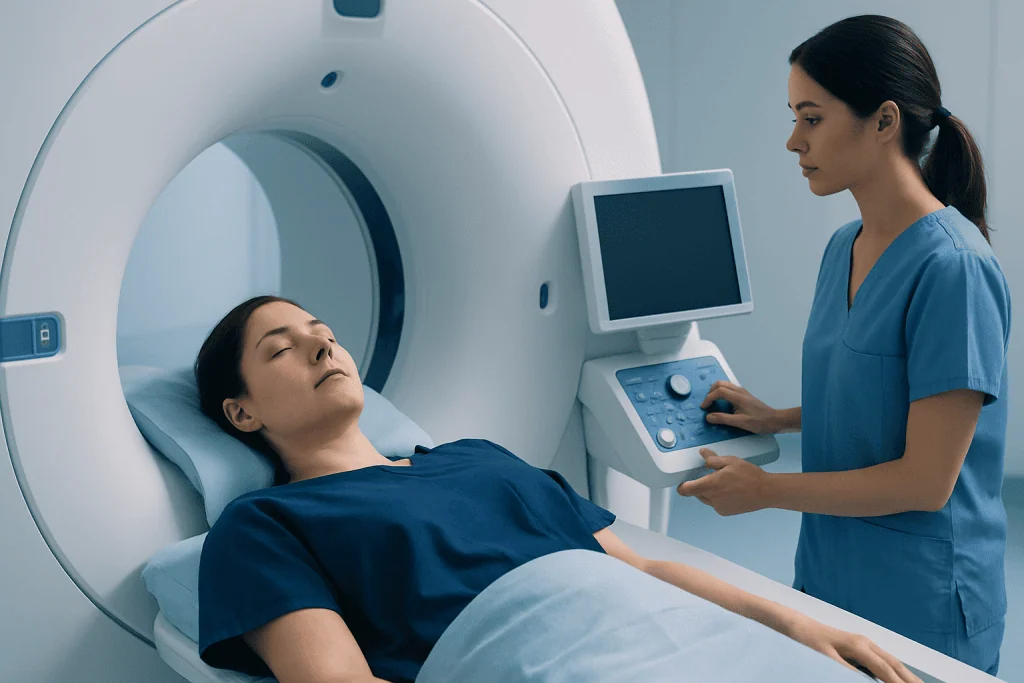
Many unruptured aneurysms do not cause any symptoms. When symptoms do occur, they often result from the aneurysm pressing on nearby nerves, especially around the eye and face. These symptoms can be subtle and may come on gradually.
Possible symptoms of an unruptured brain aneurysm include headache, pain above or behind the eye, a dilated pupil, double vision, blurred vision, eyelid drooping, numbness, or weakness on one side of the face. Larger aneurysms are more likely to cause pressure-related symptoms, but even small aneurysms can be concerning if they change or leak.
A leaking or ruptured aneurysm usually causes a sudden, severe headache that is often described as the worst headache of a person’s life. Other possible symptoms include nausea, vomiting, neck stiffness, sensitivity to light, confusion, fainting, seizures, weakness, or trouble speaking. A rupture may also be associated with symptoms seen in stroke, such as sudden numbness or difficulty understanding speech.
- Sudden severe headache
- Vision changes or double vision
- Drooping eyelid or unequal pupils
- Neck stiffness or light sensitivity
- Nausea, vomiting, confusion, or loss of consciousness
- Weakness, numbness, or speech difficulty
Causes and Risk Factors

Brain aneurysms develop when a section of an artery wall becomes weaker than normal. This can be related to the natural structure of the blood vessel, aging, long-term stress on the artery wall, or certain inherited conditions. In many cases, there is not one single cause.
Several factors can increase the chance of developing an aneurysm or of it rupturing. These include high blood pressure, smoking, older age, a family history of brain aneurysm, and previous aneurysm rupture. Some connective tissue disorders and vascular conditions can also raise risk. Women are affected somewhat more often than men, particularly later in life.
Aneurysm size, shape, and location matter as well. Irregularly shaped aneurysms, enlarging aneurysms, and those in certain arteries may carry a greater risk of rupture. Lifestyle factors can also play a role. Poorly controlled blood pressure and tobacco use place ongoing strain on blood vessel walls, while stimulant drug use can sharply raise blood pressure and increase danger.
How Diagnosis Is Made
Diagnosis begins with a medical history and neurological examination. Doctors ask when the symptoms started, whether the headache was sudden, and whether there are vision changes, weakness, or confusion. If rupture is suspected, evaluation is usually urgent and starts in the emergency setting.
Imaging tests help confirm whether an aneurysm is present and whether bleeding has occurred. A non-contrast CT scan is often the first test for a sudden severe headache because it can quickly show fresh bleeding. CT angiography and MR angiography provide detailed images of blood vessels and may reveal the aneurysm’s size and shape.
In some cases, cerebral angiography is recommended. This test uses a thin catheter and contrast dye to create highly detailed images of the brain’s arteries. It can help specialists plan treatment, especially if interventional neuroradiology procedures are being considered. If the diagnosis is uncertain after early imaging, doctors may use additional testing to look for blood around the brain.
When Urgent Endovascular Treatment May Be Needed
Urgent endovascular treatment may be needed when a brain aneurysm has ruptured, is actively leaking, or appears to carry a high short-term risk of bleeding. The aim is to secure the aneurysm quickly and reduce the chance of another hemorrhage. Repeat bleeding can be especially dangerous, so timing matters.
Endovascular treatment is minimally invasive and is performed from inside the blood vessels, usually through an artery in the wrist or groin. Depending on the aneurysm, specialists may use coils, stents, flow-diverting devices, or other techniques to reduce blood flow into the aneurysm and support healing of the artery wall. In selected cases, this may be preferred over open surgery, though treatment is individualized.
Urgent treatment may also be considered for some unruptured aneurysms if they are causing significant symptoms, are growing, or have imaging features that suggest instability. Treatment planning often involves a team that may include interventional neuroradiologists, neurologists, and neurosurgery specialists. The best option depends on the aneurysm’s anatomy, the patient’s age and medical conditions, and the balance between treatment benefit and procedure risk.
Some patients with rupture also need intensive monitoring and supportive care because complications can occur after the initial bleed. These may include vasospasm, hydrocephalus, electrolyte disturbances, or changes in consciousness. Related bleeding emergencies such as brain hemorrhage require coordinated hospital care and close neurological follow-up.
Treatment Options and Recovery
Not every aneurysm requires immediate intervention. Small, unruptured aneurysms with low-risk features may be monitored over time with repeat imaging and risk-factor control. The decision to observe rather than treat is made carefully after discussing the patient’s anatomy, symptoms, age, and personal risk factors.
When treatment is needed, the two main approaches are endovascular treatment and surgical clipping. Endovascular treatment is less invasive and often allows shorter recovery, while surgical clipping may be more suitable for some aneurysm shapes or locations. The choice is highly individualized, and one method is not automatically better for every patient.
Recovery depends on whether the aneurysm ruptured and whether there was brain injury from bleeding. Patients treated before rupture may return to usual activities relatively quickly, though they still need follow-up. After rupture, recovery may take longer and can involve rehabilitation for movement, speech, memory, or daily functioning. In some cases, care overlaps with stroke rehabilitation services to support the safest return to daily life.
Prevention, Self-care, and When to See a Doctor
It is not always possible to prevent a brain aneurysm, but reducing strain on blood vessels can help lower risk. Important steps include controlling blood pressure, avoiding smoking, limiting exposure to stimulant drugs, and following treatment for conditions that affect vascular health. Regular medical care is especially important for people with a family history of aneurysm.
People who already know they have an unruptured aneurysm should attend follow-up visits and imaging as recommended. They should ask their doctor which symptoms need urgent attention and whether any activity restrictions are necessary. Most people do not need to avoid normal daily movement, but individualized advice matters.
Emergency care is needed for a sudden severe headache, fainting, seizure, sudden confusion, new weakness, or trouble speaking. Prompt assessment is also important for new double vision, drooping eyelid, or intense pain around the eye. If specialist care is required, Acibadem International’s multidisciplinary specialists and JCI-accredited hospitals diagnose and treat brain aneurysms for international patients using modern imaging and endovascular techniques.
For patients with concerning symptoms, it is safest not to drive themselves to the hospital. Calling emergency services can speed evaluation and allow monitoring on the way. When in doubt, it is better to seek urgent medical advice than to wait for symptoms to pass.
Frequently asked questions
Can a brain aneurysm have no symptoms?
Yes. Many brain aneurysms do not cause symptoms and are discovered during imaging performed for another reason. Symptoms are more likely if the aneurysm grows, presses on nearby nerves, leaks, or ruptures.
What does a ruptured brain aneurysm headache feel like?
It is often described as a sudden, extremely severe headache that reaches maximum intensity quickly. Because this can signal bleeding around the brain, it needs emergency medical evaluation right away.
Are all brain aneurysms treated with surgery?
No. Some aneurysms are monitored with regular imaging and risk-factor management instead of being treated immediately. Others are treated with endovascular techniques or surgical clipping, depending on the aneurysm's features and the patient's overall situation.
What is endovascular treatment for a brain aneurysm?
Endovascular treatment is a minimally invasive approach performed from inside the blood vessels. Specialists guide tiny devices through an artery to the aneurysm and use techniques such as coiling or flow diversion to reduce the risk of bleeding.
Who is more likely to develop a brain aneurysm?
Risk is higher in people with high blood pressure, a history of smoking, certain inherited disorders, or a family history of aneurysm. Risk also tends to increase with age, and women are affected somewhat more often than men.
When should someone go to the emergency room for possible brain aneurysm symptoms?
Emergency care is important for a sudden severe headache, loss of consciousness, seizure, confusion, new weakness, or speech difficulty. New double vision, a drooping eyelid, or severe pain around the eye should also be assessed promptly.
References
- World Health Organization
- National Institute of Neurological Disorders and Stroke
- American Heart Association
- Brain Aneurysm Foundation
- National Health Service
This article is for general information only and is not a substitute for professional medical advice. Please consult a qualified doctor about your individual situation.
Explore treatments in Turkey — costs, top hospitals & a free quote
JCI-accredited · board-certified surgeons · reply within 24h
Add us as a Preferred Source to see more of our trusted health content across Google Search, AI Overviews and Discover.
Check your numbers in seconds
BMI, calories, due date, blood pressure and 30+ more clinical calculators — free, instant, doctor-reviewed ranges.

Neurosurgery
Surgical treatment of the brain, spine and nervous system, including minimally invasive and functional procedures.
72 specialists in this unitMore from the Health Library



Related Specialists

Tuğçe Doğan
Physical Medicine & Rehabilitation
Assoc. Prof. Dr. Tonguç Utku Yilmaz
General Surgery
Dr. Aykut Ayyıldız
Intensive Care
Prof. Dr. Süha Göksel
Pathology