Brain Aneurysm Treatment Options: Coiling, Clipping, and Flow Diversion

Treatment choice depends on aneurysm features, rupture status, and the person’s medical condition. Coiling is a minimally invasive endovascular treatment that fills the aneurysm from inside.
Key Takeaways
- Treatment choice depends on aneurysm features, rupture status, and the person’s medical condition.
- Coiling is a minimally invasive endovascular treatment that fills the aneurysm from inside.
- Clipping is an open surgical procedure that isolates the aneurysm with a small metal clip.
- Flow diversion is often used for selected aneurysms, especially those that are wide-necked or difficult to treat with standard methods.
- Some unruptured aneurysms may be monitored rather than treated immediately.
- Long-term follow-up imaging is often needed after treatment.
Brain aneurysm treatment is individualized and depends on whether the aneurysm has ruptured, its size and shape, and the person’s overall health. The main treatment options are coiling, clipping, and flow diversion, along with careful monitoring in selected cases.
Overview
A brain aneurysm is a weak, bulging area in an artery in the brain. Many aneurysms never cause symptoms, but some may grow, press on nearby structures, or rupture. When treatment is recommended, the main goals are to reduce the risk of rupture, stop bleeding if rupture has occurred, and protect brain function.
The three best-known brain aneurysm treatment options are coiling, clipping, and flow diversion. The right choice depends on the aneurysm’s size, shape, location, whether it has ruptured, and the person’s overall health. In some cases, doctors may recommend observation with regular imaging instead of immediate intervention.
Understanding the differences between these options can help patients and families discuss the plan with a neurosurgeon or neurointerventional specialist. For background on the condition itself, many patients also review brain aneurysm information before deciding on care.
Symptoms and Why Treatment Is Considered
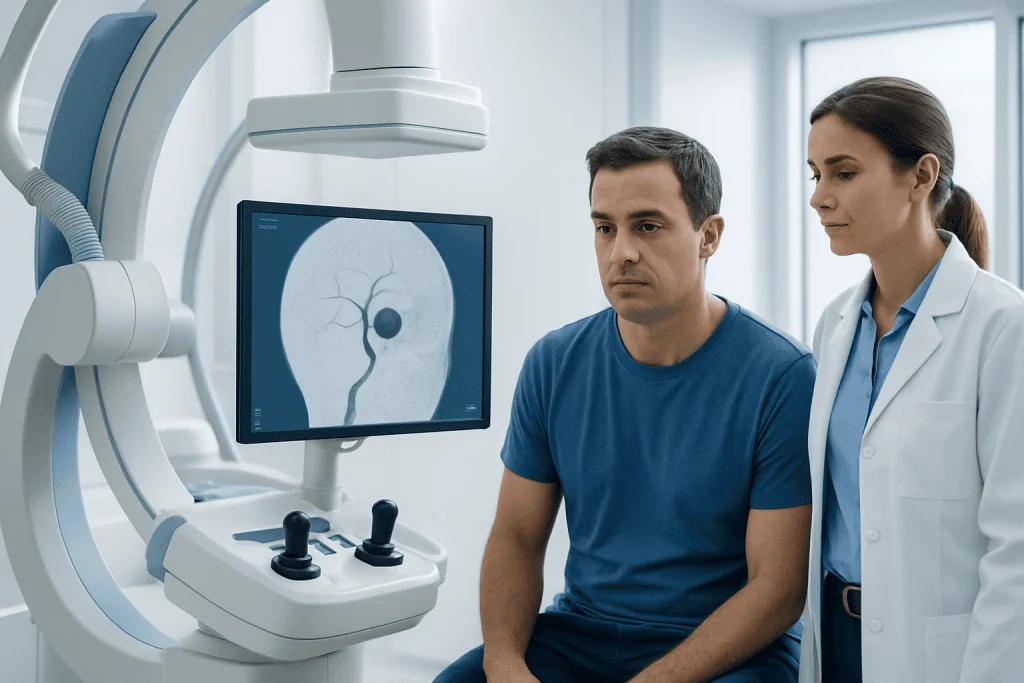
Many unruptured brain aneurysms cause no symptoms and are found incidentally during imaging for another reason. When symptoms do occur, they may include headache, vision changes, pain above or behind the eye, drooping eyelid, facial numbness, or weakness if nearby brain structures are affected.
A ruptured aneurysm is a medical emergency and typically causes sudden, severe headache, often described as the worst headache of a person’s life. Other symptoms can include nausea, vomiting, neck stiffness, sensitivity to light, confusion, loss of consciousness, or seizure. In that situation, urgent hospital evaluation is essential.
Treatment is considered to lower the risk of rupture or re-rupture, especially when imaging suggests the aneurysm has features linked to instability. Doctors also weigh the likely benefit of treatment against the risks of the procedure and the person’s age, health status, and preferences.
Causes and Risk Factors

Brain aneurysms form when the wall of an artery becomes weakened over time. The exact reason this happens is not always known, but both inherited and acquired factors can contribute. Some aneurysms are linked to connective tissue conditions or family history, while others appear to develop without a clear cause.
Common risk factors include smoking, high blood pressure, certain genetic conditions, a personal or family history of aneurysm, and age. Aneurysms may also be more likely in people with polycystic kidney disease or some vascular disorders. For broader vascular context, clinicians may also consider other vascular conditions that affect blood vessels and healing.
Risk factors do not determine treatment by themselves. Instead, they help the care team estimate the chance of growth or rupture and choose the safest path between monitoring and intervention.
Diagnosis and Treatment Planning
Brain aneurysms are usually diagnosed with imaging such as CT angiography, MR angiography, or conventional cerebral angiography. These tests help doctors measure the aneurysm, define its neck and dome, and see its relationship to nearby arteries. If rupture is suspected, emergency imaging is performed quickly.
Treatment planning is often done by a multidisciplinary team, including neurologists, neurosurgeons, and interventional neuroradiologists. They review whether the aneurysm is ruptured or unruptured, its shape, whether branch vessels arise near it, and whether treatment should happen urgently or electively.
In many cases, the same aneurysm can be treated in more than one way. That is why patients may hear that one approach is technically possible, but another may offer a better balance of safety, durability, and recovery.
Treatment Option 1: Coiling
Coiling is an endovascular procedure, meaning the doctor reaches the aneurysm through the blood vessels rather than through an open skull operation. A catheter is usually guided from an artery in the groin or wrist to the brain, and soft platinum coils are placed inside the aneurysm to slow blood flow and encourage clotting within the sac.
Coiling is often used for aneurysms that are suitable in shape and size, including some ruptured aneurysms that need urgent treatment. It may be preferred when a less invasive approach is desirable or when the aneurysm’s location makes open surgery more difficult. In some cases, additional devices such as stents or balloons may be used to support the treatment, depending on the anatomy.
Recovery is generally quicker than with open surgery, but follow-up imaging is important because some aneurysms can reopen or need additional treatment over time. Patients may need antiplatelet medicine in certain situations, especially when adjunct devices are used, and the care team provides guidance based on the specific procedure.
Treatment Option 2: Clipping
Clipping is an open neurosurgical procedure. The surgeon opens a small section of the skull, gently exposes the aneurysm, and places a tiny metal clip across its neck to stop blood from entering the bulge. The clip remains in place permanently.
Clipping may be recommended for aneurysms that are broad-based, located in areas where durable closure is important, or not well suited to coiling or flow diversion. It may also be chosen when a patient’s anatomy or aneurysm structure suggests that surgery offers the best long-term result. The operation is performed under general anesthesia, and recovery is usually longer than after endovascular treatment.
Although clipping is more invasive, it can be very effective and durable. The decision often comes down to whether the aneurysm can be safely reached and whether open surgery provides the most reliable protection with acceptable risk.
Treatment Option 3: Flow Diversion
Flow diversion uses a specially designed stent-like device placed inside the parent artery, across the neck of the aneurysm. Rather than filling the aneurysm directly, the device changes blood flow so less blood enters the bulge, allowing the aneurysm to gradually close over time.
This approach is often considered for wide-necked aneurysms, side-wall aneurysms, or aneurysms that are difficult to treat with standard coiling or clipping. It can be especially useful when a durable endovascular strategy is needed. Because flow diversion alters blood flow in the artery, patients usually need antiplatelet medication before and after the procedure as directed by the treating team.
Flow diversion does not immediately seal every aneurysm, so follow-up imaging is essential. The doctor will explain whether the anatomy is suitable and whether the benefits outweigh the need for longer-term medication and monitoring.
Prevention, Self-care, and Follow-up
While not every aneurysm can be prevented, healthy habits can support blood vessel health and reduce overall risk. Blood pressure control, smoking cessation, regular medical follow-up, and attention to other cardiovascular risk factors are important parts of long-term care. People with a family history of aneurysm may be advised to discuss screening with a doctor.
After treatment, self-care includes following medication instructions carefully, attending follow-up appointments, and reporting new symptoms promptly. Imaging follow-up may be needed after coiling or flow diversion to confirm that the aneurysm remains sealed or is shrinking. After clipping, some patients also need periodic imaging depending on the aneurysm and surgical findings.
Recovery advice should always be individualized. Patients should ask when they can return to work, exercise, driving, and travel, and they should avoid stopping prescribed medicines without medical guidance.
When to See a Doctor
Anyone with a known brain aneurysm should seek medical advice if they develop a sudden severe headache, new vision changes, fainting, weakness, confusion, or a seizure. These symptoms need prompt assessment, especially if the aneurysm has not yet been treated.
Patients should also contact their doctor if they experience symptoms after treatment, such as worsening headache, fever, wound changes, speech problems, or side effects from prescribed medicines. Early review helps the care team distinguish normal recovery from a complication that needs attention.
For international patients, Acibadem International offers multidisciplinary specialists and JCI-accredited hospitals that diagnose and treat brain aneurysms as part of coordinated neurological care.
Frequently asked questions
What is the difference between coiling and clipping?
Coiling is done through a catheter inside the blood vessels and fills the aneurysm from within. Clipping is an open operation that places a small clip across the aneurysm neck. The best option depends on aneurysm anatomy and the person’s overall condition.
Is flow diversion the same as stenting?
Flow diversion uses a specialized stent-like device, but its purpose is different from simply keeping an artery open. It redirects blood flow so the aneurysm gradually closes. Doctors choose it for certain aneurysm shapes and locations.
Can every brain aneurysm be treated the same way?
No, treatment is highly individualized. Size, shape, location, rupture status, and nearby blood vessels all affect the choice. Some aneurysms are better monitored than treated right away.
How do doctors decide whether to treat an unruptured aneurysm?
They consider the aneurysm’s risk of growth or rupture and compare that with the risks of the procedure. Patient age, family history, smoking, blood pressure, and overall health also matter. Shared decision-making is an important part of care.
What is recovery like after treatment?
Recovery depends on the procedure and whether the aneurysm had ruptured. Coiling usually allows a shorter recovery, while clipping often requires more time in the hospital and at home. All patients need follow-up to check healing and aneurysm closure.
Do treated aneurysms need follow-up imaging?
Yes, follow-up imaging is common after treatment. Coiled and flow-diverted aneurysms especially may need repeat scans to confirm lasting closure. The timing depends on the procedure and the doctor’s plan.
References
- American Heart Association
- National Institute of Neurological Disorders and Stroke
- Mayo Clinic
- Society of NeuroInterventional Surgery
- World Federation of Neurosurgical Societies
This article is for general information only and is not a substitute for professional medical advice. Please consult a qualified doctor about your individual situation.
Explore treatments in Turkey — costs, top hospitals & a free quote
JCI-accredited · board-certified surgeons · reply within 24h
Add us as a Preferred Source to see more of our trusted health content across Google Search, AI Overviews and Discover.
Check your numbers in seconds
BMI, calories, due date, blood pressure and 30+ more clinical calculators — free, instant, doctor-reviewed ranges.

More from the Health Library



Related Specialists

Prof. Dr. Mehmet E. Erdil
Orthopedic Surgery & Traumatology
Dr. Çiğdem Kurt Yavrucu
Pediatrics
Dt. Müge Tiralı Türkkan
Oral & Dental Health
Dr. Selin Alponat
Breast Clinic Clinical Service