Brain Angiography Recovery: What to Expect After Interventional Neuroradiology

Most people recover from brain angiography within a short period, often returning to usual activities in a few days. Mild soreness, bruising, fatigue, and temporary discomfort at the catheter site are common after the procedure.
Key Takeaways
- Most people recover from brain angiography within a short period, often returning to usual activities in a few days.
- Mild soreness, bruising, fatigue, and temporary discomfort at the catheter site are common after the procedure.
- Following instructions about hydration, activity limits, and wound care helps support safe recovery.
- Severe pain, heavy bleeding, new weakness, speech changes, or worsening headache need urgent medical attention.
- Recovery may take longer if brain angiography was combined with an interventional treatment rather than imaging alone.
Brain angiography recovery is often straightforward, but patients need clear guidance on rest, puncture-site care, and warning signs after the procedure. Knowing what is normal and what needs medical attention can make the recovery period smoother and less stressful.
Overview of Brain Angiography Recovery
Brain angiography is a procedure that uses contrast dye and X-ray imaging to show the blood vessels in the brain. It is often performed by specialists in interventional neuroradiology to help diagnose or guide treatment for conditions affecting the brain’s circulation. Recovery depends on whether the procedure was purely diagnostic or included a treatment at the same time.
For many patients, brain angiography recovery is relatively short. After the procedure, the care team usually monitors blood pressure, pulse, the puncture site, and neurological status for several hours. Some people go home the same day, while others stay overnight for observation, especially if they have other medical conditions or if a treatment was performed during the same session.
The most important part of early recovery is protecting the artery access site, often in the groin or wrist, while allowing the body to clear the contrast dye. Patients are commonly advised to rest, drink fluids if allowed, and avoid strenuous movement for a short time. Mild fatigue afterward is not unusual and generally improves quickly.
What Is Normal After the Procedure
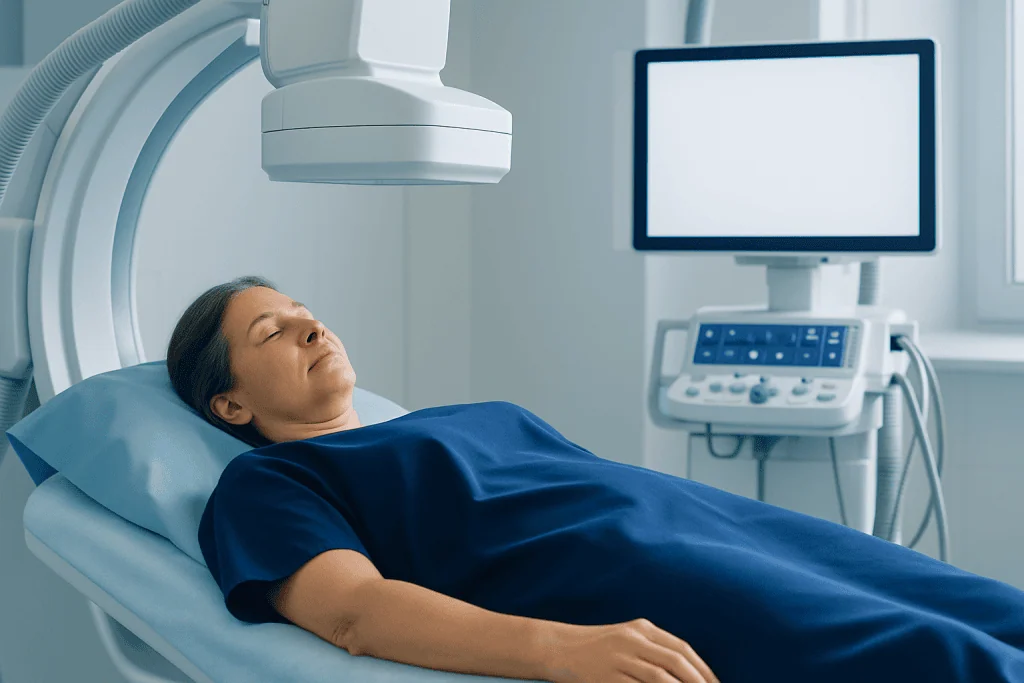
Many patients feel relieved to learn that some symptoms after brain angiography are expected. Mild tenderness, bruising, or a small lump at the catheter insertion site can happen as the artery heals. A person may also notice temporary tiredness, slight nausea, or a mild headache, especially after fasting, sedation, or lying flat for several hours.
If contrast dye was used, it is normal for the body to remove it through the kidneys over the next day or so. Drinking water, unless a doctor has advised fluid restriction, may help support hydration. Some patients also feel sleepy or less alert for a while if they received sedating medication, so driving, alcohol, and important decision-making are usually avoided for at least the first day.
Typical recovery experiences may include:
- Mild soreness or bruising at the wrist or groin
- Feeling tired for 24 to 48 hours
- A small dressing over the puncture site
- Needing to avoid heavy lifting briefly
- Temporary discomfort from lying still during recovery monitoring
These expected effects should gradually improve, not become more intense. If symptoms are worsening rather than settling, the patient should contact the treating team for advice.
Recovery Timeline: First Hours to First Week

In the first few hours after brain angiography, the priority is observation. Nurses and doctors check for bleeding, swelling, circulation in the limb used for access, and any neurological changes. If the catheter was placed through the groin, the patient may be asked to keep the leg straight for a period of time. If the wrist was used, a compression band or dressing may remain in place temporarily.
During the first 24 hours at home, most people are advised to rest and take it easy. Light walking indoors is often acceptable, but strenuous exercise, heavy lifting, and repeated bending are usually postponed. Bathing restrictions can vary, but soaking in a tub, swimming, or exposing the puncture site to prolonged moisture is often delayed until the area starts healing.
Over the next several days, energy levels usually improve. Minor bruising can spread a little before fading, which is often part of normal healing. Many people are able to resume desk work and routine daily tasks quickly, but return to full activity depends on the doctor’s instructions, the access site, and whether there was an additional interventional procedure such as aneurysm coiling or AVM embolization.
If recovery follows the expected course, by the end of the first week the insertion site is usually more comfortable and activity restrictions may begin to ease. However, each patient’s situation is different, especially when angiography is part of care for complex brain vascular problems such as brain aneurysm or arteriovenous malformation.
Puncture-Site Care, Rest, and Daily Activities
Caring for the catheter site is one of the most practical parts of recovery. The area should usually be kept clean and dry, with dressing changes only as instructed by the medical team. Patients should check for increasing redness, warmth, swelling, active bleeding, or drainage, because these can suggest a problem that needs review.
It is also important to avoid strain on the access site. Heavy lifting, intense exercise, pushing, pulling, and repeated stair climbing may be limited for a short period. If the groin was used, patients are often reminded not to squat deeply or do vigorous lower-body activity too soon. If the wrist was used, forceful gripping and repetitive hand motions may need to be reduced temporarily.
Helpful self-care steps often include:
- Resting on the day of the procedure
- Drinking fluids if the doctor allows
- Taking medicines exactly as directed
- Inspecting the puncture site daily
- Asking when it is safe to drive, work, exercise, or travel
Some patients take blood thinners, antiplatelet medicines, or medicines for diabetes, blood pressure, or kidney disease. These may affect aftercare instructions, so personalized guidance is important. Patients should not stop or restart prescribed medication on their own unless their doctor has specifically told them to do so.
Possible Side Effects and Warning Signs
Most side effects after brain angiography are mild and temporary, but it is important to know which symptoms are not expected. Small bruises and soreness are common. In contrast, severe or rapidly expanding swelling, heavy bleeding, or numbness and color change in the arm, hand, leg, or foot used for access may signal a circulation problem or significant bleeding at the puncture site.
Because the procedure involves the brain’s blood vessels, any new neurological symptom should be taken seriously. Sudden weakness, facial drooping, trouble speaking, confusion, vision loss, severe dizziness, seizure, or loss of balance needs urgent medical evaluation. A severe or unusual headache that is clearly different from the patient’s usual pattern should also be reported right away.
Patients should seek immediate medical care if they develop:
- Active bleeding that does not stop with firm pressure as instructed
- Rapidly increasing swelling or severe pain at the catheter site
- New weakness, numbness, speech trouble, or vision changes
- Chest pain, shortness of breath, or fainting
- Fever, chills, or signs of infection around the wound
Although uncommon, contrast dye can affect kidney function in susceptible patients, especially those with existing kidney disease, diabetes, dehydration, or older age. For this reason, some patients need blood tests or closer follow-up after the procedure. The treating team may also discuss dye reactions, medication precautions, or observation for specific risks based on the patient’s medical history.
Recovery After Interventional Neuroradiology Treatment
Brain angiography is sometimes only the first step, and in other cases it is combined with treatment during the same session. If an interventional neuroradiology procedure is performed, recovery can be more involved than after diagnostic angiography alone. The patient may need a longer hospital stay, more neurological monitoring, and more detailed medication instructions after treatment.
Examples include carotid artery stenting or embolization procedures used to block abnormal blood flow. These treatments may require antiplatelet medication, blood pressure monitoring, and scheduled follow-up imaging. Recovery plans are individualized because the treated condition, the technique used, and the patient’s overall health can all influence the aftercare period.
In this setting, it is especially important for patients and families to understand discharge instructions clearly. They should know when to resume medications, when to return for checkups, and which symptoms should prompt urgent contact with the care team. Written instructions are often helpful because sedation, stress, and the amount of information can make it hard to remember every detail on the day of discharge.
Near the end of recovery planning, some patients may seek care through centers with coordinated expertise. Acibadem International’s multidisciplinary specialists and JCI-accredited hospitals diagnose and treat brain vascular conditions for international patients, including follow-up after interventional neuroradiology procedures.
When to Contact a Doctor and How to Support Healing
Patients should contact their doctor if recovery is not progressing as expected. This includes persistent vomiting, worsening headache, increasing bruising, swelling that concerns them, reduced urine output, or trouble taking prescribed medication. It is always reasonable to call if there is uncertainty, especially during the first day or two after discharge.
Good recovery habits are simple but meaningful. Adequate rest, hydration when allowed, balanced meals, and avoiding tobacco can support healing. Patients should also attend follow-up visits and imaging appointments, because these help the team confirm that blood vessels, treatment results, and the access site are all doing well.
Family members can help by staying with the patient for the first day if sedation was used, assisting with transportation, and watching for concerning symptoms. A calm home environment and clear written instructions can reduce anxiety and help the patient focus on recovery. If there are any doubts about normal versus abnormal symptoms, a qualified doctor should guide the next steps.
Frequently asked questions
How long does brain angiography recovery usually take?
Recovery after diagnostic brain angiography is often short, and many people feel much better within a day or two. Full return to strenuous activity may take a little longer, depending on the access site and the doctor’s advice. If a treatment was performed during the same procedure, recovery may take longer.
Is it normal to have bruising after a cerebral angiogram?
Yes, mild bruising and soreness at the catheter site are common after a cerebral angiogram. A small lump can also occur as the area heals. However, rapidly growing swelling, severe pain, or ongoing bleeding should be checked urgently.
When can someone drive after brain angiography?
Many patients are told not to drive for at least 24 hours, especially if they received sedation. Some may need a longer restriction depending on the reason for the procedure and their recovery. The safest approach is to follow the specific guidance given by the treating doctor.
What symptoms after brain angiography need urgent medical care?
Urgent symptoms include heavy bleeding from the puncture site, severe swelling, new weakness, numbness, speech problems, vision changes, or a sudden severe headache. Chest pain, fainting, or shortness of breath also require immediate attention. These symptoms are not considered routine recovery signs.
Can a person eat and drink normally after the procedure?
In many cases, eating and drinking can resume once the care team says it is safe. Fluids are often encouraged unless there is a medical reason to limit them. If nausea occurs, lighter foods may be easier at first.
Does brain angiography recovery differ if treatment was done too?
Yes, recovery can be more complex when angiography is combined with a treatment such as embolization or stenting. These procedures may require longer observation, extra medications, and more follow-up. The treating team will explain the expected recovery plan based on the exact procedure performed.
References
- American Heart Association
- National Institute of Neurological Disorders and Stroke
- Radiological Society of North America
- Society of Interventional Radiology
- National Health Service
This article is for general information only and is not a substitute for professional medical advice. Please consult a qualified doctor about your individual situation.
Interventional Neuroradiology in Turkey — costs, top hospitals & a free quote
JCI-accredited · board-certified surgeons · reply within 24h
Add us as a Preferred Source to see more of our trusted health content across Google Search, AI Overviews and Discover.
Check your numbers in seconds
BMI, calories, due date, blood pressure and 30+ more clinical calculators — free, instant, doctor-reviewed ranges.