Brain Bleed or Ischemic Stroke? Why the First Scan Changes Treatment

Stroke symptoms can be caused by either a blocked blood vessel or bleeding in the brain. A rapid brain scan, usually a non-contrast CT, is often the first test used to tell the difference.
Key Takeaways
- Stroke symptoms can be caused by either a blocked blood vessel or bleeding in the brain.
- A rapid brain scan, usually a non-contrast CT, is often the first test used to tell the difference.
- Clot-busting treatment may help ischemic stroke but can be dangerous if the stroke is actually a brain bleed.
- Time matters, but correct diagnosis matters too because treatment choices depend on the scan result.
- Anyone with sudden stroke warning signs needs emergency medical care right away.
A brain bleed and an ischemic stroke can look similar at first, but they need very different treatment. The first brain scan helps doctors tell them apart quickly, so care can begin as safely and effectively as possible.
Overview
When someone suddenly develops weakness, trouble speaking, facial drooping, vision changes, severe dizziness, or a sudden severe headache, doctors often think about stroke right away. However, “stroke” is not just one condition. The symptoms may be caused by an ischemic stroke, which happens when blood flow to part of the brain is blocked, or by a hemorrhagic stroke, often called a brain bleed, which happens when a blood vessel leaks or bursts.
These two conditions can appear very similar from the outside because both can interrupt normal brain function. A person may have numbness on one side, confusion, slurred speech, or difficulty walking in either case. Because symptoms alone are not enough to tell the difference, imaging becomes a critical first step.
The first scan changes treatment because what helps one type of stroke may harm the other. For example, medicine used to break up a clot in an ischemic stroke can worsen bleeding if the real cause is a brain hemorrhage. This is why emergency teams work quickly to confirm the stroke type before choosing the next step.
What Is the Difference Between a Brain Bleed and an Ischemic Stroke?
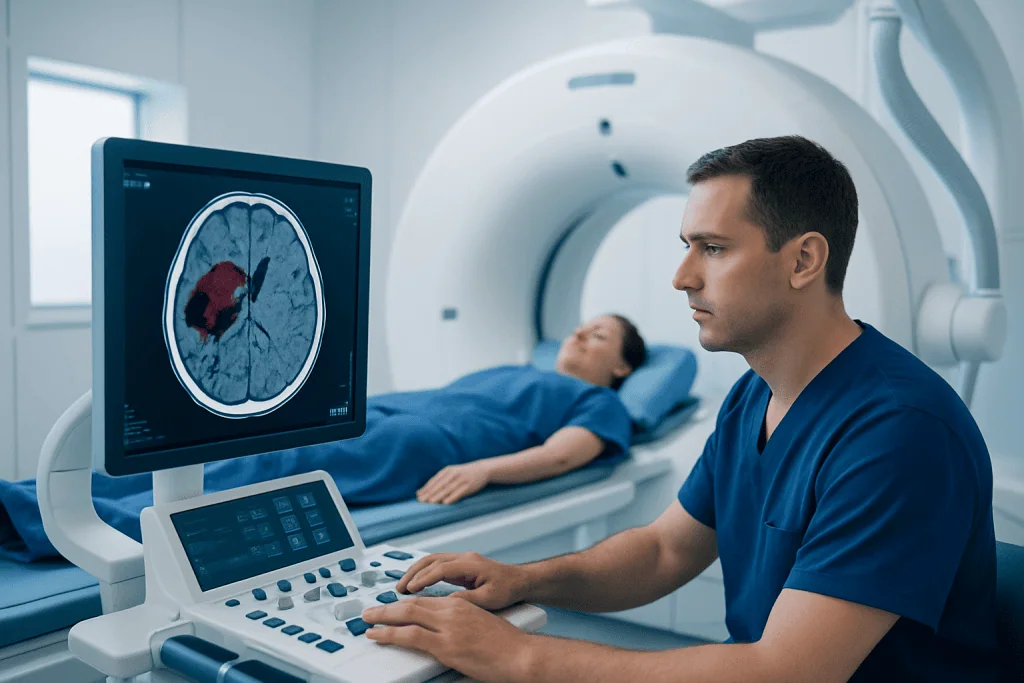
An ischemic stroke occurs when a blood vessel supplying the brain becomes blocked, usually by a blood clot. Without enough oxygen-rich blood, brain cells begin to suffer damage within minutes. This is the most common type of stroke and is often linked to underlying vascular risk factors such as high blood pressure, atrial fibrillation, diabetes, smoking, or high cholesterol.
A brain bleed, or hemorrhagic stroke, happens when blood leaks into or around the brain. The leaked blood can damage nearby tissue and increase pressure inside the skull. Brain bleeds may be related to uncontrolled high blood pressure, ruptured blood vessels, certain blood-thinning medicines, head injury, or abnormalities such as an aneurysm or vascular malformation.
Both conditions are medical emergencies, but they are treated differently. Ischemic stroke treatment focuses on restoring blood flow, while treatment for a brain bleed focuses on controlling the bleeding, limiting pressure on the brain, and addressing the cause. In some situations, emergency procedures such as interventional neuroradiology or neurosurgical care may be part of treatment planning.
Symptoms That Need Immediate Attention
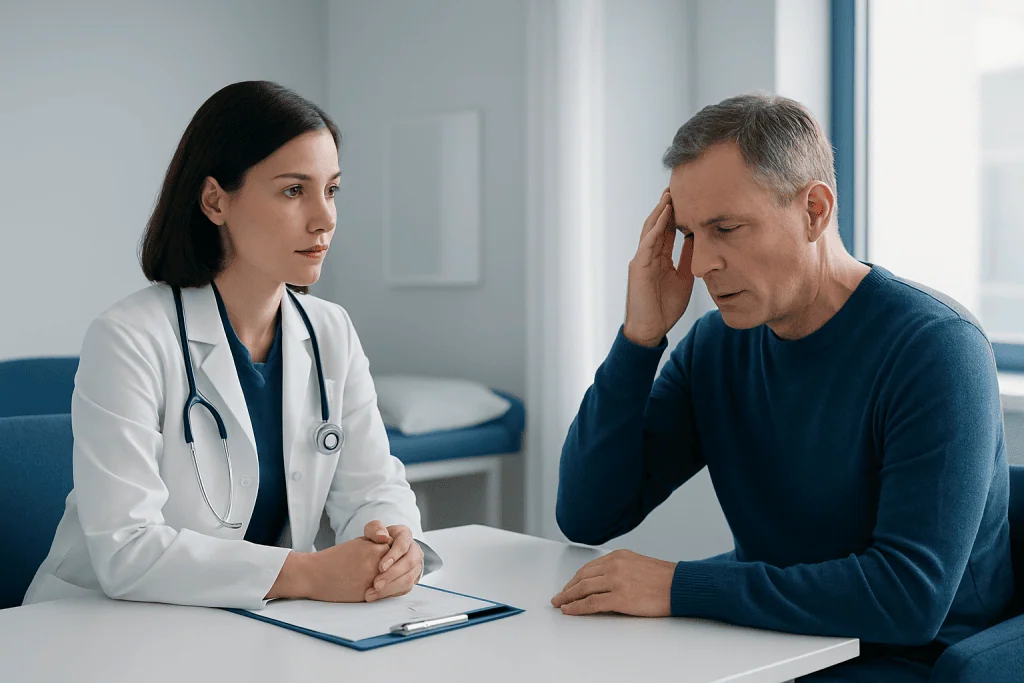
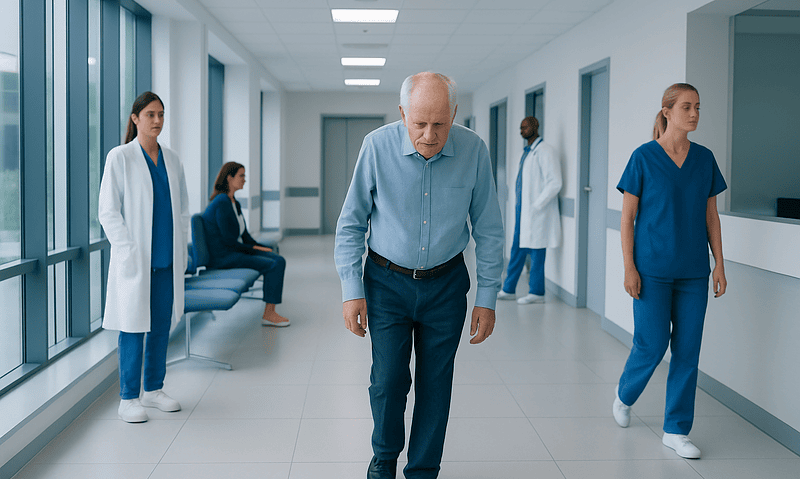
Many stroke symptoms begin suddenly. A person may notice one-sided weakness, numbness in the face or arm, difficulty speaking or understanding words, loss of balance, double vision, or sudden confusion. In both ischemic and hemorrhagic stroke, these symptoms can progress quickly and should never be ignored.
Some clues may make a brain bleed more likely, such as a sudden severe headache, vomiting, decreasing alertness, or rapidly worsening symptoms. Still, these features are not reliable enough to make the diagnosis without imaging. Some people with an ischemic stroke also have headache or nausea, and some people with a brain bleed may mainly have weakness or speech problems.
It helps to remember the common stroke warning signs:
- Face drooping
- Arm weakness
- Speech difficulty
- Time to call emergency services
Even if symptoms improve after a few minutes, urgent evaluation is still needed. A temporary blockage can cause a transient ischemic attack, which may be a warning sign for a future stroke, including conditions discussed on stroke care pages.
Why the First Scan Matters So Much
The first brain scan is usually a non-contrast CT scan of the head. This test is fast, widely available, and especially good at showing fresh bleeding. In emergency stroke care, speed is important, so CT is often the quickest way to separate a brain bleed from an ischemic stroke and guide immediate decisions.
If the CT scan shows bleeding, doctors avoid clot-busting medicine and instead focus on stabilizing the patient, controlling blood pressure when appropriate, reversing certain blood thinners if needed, and looking for the cause of the hemorrhage. If the CT scan does not show bleeding, the team can evaluate whether ischemic stroke treatments may be suitable.
In some cases, more imaging is needed after the first scan. CT angiography or MR imaging may help show blocked arteries, damaged blood vessels, or causes of bleeding such as aneurysm or malformation. Advanced imaging can also support decisions about stroke rehabilitation later in recovery, but the immediate goal is to identify the stroke type and protect brain tissue as quickly as possible.
How Doctors Diagnose the Cause
Stroke diagnosis starts with an urgent clinical assessment. Doctors check when symptoms began, what symptoms appeared first, whether they changed over time, and whether the person takes anticoagulants or has a history of high blood pressure, heart rhythm problems, recent trauma, or previous stroke. A neurological examination helps identify which parts of the brain may be affected.
Imaging is central, but other tests also support diagnosis and treatment planning. Blood tests may check blood sugar, clotting status, blood counts, kidney function, and other important values. An electrocardiogram may detect heart rhythm problems such as atrial fibrillation, which can raise the risk of ischemic stroke. Depending on the case, heart imaging or vascular ultrasound may also be used.
When doctors suspect a structural problem such as an aneurysm, vascular imaging may be needed urgently. This is one reason some patients are assessed by teams in neuroradiology and vascular neurology together. The goal is not only to confirm whether the event is ischemic or hemorrhagic, but also to understand why it happened so that treatment can be tailored safely.
Treatment Options After the Scan
If the scan suggests ischemic stroke, treatment may aim to reopen the blocked vessel and restore circulation. Depending on the timing, the person’s medical history, and scan findings, doctors may consider clot-dissolving medicine or a procedure to remove the clot from a large artery. Treatment is time-sensitive, but doctors also weigh bleeding risk, stroke severity, and whether brain tissue may still be saved.
If the scan shows a brain bleed, treatment shifts in a different direction. Care may include close monitoring in a stroke unit or intensive care setting, careful blood pressure management, reversal of anticoagulants when indicated, seizure management in selected cases, and treatment of raised pressure in the brain. Some patients need procedures to treat the source of bleeding or relieve pressure.
After the emergency phase, both types of stroke often require rehabilitation and prevention planning. Physical, occupational, and speech therapy can support recovery. Long-term care may include medication review, blood pressure control, management of diabetes or heart disease, and guidance to reduce future risk. Although their early treatments differ sharply, both conditions benefit from coordinated multidisciplinary care.
Risk Factors, Prevention, and Self-Care
Some risk factors overlap between ischemic stroke and brain bleed, especially high blood pressure. Controlling blood pressure is one of the most important steps a person can take to reduce overall stroke risk. Other helpful measures include managing cholesterol and diabetes, staying physically active, not smoking, limiting alcohol, and following prescribed treatment for heart conditions.
For ischemic stroke prevention, doctors may also focus on causes such as carotid artery disease or atrial fibrillation. For brain bleeds, prevention may include careful monitoring of anticoagulant use, evaluation of certain vascular abnormalities, and strict control of long-standing hypertension. People should never stop blood thinners on their own, but they should discuss benefits and risks regularly with their doctor.
Self-care after a stroke or warning event includes taking medicines exactly as prescribed, attending follow-up appointments, and learning the signs of recurrence. Family members may also benefit from stroke education so they can act quickly if symptoms return. Near the end of the care journey, some patients and families seek support from centers such as Acibadem International, where multidisciplinary specialists in JCI-accredited hospitals evaluate and treat stroke-related conditions for international patients.
When to See a Doctor
A suspected stroke is always an emergency. A person should not wait to see whether symptoms go away, and they should not drive themselves if emergency services are available. Immediate medical care gives the best chance of identifying the cause quickly and starting the right treatment.
Emergency evaluation is especially important for sudden one-sided weakness, trouble speaking, confusion, facial drooping, loss of vision, severe imbalance, or a sudden severe headache unlike usual headaches. People who use blood thinners, have uncontrolled high blood pressure, or have had previous stroke symptoms should be particularly cautious.
After discharge, follow-up remains important even if recovery seems good. A doctor may need to review medicines, rehabilitation needs, and the underlying cause of the event. Ongoing care can help lower the chance of another stroke and support a safer return to daily life.
Frequently asked questions
Can symptoms alone tell whether it is a brain bleed or an ischemic stroke?
Usually not. Although some symptoms may suggest one type more than the other, there is too much overlap to rely on symptoms alone. Brain imaging is needed to tell the difference safely.
Why is a CT scan often the first test for suspected stroke?
A non-contrast CT scan is fast and is very good at detecting fresh bleeding in the brain. This makes it especially useful in emergency care, where treatment decisions must be made quickly.
What happens if a clot-busting medicine is given during a brain bleed?
Clot-busting treatment can worsen bleeding and increase harm if the person has a hemorrhagic stroke rather than an ischemic stroke. That is why doctors confirm the stroke type with imaging before using these medicines.
Can MRI be used instead of CT for stroke diagnosis?
MRI can provide very detailed information and may be used in some situations. However, CT is often chosen first in emergencies because it is faster and more widely available in urgent settings.
Is a severe headache always a sign of a brain bleed?
No. A sudden severe headache can occur with a brain bleed, but it is not present in every case, and not every severe headache means bleeding. Because the symptoms can overlap with other urgent conditions, medical evaluation is important.
If stroke symptoms go away, is emergency care still needed?
Yes. Symptoms that improve quickly can still represent a transient ischemic attack or a stroke with temporarily improving signs. Prompt assessment can help identify the cause and reduce the risk of a more serious event.
References
- World Health Organization
- American Heart Association
- National Institute of Neurological Disorders and Stroke
- Centers for Disease Control and Prevention
- European Stroke Organisation
This article is for general information only and is not a substitute for professional medical advice. Please consult a qualified doctor about your individual situation.
Explore treatments in Turkey — costs, top hospitals & a free quote
JCI-accredited · board-certified surgeons · reply within 24h
Add us as a Preferred Source to see more of our trusted health content across Google Search, AI Overviews and Discover.
Check your numbers in seconds
BMI, calories, due date, blood pressure and 30+ more clinical calculators — free, instant, doctor-reviewed ranges.