Brain Fog, Memory Loss, or Mood Change After Infection: When to Seek Neuroinfectious Evaluation

Temporary concentration and memory problems can occur after viral or bacterial illnesses, but symptoms that last, progress, or disrupt daily life should be assessed. A neuroinfectious evaluation helps doctors determine whether symptoms are related to direct infection, post-infectious inflammation, medication effects, sleep problems, or another neurological condition.
Key Takeaways
- Temporary concentration and memory problems can occur after viral or bacterial illnesses, but symptoms that last, progress, or disrupt daily life should be assessed.
- A neuroinfectious evaluation helps doctors determine whether symptoms are related to direct infection, post-infectious inflammation, medication effects, sleep problems, or another neurological condition.
- Red flags include confusion, severe headache, seizures, weakness, trouble speaking, high fever, stiff neck, or rapid personality change.
- Diagnosis may involve a neurological exam, blood tests, brain imaging, and sometimes lumbar puncture, depending on symptoms.
- Treatment depends on the cause and may include infection-specific therapy, symptom management, rehabilitation, and follow-up care.
Brain fog, memory problems, and mood changes can happen during or after some infections. While many cases improve with time, persistent, worsening, or concerning neurological symptoms may need a neuroinfectious evaluation to look for inflammation, direct infection, or other treatable causes.
Overview
Brain fog after infection is a general term people use for slowed thinking, poor concentration, forgetfulness, mental fatigue, or feeling less mentally sharp than usual. Some people also notice irritability, anxiety, low mood, sleep changes, or a sense that their personality feels different after an illness. These symptoms can occur during recovery from common viral infections, after more serious infections, or alongside inflammation affecting the nervous system.
In many cases, these changes are temporary and gradually improve as the body heals. However, when symptoms are significant, persistent, or out of proportion to the original illness, doctors may consider a neuroinfectious evaluation. This means looking more closely at whether an infection has affected the brain, spinal cord, nerves, or the immune system in a way that is influencing neurological or mental function.
Not every episode of post-illness forgetfulness points to a dangerous problem. Fatigue, poor sleep, dehydration, stress, medications, fever, and reduced appetite can all affect memory and mood. The goal of evaluation is not to assume the worst, but to identify people who may need closer assessment for direct infection, post-infectious inflammation, or another medical explanation that can be treated.
Common Symptoms and How They May Feel
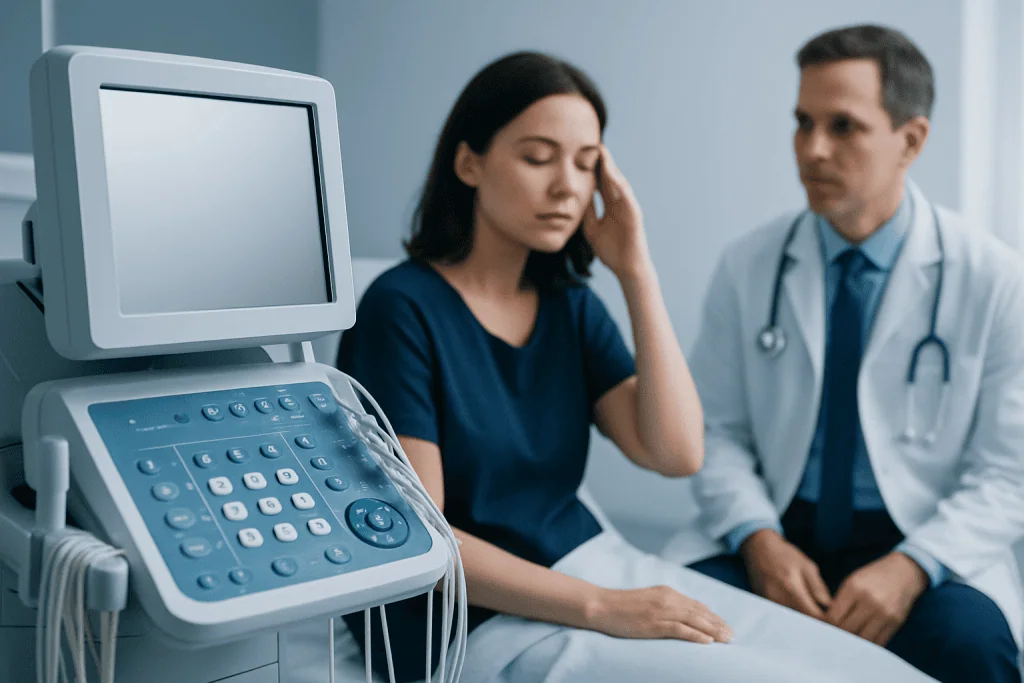
Symptoms vary widely. Some people mainly notice reduced attention, slower processing, or difficulty finding words. Others feel emotionally different, with increased sadness, anxiety, irritability, apathy, or unusual sensitivity to stress. Family members may be the first to notice changes in memory, judgment, sleep, or behavior.
A person may describe forgetting recent conversations, losing track of tasks, struggling to multitask, or feeling mentally exhausted after small efforts. Mood changes can include tearfulness, frustration, restlessness, social withdrawal, or feeling emotionally flat. These symptoms do not automatically mean there is infection in the brain, but they can be part of the overall picture doctors assess.
Symptoms that often deserve more urgent attention include:
- New confusion or disorientation
- Severe or unusual headache
- High fever with stiff neck
- Seizures or fainting episodes
- Weakness, numbness, or imbalance
- Trouble speaking, understanding, or seeing
- Sudden major personality or behavior change
- Reduced alertness or excessive sleepiness
These features may suggest a more serious neurological problem and should not be ignored. When they appear together with recent infection, a doctor may need to quickly rule out conditions such as encephalitis, meningitis, or other forms of neuroinfectious disease.
Why Symptoms Can Happen After an Infection

There is no single explanation for post-infectious brain fog, memory loss, or mood change. In some cases, the infection itself may directly involve the nervous system. In others, the immune response triggered by the infection may cause inflammation that affects brain function even after the original infection has improved. The body and brain are closely connected, so general illness can also temporarily disrupt concentration, sleep, and emotional balance.
Common contributing factors include fever, dehydration, poor nutrition, prolonged bed rest, medication side effects, pain, low oxygen levels, and interrupted sleep. Hospitalization, intensive care, or a severe systemic infection can also affect cognition and mood during recovery. Existing conditions such as anxiety, depression, migraine, autoimmune disease, or prior neurological illness may make symptoms more noticeable or longer-lasting.
Doctors also consider whether another condition has been unmasked rather than caused by the infection. For example, thyroid problems, vitamin deficiencies, stroke, seizure disorders, and neurodegenerative disease can produce similar symptoms. A careful evaluation helps distinguish between a short-lived recovery phase and a problem needing targeted treatment.
Sometimes symptoms overlap with broader post-viral syndromes. If there are headaches, sensory changes, weakness, or ongoing cognitive concerns, the clinical team may also look for conditions related to inflammation of the brain or nervous system, including encephalitis when the history or exam raises concern.
Who May Be at Higher Risk
Anyone can feel mentally slower while recovering from an infection, but some people are more likely to need further evaluation. Risk may be higher after infections that are severe, prolonged, or associated with high fever, hospitalization, immune suppression, or known neurological involvement. Older adults may also show confusion or behavior change more easily during illness, even with infections outside the nervous system.
People with cancer treatment, organ transplantation, HIV, autoimmune disease, diabetes, kidney disease, or medicines that suppress immunity may be more vulnerable to uncommon infections or complications affecting the brain. Young children and older adults may show less specific symptoms, such as unusual sleepiness, poor appetite, falls, agitation, or reduced interaction rather than clearly reporting memory problems.
Risk is also influenced by the pattern of symptoms. Persistent symptoms beyond the expected recovery period, symptoms that worsen after initial improvement, or new focal neurological signs should prompt medical review. A family history or personal history of neurological disease can be relevant, but it does not mean infection is the cause.
How Doctors Diagnose the Cause
A neuroinfectious evaluation starts with a detailed history and neurological examination. The doctor will ask about the original infection, when the cognitive or mood symptoms began, whether they are improving or worsening, and whether there are associated features such as fever, headaches, seizures, weakness, or sleep disturbance. Medication use, travel, animal or tick exposure, vaccination history, and immune status may also matter.
Basic testing often includes blood work to look for inflammation, metabolic problems, organ dysfunction, vitamin deficiencies, or ongoing infection. Depending on symptoms, doctors may recommend brain MRI or other imaging to check for inflammation, stroke, structural changes, or complications. In some situations, specialized memory screening, neuropsychological testing, or electroencephalography may help clarify whether symptoms reflect attention problems, seizures, encephalopathy, or another process.
If there is concern about infection or inflammation around the brain and spinal cord, a lumbar puncture may be advised. This test analyzes cerebrospinal fluid for signs of infection, immune activity, or bleeding. It is not needed for every patient, but it can be very important when symptoms suggest meningitis, encephalitis, or another central nervous system disorder.
Because symptoms can overlap with psychiatric or sleep-related conditions, diagnosis is often multidisciplinary. Neurology, infectious diseases, psychiatry, internal medicine, and rehabilitation specialists may all contribute. This broad approach helps avoid missing treatable causes while also recognizing when recovery support, rather than intensive intervention, is the most appropriate next step.
Treatment Options and Recovery
Treatment depends entirely on the underlying cause. If doctors find an active bacterial, viral, fungal, or parasitic infection, treatment is directed at that infection. When symptoms are due to post-infectious inflammation, management may focus on controlling inflammation and supporting neurological recovery. If the main drivers are sleep disturbance, stress, anemia, medication effects, or metabolic issues, correcting those factors can significantly improve symptoms.
Supportive care is often an important part of recovery. This may include hydration, nutrition, sleep optimization, headache treatment, mood support, and graded return to mental and physical activity. Some people benefit from cognitive rehabilitation, occupational therapy, psychotherapy, or closely supervised follow-up with neurology and infectious diseases teams. If testing suggests a structural or pressure-related issue, doctors may recommend additional procedures or specialist treatments such as lumbar puncture as part of diagnosis and management.
For patients with substantial memory or concentration problems, practical strategies can help during recovery. These include using written reminders, reducing multitasking, creating a simple daily schedule, taking regular rest breaks, and limiting alcohol or recreational drugs. Family members can support recovery by noticing changes without assuming they are simply stress-related.
When care is complex, coordinated teams can be valuable. Acibadem International’s multidisciplinary specialists and JCI-accredited hospitals evaluate international patients with neurological and infectious concerns, using tools such as neurology consultation and infectious diseases consultation when appropriate.
Self-care, Monitoring, and When to Seek Medical Help
During recovery from an infection, it is reasonable to monitor mild brain fog or low mood for a short time if symptoms are steadily improving. Adequate rest, regular meals, fluids, gentle activity, and a consistent sleep routine may help. It is also helpful to review any new medicines with a doctor or pharmacist, since some can contribute to sedation, confusion, or mood changes.
Medical review is advisable if symptoms last longer than expected, interfere with work or school, or concern the patient or family. Evaluation is especially important if there is no clear improvement, if symptoms return after getting better, or if memory, behavior, or personality changes are noticeable to others. A doctor can assess whether the pattern fits normal recovery or needs further investigation.
Urgent care is needed for red-flag symptoms such as severe headache, new confusion, seizure, trouble walking, weakness, speech difficulty, persistent vomiting, high fever, stiff neck, or reduced consciousness. These signs can indicate a neurological emergency. Seeking prompt medical attention allows doctors to diagnose and treat potentially serious causes as early as possible.
Even when symptoms are not dangerous, reassurance and follow-up matter. Patients should feel comfortable discussing cognitive or emotional changes after infection, since these symptoms are real and can affect quality of life. Early assessment may shorten uncertainty and help guide safe recovery.
Frequently asked questions
Is brain fog after an infection always a sign of brain infection?
No. Brain fog after an infection is often related to fatigue, poor sleep, dehydration, medications, stress, or the body’s recovery process. However, if symptoms are severe, persistent, or accompanied by red flags such as confusion, fever, seizures, or weakness, a doctor may need to evaluate for a neurological cause.
How long can memory problems last after an infection?
The duration varies depending on the infection, the person’s overall health, and whether there are complications. Mild symptoms may improve over days to weeks, while more significant post-infectious or inflammatory symptoms can last longer and may need medical follow-up. Persistent or worsening memory problems should be assessed by a qualified doctor.
What is a neuroinfectious evaluation?
A neuroinfectious evaluation is a medical assessment to determine whether infection or inflammation is affecting the brain, spinal cord, or nerves. It usually includes a history, neurological exam, and may involve blood tests, imaging, or cerebrospinal fluid testing depending on the symptoms.
Can mood changes after an infection be medical rather than psychological?
Yes. Mood changes can be influenced by inflammation, sleep disruption, medication effects, pain, stress on the body, or direct effects on the nervous system. Emotional symptoms are important to mention to a doctor, especially if they are new, intense, or occur with cognitive or neurological changes.
When should someone go to the emergency department?
Emergency care is important for severe headache, new confusion, seizures, fainting, weakness, trouble speaking, high fever with stiff neck, or reduced alertness. These symptoms can point to conditions that need rapid testing and treatment. It is safer to seek urgent care than to wait if symptoms are sudden or severe.
What tests might be needed for ongoing symptoms after infection?
Doctors may order blood tests, brain imaging, cognitive screening, or sometimes a lumbar puncture, depending on the symptoms and exam findings. Not every patient needs every test. The evaluation is tailored to rule out urgent problems, identify treatable causes, and support recovery.
References
- World Health Organization
- Centers for Disease Control and Prevention
- National Institute of Neurological Disorders and Stroke
- National Institute of Mental Health
- Infectious Diseases Society of America
This article is for general information only and is not a substitute for professional medical advice. Please consult a qualified doctor about your individual situation.
Explore treatments in Turkey — costs, top hospitals & a free quote
JCI-accredited · board-certified surgeons · reply within 24h
Add us as a Preferred Source to see more of our trusted health content across Google Search, AI Overviews and Discover.