Brain Infections in Children: Early Signs That Need Urgent Neurology Care
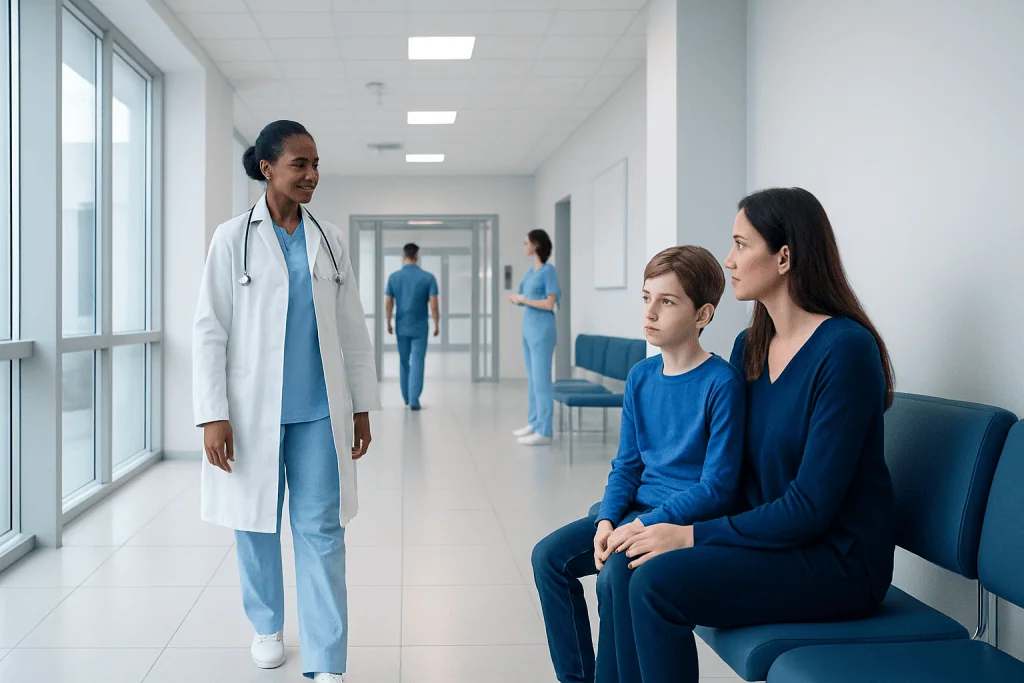
Brain infections in children include infections of the brain, its lining, or nearby structures and need prompt medical attention. Warning signs can include fever, severe headache, vomiting, stiff neck, seizures, confusion, weakness, or unusual sleepiness.
Key Takeaways
- Brain infections in children include infections of the brain, its lining, or nearby structures and need prompt medical attention.
- Warning signs can include fever, severe headache, vomiting, stiff neck, seizures, confusion, weakness, or unusual sleepiness.
- Symptoms may look different in babies and young children, who may show poor feeding, irritability, bulging fontanelle, or reduced responsiveness.
- Diagnosis usually involves a physical examination, blood tests, brain imaging, and sometimes a lumbar puncture.
- Early treatment with hospital-based care can reduce the risk of complications and improve recovery.
Brain infections in children are uncommon but can become serious quickly, so early recognition matters. Fever with severe headache, neck stiffness, confusion, seizures, unusual drowsiness, or behavior changes should prompt urgent medical assessment.
Overview
Brain infections in children are infections that affect the brain, the tissues around it, or the spaces that contain cerebrospinal fluid. These illnesses may include meningitis, which affects the protective lining around the brain and spinal cord, and encephalitis, which affects the brain tissue itself. Although they are not common, they are important because symptoms can worsen quickly.
In children, a brain infection may begin like many ordinary illnesses, with fever, tiredness, poor appetite, or headache. The concern increases when symptoms involve the nervous system, such as seizures, confusion, unusual behavior, weakness, trouble waking the child, or a stiff neck. Because children may not be able to clearly describe what they feel, parents and caregivers often play the key role in noticing that something is not right.
Some brain infections are caused by viruses, while others are caused by bacteria and, less often, fungi or parasites. Viral infections can sometimes be milder, but this is not always the case. Bacterial infections generally require urgent treatment because they can progress rapidly. If warning signs appear, a child should be assessed without delay by a qualified medical team.
Early Signs and Symptoms That Need Urgent Attention
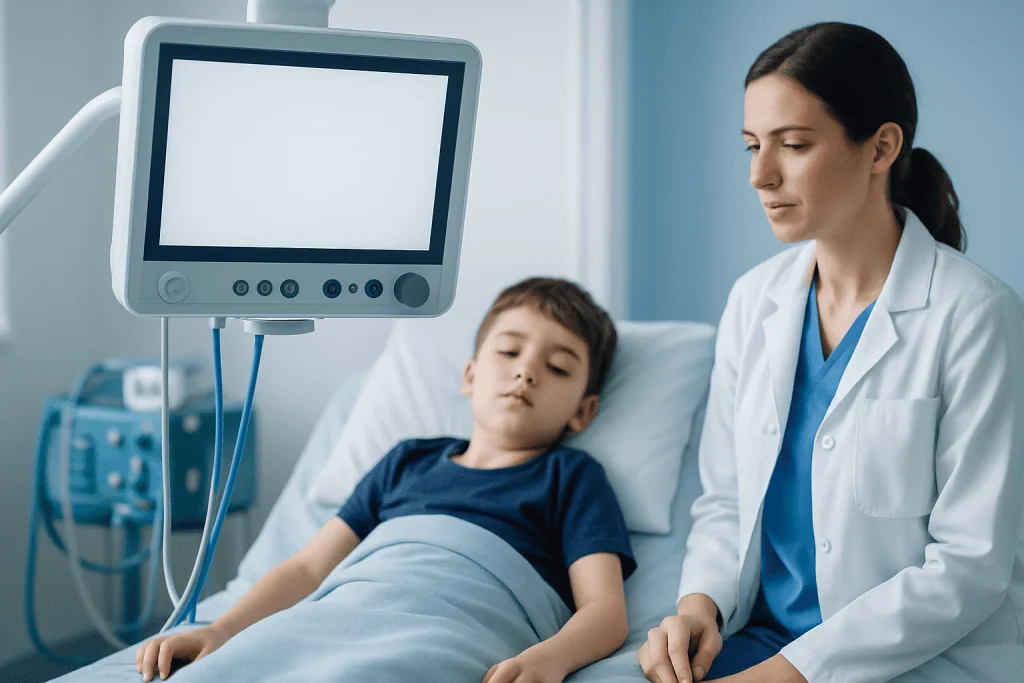
The early signs of brain infections in children can vary by age, the type of infection, and how quickly it develops. In school-age children and teenagers, symptoms often include fever, severe headache, nausea or vomiting, sensitivity to light, neck stiffness, confusion, unusual irritability, or increasing drowsiness. Seizures, fainting, slurred speech, imbalance, or weakness on one side of the body are especially urgent warning signs.
Babies and toddlers may show less specific symptoms. Parents may notice poor feeding, repeated vomiting, high-pitched crying, unusual floppiness or stiffness, reduced eye contact, reduced responsiveness, or a bulging soft spot on the head. A baby may seem much sleepier than usual or, by contrast, unusually difficult to settle. These changes deserve prompt attention, especially when combined with fever.
A rash can sometimes occur with certain serious infections, especially meningococcal disease. Cold hands or feet, pale or mottled skin, breathing changes, or signs of dehydration may signal severe illness. If a child is hard to wake, has a seizure, seems confused, struggles to breathe, or develops rapidly worsening symptoms, urgent emergency care is needed.
- Fever with severe headache
- Neck stiffness or pain
- Confusion, unusual behavior, or excessive sleepiness
- Seizures
- Vomiting with neurological symptoms
- Weakness, difficulty walking, or speech changes
What Causes Brain Infections and Who Is at Risk?
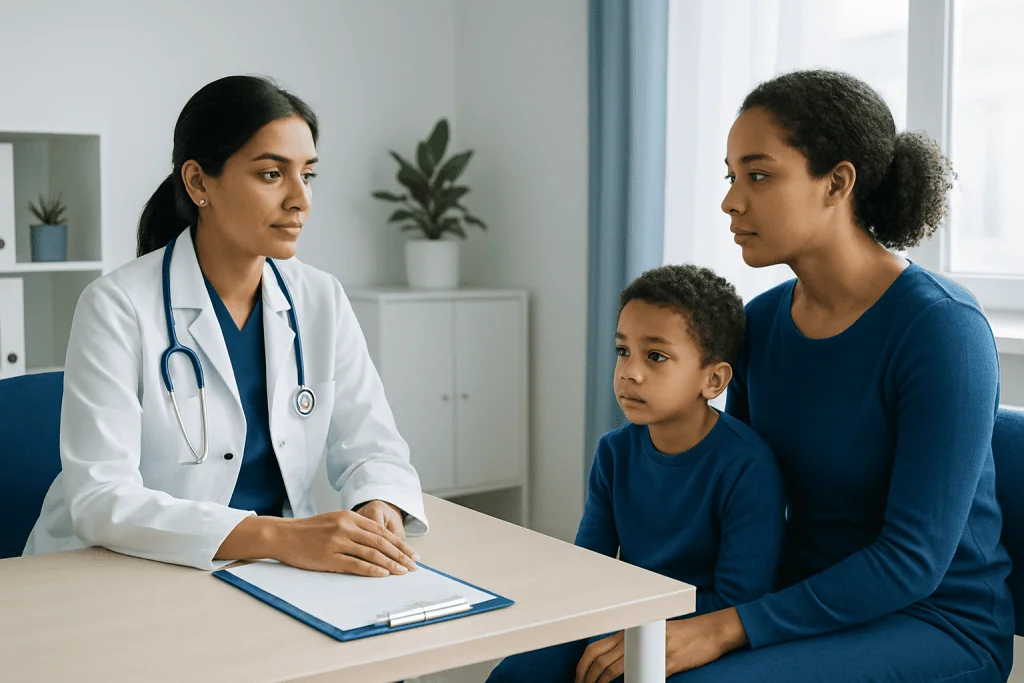
Brain infections in children are usually caused by infectious organisms reaching the nervous system. Viruses are common causes of encephalitis, while bacteria are a major cause of meningitis. In some cases, infection spreads from the bloodstream after a respiratory or gastrointestinal illness. In others, it may spread from a nearby infection such as sinusitis, ear infection, or, more rarely, after head trauma or neurosurgery.
Most children who develop these infections were previously healthy, so any child can potentially be affected. However, some factors may increase risk. These include very young age, incomplete vaccination, a weakened immune system, chronic neurological conditions, congenital abnormalities affecting the brain or spinal cord, and recent exposure to certain infections. Travel history, insect bites, animal exposure, and seasonal patterns can also help doctors consider less common causes.
It is also important to remember that symptoms alone do not reveal the exact cause. For example, fever and headache may occur with many childhood illnesses. What raises concern is the combination of fever with neurological symptoms, rapid worsening, or a child appearing unusually ill. This is why medical evaluation is so important rather than trying to identify the cause at home.
How Doctors Diagnose Brain Infections in Children
Diagnosis begins with a careful medical history and physical examination. The doctor will ask when symptoms started, how they changed, whether there was recent illness or infection exposure, and whether the child has had seizures, reduced alertness, or weakness. The neurological examination helps assess alertness, movement, reflexes, coordination, and signs of irritation of the meninges, such as neck stiffness.
Blood tests are commonly used to look for signs of infection or inflammation and to help identify the organism. Imaging studies such as MRI or CT scan may be used if doctors need to look for brain swelling, abscess, complications, or another cause of the symptoms. Imaging is especially helpful when a child has focal neurological signs, severe reduced consciousness, or concern for increased pressure inside the skull.
A lumbar puncture, also called a spinal tap, is often an important test when meningitis or encephalitis is suspected. It allows doctors to examine cerebrospinal fluid for infection and inflammation. This test is not performed in every child immediately; the team first makes sure it is safe based on the child’s condition and, in some cases, imaging results. Because timing matters, treatment may begin before all test results are available.
Treatment Options and Hospital Care
Brain infections in children are usually treated in hospital because close monitoring is often needed. Doctors may start treatment right away if the child’s symptoms strongly suggest a serious infection. This can include intravenous antibiotics for suspected bacterial infection and, in selected cases, antiviral medication when a viral cause is likely. Supportive care is equally important and may include fluids, oxygen, fever control, and careful management of pain and nausea.
If a child has seizures, doctors may use medicines to control them and may arrange EEG monitoring in some situations. Children with significant swelling of the brain, breathing difficulties, reduced consciousness, or unstable vital signs may need intensive care support. The exact treatment plan depends on the cause, the child’s age, and whether there are complications such as brain swelling, abscess, or septic illness.
Recovery can vary. Some children improve quickly once treatment begins, while others need a longer hospital stay and follow-up for fatigue, headaches, learning difficulties, hearing changes, or neurological symptoms. In complex cases, care may involve pediatric neurologists, infectious disease specialists, intensivists, radiologists, and rehabilitation teams. Near the end of the care pathway, families seeking international treatment may also be interested to know that Acibadem International’s multidisciplinary specialists in JCI-accredited hospitals diagnose and treat pediatric neurological infections and their complications.
Prevention and Self-care for Families
Not every brain infection can be prevented, but several measures can reduce risk. Routine childhood vaccinations are among the most effective protections against infections that can lead to meningitis or encephalitis. Good hand hygiene, avoiding close contact with people who are clearly unwell, and seeking timely care for serious ear, sinus, or systemic infections are also helpful.
Families can support children by paying attention to hydration, fever, and overall behavior during common illnesses. It is reasonable to monitor a child at home when symptoms are mild and the child remains alert, responsive, and able to drink. However, caregivers should not rely only on fever level. A child’s mental state, activity, breathing, and ability to wake and interact are often more important clues.
Self-care at home is not a substitute for evaluation when neurological symptoms appear. Parents should avoid delaying care if the child develops a severe headache, seizure, unusual sleepiness, stiff neck, confusion, or persistent vomiting. If a clinician recommends hospital assessment, lumbar puncture, or imaging, these tests are intended to find the cause quickly and guide safe treatment.
When to See a Doctor Urgently
A child should be seen urgently if fever is accompanied by severe headache, neck stiffness, confusion, repeated vomiting, a seizure, weakness, difficulty walking, or trouble staying awake. Babies should be assessed urgently for poor feeding, bulging fontanelle, extreme irritability, limpness, or reduced responsiveness. Care should also be sought quickly if a child appears much more unwell than expected for a routine viral illness.
Emergency care is especially important when symptoms develop suddenly or worsen over hours. Do not wait for all the classic signs to appear. Not every child with a brain infection has neck stiffness or a rash, and infants may have very subtle signs. Trusting a caregiver’s concern that a child is acting abnormally can be valuable.
After treatment, follow-up matters too. Some children need repeat neurological assessment, hearing checks, school support, or rehabilitation depending on how severe the illness was. Ongoing symptoms such as headaches, concentration problems, balance issues, or new seizures should be reviewed by a doctor, and some children may benefit from specialist pediatric neurology follow-up.
Frequently asked questions
What are the first signs of a brain infection in a child?
The first signs may include fever, headache, vomiting, unusual sleepiness, irritability, or behavior changes. More concerning signs include seizures, confusion, neck stiffness, weakness, or trouble waking the child.
How are brain infections in children different from ordinary viral illnesses?
Many common infections cause fever and tiredness, but brain infections are more likely to involve the nervous system. Warning signs include severe headache, altered awareness, seizures, stiff neck, or a child who seems unusually difficult to wake or interact with.
Can a baby have a brain infection without obvious neck stiffness?
Yes. Babies often do not show the classic symptoms seen in older children. They may instead have poor feeding, high-pitched crying, vomiting, a bulging fontanelle, reduced responsiveness, unusual limpness, or extreme irritability.
Does every child with suspected meningitis or encephalitis need a lumbar puncture?
A lumbar puncture is often very helpful, but doctors first decide whether it is safe based on the child’s condition. In some cases, treatment starts immediately and tests are done in a staged way to protect the child while still moving quickly.
Are brain infections in children treatable?
Yes, many brain infections are treatable, especially when recognized early. Treatment depends on the cause and may include antibiotics, antiviral medication, seizure control, fluids, and close hospital monitoring.
When should parents call emergency services instead of waiting for a clinic appointment?
Emergency help is appropriate if a child has a seizure, is hard to wake, has severe confusion, trouble breathing, new weakness, or rapidly worsening symptoms. These signs can indicate a serious condition that needs immediate medical care.
References
- World Health Organization
- Centers for Disease Control and Prevention
- American Academy of Pediatrics
- National Institute of Neurological Disorders and Stroke
- European Centre for Disease Prevention and Control
This article is for general information only and is not a substitute for professional medical advice. Please consult a qualified doctor about your individual situation.
Joint and spine care in Turkey — expert assessment & treatment
JCI-accredited · board-certified surgeons · reply within 24h
Add us as a Preferred Source to see more of our trusted health content across Google Search, AI Overviews and Discover.