Brain Neuron Cells: How Nerve Cells Send Signals and Support Brain Function
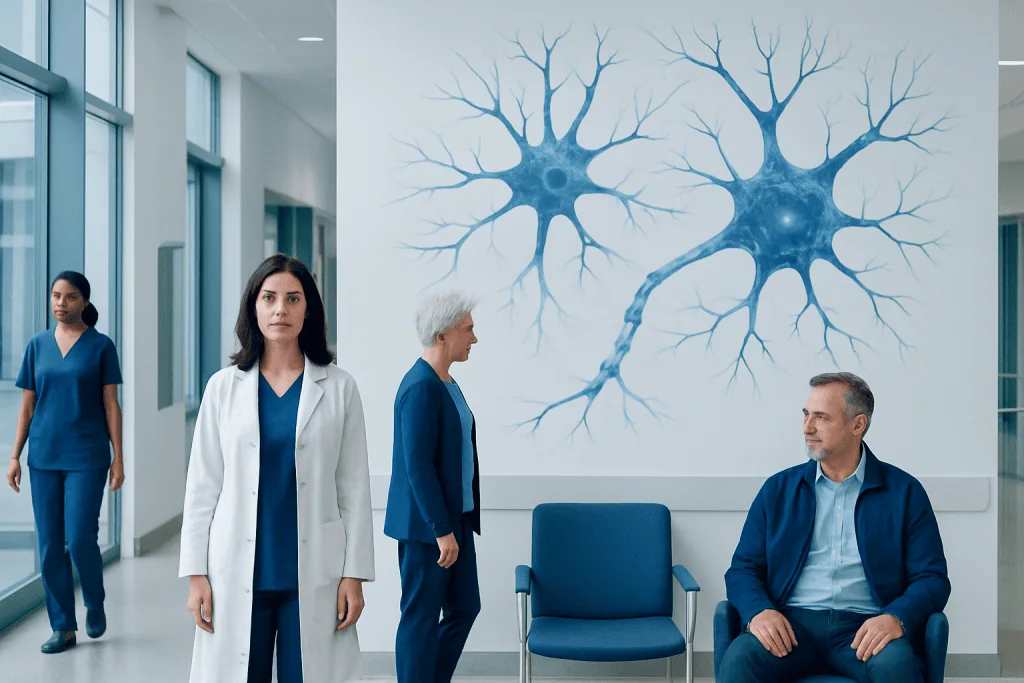
Brain neuron cells are the basic communication units of the nervous system. Neurons send signals through electrical impulses and chemical neurotransmitters.
Key Takeaways
- Brain neuron cells are the basic communication units of the nervous system.
- Neurons send signals through electrical impulses and chemical neurotransmitters.
- Different parts of a neuron, including dendrites, the cell body, and the axon, each have specific roles.
- Healthy neuron function depends on blood flow, oxygen, sleep, nutrition, and protection from injury.
- Some brain and nerve disorders affect neurons directly and may need specialist evaluation.
Brain neuron cells are specialized nerve cells that carry electrical and chemical messages throughout the brain and body. They make thought, memory, movement, sensation, and many automatic body functions possible.
Overview of Brain Neuron Cells
Brain neuron cells, often simply called neurons, are specialized cells that form the communication network of the brain and nervous system. Their main job is to receive information, process it, and send messages to other neurons, muscles, or glands. This signaling system allows the body to sense the world, think, move, remember, and regulate vital functions such as breathing and heart rate.
Although the brain also contains supportive cells called glial cells, neurons are the cells most directly responsible for rapid signaling. Each neuron is built to pass information efficiently, often over long distances. In the brain, billions of neurons form complex networks that make human behavior and cognition possible.
Neurons do not all look or act the same. Some carry sensory information, such as touch or temperature, while others help control movement or connect different brain regions. Together, these different neuron types create circuits that support language, learning, attention, mood, balance, and many other functions.
How Neurons Are Built

A neuron has several key parts. Dendrites are branch-like extensions that receive incoming signals from other cells. The cell body, also called the soma, contains the nucleus and supports the neuron’s general function. The axon is a longer extension that carries electrical signals away from the cell body toward other neurons or target tissues.
At the end of the axon are small terminal branches that release chemical messengers called neurotransmitters. These chemicals cross a tiny gap called the synapse and attach to receptors on the next cell. In this way, one neuron can influence whether another neuron becomes more or less active.
Many axons are covered by myelin, a protective fatty sheath that helps signals travel faster and more efficiently. Myelin is produced by supportive nervous system cells and is especially important for smooth communication between the brain and the rest of the body. Damage to myelin can interfere with signaling and may contribute to certain neurological conditions.
- Dendrites: receive signals
- Cell body: maintains the cell and processes input
- Axon: carries electrical impulses outward
- Synapse: passes messages to the next cell
- Myelin: speeds signal conduction
How Brain Neuron Cells Send Signals

Neurons communicate using both electricity and chemistry. Inside a resting neuron, there is a difference in electrical charge across the cell membrane. When the neuron receives enough stimulation, channels in the membrane open and create a rapid electrical change called an action potential. This impulse travels down the axon like a wave.
When the action potential reaches the end of the axon, it triggers the release of neurotransmitters into the synapse. These chemicals then bind to the next cell. Depending on the neurotransmitter and the receptor, the message may excite the next neuron, making it more likely to fire, or inhibit it, making it less likely to fire.
This process happens continuously across large networks of cells. Even simple actions, such as picking up a cup, require sensory neurons, motor neurons, and multiple brain circuits to work together in milliseconds. More complex tasks, such as decision-making or memory formation, involve highly coordinated neuron activity across several brain regions.
Common neurotransmitters include glutamate, which often promotes activation; gamma-aminobutyric acid (GABA), which often reduces activity; dopamine, which is involved in movement, motivation, and reward; serotonin, which influences mood and many other functions; and acetylcholine, which plays roles in attention, memory, and muscle activation.
What Neurons Do for Brain Function
Brain neuron cells support nearly every known brain function. Sensory neurons help detect signals such as pain, pressure, light, sound, smell, and taste. Interneurons within the brain and spinal cord link information together, helping interpret what is happening and coordinate responses. Motor neurons send commands that allow muscles to move.
Neurons are also central to memory, learning, attention, and emotion. When the brain learns something new, the connections between neurons can strengthen or reorganize, a process known as neuroplasticity. This ability helps the brain adapt to new experiences, recover to some degree after injury, and refine skills through practice.
Some neurons are involved in automatic functions that do not require conscious effort. These include control of breathing patterns, blood pressure, sleep-wake cycles, digestion, and reflexes. Because neurons support both conscious and automatic functions, healthy brain signaling is essential for overall well-being.
Problems in neuronal circuits may contribute to disorders such as epilepsy, movement disorders, memory problems, neuropathy, or changes in mood and behavior. The exact symptoms depend on which neurons or brain regions are affected.
What Can Affect Neuron Health
Neurons need a steady supply of oxygen and nutrients to function properly. The brain depends on healthy blood flow, balanced body chemistry, and stable energy production. Conditions that affect circulation, oxygen delivery, blood sugar, or inflammation may interfere with neuron function over time.
Injury and disease can also damage neurons directly. Head trauma, stroke, infections, toxins, and some autoimmune disorders may disrupt signaling or lead to cell loss. Neurodegenerative conditions can gradually affect specific groups of neurons, leading to changes in movement, memory, speech, or behavior.
Lifestyle factors matter as well. Sleep is important for brain recovery, memory processing, and cellular maintenance. Regular physical activity supports blood flow and cardiovascular health, while a balanced diet provides nutrients the nervous system uses for normal function. Avoiding tobacco, limiting alcohol, and using safety measures to prevent head injury may help protect brain health.
Some symptoms that may reflect nervous system problems include persistent numbness, weakness, seizures, unexplained tremor, memory decline, severe headaches, or sudden changes in vision, speech, or coordination. These symptoms do not always mean neuron damage, but they should be assessed when they are new, persistent, or worsening.
How Doctors Evaluate Problems Related to Neurons
Doctors assess neuron-related symptoms by combining medical history, physical examination, and neurological examination. They may ask about the timing of symptoms, whether one or both sides of the body are affected, and whether there are associated changes in balance, memory, sensation, sleep, or mood. A neurological exam can help identify which part of the nervous system may be involved.
Depending on the concern, testing may include blood tests, imaging studies, or studies of brain and nerve activity. Brain imaging such as MRI can help show structural changes in the brain or spinal cord. In some cases, doctors may also use electroencephalography (EEG) to assess electrical brain activity, especially when seizures are suspected.
If symptoms suggest a peripheral nerve disorder, a specialist may recommend electromyography (EMG) and nerve conduction studies to evaluate how well nerves and muscles are working. Cognitive testing or additional neurological assessments may be helpful when memory or thinking changes are present.
The goal of evaluation is not only to name a condition, but also to understand how the affected nerve cells or circuits are functioning. This helps guide treatment, rehabilitation, and long-term care planning.
Treatment, Support, and Brain-Healthy Habits
Treatment depends on the underlying cause of neuron dysfunction. Some problems improve when triggers such as infection, vitamin deficiency, sleep deprivation, medication effects, or metabolic imbalance are treated. Other conditions may require longer-term management, including medicines, rehabilitation, psychological support, or specialist procedures.
For many neurological conditions, supportive care is an important part of treatment. Physical therapy, occupational therapy, speech therapy, and cognitive rehabilitation may help improve daily function and quality of life. Early treatment can be especially helpful when symptoms involve movement, balance, speech, or memory.
Daily habits also support neuron health. Patients are often advised to prioritize regular sleep, physical activity suited to their ability, hydration, stress management, and a balanced diet rich in vegetables, fruits, whole grains, healthy fats, and protein. Controlling blood pressure, diabetes, and cholesterol can also support brain and vascular health.
When specialized care is needed, comprehensive neurological centers may coordinate diagnosis and treatment across multiple disciplines. Acibadem International’s multidisciplinary specialists and JCI-accredited hospitals diagnose and treat neurological conditions for international patients, including disorders that may affect brain signaling such as Parkinson’s disease.
When to See a Doctor
Medical advice should be sought for symptoms that suggest changes in the brain or nervous system, especially if they are persistent, progressive, or interfering with daily life. Examples include new weakness, repeated falls, persistent numbness, unexplained tremor, seizures, worsening headaches, memory decline, or noticeable changes in speech or coordination.
Urgent medical attention is important for sudden symptoms such as facial drooping, one-sided weakness, sudden confusion, loss of vision, severe head injury, or a sudden severe headache. These may signal a time-sensitive neurological emergency and should not be ignored.
For non-emergency concerns, a neurologist or other qualified doctor can help determine whether symptoms relate to neuron function, nerve injury, brain disease, or another medical issue. Early assessment often makes it easier to identify the cause and start appropriate care.
Frequently asked questions
What are brain neuron cells?
Brain neuron cells are specialized nerve cells that transmit information within the brain and throughout the nervous system. They help the body think, feel, move, remember, and control automatic functions such as breathing and heart rate.
How do neurons send messages?
Neurons send messages through electrical impulses that travel along the axon and chemical neurotransmitters that cross the synapse. This combination allows fast, precise communication between brain cells and other parts of the body.
Can brain neuron cells repair themselves?
Some parts of the nervous system have limited ability to recover, and the brain can sometimes adapt through neuroplasticity. However, many neurons do not regenerate easily, so prevention, early diagnosis, and treatment are important.
What is the difference between neurons and glial cells?
Neurons are the main signaling cells that send and receive messages. Glial cells support neurons by providing protection, nutrition, insulation, and help with maintaining the brain’s environment.
What can damage neurons?
Neurons can be affected by lack of oxygen, poor blood flow, head injury, infection, toxins, inflammation, and certain neurological diseases. Long-term problems such as uncontrolled diabetes or vascular disease may also affect nerve function.
How can a person support neuron health?
Healthy habits such as regular sleep, physical activity, balanced nutrition, avoiding tobacco, limiting alcohol, and managing chronic conditions can support neuron health. Protecting the head from injury and seeking medical care for neurological symptoms are also important.
References
- National Institute of Neurological Disorders and Stroke
- National Institute on Aging
- MedlinePlus
- Mayo Clinic
- World Health Organization
This article is for general information only and is not a substitute for professional medical advice. Please consult a qualified doctor about your individual situation.
Heart care in Turkey — expert evaluation and treatment
JCI-accredited · board-certified surgeons · reply within 24h
Add us as a Preferred Source to see more of our trusted health content across Google Search, AI Overviews and Discover.
Check your numbers in seconds
BMI, calories, due date, blood pressure and 30+ more clinical calculators — free, instant, doctor-reviewed ranges.

More from the Health Library



Related Specialists

Dr. Mustafa Bozkurt
Medical Oncology
Fzt. Ömür Akgül
Physical Medicine & Rehabilitation
Dt. Aybike Karaüzüm
Dentistry
Assoc. Prof. Dr. Özge Begüm Comba
Ophthalmology