Brain Surgery Types Explained: Craniotomy, Endoscopic Surgery, and More
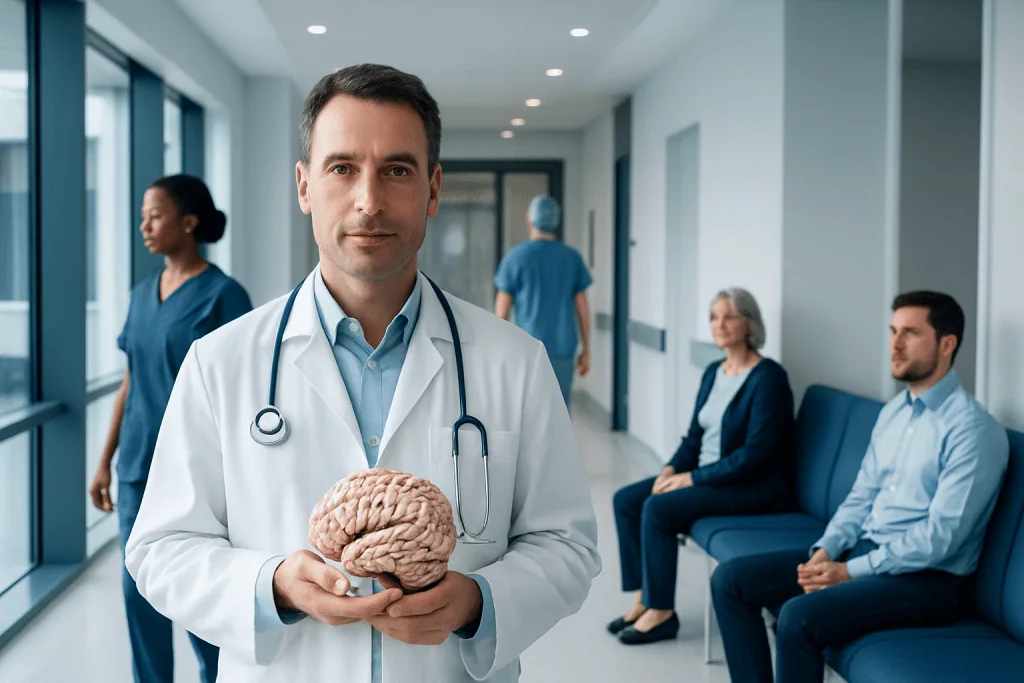
Brain surgery is not one single operation; surgeons use different approaches for different brain conditions. Craniotomy is a common open technique, while endoscopic and stereotactic methods may allow smaller openings in selected cases.
Key Takeaways
- Brain surgery is not one single operation; surgeons use different approaches for different brain conditions.
- Craniotomy is a common open technique, while endoscopic and stereotactic methods may allow smaller openings in selected cases.
- Treatment planning usually involves brain imaging, neurological assessment, and a discussion of risks, benefits, and alternatives.
- Recovery varies widely depending on the surgery type, the brain area involved, and the person’s general health.
- Modern neurosurgery often uses advanced navigation, microscopy, and monitoring to improve precision and safety.
Brain surgery includes several techniques used to diagnose, treat, or relieve problems affecting the brain and nearby structures. The best approach depends on the condition, its location, the person’s overall health, and the goals of treatment.
Overview of Brain Surgery Types
Brain surgery refers to operations performed on the brain, its coverings, the skull base, or nearby structures to diagnose or treat disease. These procedures may be used for brain tumors, bleeding, blood vessel problems, epilepsy, pressure buildup, infection, trauma, or certain movement disorders. In some cases, surgery aims to cure a problem; in others, it is done to reduce symptoms, protect brain function, or obtain a tissue sample for diagnosis.
There is no single “best” type of brain surgery for every patient. Neurosurgeons choose an approach based on the exact condition, where it is located, whether urgent treatment is needed, and how close the area is to important parts of the brain that control speech, movement, vision, memory, or sensation. The treatment plan may also involve neurology, neuroradiology, oncology, rehabilitation, and intensive care specialists.
The term brain surgery often brings to mind a large operation, but many modern techniques are more targeted than people expect. Some procedures use a standard open approach, such as a craniotomy, while others rely on endoscopes, stereotactic guidance, or minimally invasive routes through a small opening. The goal is always to treat the problem as effectively and safely as possible while preserving healthy brain tissue.
Common Types of Brain Surgery
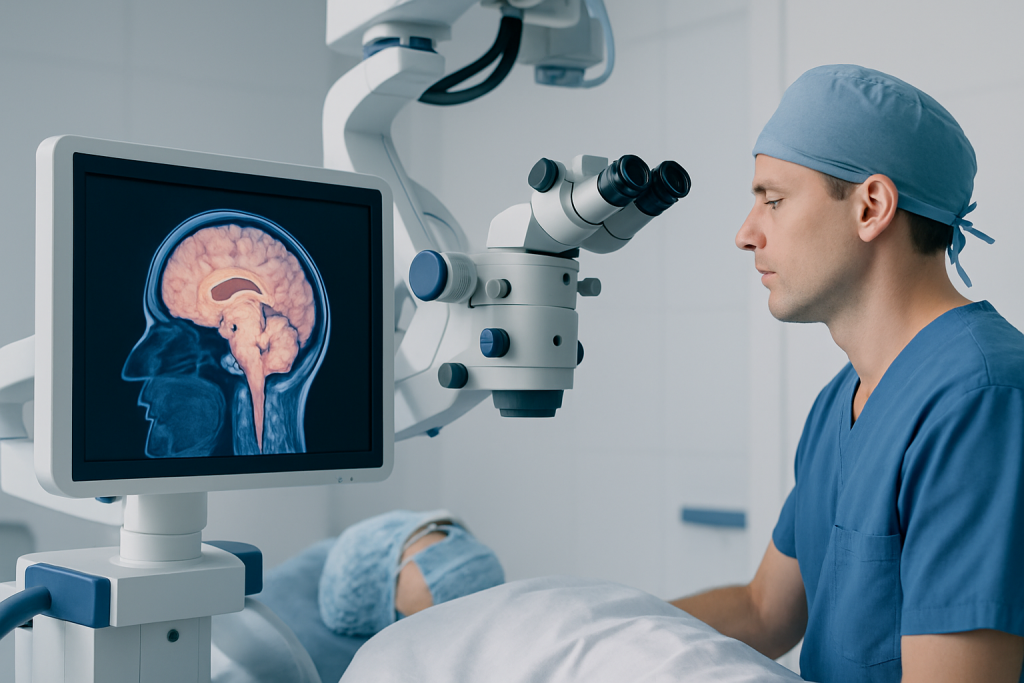
A craniotomy is one of the most widely used brain operations. In a craniotomy, the surgeon temporarily removes a section of skull to reach the brain, then replaces it at the end of the operation. This approach gives direct access for treating conditions such as brain tumors, bleeding, aneurysms, traumatic injury, or swelling. Craniotomy may also be done as an awake procedure in carefully selected patients when surgeons need to monitor speech or movement during the operation.
Endoscopic brain surgery uses a thin camera and specialized instruments passed through a small opening or natural pathway, such as the nose in selected skull base procedures. This may be helpful for certain tumors, cysts, fluid blockages, and pituitary conditions. Compared with traditional open surgery, endoscopic techniques can sometimes reduce disruption to surrounding tissues, though they are only appropriate when the anatomy and condition allow it. In some cases, a surgeon may recommend endoscopic pituitary surgery for lesions around the pituitary gland.
Stereotactic and image-guided procedures use detailed scans and navigation systems to target a very precise area of the brain. These methods are often used for biopsies, deep brain stimulation electrode placement, laser-based procedures in selected centers, or treatment planning for focused therapies. A related approach, burr hole surgery, involves creating one or more small openings in the skull to drain fluid or blood, place a monitor, or insert surgical instruments. Some patients may also need deep brain stimulation as part of treatment for certain movement disorders.
Other important procedures include skull base surgery, which treats problems at the underside of the brain and near the cranial nerves, and decompressive surgery, performed to relieve dangerous pressure. The exact method depends on the diagnosis. For example, surgery for brain aneurysm may involve open clipping in some patients, while others may be treated through endovascular techniques rather than open brain surgery.
When Brain Surgery May Be Needed

Doctors may recommend brain surgery when a condition threatens life, causes progressive symptoms, or is unlikely to improve with medicines alone. Common reasons include removing or sampling a tumor, stopping bleeding, repairing a blood vessel abnormality, relieving pressure from swelling or trapped fluid, controlling seizures, or treating severe head trauma. Surgery can also be used to manage pain, movement disorders, or certain infections.
Symptoms that lead to evaluation can vary widely depending on the part of the brain involved. A person may have headaches, weakness, seizures, balance problems, personality or memory changes, difficulty speaking, vision changes, vomiting, confusion, or loss of consciousness. These symptoms do not always mean surgery will be needed, but they may prompt urgent imaging and specialist review.
In planned cases, surgery is often considered only after careful comparison with non-surgical options such as medicines, monitoring, radiation therapy, rehabilitation, or endovascular treatment. The decision usually balances expected benefit against risks such as bleeding, infection, stroke, seizures, swelling, or changes in neurological function. The recommendation is individualized rather than routine.
How Doctors Decide Which Procedure Is Best
Choosing a brain surgery type begins with diagnosis. Doctors typically use imaging such as CT or MRI scans, and sometimes specialized tests like angiography, functional MRI, electroencephalography, or hormonal assessment, depending on the suspected problem. A neurological examination helps show how the condition is affecting the brain and what functions need extra protection during treatment.
The surgeon then considers several practical questions: Where is the problem located? How large is it? Is it near critical brain areas or major blood vessels? Is complete removal possible, or is the safer goal to reduce pressure or obtain a biopsy? The patient’s age, medical conditions, medications, and recovery goals also matter. In urgent emergencies, speed and life-saving access may be the priority.
Advanced technology often supports this planning. Modern neurosurgery may use neuronavigation systems, operating microscopes, intraoperative imaging, brain mapping, and monitoring of nerve or motor pathways. These tools do not remove all risk, but they can help the surgical team work more precisely. In selected cases, the plan may include intraoperative MRI to check progress during surgery.
Before any operation, patients and families usually discuss expected benefits, possible complications, alternatives, and the likely recovery timeline. Understanding why one approach is recommended over another can make the process less overwhelming and helps support informed decision-making.
What Happens Before, During, and After Surgery
Before surgery, the team reviews imaging, blood tests, current medications, and anesthesia fitness. Patients may be asked to stop certain blood-thinning medicines, avoid food or drink for a period before surgery, and complete consent discussions. Depending on the condition, the team may also arrange speech testing, seizure assessment, or planning scans. Clear instructions are usually given about hospital arrival, hair preparation, and what to bring.
During surgery, the person is most often under general anesthesia, although some procedures are done awake for part of the operation to monitor speech or movement. The surgeon uses the planned approach, whether that is a craniotomy, a burr hole, an endoscopic route, or a stereotactic technique. The length of surgery varies greatly depending on complexity. Throughout the operation, the team closely monitors breathing, blood pressure, brain function, and other vital signs.
After surgery, care typically starts in a recovery unit or intensive care setting where the team watches for pain, swelling, bleeding, seizure activity, infection, and neurological changes. Follow-up imaging may be performed soon after the operation. Some people leave the hospital within a few days, while others need a longer stay, especially after major surgery or if rehabilitation is required. Doctors may prescribe medicines for pain, swelling, or seizure prevention depending on the case.
Rehabilitation can be an important part of recovery. Physical therapy, occupational therapy, speech therapy, and neuropsychological support may help restore independence and improve function. For international patients, Acibadem International’s multidisciplinary specialists and JCI-accredited hospitals diagnose and treat brain conditions with coordinated neurosurgical care.
Benefits, Risks, and Recovery
The potential benefits of brain surgery depend on the condition being treated. Surgery may remove a tumor, stop bleeding, repair a structural problem, reduce pressure inside the skull, improve seizure control, or preserve neurological function by treating a problem before it worsens. In some patients, surgery also provides a clear diagnosis that guides further treatment such as radiation, medication, or rehabilitation.
As with any major procedure, brain surgery carries risks. These may include bleeding, infection, blood clots, reactions to anesthesia, seizures, swelling, leakage of cerebrospinal fluid, or stroke-like problems. Because the brain controls many body functions, there can also be temporary or long-term changes in movement, sensation, speech, balance, memory, vision, or behavior. The exact risk profile depends on the disease, its location, and the type of operation.
Recovery is highly individual. Some patients resume many normal activities within weeks, while others need months of healing and therapy. Fatigue is common after brain surgery, even when the procedure is considered successful. Follow-up appointments usually include wound checks, imaging, medication review, and advice on work, exercise, driving, and return to daily activities. Recovery is often best when patients follow instructions closely and ask for help early if new symptoms appear.
Questions to Ask and When to Seek Medical Help
Patients often feel more prepared when they ask practical questions before surgery. Helpful topics include the exact diagnosis, why this procedure is recommended, whether there are non-surgical alternatives, what benefits are realistic, what complications are most relevant in that individual case, and how long hospital stay and recovery may take. It is also useful to ask about rehabilitation needs and whether additional treatment will be needed after surgery.
After discharge, patients should contact their doctor promptly if they develop fever, worsening headache, repeated vomiting, confusion, unusual drowsiness, increasing weakness, new seizures, wound redness or drainage, or sudden vision or speech changes. These symptoms can have many causes, but they need medical review. Emergency care is especially important for loss of consciousness, severe neurological changes, or signs of stroke.
For people who are only beginning the evaluation process, not every brain condition requires surgery. Many symptoms can come from less serious causes, but persistent or unexplained neurological symptoms deserve professional assessment. Early evaluation helps doctors decide whether monitoring, medication, interventional treatment, or surgery is the most appropriate next step.
Frequently asked questions
What is the most common type of brain surgery?
A craniotomy is one of the most common types of brain surgery. It allows the surgeon direct access to the brain by temporarily removing a piece of skull and then replacing it after the operation.
Is endoscopic brain surgery safer than open surgery?
Endoscopic surgery can be less invasive in selected cases, but it is not automatically safer for every condition. The best option depends on the location, size, and type of problem, as well as the surgeon’s assessment and experience.
How long does recovery from brain surgery take?
Recovery can range from weeks to several months depending on the procedure, the underlying condition, and the person’s general health. Some patients recover quickly, while others need rehabilitation for speech, movement, balance, or memory.
Will a person always need general anesthesia for brain surgery?
Most brain surgeries are performed under general anesthesia. However, some patients may have an awake craniotomy so the surgical team can monitor speech or movement during the procedure.
Can brain surgery be done through the nose?
Yes, certain brain and skull base procedures can be performed through the nose using endoscopic techniques. This is most often considered for selected pituitary and skull base lesions when the anatomy is suitable.
What are the main risks of brain surgery?
Possible risks include bleeding, infection, seizures, swelling, fluid leakage, and changes in neurological function such as speech, movement, or memory problems. The exact risks depend on the brain area involved and the type of operation.
References
- World Health Organization
- National Institute of Neurological Disorders and Stroke
- American Association of Neurological Surgeons
- National Health Service
- National Cancer Institute
This article is for general information only and is not a substitute for professional medical advice. Please consult a qualified doctor about your individual situation.
Explore treatments in Turkey — costs, top hospitals & a free quote
JCI-accredited · board-certified surgeons · reply within 24h
Add us as a Preferred Source to see more of our trusted health content across Google Search, AI Overviews and Discover.

Neurosurgery
Surgical treatment of the brain, spine and nervous system, including minimally invasive and functional procedures.
70 specialists in this unit