Breast Cancer Awareness: Signs, Screening, and Prevention

A new lump, skin change, nipple change, or unusual discharge should be assessed by a doctor. Breast cancer may not cause symptoms at first, which is why routine screening matters.
Key Takeaways
- A new lump, skin change, nipple change, or unusual discharge should be assessed by a doctor.
- Breast cancer may not cause symptoms at first, which is why routine screening matters.
- Mammography is the main screening test for many adults, with ultrasound or MRI used in selected cases.
- Risk is influenced by age, family history, genetics, hormones, lifestyle, and breast density.
- Not all breast changes are cancer, but persistent or unusual changes should not be ignored.
- Healthy lifestyle habits can support overall breast health, though they cannot eliminate risk completely.
Breast cancer awareness means knowing possible warning signs, understanding screening options, and taking practical steps to support breast health. Early evaluation of changes and age-appropriate screening can help find breast cancer sooner, when treatment options may be broader.
Overview
Breast cancer is a disease in which cells in the breast grow in an abnormal and uncontrolled way. It can begin in different parts of the breast, including the ducts or lobules, and it may remain localized or spread to nearby tissue and other parts of the body. Awareness is important because breast cancer is one of the most commonly diagnosed cancers worldwide, and earlier detection often opens the door to more treatment options.
Breast cancer can affect women and, less commonly, men. Many people associate it only with a breast lump, but the condition can also cause changes in the skin, nipple, or breast shape. In some cases, there are no noticeable symptoms at all, which is why screening has an important role even for people who feel well.
Breast cancer awareness is not only about recognizing disease. It also includes understanding personal risk, keeping up with recommended screening, and knowing when to seek medical advice. Most breast changes are not cancer, but it is still wise to have new or persistent changes checked by a qualified doctor.
Signs and Symptoms
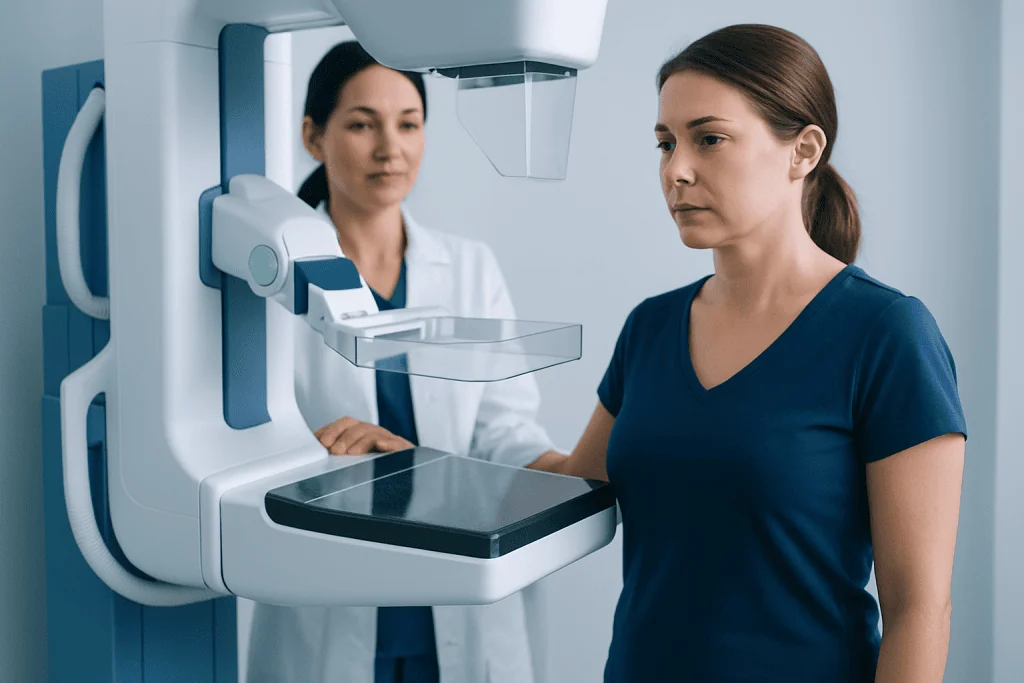
The signs of breast cancer can vary from person to person. A new lump in the breast or underarm is a well-known symptom, but not all cancers form a lump that can be felt. Some changes are subtle and may be found only on a screening mammogram.
Possible symptoms include a lump or thickened area in the breast, a change in breast size or shape, dimpling or puckering of the skin, redness, scaling, or irritation of the breast skin, and nipple changes such as inversion or a new difference in appearance. Some people notice nipple discharge, especially if it is bloody or occurs without squeezing. Persistent pain in one area of the breast is less common as a sign of cancer, but it should still be assessed if it does not go away.
Warning signs to look out for include:
- A new breast or underarm lump
- Swelling in part or all of the breast
- Skin dimpling, thickening, or an “orange peel” appearance
- Nipple inversion or a sudden nipple change
- Unusual nipple discharge, especially bloody discharge
- Redness, warmth, crusting, or persistent irritation of the breast or nipple
- A change in breast size, shape, or contour
These symptoms do not always mean cancer. Benign cysts, infections, hormonal changes, and other non-cancerous breast conditions can cause similar findings. Still, any new, unexplained, or lasting change deserves medical attention rather than self-diagnosis.
Causes and Risk Factors
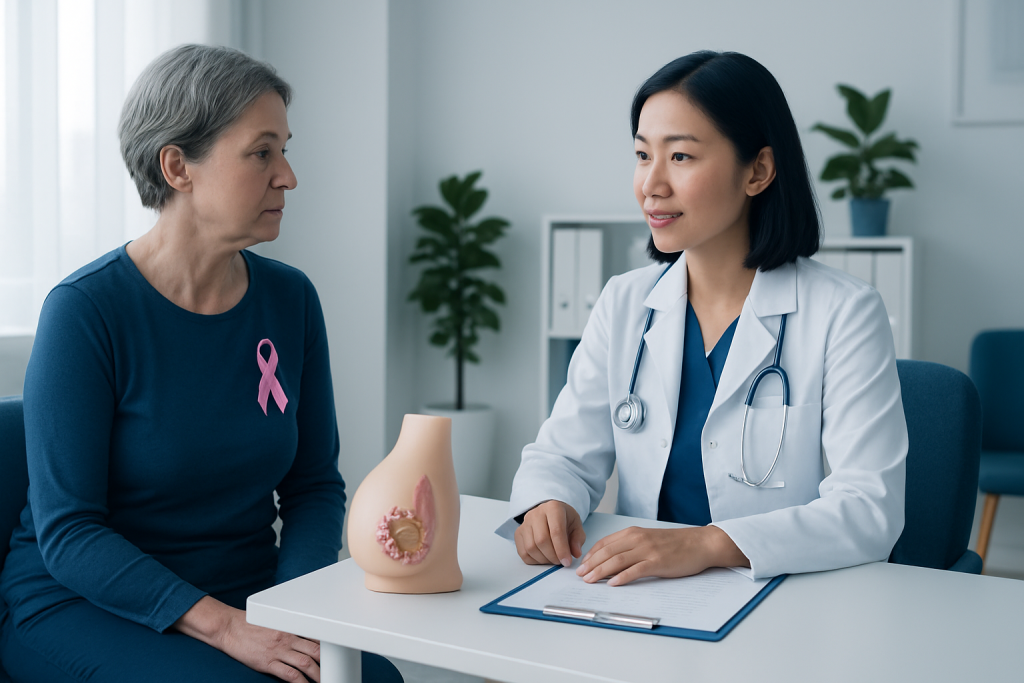
Breast cancer develops when genetic changes build up in breast cells and allow them to grow abnormally. In most cases, there is no single clear cause. Instead, breast cancer usually results from a combination of biological, hormonal, environmental, and lifestyle factors over time.
Age is one of the strongest risk factors, and risk generally increases as people get older. A personal history of breast cancer or certain non-cancerous high-risk breast changes can also raise the chance of developing it again or in the future. Family history matters too, especially if close relatives have had breast or ovarian cancer. Some inherited gene changes, including BRCA1 and BRCA2, can significantly increase risk.
Other factors linked with higher risk include dense breast tissue, early menstruation, late menopause, not having children or having a first child later in life, and long-term exposure to certain hormones. Lifestyle factors such as alcohol use, excess body weight after menopause, low physical activity, and smoking may also contribute. Previous radiation exposure to the chest at a young age can increase risk as well.
Having one or more risk factors does not mean a person will definitely develop breast cancer, and some people who develop it have no obvious risk factors at all. That is why both risk awareness and regular screening are important parts of prevention and early detection.
Screening and Diagnosis
Screening aims to detect breast cancer before symptoms appear. For many adults, mammography is the standard screening test because it can find small changes in the breast that cannot yet be felt. The best age to start screening and how often to repeat it can vary depending on personal risk, age, family history, and national or local guidelines, so an individual discussion with a doctor is important.
People at higher risk may need earlier screening, more frequent follow-up, or additional imaging such as ultrasound or breast MRI. Dense breast tissue can make mammogram interpretation more difficult in some cases, and doctors may recommend extra tests based on the full clinical picture. Screening plans are most effective when they are personalized rather than one-size-fits-all.
If a symptom or screening test suggests an abnormality, diagnosis usually involves a clinical breast exam and imaging tests such as mammography, breast ultrasound, or breast MRI. If an area still looks suspicious, a biopsy is needed to remove a small tissue sample for laboratory analysis. A biopsy is the only way to confirm whether a breast change is cancer.
After diagnosis, further tests may help determine the type of cancer, whether hormone receptors are present, and whether the disease has spread. This information guides treatment planning and helps doctors choose the most appropriate approach for each patient.
Treatment Options
Breast cancer treatment depends on many factors, including the tumor type, stage, size, location, receptor status, overall health, and personal preferences. Care is often planned by a multidisciplinary team that may include breast surgeons, medical oncologists, radiation oncologists, radiologists, and pathologists. Treatment may involve one method or a combination of therapies.
Surgery is commonly used to remove the cancer. Some people may have breast-conserving surgery, while others may need a mastectomy depending on the size and extent of disease. Lymph nodes may also be evaluated to see whether cancer cells have spread beyond the breast. In selected situations, breast cancer surgery is followed by other treatments to reduce the chance of recurrence.
Other options may include radiation therapy, chemotherapy, hormone therapy, targeted therapy, or immunotherapy, depending on the cancer’s characteristics. Some treatments are given before surgery to shrink the tumor, while others are given afterward to lower the risk of the cancer returning. A doctor will explain expected benefits, possible side effects, and the goals of each treatment step.
Treatment planning can feel overwhelming, but patients do not have to manage it alone. In centers such as Acibadem International, multidisciplinary specialists in JCI-accredited hospitals diagnose and treat breast cancer for international patients, with care plans tailored to individual needs.
Prevention and Self-care
There is no guaranteed way to prevent breast cancer, but some steps may help lower risk and support overall health. Staying physically active, maintaining a healthy weight, limiting alcohol, and avoiding smoking are practical lifestyle choices linked with better long-term health. These measures cannot remove risk completely, but they are worthwhile for many reasons, including possible risk reduction.
People should also become familiar with what is normal for their own breasts. Formal self-exams are not a substitute for screening, but breast self-awareness can help someone notice changes such as a new lump, skin dimpling, or nipple discharge. Any unusual change that persists should be discussed with a doctor.
For people with a strong family history or known inherited risk, prevention may involve more than lifestyle measures. Genetic counseling, earlier screening, enhanced imaging surveillance, or risk-reducing strategies may be appropriate. Decisions about these options should always be made with a qualified healthcare professional who understands the person’s full history.
Keeping regular appointments and following the recommended schedule for breast check-up visits can also support early detection. Preventive care works best when it is consistent, personalized, and combined with prompt evaluation of any new symptoms.
When to See a Doctor
A doctor should be consulted if there is a new lump in the breast or underarm, a persistent area of thickening, nipple discharge, skin dimpling, or any unexplained change in breast shape or appearance. Most changes will not turn out to be cancer, but professional evaluation is the safest way to know. It is especially important to seek advice if a symptom lasts beyond one menstrual cycle or continues to worsen.
People should also speak with a doctor if they have a strong family history of breast or ovarian cancer, a known genetic mutation, or previous chest radiation at a young age. In these situations, screening may need to begin earlier or include additional tests. A personalized risk assessment can help clarify what level of follow-up is appropriate.
Urgent medical attention may be needed for severe breast redness, swelling, fever, or signs of infection, as these can indicate other conditions that also require treatment. Even if symptoms seem minor, reassurance from a healthcare professional can be valuable and can help avoid delays in diagnosis.
Frequently asked questions
What is the most common early sign of breast cancer?
A new breast lump or thickened area is one of the most recognized early signs of breast cancer. However, some people have no symptoms at all, which is why routine screening is important.
Can breast cancer occur without a lump?
Yes, breast cancer can develop without a noticeable lump. It may show up as skin dimpling, nipple changes, unusual discharge, swelling, or be detected only on a mammogram.
At what age should breast cancer screening start?
The best age to start screening depends on personal risk factors, family history, and local medical guidelines. A doctor can recommend a screening plan that matches the person's age, breast density, and overall risk.
Does breast pain mean breast cancer?
Breast pain alone is more often caused by non-cancerous conditions such as hormonal changes, cysts, or muscle strain. Still, persistent or localized pain should be evaluated, especially if it comes with another breast change.
Can lifestyle changes prevent breast cancer completely?
No lifestyle plan can prevent breast cancer with certainty. Healthy habits such as exercise, weight control, limiting alcohol, and avoiding smoking may help lower risk, but screening and medical follow-up remain important.
Is a family history of breast cancer always present?
No, many people diagnosed with breast cancer do not have a known family history. Family history increases risk, but breast cancer can also occur in people without inherited or obvious risk factors.
References
- World Health Organization
- American Cancer Society
- National Cancer Institute
- Centers for Disease Control and Prevention
- European Society for Medical Oncology
This article is for general information only and is not a substitute for professional medical advice. Please consult a qualified doctor about your individual situation.
Breast Cancer in Turkey — costs, top hospitals & a free quote
JCI-accredited · board-certified surgeons · reply within 24h
Add us as a Preferred Source to see more of our trusted health content across Google Search, AI Overviews and Discover.

Medical Oncology Department
Medical treatment of cancer with chemotherapy, immunotherapy and targeted therapies under a multidisciplinary tumor board.
60 specialists in this unit