Breast Cancer Research and Treatment: How It Works, Results and What to Expect

Breast cancer treatment is guided by stage, tumor biology and whether the cancer has spread. Surgery, radiation therapy, chemotherapy, hormone therapy, targeted therapy and immunotherapy may be used alone or in combination.
Key Takeaways
- Breast cancer treatment is guided by stage, tumor biology and whether the cancer has spread.
- Surgery, radiation therapy, chemotherapy, hormone therapy, targeted therapy and immunotherapy may be used alone or in combination.
- Many people receive treatment with curative intent when breast cancer is localized or regional.
- The time for breast cancer to progress from stage 1 to stage 4 varies widely and cannot be predicted reliably for an individual.
- Follow-up care, rehabilitation and emotional support are important parts of recovery and long-term health.
Breast cancer research and treatment uses detailed tumor testing, imaging and multidisciplinary planning to select surgery, radiation, systemic medicines, or a combination. Treatment is individualized according to the cancer’s stage, subtype, genetic features, overall health and personal priorities.
Overview: How Breast Cancer Research and Treatment Works
Breast cancer research and treatment has advanced toward more personalized care. Doctors study the cancer’s size, location, stage and biological features—including hormone receptor status, HER2 status and, when appropriate, genetic changes in the tumor—to recommend the approaches most likely to help. This information helps the care team balance effective cancer control with preservation of health, function and quality of life.
Care is usually planned by a multidisciplinary team that may include breast surgeons, medical oncologists, radiation oncologists, radiologists, pathologists, genetic counselors, oncology nurses and rehabilitation specialists. The main treatment types are surgery, radiation therapy and systemic treatments that travel through the bloodstream, such as chemotherapy, hormone therapy, targeted therapy and immunotherapy.
Research continues to improve screening, imaging, pathology testing, surgical techniques and medicines. Clinical trials may offer access to carefully studied new approaches for some eligible patients, but participation is voluntary and depends on the individual diagnosis, available studies and informed discussion with the treating team.
How Is Breast Cancer Assessed Before Treatment?
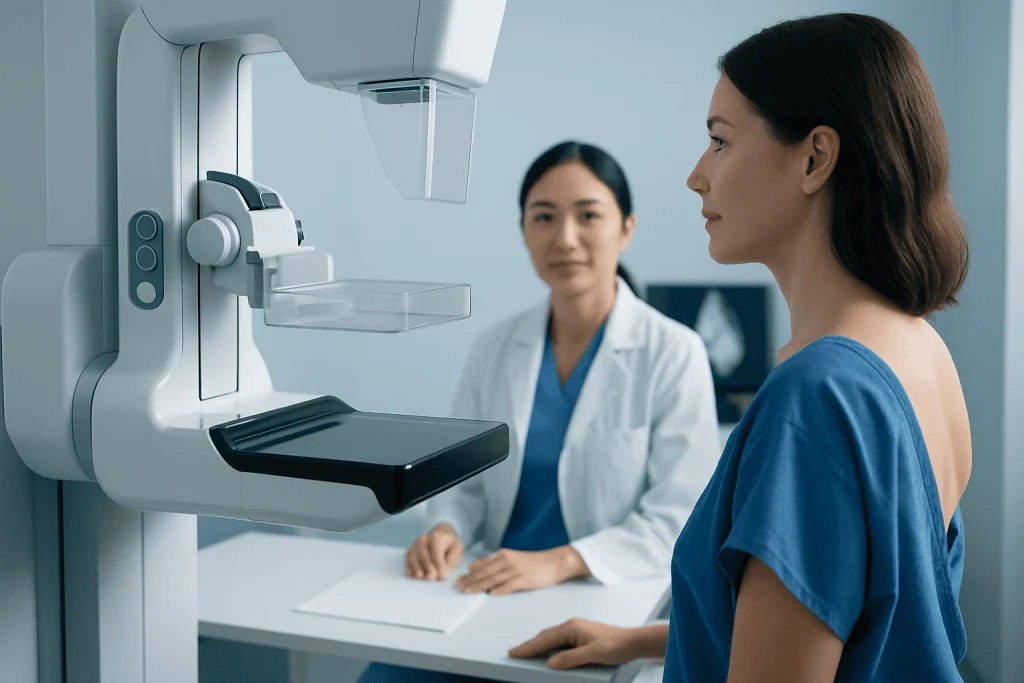
Before treatment begins, clinicians confirm the diagnosis with a biopsy and examine the tissue in a laboratory. Pathology results identify the type and grade of breast cancer and test whether cancer cells have estrogen receptors, progesterone receptors or extra HER2 protein. These results are essential because they influence which medicines may be effective.
Imaging commonly includes diagnostic mammography and ultrasound. Breast MRI, CT, bone scanning or PET imaging may be considered when there is a specific clinical reason, such as defining the extent of disease or evaluating symptoms that could indicate spread. Not every person needs every scan.
Staging describes the extent of cancer, including tumor size, lymph-node involvement and whether distant spread is present. Doctors may also discuss inherited genetic testing when personal or family history suggests a higher likelihood of an inherited cancer predisposition. A detailed evaluation supports breast cancer care that is appropriate to the individual rather than based on a single test result.
What Is the Most Common First-Line Treatment for Breast Cancer?
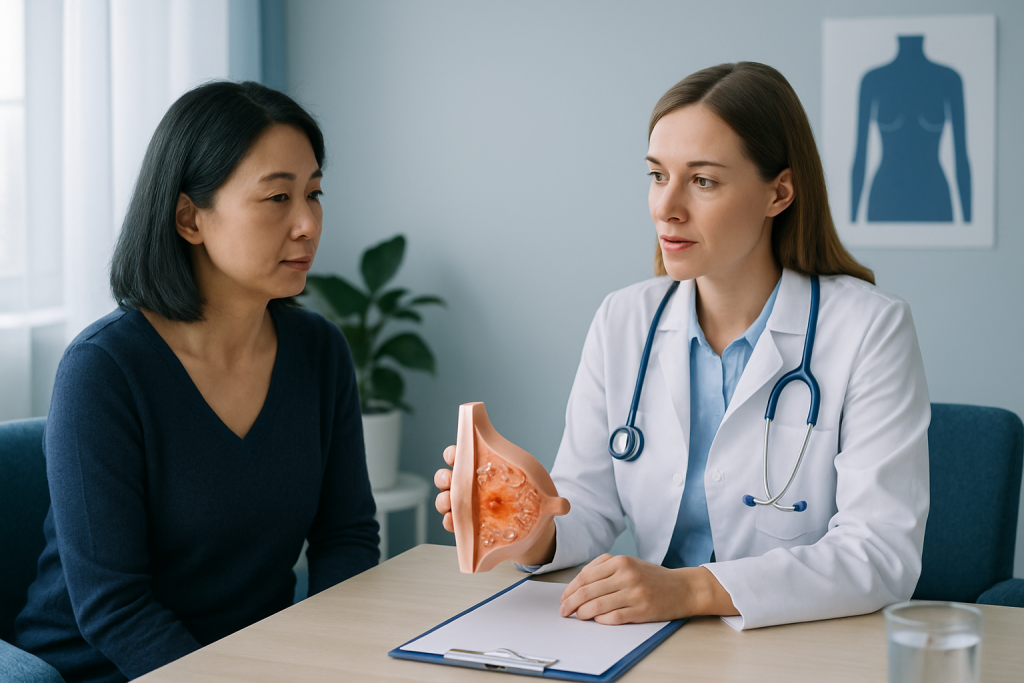
There is no single first-line treatment for every breast cancer. For many early-stage cancers, surgery is a central first treatment, either as breast-conserving surgery (lumpectomy) or mastectomy. The choice depends on the tumor’s size and location, breast size, genetic risk, prior radiation, personal preferences and other clinical factors.
Some people benefit from treatment before surgery, called neoadjuvant therapy. Chemotherapy combined with HER2-targeted medicines is often considered before surgery for certain HER2-positive cancers, while chemotherapy or immunotherapy may be used first for selected triple-negative breast cancers. This approach can shrink a tumor, help assess treatment response and guide further therapy.
For hormone receptor-positive breast cancers, hormone therapy is an important treatment and may be used after surgery, sometimes with other systemic medicines depending on recurrence risk. Radiation commonly follows lumpectomy and may also be recommended after mastectomy in particular circumstances. Decisions should be made with a breast cancer specialist after all pathology and imaging findings are reviewed.
Treatment Options: A Step-by-Step Pathway
Treatment commonly starts with planning. The team reviews biopsy findings, imaging, medical history and treatment goals, then discusses the order of therapies. If surgery comes first, the surgeon removes the cancer with a margin of surrounding normal tissue or removes the breast when clinically appropriate. Lymph nodes may be assessed with sentinel lymph-node biopsy or, less commonly, a more extensive node procedure.
Breast-conserving surgery is generally followed by radiation therapy to reduce the chance of cancer returning in the treated breast. Breast cancer surgery may include reconstructive options, which can be performed at the same time as mastectomy or later. The surgical plan should reflect medical safety as well as the person’s preferences.
Systemic treatment may be given before or after surgery. Chemotherapy attacks rapidly dividing cells; hormone therapy blocks or lowers the effect of hormones that can stimulate some breast cancers; targeted medicines act on specific cancer features; and immunotherapy helps the immune system recognize cancer cells in selected settings. Radiation uses precisely planned high-energy beams to treat a defined area and is usually delivered over multiple appointments.
After active treatment, follow-up appointments monitor recovery, manage long-term effects and support surveillance for recurrence. The care team also provides an individualized plan for future breast imaging, symptom reporting, healthy lifestyle measures and ongoing medication when needed.
What to Expect During Treatment for Breast Cancer?
Experiences differ according to the treatment plan, but people can expect regular appointments, blood tests or scans when clinically needed, and ongoing communication with the oncology team. Before each phase, clinicians explain the purpose of treatment, expected benefits, possible side effects and practical issues such as work, transport, fertility concerns and caregiving needs.
Surgery may involve soreness, temporary limits on arm movement and wound care while healing. Radiation can cause fatigue and skin changes in the treated area that usually develop gradually during treatment. Chemotherapy and other systemic medicines can cause fatigue, nausea, appetite changes, hair loss, numbness or tingling, infection risk, menopausal symptoms or other effects, depending on the medicine used.
Supportive care is an active part of cancer treatment. Anti-nausea medicines, pain relief, nutrition guidance, physical therapy, counseling and treatment for menopause-related or sexual health concerns may be offered. Patients should report new or troublesome symptoms promptly; many side effects can be prevented, reduced or treated when addressed early.
- Ask for a written treatment schedule and contact details for the care team.
- Discuss fertility preservation before treatment if future fertility is important.
- Bring a family member or trusted support person to key appointments if helpful.
- Do not start supplements or herbal products without checking with the oncology team, as some can interact with treatment.
Benefits, Risks and Recovery Timeline
The potential benefit of treatment depends on the type and stage of breast cancer. In early-stage disease, treatment is often intended to remove or destroy all detectable cancer and reduce the chance of recurrence. In metastatic breast cancer, treatment may control disease, relieve symptoms and help maintain daily function for as long as possible.
Every treatment has possible risks. Surgery can lead to bleeding, infection, scarring, altered breast sensation, shoulder stiffness or lymphedema. Radiation can affect skin and nearby tissues. Systemic therapy can cause short-term or long-term effects involving blood counts, nerves, heart function, bones, fertility or other organs, depending on the drug. The team monitors for these issues and adjusts care when appropriate.
Recovery is not the same for everyone. Many people return gradually to usual light activities within weeks after surgery, while completion of radiation or systemic therapy may take months. Hormone therapy is often taken for several years. Fatigue and emotional adjustment can continue beyond the end of active treatment, and rehabilitation can help restore arm mobility, strength and confidence.
Acibadem International’s multidisciplinary specialists and JCI-accredited hospitals diagnose and treat breast cancer for international patients, with care plans coordinated across surgical, medical and radiation oncology services.
Can People Fully Recover From Breast Cancer?
Many people with breast cancer, particularly when it is found before distant spread, complete treatment and have no evidence of cancer afterward. Doctors may describe this as remission or no evidence of disease. Whether the word “cure” is appropriate depends on cancer type, stage, treatment response and the length of follow-up.
Even after successful treatment, there can be a risk of recurrence years later, especially for some hormone receptor-positive cancers. This is why follow-up visits, recommended imaging and long-term medicines are important. Follow-up also focuses on physical recovery, emotional wellbeing and management of treatment-related effects.
For people with metastatic breast cancer, current treatments may control the disease for varying periods, and new therapies continue to expand options. Open discussions about goals of care help ensure treatment supports both medical needs and personal priorities.
How Much Time Does Breast Cancer Take From Stage 1 to 4?
There is no reliable fixed timeline for breast cancer to move from stage 1 to stage 4. Some cancers grow slowly and may remain localized for years, while others are more biologically aggressive and can progress more quickly. Stage at diagnosis does not reveal exactly when a cancer began or predict the course for one person.
Progression is influenced by tumor subtype, grade, genetic characteristics, response to treatment and whether treatment is received. Screening can identify some breast cancers before symptoms develop, often at an earlier stage. However, not all breast cancers are detected by screening, and having a normal prior mammogram does not rule out a new breast change.
Anyone with a new breast lump, skin or nipple change, unexplained swelling near the breast or underarm, or persistent breast symptoms should seek medical assessment rather than waiting to see whether the change resolves. Prompt evaluation supports timely diagnosis and treatment planning.
When to Seek Medical Care
A person should arrange a medical evaluation for a new breast or underarm lump, thickening, persistent focal breast pain, nipple discharge that is bloody or spontaneous, a new inverted nipple, skin dimpling, redness or scaling that does not improve, or a change in breast shape. Most breast changes are not cancer, but assessment is important because symptoms cannot be diagnosed accurately at home.
People already receiving treatment should contact their oncology team urgently if they develop fever, chills, shortness of breath, chest pain, sudden swelling, uncontrolled vomiting, severe diarrhea, confusion or symptoms of an allergic reaction. These may require prompt medical attention, particularly during chemotherapy or immunotherapy.
Regular screening should follow local recommendations and personal risk factors. People with a strong family history of breast, ovarian, pancreatic or prostate cancer should ask a clinician whether genetic counseling or earlier, more intensive screening may be appropriate.
Frequently asked questions
What does breast cancer research and treatment include?
Breast cancer research and treatment includes diagnosis, tumor testing, surgery, radiation therapy and medicines such as chemotherapy, hormone therapy, targeted therapy and immunotherapy. Research also examines better ways to prevent, detect and monitor breast cancer, while clinical trials evaluate new treatments under careful supervision.
How is the treatment plan for breast cancer chosen?
The plan is based on cancer stage, tumor size, lymph-node status, hormone receptor and HER2 results, overall health and personal preferences. A multidisciplinary team commonly reviews these details together. Some treatment is given before surgery, while other treatment is given afterward to lower recurrence risk.
What is the most common first-line treatment for breast cancer?
For many early-stage breast cancers, surgery is a key first treatment. However, some HER2-positive or triple-negative cancers are treated with medicines before surgery, and hormone therapy is central for hormone receptor-positive disease. The most appropriate first step depends on the specific cancer subtype and stage.
How long does breast cancer treatment usually last?
Active treatment can range from weeks to many months, depending on surgery, radiation and systemic therapies used. Recovery after surgery often continues for weeks, while some medicines, especially hormone therapy, may be taken for years. The oncology team can provide a personalized timeline after planning is complete.
Can people fully recover from breast cancer?
Many people treated for early-stage breast cancer complete treatment and have no evidence of disease afterward. The chance of long-term remission depends on the cancer’s stage and biology as well as response to treatment. Ongoing follow-up remains important because recurrence can occur in some cases.
Does stage 1 breast cancer always become stage 4 if untreated?
Untreated breast cancer can grow or spread, but the pace is highly variable and cannot be predicted from stage alone. Some tumors progress slowly, while others are more aggressive. Any suspected breast cancer should be assessed promptly so that appropriate treatment options can be discussed.
References
- World Health Organization
- National Cancer Institute
- American Cancer Society
- European Society for Medical Oncology
- National Comprehensive Cancer Network
This article is for general information only and is not a substitute for professional medical advice. Please consult a qualified doctor about your individual situation.
Breast Cancer in Turkey — costs, top hospitals & a free quote
JCI-accredited · board-certified surgeons · reply within 24h
Add us as a Preferred Source to see more of our trusted health content across Google Search, AI Overviews and Discover.

Medical Oncology Department
Medical treatment of cancer with chemotherapy, immunotherapy and targeted therapies under a multidisciplinary tumor board.
60 specialists in this unit