Breast Cancer: Symptoms, Diagnosis, and Treatment Planning
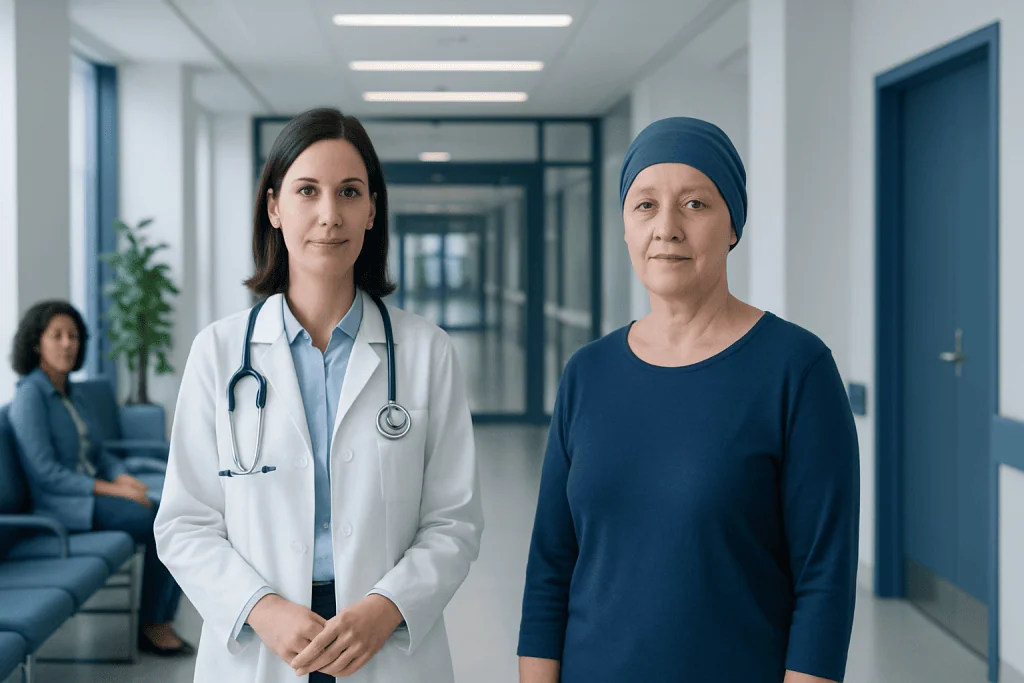
A new breast lump, nipple changes, skin dimpling, or unusual nipple discharge should be assessed by a qualified doctor. Diagnosis usually involves breast imaging and a biopsy, which confirms whether cancer is present and identifies important tumor features.
Key Takeaways
- A new breast lump, nipple changes, skin dimpling, or unusual nipple discharge should be assessed by a qualified doctor.
- Diagnosis usually involves breast imaging and a biopsy, which confirms whether cancer is present and identifies important tumor features.
- Treatment planning is individualized and may include surgery, radiation therapy, chemotherapy, hormone therapy, targeted therapy, or immunotherapy.
- Tumor stage and biomarkers such as estrogen receptor, progesterone receptor, and HER2 status guide many treatment decisions.
- Regular screening, awareness of breast changes, and timely medical evaluation support earlier diagnosis and better planning.
Breast cancer is a common cancer that begins in breast tissue and can often be treated effectively when found early. Diagnosis and treatment planning depend on the tumor type, stage, hormone receptor status, HER2 status, overall health, and personal preferences.
Overview
Breast cancer develops when cells in the breast begin to grow in an uncontrolled way. It can start in different parts of the breast, most often in the ducts that carry milk or in the lobules that produce milk. Some breast cancers remain within the ducts or lobules for a period of time, while others become invasive and grow into surrounding breast tissue.
Although breast cancer is most common in women, it can also occur in men because men have a small amount of breast tissue. The condition includes many subtypes, and not all breast cancers behave in the same way. This is why a careful diagnosis is important before treatment decisions are made.
Modern breast cancer care is highly personalized. Doctors consider the size and location of the tumor, whether lymph nodes are involved, whether the cancer has spread, and laboratory features such as hormone receptors and HER2 status. These details help the medical team recommend a treatment plan that aims to control the disease while preserving quality of life as much as possible.
Breast Cancer Symptoms
Breast cancer may not cause symptoms in its earliest stages, which is one reason screening can be important. When symptoms do occur, the most common sign is a new lump or thickened area in the breast or underarm. Many breast lumps are not cancer, but any new or persistent change should be checked by a healthcare professional.
Other possible breast cancer symptoms include changes in breast size or shape, dimpling or puckering of the skin, redness or scaling of the nipple or breast skin, nipple pulling inward, and nipple discharge that is bloody or occurs without squeezing. Some people notice swelling in part of the breast or discomfort that does not follow their usual pattern.
Changes that may need medical assessment include:
- A new lump, firmness, or thickening in the breast or armpit
- Persistent breast swelling, warmth, redness, or skin texture changes
- Nipple inversion, crusting, scaling, or new discharge
- Unexplained change in breast shape or size
- Breast pain that is localized, persistent, or associated with another change
These symptoms do not automatically mean cancer. Infections, cysts, hormonal changes, and benign breast conditions can cause similar findings. However, timely evaluation helps clarify the cause and allows appropriate care if treatment is needed.
Causes and Risk Factors
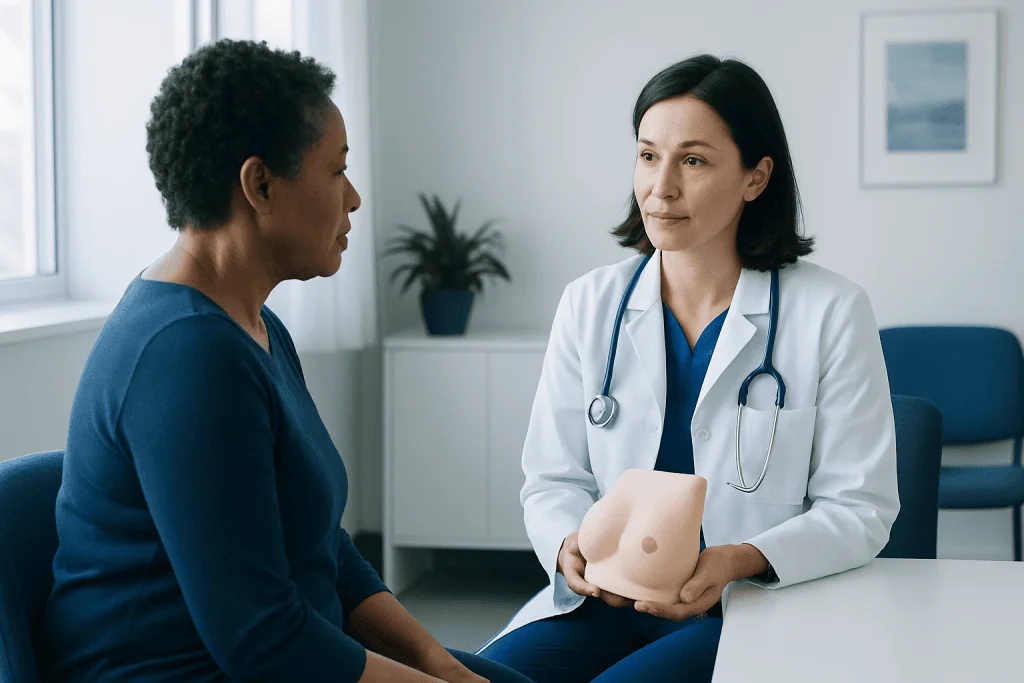
Breast cancer occurs because of changes in the DNA of breast cells. These changes may develop over a lifetime, and in some people they are influenced by inherited genetic variants. In many cases, there is no single identifiable cause, and a person can develop breast cancer even without a strong family history.
Several factors can increase risk. These include increasing age, a personal history of breast cancer or certain high-risk breast changes, a close family history of breast or ovarian cancer, inherited variants such as BRCA1 or BRCA2, previous radiation therapy to the chest area, and dense breast tissue. Reproductive and hormonal factors, such as early first menstrual period, later menopause, and some forms of hormone therapy after menopause, may also play a role.
Lifestyle and general health can influence risk as well. Maintaining a healthy weight, staying physically active, limiting alcohol, and discussing hormone therapy risks and benefits with a doctor are sensible preventive steps for many people. Breastfeeding, when possible, may be associated with a lower risk for some women.
Having one or more risk factors does not mean a person will develop breast cancer, and having no clear risk factors does not provide complete protection. Risk assessment is useful because it may guide screening timing, imaging choices, genetic counseling, or preventive strategies for people at higher risk.
Diagnosis and Staging
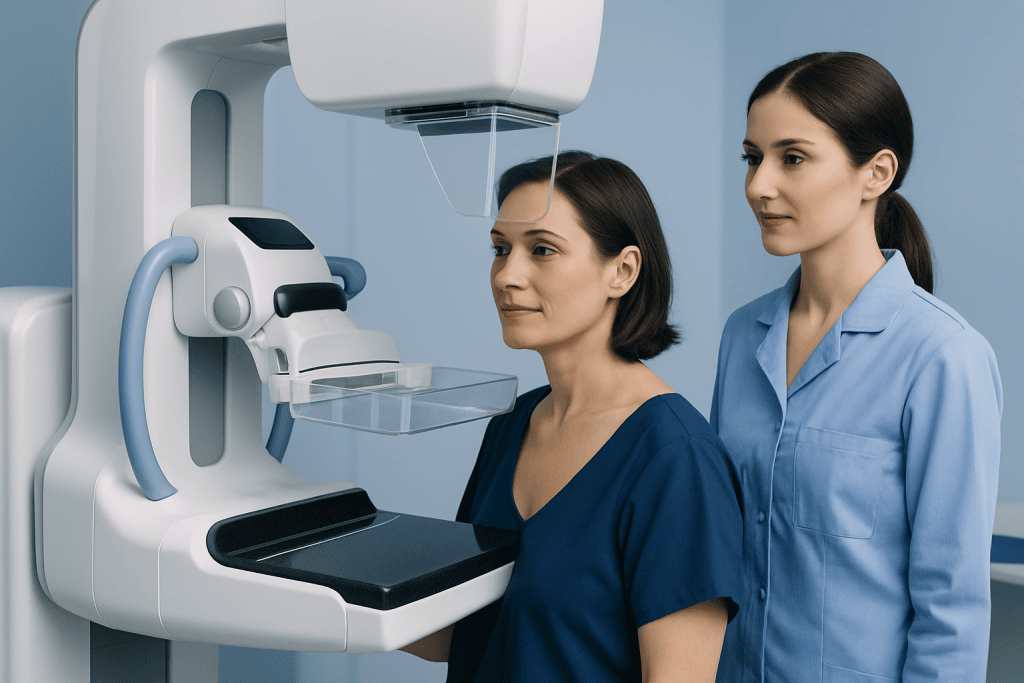
Breast cancer diagnosis usually begins with a clinical breast examination and imaging. Mammography is commonly used to evaluate suspicious findings and for screening. Breast ultrasound can help distinguish solid masses from fluid-filled cysts and is often used alongside mammography, especially when evaluating a specific lump. Breast MRI may be recommended in selected situations, such as high-risk screening, complex imaging findings, or preoperative planning.
A biopsy is required to confirm breast cancer. During a biopsy, a small tissue sample is removed and examined by a pathologist. The pathology report identifies the cancer type and grade and tests for estrogen receptor, progesterone receptor, and HER2 status. These markers are essential because they help predict which treatments are most likely to be useful.
After diagnosis, staging describes how far the cancer has developed. Doctors assess the tumor size, lymph node involvement, and whether cancer has spread to distant organs. This is often called the TNM system. Tests may include additional breast imaging, lymph node evaluation, blood tests, and body imaging when clinically appropriate.
Staging is not only about naming the extent of disease; it directly supports treatment planning. A small hormone receptor-positive tumor may be managed differently from a larger tumor, a HER2-positive tumor, or a triple-negative breast cancer. In some early breast cancers, genomic tests on the tumor may help estimate recurrence risk and guide whether chemotherapy is likely to add benefit.
Treatment Options and Treatment Planning
Breast cancer treatment is tailored to the individual. The care team usually includes breast surgeons, medical oncologists, radiation oncologists, radiologists, pathologists, oncology nurses, and rehabilitation or supportive care professionals. Together, they review the diagnosis, stage, tumor biology, general health, and the patient’s priorities before recommending a plan.
Surgery is a common part of treatment for early-stage breast cancer. Breast-conserving surgery removes the tumor with a margin of healthy tissue and is often followed by radiation therapy. Mastectomy removes the breast and may be recommended or chosen depending on tumor features, breast size, genetic risk, previous treatment, or patient preference. Lymph node procedures, such as sentinel lymph node biopsy, help determine whether cancer cells have reached nearby nodes.
Medicines may be used before surgery, after surgery, or for more advanced disease. Chemotherapy can help treat cancers with higher risk features or certain subtypes. Hormone therapy is used for cancers that have estrogen or progesterone receptors. HER2-targeted therapy is used for HER2-positive tumors, and immunotherapy may be considered for selected triple-negative breast cancers. Radiation therapy is used to reduce the risk of cancer returning in the treated breast, chest wall, or nearby lymph node areas.
Some people receive treatment before surgery, called neoadjuvant therapy, to shrink the tumor and provide information about how the cancer responds. Others receive additional treatment after surgery, called adjuvant therapy, to lower the risk of recurrence. When breast cancer has spread to distant organs, treatment usually focuses on controlling the disease, relieving symptoms, and maintaining day-to-day function for as long as possible.
Recovery, Follow-up, and Self-care
Recovery after breast cancer treatment varies widely. Some people return to usual activities quickly after surgery, while others need more time because of fatigue, arm stiffness, wound healing, or emotional stress. Rehabilitation exercises, lymphedema education, pain control, and support for body image and sexuality can all be important parts of recovery.
Follow-up care helps monitor healing, manage side effects, and check for signs of recurrence. Appointments may include a physical examination, review of symptoms, mammography of remaining breast tissue when appropriate, and discussion of ongoing medicines such as hormone therapy. Routine blood tests or scans are not always needed for every person and are usually guided by symptoms, stage, and the treating doctor’s recommendation.
Self-care can support overall health during and after treatment. A balanced diet, regular movement adapted to energy level, good sleep habits, smoking cessation, and limiting alcohol can help recovery and general wellbeing. Patients should tell their care team about side effects such as hot flashes, joint pains, numbness, persistent fatigue, mood changes, or swelling of the arm or chest wall, because many symptoms can be improved with the right support.
Prevention, Screening, and When to See a Doctor
Not all breast cancers can be prevented, but some risk-reducing steps may help. These include staying physically active, maintaining a healthy weight after menopause, limiting alcohol, and discussing the risks and benefits of menopausal hormone therapy with a doctor. People with a strong family history may benefit from genetic counseling to understand inherited risk and screening options.
Screening aims to find breast cancer before symptoms appear. The best screening schedule depends on age, personal risk, family history, breast density, and national or local guidelines. Many women are advised to have regular mammograms starting at a guideline-recommended age, while people at higher risk may need earlier or additional screening such as breast MRI.
A doctor should be consulted for any new breast or nipple change that persists, especially a lump, skin dimpling, nipple discharge, nipple inversion, or swelling in the armpit. Prompt assessment does not mean the finding is serious; it simply helps identify the cause and avoid unnecessary delays if treatment is needed.
For international patients seeking coordinated care, Acibadem International’s multidisciplinary specialists and JCI-accredited hospitals diagnose and treat breast cancer using imaging, pathology, surgery, medical oncology, radiation oncology, and supportive care services. Patients should always review their options with qualified doctors and make decisions based on their diagnosis, values, and overall health.
Frequently asked questions
What is usually the first sign of breast cancer?
A new lump or thickened area in the breast or underarm is one of the most common first signs. However, breast cancer can also appear as skin dimpling, nipple changes, unusual discharge, or a change in breast shape. Many breast changes are benign, but a medical evaluation is the safest way to know.
Can breast cancer be present if a mammogram is normal?
Yes, although mammography is an important screening tool, no test detects every cancer. Dense breast tissue, tumor location, or early disease can sometimes make detection more difficult. If a person feels a persistent lump or notices a concerning change, they should see a doctor even after a normal mammogram.
Why are estrogen receptor, progesterone receptor, and HER2 tests important?
These tests show whether the cancer cells may respond to specific treatments. Hormone receptor-positive cancers may be treated with hormone therapy, while HER2-positive cancers may benefit from HER2-targeted medicines. The results help doctors create a more personalized treatment plan.
Is surgery always required for breast cancer?
Surgery is commonly used for early-stage breast cancer, but the type and timing depend on the diagnosis. Some patients receive medicines before surgery to shrink the tumor, while others have surgery first. In metastatic breast cancer, systemic treatments may be the main approach, and surgery is considered only in selected situations.
What is the difference between lumpectomy and mastectomy?
A lumpectomy, also called breast-conserving surgery, removes the tumor and a rim of surrounding healthy tissue while keeping most of the breast. A mastectomy removes the breast tissue and may be recommended or chosen for several medical or personal reasons. Radiation therapy is often used after lumpectomy and may also be needed after mastectomy in some cases.
How is a breast cancer treatment plan decided?
Doctors consider the cancer stage, tumor type, grade, hormone receptor status, HER2 status, lymph node involvement, genetic risk, and the patient’s general health. Patient preferences, fertility concerns, recovery needs, and personal goals also matter. A multidisciplinary team approach helps align treatment with both medical evidence and individual priorities.
References
- World Health Organization
- American Cancer Society
- National Cancer Institute
- European Society for Medical Oncology
- National Comprehensive Cancer Network
This article is for general information only and is not a substitute for professional medical advice. Please consult a qualified doctor about your individual situation.
Breast Cancer in Turkey — costs, top hospitals & a free quote
JCI-accredited · board-certified surgeons · reply within 24h
Add us as a Preferred Source to see more of our trusted health content across Google Search, AI Overviews and Discover.

Medical Oncology Department
Medical treatment of cancer with chemotherapy, immunotherapy and targeted therapies under a multidisciplinary tumor board.
60 specialists in this unit