Breasts Expansion: Procedure, Recovery and Results

Breasts expansion is most often part of implant-based breast reconstruction after mastectomy. A temporary tissue expander is gradually filled with saline during clinic visits to stretch the overlying tissues.
Key Takeaways
- Breasts expansion is most often part of implant-based breast reconstruction after mastectomy.
- A temporary tissue expander is gradually filled with saline during clinic visits to stretch the overlying tissues.
- The timeline varies, but expansion commonly takes weeks to months before a second reconstructive procedure.
- Temporary tightness, pressure and soreness are common during expansion; severe pain, fever or wound changes need prompt assessment.
- Suitability depends on prior radiotherapy, skin quality, overall health, cancer treatment plans and personal reconstruction goals.
Breasts expansion, more commonly called breast tissue expansion, is a staged reconstructive procedure that gradually stretches skin and chest tissues to help create a breast shape after mastectomy or other breast surgery. The process takes several weeks or months and is usually followed by placement of a permanent implant or, in selected cases, reconstruction using the person’s own tissue.
What Is Breasts Expansion?
Breasts expansion is a term often used for breast tissue expansion, a reconstructive technique that gradually creates room for a new breast shape. It is most commonly used after a mastectomy, when breast tissue has been removed to treat or reduce the risk of breast cancer. The method can also be considered after certain traumatic injuries or previous operations that have left limited skin or soft tissue on the chest.
During the first operation, a surgeon places a temporary device called a tissue expander beneath the chest skin, usually under or partly under the chest muscle. The device resembles an empty breast implant. It is slowly filled with sterile saline solution over time, allowing skin and surrounding tissue to stretch in a controlled way.
Once the desired amount of expansion has been reached and the tissues have settled, the expander is usually exchanged for a permanent breast implant. In some situations, expansion may prepare the chest for a different form of reconstruction. Breast reconstruction is a personal choice, and it may be done at the time of mastectomy, later after cancer treatment, or not at all.
Why Tissue Expansion May Be Recommended
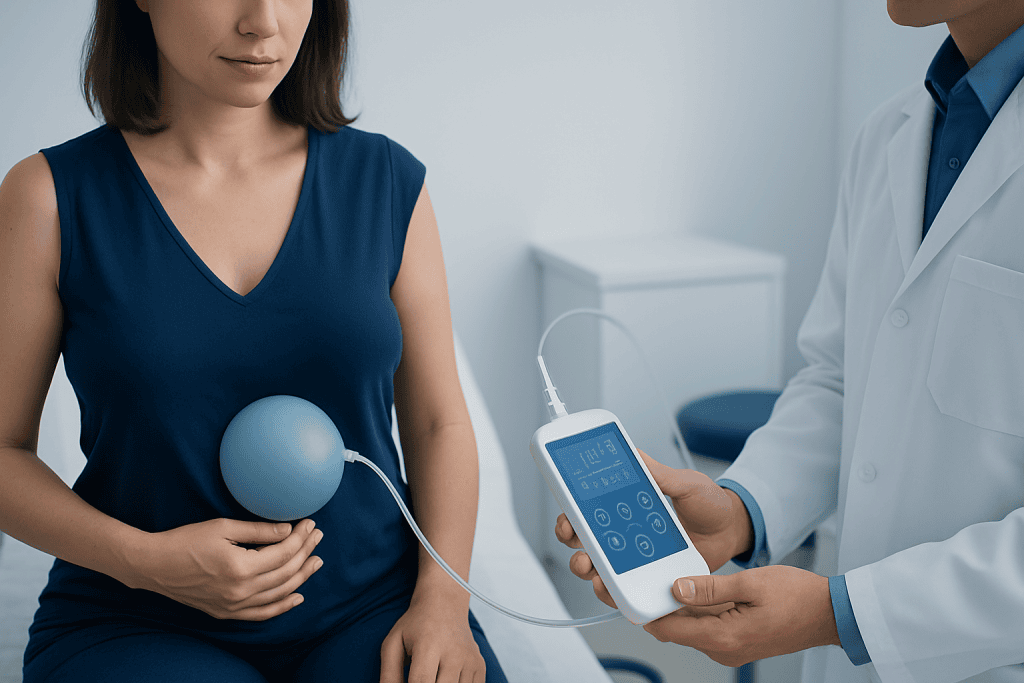
The main purpose of tissue expansion is to provide enough healthy skin and soft-tissue coverage for an implant-based reconstruction. It can help restore breast contour, volume and symmetry after breast removal. Reconstruction does not treat cancer or reduce the need for cancer follow-up, but it may support body image and comfort for some people.
Surgeons may discuss this approach when immediate placement of a full-size implant is not appropriate, such as when there is limited remaining skin, the skin is under tension, or the final breast size is still being planned. A tissue expander can also allow time for pathology results and coordinated planning with oncology teams.
Not every person is an ideal candidate. Previous or planned chest radiotherapy can affect skin healing and increase the risk of complications with implants. People with certain health conditions, those who smoke or use nicotine products, and those with poor wound healing may need additional preparation or may be better suited to another approach. Alternatives can include breast reconstruction using implants, tissue from another part of the body, or an external breast prosthesis.
How the Procedure and Expansion Visits Work

Tissue expander placement is performed in an operating room under general anaesthesia. It may be carried out at the same time as a mastectomy or as a separate operation after healing. The surgeon creates a pocket for the expander and may use a supportive surgical mesh or biologic material in selected cases. Drains may be placed temporarily to remove fluid from the surgical area.
After the incision has begun to heal, saline is added to the expander through a small built-in port. Some ports are accessed with a needle through the skin in the clinic, while others may be remotely controlled depending on the device used. Expansion appointments are typically scheduled at intervals determined by healing, comfort and the reconstruction plan.
At each visit, the surgical team assesses the incision, skin colour, swelling and signs of infection before deciding whether it is safe to add fluid. The amount added is individualized. The patient may feel pressure, fullness or temporary tightness in the chest after a fill, but the process should be adjusted if symptoms are difficult to tolerate.
When the desired shape and volume are reached, the tissues are usually allowed time to settle. A later procedure removes the expander and places a permanent implant. Nipple reconstruction, tattooing or surgery on the opposite breast for symmetry may be discussed separately, depending on the person’s wishes and clinical circumstances.
Recovery, Comfort and Everyday Activities
Recovery after expander placement varies according to whether it was combined with mastectomy, lymph node surgery or other procedures. In the early days, fatigue, bruising, swelling, numbness and chest discomfort are expected. The care team provides instructions about wound care, drains, prescribed pain relief, sleeping positions and follow-up appointments.
Many people can manage gentle walking soon after surgery, but strenuous exercise, heavy lifting and repetitive upper-body movements are restricted initially. Shoulder and arm movement is often encouraged in a gradual, guided way to reduce stiffness. A surgeon or physiotherapist can advise when it is appropriate to return to driving, work, exercise and other usual activities.
During the filling phase, the reconstructed area may feel firm or unusually high on the chest. This is normal while tissues are being expanded and does not represent the final result. It is also common for the reconstructed breast to have reduced sensation after mastectomy. Feeling often improves to varying degrees over time, but complete return of sensation cannot be guaranteed.
Following the exchange operation, recovery is often shorter than after the original mastectomy and expander placement, though it still requires careful wound care and activity restrictions. Attending all follow-up visits helps the team identify issues early and discuss progress toward the desired result.
Expected Results and Important Limitations
Breasts expansion can create a breast mound and contour that fits comfortably beneath clothing and may improve balance with the other breast. The final appearance depends on the person’s body shape, remaining skin, scar pattern, implant choice, healing, and whether one or both breasts are reconstructed. Reconstructed breasts may not look or feel identical to natural breasts.
It is helpful to approach reconstruction as a process rather than a single event. Additional procedures may be needed to refine symmetry, adjust scar tissue, improve contour or reconstruct the nipple area. Weight changes, aging and pregnancy can also affect the appearance of the chest and the opposite breast over time.
Implants are not lifetime devices. They may eventually require monitoring, removal or replacement because of rupture, hardening of scar tissue around the implant, changes in shape or other concerns. People with breast implants should follow the imaging and follow-up recommendations given by their surgical team, especially if they notice new symptoms.
For people having reconstruction after cancer, ongoing cancer surveillance remains important. A reconstructed breast does not replace routine oncology care. Any new lump, persistent skin change or unexplained symptom should be assessed rather than assumed to be related to the expander or implant.
Risks, Side Effects and Factors That Affect Healing
All operations carry risks, including bleeding, infection, fluid collection, delayed wound healing, scarring and anaesthesia-related problems. With tissue expanders, possible complications also include expander leakage or deflation, movement of the device, skin thinning, exposure of the device through the skin, and the need to pause expansion or remove the expander.
Capsular contracture, a tightening of scar tissue around a later implant, can cause firmness, discomfort or a change in breast shape. The likelihood of some complications can be higher after radiotherapy, with active smoking or nicotine use, poorly controlled diabetes, significant obesity, certain immune conditions, or reduced blood supply to the skin. These factors do not always rule out reconstruction, but they require careful individualized discussion.
A surgical team will review medical history, medications, allergies, prior treatments and goals before recommending a plan. It is important to mention blood-thinning medicines, supplements, nicotine products and previous radiation treatment. Stopping nicotine products before and after surgery, if advised by the treating clinician, can support wound healing.
People should feel comfortable asking about likely benefits, limitations, alternative options, anticipated number of procedures and what happens if complications arise. Shared decision-making helps ensure that the reconstruction plan aligns with both medical needs and personal preferences.
When to Seek Medical Care
After surgery or an expansion visit, patients should contact their surgical team promptly for increasing redness, warmth, swelling, drainage, a bad smell from the wound, fever, chills, or pain that is worsening rather than improving. Rapid enlargement of one breast, sudden loss of expander volume, an opening in the incision, or a visible device also needs urgent surgical assessment.
Emergency care is appropriate for severe shortness of breath, chest pain, fainting, uncontrolled bleeding or signs of a serious allergic reaction. These symptoms are uncommon but should not be managed at home. Patients should use the emergency services available in their area when urgent symptoms occur.
Before reconstruction, a person should arrange a medical consultation if they have a new breast lump, nipple discharge, skin dimpling, persistent breast pain or other unexplained breast changes. These symptoms have many possible causes, but timely evaluation is important. Acibadem International’s multidisciplinary specialists and JCI-accredited hospitals support diagnosis and reconstructive care for international patients.
Frequently asked questions
Is breasts expansion the same as breast augmentation?
No. Breast tissue expansion is usually a reconstructive process that uses a temporary device to create space after mastectomy or tissue loss. Breast augmentation is an elective cosmetic procedure that typically places a permanent implant to increase breast size.
How long does breast tissue expansion take?
The expansion phase often takes several weeks to a few months, but there is no single timeline. Healing after surgery, skin quality, comfort during fills, planned cancer treatment and the desired final volume can all affect the schedule.
Does tissue expander filling hurt?
Many people experience pressure, tightness or short-lived soreness after saline is added. Significant or persistent pain should be reported, as the surgical team can assess the area and adjust the plan when needed.
Can radiation therapy affect breast expansion?
Yes. Radiotherapy can make skin and tissues less flexible and may increase the risk of wound healing problems, infection and implant-related complications. Reconstruction timing and technique should be planned jointly by reconstructive and cancer specialists.
Will a reconstructed breast have normal feeling?
After mastectomy and reconstruction, numbness is common because nerves are affected by surgery. Some sensation may return gradually, but it may be different from before and complete recovery of sensation is not always possible.
Can a tissue expander be removed if it causes problems?
Yes. If there is an infection, device exposure, significant wound issue or another complication, a surgeon may recommend removing the expander. Reconstruction can sometimes be restarted later after healing, or a different reconstructive option may be considered.
References
- American Society of Plastic Surgeons
- American Cancer Society
- National Cancer Institute
- Breast Cancer Now
- Mayo Clinic
This article is for general information only and is not a substitute for professional medical advice. Please consult a qualified doctor about your individual situation.
Explore treatments in Turkey — costs, top hospitals & a free quote
JCI-accredited · board-certified surgeons · reply within 24h
Add us as a Preferred Source to see more of our trusted health content across Google Search, AI Overviews and Discover.