Breath — Explained by Medical Evidence, Not Myths

Breath refers to normal breathing, but noticeable changes can be a symptom rather than a disease itself. Shortness of breath, wheezing, chest tightness, or pain with breathing should be assessed in context.
Key Takeaways
- Breath refers to normal breathing, but noticeable changes can be a symptom rather than a disease itself.
- Shortness of breath, wheezing, chest tightness, or pain with breathing should be assessed in context.
- Breathing changes can come from the lungs, heart, upper airway, blood, fitness level, anxiety, or infections.
- Emergency care is needed for severe breathing trouble, bluish lips, confusion, or chest pain.
- Evaluation may include a medical history, physical exam, oxygen measurement, imaging, and lung or heart tests.
- Treatment depends on the cause and may include lifestyle changes, medicines, breathing support, or specialist care.
Breath is the body’s constant exchange of oxygen and carbon dioxide, and most people do not notice it until it changes. When breath becomes unusually short, noisy, painful, or difficult, it can point to anything from temporary irritation to a medical condition that needs professional evaluation.
What “breath” means in medical terms
Breath usually refers to the act of breathing in and out. In everyday conversation, people may use the word broadly to describe normal breathing, bad breath, deep breathing, or a feeling that breathing has changed. In medicine, the important question is not simply “breath,” but whether the breath is normal, comfortable, and effective at delivering oxygen to the body.
Healthy breathing is usually quiet, regular, and effortless. A person at rest should not feel they need to work hard to breathe, breathe unusually fast, or stop normal activity because of breathing discomfort. It is also normal for breath to become faster during exercise, stress, heat exposure, or at high altitude. These changes usually settle when the trigger passes.
Medical evaluation becomes more important when breath changes are new, persistent, or out of proportion to activity. Examples include becoming short of breath while walking a short distance, waking at night gasping, having noisy breathing, or feeling chest tightness with breathing. Rather than relying on myths or assumptions, clinicians look at the pattern, timing, and associated symptoms to understand the cause.
How normal breathing works
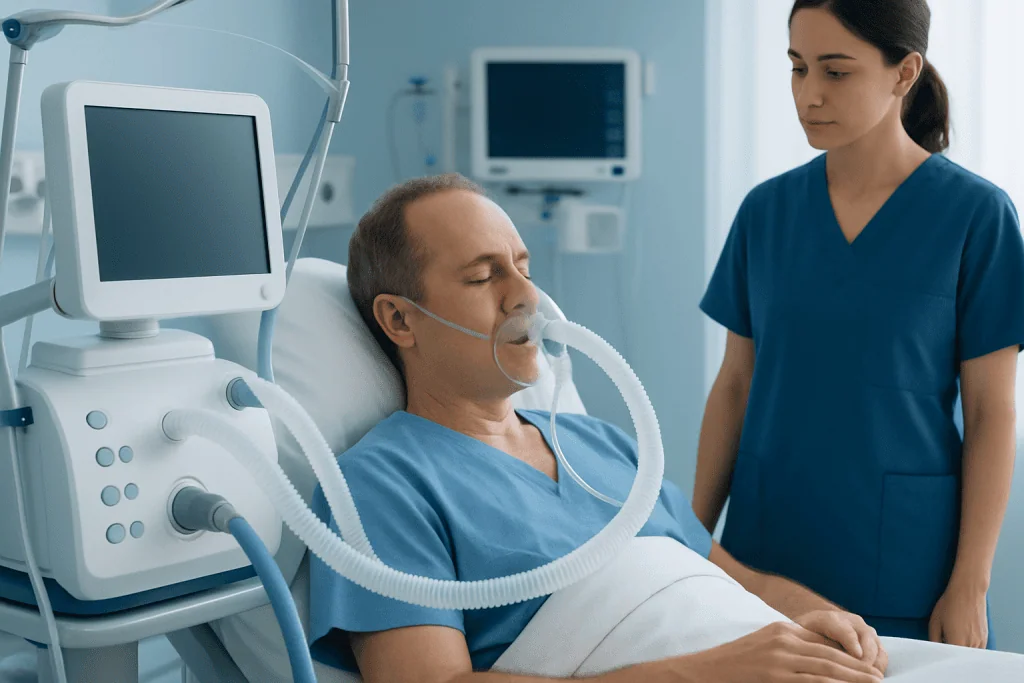
Breathing depends on several systems working together. Air enters through the nose or mouth, passes down the throat and airways, and reaches the lungs. In the lungs, oxygen moves into the bloodstream and carbon dioxide moves out to be exhaled. The diaphragm and chest muscles help expand and relax the lungs with each breath.
The body also needs healthy circulation to transport oxygen. That means the heart, blood vessels, and red blood cells all play an important role. If any part of this system is affected, a person may notice a change in breath even if the lungs themselves are not the only problem.
Breathing is regulated automatically by the brain, but it is also influenced by emotion, activity, and environment. Anxiety, pain, fever, air pollution, smoking, allergies, and respiratory infections can all alter breathing. This is why a careful medical history matters: the same symptom can have several possible explanations.
Signs that breath may not be normal

A breathing problem may feel different from person to person. Some describe it as shortness of breath, air hunger, chest tightness, trouble taking a deep breath, or a sense of breathing faster than usual. Others notice cough, wheezing, hoarseness, or fatigue before they clearly identify a breathing issue.
Symptoms that often deserve attention include breathlessness during light activity, sudden unexplained shortness of breath, noisy breathing, or pain that worsens with breathing. It may also be important if breathing changes are paired with fever, swelling in the legs, palpitations, fainting, or reduced exercise tolerance.
Common warning features include:
- Shortness of breath at rest or with minimal exertion
- Wheezing or whistling sounds when breathing
- Chest pain or pressure
- Persistent cough
- Bluish lips or fingertips
- Dizziness, confusion, or unusual drowsiness
- Breathing that is very fast, very slow, or labored
These symptoms do not always mean a serious illness, but they should not be dismissed if they are new, worsening, or recurrent. Tracking when symptoms happen can help a clinician identify triggers and guide testing.
Common causes of breath changes
Changes in breath can arise from many causes, ranging from mild and short-lived to urgent and complex. Respiratory conditions are a common reason. Asthma can narrow the airways and cause wheezing, cough, and chest tightness. Infections such as colds, influenza, bronchitis, or pneumonia may lead to cough, mucus, fever, and shortness of breath. Chronic lung conditions can also affect daily breathing, including chronic obstructive pulmonary disease.
Heart-related conditions can also affect breathing. If the heart is not pumping efficiently, fluid may build up in the lungs, leading to breathlessness, especially when lying flat or exerting oneself. Blood-related issues such as anemia can reduce oxygen delivery and make a person feel tired and short of breath. Problems in the upper airway, allergies, reflux, obesity, or sleep-disordered breathing may also contribute.
Not all breathing symptoms come from disease in the lungs or heart. Deconditioning after illness, lack of fitness, anxiety or panic symptoms, certain medications, and environmental irritants can all alter breathing patterns. A clinician may also consider less common but important causes such as a blood clot in the lung, allergic reactions, or structural problems in the airway.
Because the causes are so varied, self-diagnosis based on myths can be misleading. For example, not every episode of breathlessness is “just stress,” and not every cough-related breathing issue is asthma. The medical goal is to identify the source and treat it safely.
How doctors evaluate breathing symptoms
Evaluation begins with a detailed history. A doctor may ask when the breathing change started, whether it came on suddenly or gradually, what makes it worse or better, and whether there are related symptoms such as fever, cough, chest pain, swelling, anxiety, or weight loss. Medical history, smoking history, allergies, medications, work exposures, and family history may all be relevant.
The physical examination often includes listening to the lungs and heart, checking oxygen levels with pulse oximetry, measuring blood pressure and heart rate, and looking for signs such as wheezing, fluid retention, or labored breathing. These findings help guide the next steps rather than relying on one symptom alone.
Depending on the situation, testing may include a chest X-ray, blood tests, an electrocardiogram, or breathing tests such as spirometry. Imaging such as a chest X-ray may help identify infection, fluid, or structural changes. If airflow obstruction is suspected, pulmonary function tests can show how well the lungs are moving air.
Some people need more specialized assessment, especially if symptoms are persistent or unexplained. This may include heart evaluation, sleep studies, allergy testing, or advanced imaging such as CT scanning. The best test depends on the symptom pattern and the most likely causes.
Treatment depends on the cause
There is no single treatment for “breath” because breath changes are a symptom, not one disease. Treatment is guided by the diagnosis. Infections may improve with supportive care and, in some cases, prescription treatment. Asthma and other airway conditions are often managed with inhaled medicines and trigger control. Heart, blood, or upper-airway causes are treated differently.
When breathing symptoms are significant, supportive care may be needed while the cause is being treated. This can include oxygen in selected cases, hydration, fever control, or supervised breathing support in acute illness. People with repeated or chronic symptoms may benefit from a longer-term plan that includes monitoring, medication review, and specialist follow-up.
Lifestyle measures can also make a meaningful difference. Stopping smoking, avoiding secondhand smoke, staying physically active within safe limits, maintaining vaccinations, managing weight, and reducing exposure to dust or chemical irritants may all help support breathing health. For some patients, treatment may involve structured respiratory care and follow-up for conditions such as asthma.
Near the end of evaluation or treatment planning, some patients may seek multidisciplinary care, especially when symptoms have several possible causes. Acibadem International’s multidisciplinary specialists and JCI-accredited hospitals diagnose and treat breathing-related conditions for international patients when advanced evaluation is needed.
Prevention and self-care for healthier breath
Not every breathing problem can be prevented, but many everyday steps support healthier breathing. Avoiding smoking is one of the most important measures. Good indoor ventilation, reducing exposure to strong fumes, and using protective equipment in dusty workplaces can also help reduce airway irritation.
General health habits matter because breathing is linked to the whole body. Regular physical activity improves conditioning and can make everyday breathlessness less likely. Adequate sleep, hydration, and balanced nutrition support the muscles and circulation involved in breathing. People with known conditions should follow their care plan and attend regular checkups.
Self-care should also include awareness of triggers. Some people notice worse symptoms with cold air, allergens, respiratory infections, stress, or strenuous exercise. Keeping a simple record of symptoms, timing, and exposures can be helpful, especially if symptoms are intermittent. However, self-care is not a substitute for medical evaluation when symptoms are severe, unexplained, or worsening.
When to seek medical care
Immediate medical attention is important if a person has severe shortness of breath, trouble speaking because of breathing difficulty, blue or gray lips, fainting, confusion, or chest pain. Emergency care is also needed if breathing symptoms start suddenly, especially after an allergic reaction, injury, or prolonged immobility, or if they are accompanied by coughing up blood.
A non-emergency medical visit is appropriate if breath changes are persistent, recurrent, or interfering with sleep, exercise, work, or daily activities. Ongoing cough, wheezing, nighttime breathlessness, or unexplained reduced stamina should be assessed even if symptoms seem mild at first.
Children, older adults, pregnant people, and those with existing lung or heart disease may need earlier evaluation because breathing symptoms can worsen more quickly. If there is uncertainty about how serious a symptom is, it is safest to seek professional advice rather than wait for it to become severe.
Frequently asked questions
Is breathlessness always a sign of lung disease?
No. Breathlessness can come from the lungs, but it can also be related to the heart, anemia, anxiety, deconditioning, infection, or problems in the upper airway. A medical evaluation helps identify which body system is involved.
What is the difference between normal shortness of breath after exercise and a medical problem?
Breathing faster during exercise is normal and should improve with rest. It may be a concern if it happens with very light activity, does not settle as expected, is getting worse over time, or comes with chest pain, wheezing, dizziness, or fainting.
Can anxiety affect breath?
Yes. Anxiety can change breathing patterns and cause a feeling of tightness, rapid breathing, or difficulty taking a satisfying deep breath. Even so, new or severe symptoms should not automatically be assumed to be anxiety without proper medical assessment.
When is shortness of breath an emergency?
It is an emergency if breathing is severely difficult, comes on suddenly, or is accompanied by chest pain, bluish lips, confusion, fainting, or inability to speak normally. These signs may indicate a serious problem that needs urgent care.
How do doctors test breathing problems?
Doctors usually begin with a history, physical examination, and oxygen level check. Depending on the symptoms, they may also use blood tests, chest imaging, heart tests, or breathing tests such as spirometry.
Can lifestyle changes improve breathing?
Often, yes. Avoiding smoking, staying active, reducing exposure to irritants, maintaining vaccinations, and managing chronic conditions can all support healthier breathing. The benefit depends on the underlying cause and should be part of a broader care plan when needed.
References
- World Health Organization
- Centers for Disease Control and Prevention
- National Heart, Lung, and Blood Institute
- American Lung Association
- American Thoracic Society
This article is for general information only and is not a substitute for professional medical advice. Please consult a qualified doctor about your individual situation.
Explore treatments in Turkey — costs, top hospitals & a free quote
JCI-accredited · board-certified surgeons · reply within 24h
Add us as a Preferred Source to see more of our trusted health content across Google Search, AI Overviews and Discover.