Breathing Exercises for Anxiety: What Patients Need to Know
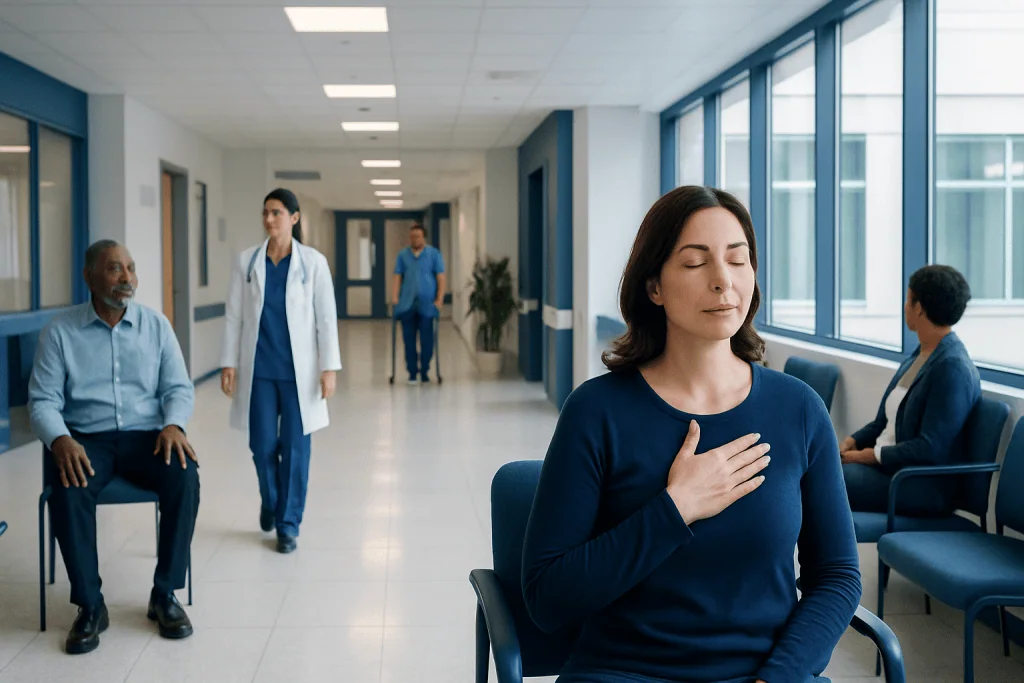
Slow, steady breathing can reduce the physical effects of anxiety, including chest tightness, dizziness, and a racing heartbeat. The most helpful techniques are simple, comfortable, and practiced regularly rather than only during intense distress.
Key Takeaways
- Slow, steady breathing can reduce the physical effects of anxiety, including chest tightness, dizziness, and a racing heartbeat.
- The most helpful techniques are simple, comfortable, and practiced regularly rather than only during intense distress.
- Breathing exercises work best as one part of anxiety care, alongside sleep, movement, stress management, and professional support when needed.
- If anxiety is frequent, severe, or causing panic attacks, a medical evaluation can help rule out other conditions and guide treatment.
- People with lung or heart disease should choose gentle breathing methods and ask a clinician which techniques are safest for them.
Breathing exercises for anxiety can help reduce fast, shallow breathing and support a calmer physical response to stress. They are not a cure for anxiety disorders, but they can be a practical tool for managing symptoms in the moment and as part of a broader care plan.
Overview: Can breathing exercises help anxiety?
Breathing exercises for anxiety can help many people feel calmer because anxiety often changes the way the body breathes. During stress, breathing may become fast, shallow, or irregular. This can worsen symptoms such as lightheadedness, chest discomfort, tingling, and a sense of losing control. Slowing the breath can interrupt that cycle and signal safety to the nervous system.
These exercises are most useful when they are gentle and comfortable. Forcing very deep breaths may make some people feel worse, especially during a panic episode. In most cases, the goal is not to take the biggest breath possible, but to make breathing slower, smoother, and more regular.
Breathing techniques are not a replacement for diagnosis or treatment when anxiety is persistent or severe. They are a self-management tool that can be used on their own for occasional stress or alongside professional care for anxiety disorders and panic symptoms.
How anxiety affects breathing and the body
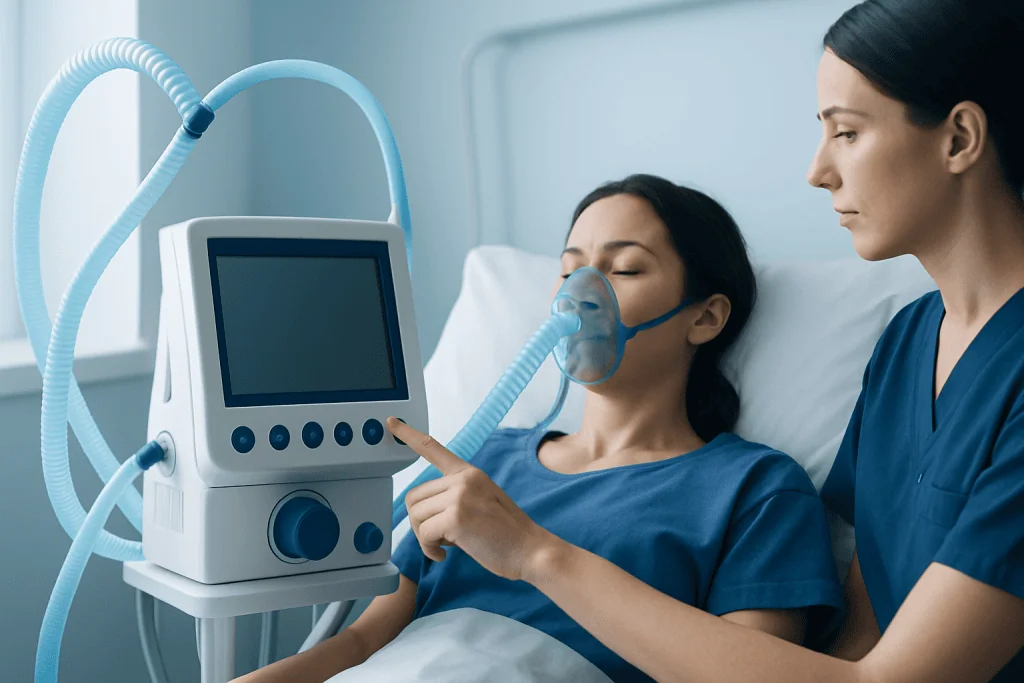
Anxiety activates the body’s stress response. Muscles may tighten, the heart may beat faster, and breathing may speed up without a person noticing. When breathing becomes too rapid, carbon dioxide levels can drop. This may contribute to dizziness, numbness around the mouth or fingers, and a feeling of breathlessness even though oxygen levels are usually normal.
This pattern can create a loop: anxiety changes breathing, uncomfortable physical sensations increase fear, and fear makes breathing even faster. Learning to breathe more slowly can help break that loop. For some people, simply lengthening the exhale is enough to reduce the sense of urgency.
It is also important to remember that not every episode of shortness of breath is caused by anxiety. Asthma, heart rhythm problems, thyroid disease, and other medical conditions can cause similar symptoms. If symptoms are new, worsening, or unclear, a clinician may need to assess whether anxiety is the main cause.
Breathing techniques patients can try

Many breathing methods can be helpful, but simple approaches are often the easiest to use consistently. It may help to sit upright with the shoulders relaxed, place one hand on the chest and one on the abdomen, and focus on making the breath quiet and steady rather than deep or dramatic.
Common options include:
- Slow belly breathing: Inhale gently through the nose so the abdomen rises, then exhale slowly through the nose or pursed lips.
- Extended exhale breathing: Breathe in for a comfortable count, then breathe out a little longer. This can help reduce physical arousal.
- Box breathing: Inhale, pause, exhale, and pause again for similar comfortable counts. This can support concentration as well as calm.
- Resonant or coherent breathing: Aim for a slow, even rhythm, often around five to six breaths per minute if that feels natural.
- Pursed-lip breathing: Inhale through the nose and exhale slowly through gently pursed lips. This may feel especially helpful when breathing feels strained.
If a counting pattern causes pressure or frustration, it is reasonable to stop counting and simply focus on making each exhale softer and longer. A person who tends to panic may do better with a phrase such as “breathe low and slow” rather than a strict breathing formula.
For some people, guided support can help them learn the technique correctly. This may be part of broader care such as respiratory therapy or coaching within mental health treatment, especially when symptoms overlap with breathing pattern disorders or chronic stress.
How to use breathing exercises during anxiety or panic
Breathing exercises work best when started early, at the first signs of rising tension. These signs may include jaw clenching, a racing heart, restlessness, or a sense of impending worry. Starting before anxiety peaks can make it easier to keep breathing controlled and comfortable.
During a panic attack, the goal is not to “stop” the episode instantly. A more realistic aim is to reduce the physical escalation. Many people benefit from placing both feet on the floor, relaxing the shoulders, and exhaling first. From there, they can take a small inhale through the nose and a slow exhale through the mouth or nose, repeating for several minutes.
Pairing breathing with grounding can also help. Looking around the room, naming a few visible objects, or feeling the contact of the chair or floor may shift attention away from catastrophic thoughts. If panic attacks are recurrent, clinicians may also assess for related concerns such as panic attacks or other conditions that can mimic them.
What makes breathing practice more effective
Regular practice usually matters more than technique choice. Breathing skills are easier to use during stress if they have already been practiced when calm. Even a few minutes once or twice a day may help a person become more aware of early tension and more able to steady their breathing when needed.
Comfort is also important. Breathing should not cause chest pain, significant air hunger, or dizziness. If that happens, the exercise may be too forceful or too fast. In most cases, breathing through the nose and keeping the exhale relaxed can make the practice feel gentler.
It may help to combine breathing exercises with other supportive strategies, such as limiting excess caffeine, improving sleep habits, regular physical activity, or structured psychological care. Some patients benefit from psychotherapy to learn coping strategies, identify triggers, and reduce avoidance patterns that keep anxiety going.
If anxiety is frequent or disruptive, treatment may involve more than self-help alone. A clinician may suggest counseling, lifestyle changes, or in some cases psychiatric care to assess symptoms and discuss the most appropriate treatment plan.
When breathing exercises may not be enough
Breathing techniques can reduce symptoms, but they do not treat every cause of anxiety. If worry is constant, sleep is poor, concentration is affected, or daily activities are becoming difficult, a broader evaluation may be needed. Conditions such as generalized anxiety disorder, depression, trauma-related stress, and some medical illnesses may require targeted treatment.
They may also be less effective when symptoms are being driven by physical triggers such as heavy stimulant use, substance withdrawal, untreated pain, or sleep deprivation. In these situations, addressing the trigger often matters as much as learning calming techniques.
People with asthma, chronic lung disease, or significant heart disease should use caution with aggressive breath-holding or prolonged counting exercises. Gentle, steady breathing is usually better tolerated, but individualized advice is safest if a person already has an underlying respiratory or cardiac condition.
When to seek medical care
Medical care is appropriate if anxiety symptoms are severe, happen often, or interfere with school, work, relationships, or sleep. A person should also seek evaluation if symptoms are new, do not improve with simple strategies, or are causing repeated emergency visits. A clinician can help determine whether symptoms are due to anxiety, another health condition, or both.
Urgent medical attention is important for chest pain, fainting, blue lips, severe shortness of breath, weakness on one side of the body, confusion, or symptoms that feel different from prior anxiety episodes. These signs should not be assumed to be panic alone.
Near the end of the care journey, some patients choose coordinated assessment in specialist centers. Acibadem International’s multidisciplinary specialists and JCI-accredited hospitals diagnose and treat anxiety-related conditions and associated physical symptoms for international patients.
Frequently asked questions
What is the best breathing exercise for anxiety?
There is no single best method for everyone. Many people do well with slow belly breathing or a gentle pattern where the exhale is slightly longer than the inhale. The best technique is one that feels calming, comfortable, and easy to repeat consistently.
Can breathing exercises stop a panic attack?
Breathing exercises may not stop a panic attack immediately, but they can reduce how intense it feels. They work by slowing rapid breathing and easing the body's stress response. Using them early and combining them with grounding techniques may help more.
How long should someone practice breathing exercises for anxiety?
Short sessions are often enough to be useful. Many people practice for a few minutes once or twice a day and also use the technique during stressful moments. Regular practice usually matters more than long sessions.
Why do some breathing exercises make anxiety worse?
Techniques that involve very deep breaths, fast pacing, or long breath-holds can feel uncomfortable for some people. This may increase dizziness or the sensation of not getting enough air. A gentler, slower approach is often better tolerated.
Are breathing exercises a treatment for anxiety disorders?
They are a helpful symptom-management tool, but they are not usually a complete treatment for an anxiety disorder. Persistent anxiety may need assessment, psychotherapy, lifestyle changes, or other medical care. A qualified clinician can recommend the most appropriate plan.
Should someone see a doctor for anxiety-related shortness of breath?
Yes, especially if shortness of breath is new, severe, recurrent, or different from past anxiety symptoms. Breathing problems can have many causes, including asthma, heart conditions, and infections. A medical evaluation can help rule out other conditions and guide safe treatment.
This article is for general information only and is not a substitute for professional medical advice. Please consult a qualified doctor about your individual situation.
Explore treatments in Turkey — costs, top hospitals & a free quote
JCI-accredited · board-certified surgeons · reply within 24h
Add us as a Preferred Source to see more of our trusted health content across Google Search, AI Overviews and Discover.

More from the Health Library

Ear Canal: A Complete Medical Overview
Brittle Diabetes: A Complete Medical Overview
Hair Plugs: A Complete Medical Overview
Spinal Muscular Atrophy — Explained by Medical Evidence, Not Myths

The Family Planning: What Patients Need to Know