

Ear Canal: A Complete Medical Overview

The ear canal guides sound to the eardrum and has natural protective features, including skin, tiny hairs, and earwax. Common ear canal problems include wax buildup, swimmer’s ear, skin irritation, minor injury, and blocked sensation.
Key Takeaways
- The ear canal guides sound to the eardrum and has natural protective features, including skin, tiny hairs, and earwax.
- Common ear canal problems include wax buildup, swimmer’s ear, skin irritation, minor injury, and blocked sensation.
- Cotton swabs and other objects can push wax deeper and may injure the delicate skin of the canal.
- Persistent pain, drainage, hearing changes, bleeding, or dizziness should be assessed by a doctor.
- Most ear canal conditions improve with proper diagnosis and treatment, which may include cleaning, drops, or management of underlying skin disease.
The ear canal is the narrow passage that carries sound from the outside ear to the eardrum while also helping protect the ear from dust, germs, and injury. Most ear canal problems are treatable, and understanding its structure, common symptoms, and safe care habits can help prevent irritation and hearing-related concerns.
Overview of the ear canal
The ear canal is the short, tube-like passage between the outer ear opening and the eardrum. Its main role is to carry sound waves inward so they can reach the eardrum and be converted into signals that the brain interprets as sound. It also acts as a protective barrier, helping shield deeper ear structures from dirt, moisture, and small particles.
The canal is lined with delicate skin, tiny hairs, and glands that produce earwax, also called cerumen. Earwax is often misunderstood, but in most cases it is helpful rather than harmful. It traps debris, helps maintain the right skin environment, and has protective properties that make infection less likely.
Although small, the ear canal can be affected by a range of problems. Wax buildup, infection, irritation from cleaning tools, trapped water, skin conditions, and foreign objects can all lead to discomfort or temporary hearing changes. A complete medical overview of the ear canal is useful because symptoms are often similar, even when the causes are different.
How the ear canal works and protects the ear
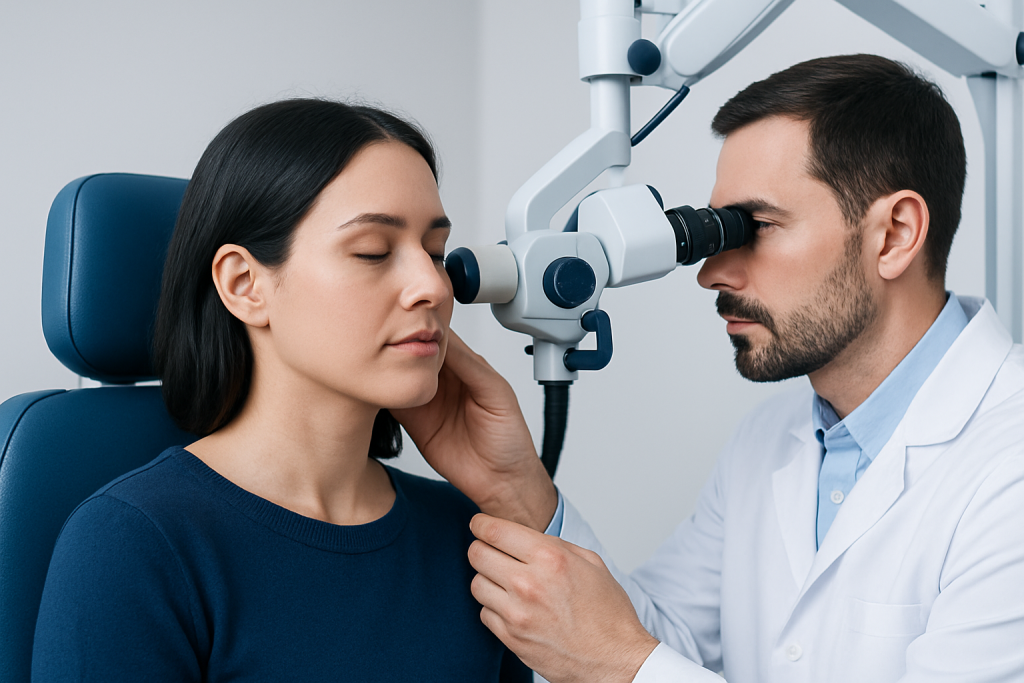
The ear canal is part of the outer ear. Sound enters through the visible outer ear and travels down the canal to the eardrum. From there, vibrations move through the middle and inner ear. If the canal becomes blocked by wax, swelling, or debris, sound may not pass through as well, which can cause muffled hearing.
The canal also has a self-cleaning system. Skin cells naturally move outward over time, carrying old wax and trapped particles toward the ear opening. Chewing and jaw movement may help this process. For many people, this means the ears do not need routine internal cleaning.
Its natural defenses can be disrupted. Frequent moisture, aggressive cleaning, hearing aids or earbuds worn for long periods, and underlying skin disorders can change the environment inside the canal. When that happens, the skin may become inflamed or more vulnerable to infection.
- Earwax traps dust and particles
- The canal helps direct sound efficiently
- Acidic conditions in the canal can limit bacterial growth
- Tiny hairs near the opening help keep larger debris out
Common ear canal symptoms and what they may mean

Symptoms involving the ear canal can range from mild irritation to significant discomfort. Common complaints include itching, fullness, ear pain, muffled hearing, ringing, discharge, odor, and sensitivity when touching the outer ear. Some people notice a blocked sensation after showering or swimming, while others develop pain that worsens gradually over a few days.
Symptoms do not always point to the same problem. Itching may occur with dry skin, eczema, fungal infection, or mild irritation from headphones or hearing devices. Pain can be caused by an outer ear infection, a scratch in the canal, pressure from impacted wax, or less commonly referred pain from the jaw or throat.
Hearing changes are often temporary when they are related to wax, swelling, or debris in the canal. However, sudden hearing loss, severe dizziness, or persistent one-sided symptoms need prompt medical attention because they may involve other parts of the ear as well. In some cases, symptoms can overlap with ear infection affecting structures beyond the canal.
Causes and risk factors for ear canal problems
One of the most common ear canal issues is cerumen impaction, also called earwax buildup. This can happen when the ears produce more wax than usual, when the natural self-cleaning process is disrupted, or when cotton swabs, fingers, or other tools push wax deeper. Earbuds, earplugs, and hearing aids may also contribute by trapping wax inside the canal.
Another frequent cause of symptoms is otitis externa, often called swimmer’s ear. This condition affects the skin of the ear canal and is commonly linked to moisture, skin breakdown, and bacterial growth. Swimming is a well-known trigger, but it can also happen after showering, sweating, or over-cleaning the ears. In some people, fungal overgrowth may be involved, especially after prolonged moisture or prior use of ear drops.
Skin conditions can also affect the canal. Eczema, psoriasis, seborrheic dermatitis, and contact irritation from hair products or jewelry may cause itchiness, flaking, or inflammation. Less common causes include trauma from inserting objects, foreign bodies, narrowing of the canal, bony growths linked to repeated cold-water exposure, and spread of inflammation from neighboring areas such as the nose and throat, sometimes seen alongside sinusitis.
- Swimming or frequent water exposure
- Using cotton swabs or sharp objects in the ear
- Wearing earbuds, hearing aids, or earplugs for long periods
- Having eczema, psoriasis, or sensitive skin
- Previous ear infections or narrowed ear canals
How doctors diagnose ear canal conditions
Diagnosis usually begins with a medical history and a physical examination. A doctor will ask about the type of symptoms, how long they have been present, whether there has been recent swimming or cleaning, and whether there is pain, drainage, fever, or hearing loss. This history can help distinguish between infection, wax blockage, skin irritation, and other causes.
The main examination tool is an otoscope, which allows the doctor to look inside the ear canal and view the eardrum. This can reveal wax impaction, redness, swelling, discharge, skin damage, foreign material, or signs that the problem may involve the middle ear rather than the canal itself. If the canal is very swollen or blocked, a full view of the eardrum may not be possible until initial treatment is given.
Additional tests are only needed in selected situations. Hearing tests may be helpful if symptoms are persistent or hearing loss is unclear. Swabs are sometimes taken when drainage is ongoing, severe, or not improving as expected. If an abnormal growth, repeated blockage, or deeper problem is suspected, the person may be referred to an ear, nose, and throat specialist. Some patients benefit from hearing testing when symptoms include ongoing muffled hearing or uncertainty about the cause.
Treatment options for ear canal disorders
Treatment depends on the cause. For earwax buildup, a doctor may recommend softening drops, careful irrigation in selected cases, or manual removal using appropriate instruments. Self-treatment should be cautious, especially if there is ear pain, prior ear surgery, a known eardrum problem, or discharge. Cotton swabs, hairpins, and similar objects should not be used because they can push wax deeper and injure the skin.
When the ear canal is infected or inflamed, treatment often includes medicated ear drops. These may contain an antibiotic, an anti-inflammatory medicine, an antifungal medicine, or a combination, depending on the diagnosis. Keeping the ear dry during treatment is commonly advised. If swelling is severe, a clinician may need to place a small dressing to help the drops reach deeper into the canal. In more persistent or complicated cases, evaluation by an ENT specialist may be appropriate.
Skin-related ear canal problems are managed by addressing the underlying irritation or inflammatory condition. This may include avoiding triggering products, protecting the skin from excess moisture, or using medicines recommended by a doctor. If a foreign object is present, it should be removed by a healthcare professional, especially in children. Structural problems or repeated disease may sometimes need procedural treatment; in selected cases, ear surgery can be considered for chronic or anatomical issues affecting ear function.
Prevention and self-care
Simple habits can lower the risk of ear canal problems. The most important is to avoid inserting objects into the ear. Even cotton swabs marketed for ear cleaning can irritate the skin and compact wax. In most people, the ear canal cleans itself naturally. Cleaning should be limited to the outer ear with a soft cloth.
People who are prone to swimmer’s ear may benefit from drying the outer ear gently after bathing or swimming. Tilting the head to each side can help water drain. Ear protection or prevention strategies should be discussed with a doctor, especially for those with ear tubes, a damaged eardrum, or frequent infections.
If hearing aids, earbuds, or earplugs are used regularly, keeping them clean and allowing the ears breaks from prolonged wear may reduce irritation. Managing eczema or other skin conditions can also support ear canal health. Any over-the-counter drops should be used carefully and only if appropriate for the individual’s medical history.
- Do not put cotton swabs or other objects inside the ear canal
- Keep devices that go in or over the ears clean
- Let trapped water drain after swimming or bathing
- Seek advice before using ear drops if there is pain or a possible eardrum problem
When to seek medical care
Medical assessment is recommended if ear canal symptoms are severe, last more than a few days, or keep returning. A doctor should evaluate significant pain, pus or bloody drainage, swelling that blocks the canal, fever, or hearing loss that does not improve. Children with ear symptoms, foreign objects in the ear, or persistent crying and ear pulling also need professional care.
Urgent assessment is important for sudden hearing loss, severe dizziness, facial weakness, injury to the ear, or symptoms after inserting an object into the canal. People with diabetes, weakened immune systems, or prior ear surgery should not ignore ear pain or drainage because complications may be more likely and treatment may need to begin early.
For patients needing specialist care, Acibadem International’s multidisciplinary teams in JCI-accredited hospitals diagnose and treat ear-related conditions for international patients. The goal is to identify whether the problem is limited to the ear canal or linked to deeper ear disease so treatment can be matched to the cause.
Frequently asked questions
What is the ear canal and what does it do?
The ear canal is the passage between the outer ear opening and the eardrum. It carries sound inward and helps protect the deeper ear with skin, tiny hairs, and earwax.
Is earwax in the ear canal normal?
Yes, earwax is a normal protective substance. It helps trap dust and debris, supports the skin in the canal, and usually moves outward on its own without the need for internal cleaning.
Why does the ear canal itch?
Itching may happen because of dry skin, eczema, irritation from earbuds or hearing aids, wax changes, or infection. Ongoing itching should be checked if it comes with pain, discharge, or swelling.
Can cotton swabs damage the ear canal?
Yes, cotton swabs can push wax deeper and may scratch the delicate skin of the canal. In some cases, they can also injure the eardrum, so they are not recommended for internal ear cleaning.
How can someone tell if ear canal pain is from infection or wax?
Both can cause fullness and reduced hearing, but infection more often causes tenderness, swelling, drainage, or pain when the outer ear is touched. A doctor usually needs to look into the ear to confirm the cause.
When should a person see a doctor for an ear canal problem?
A doctor should be seen if there is significant pain, drainage, bleeding, persistent hearing changes, fever, or symptoms that do not improve. Immediate care is important for sudden hearing loss, severe dizziness, or injury.
References
- American Academy of Otolaryngology–Head and Neck Surgery
- National Institute on Deafness and Other Communication Disorders
- Merck Manual Consumer Version
- Mayo Clinic
- Centers for Disease Control and Prevention
This article is for general information only and is not a substitute for professional medical advice. Please consult a qualified doctor about your individual situation.
Explore treatments in Turkey — costs, top hospitals & a free quote
JCI-accredited · board-certified surgeons · reply within 24h
Add us as a Preferred Source to see more of our trusted health content across Google Search, AI Overviews and Discover.

More from the Health Library

Lumbar Puncture: An Evidence-Based Guide for Patients

No Feeling in Tongue: An Evidence-Based Guide for Patients

Forest Bathing — Explained by Medical Evidence, Not Myths

Mirapex: A Complete Medical Overview

Arnica Cream — Explained by Medical Evidence, Not Myths

Reverse Cowgirl: An Evidence-Based Guide for Patients
Otorhinolaryngology Specialists at Acibadem

Prof. Dr. Çiğdem Kalaycık
Otorhinolaryngology
Dr. Cüneyt Altunay
Otorhinolaryngology
Prof. Dr. Deniz Tuna Edizer
Otorhinolaryngology
Prof. Dr. Denizhan Dizdar
Otorhinolaryngology