Breech Baby: An Evidence-Based Guide for Patients

A breech baby is in a bottom-first or feet-first position rather than head-down. Breech position is common earlier in pregnancy and becomes more important if it remains after about 36 weeks.
Key Takeaways
- A breech baby is in a bottom-first or feet-first position rather than head-down.
- Breech position is common earlier in pregnancy and becomes more important if it remains after about 36 weeks.
- Ultrasound and physical examination help confirm the baby's position and guide birth planning.
- External cephalic version may help turn some breech babies to a head-down position.
- The safest delivery plan depends on the type of breech presentation, gestational age, maternal health, and the baby's well-being.
A breech baby is a baby positioned bottom-first or feet-first instead of head-down, especially near the end of pregnancy. Many breech babies turn on their own earlier in pregnancy, but if breech position persists close to delivery, doctors assess the safest options for birth.
Overview: What a Breech Baby Means
A breech baby is a baby lying in the uterus with the buttocks, feet, or both positioned to come first instead of the head. This is called breech presentation. It is a description of fetal position, not a diagnosis of illness, and it does not automatically mean there is a problem with the baby.
Breech position is fairly common earlier in pregnancy because babies still have room to move. As pregnancy progresses, most babies naturally turn into a head-down position before labor begins. When breech presentation remains later in the third trimester, the care team looks more closely at how far along the pregnancy is, the type of breech position, the amount of amniotic fluid, placental location, and whether labor has started.
For many patients, the main question is whether a breech baby changes the birth plan. In some cases, the baby can be turned before labor with a procedure called external cephalic version. In other cases, a planned cesarean birth may be the safest option. Less often, a vaginal breech birth may be considered in carefully selected situations with an experienced obstetric team.
Types of Breech Presentation
Doctors often describe breech position by exactly how the baby’s legs and buttocks are arranged. This matters because different breech types may affect the likelihood of turning and the options for delivery. Ultrasound is usually used to confirm the position clearly.
The main types include:
- Frank breech: the baby’s buttocks are down and the legs are straight up in front of the body, with the feet near the head.
- Complete breech: the baby’s buttocks are down and the knees are bent, as if sitting cross-legged.
- Footling breech: one or both feet are below the buttocks and may come first.
There are also less common variations, such as kneeling breech. Footling breech is especially important because it can carry higher risks during labor, including cord prolapse, when the umbilical cord slips down before the baby. Because of this, the exact breech type helps the care team decide whether attempts to turn the baby or different delivery approaches are appropriate.
Symptoms, Signs, and How Breech Position Is Found

Most pregnant patients cannot diagnose a breech baby on symptoms alone, although some notice patterns that make them wonder about the baby’s position. For example, strong kicks may be felt lower in the abdomen, or a firm round shape that feels like the baby’s head may be felt under the ribs. Even so, these signs are not reliable enough to confirm breech presentation without medical assessment.
During routine prenatal visits, a doctor or midwife may suspect breech position by feeling the abdomen from the outside, a skill called abdominal palpation. They may also listen to the fetal heartbeat in a location that suggests the baby is not head-down. If there is any uncertainty, ultrasound is the standard way to confirm the baby’s position.
Sometimes breech presentation is discovered incidentally during a late-pregnancy scan or when labor begins. If labor starts and the baby’s position has not yet been confirmed, an examination and ultrasound may be done promptly. This helps the team plan safe next steps and assess for related issues, such as low amniotic fluid or placenta previa.
Why Breech Position Happens and Who Is More Likely to Have It
Often, there is no single clear reason a baby is breech. Some babies simply have not turned yet, and many do so spontaneously before term. In other cases, certain factors make it more likely that the baby will remain in a breech position later in pregnancy.
Factors associated with breech presentation include:
- Premature pregnancy or earlier gestational age
- Multiple pregnancy, such as twins
- Too much or too little amniotic fluid
- Placenta previa or an unusually positioned placenta
- Differences in uterine shape or the presence of fibroids
- Fetal differences that affect movement or tone
- A history of breech pregnancy in a prior birth
Because breech presentation can occasionally be linked with other pregnancy conditions, the evaluation may include looking for contributing causes rather than focusing only on the baby’s position. If there are concerns about placental location, fetal growth, or amniotic fluid, a doctor may recommend additional monitoring. Patients who are already being followed for issues such as placenta previa may need more individualized birth planning.
Diagnosis and What Doctors Evaluate
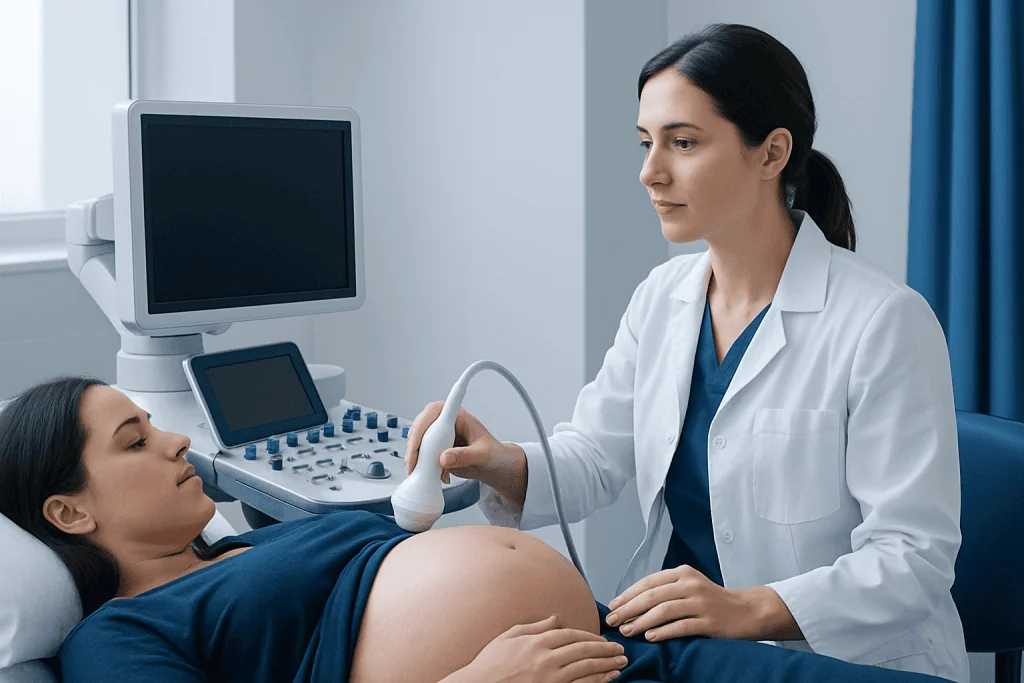
Once a breech baby is suspected, the next step is to confirm the position and understand the bigger clinical picture. Ultrasound is especially useful because it can show the type of breech presentation, estimate the baby’s size, check the amount of amniotic fluid, and identify the location of the placenta. These details help guide decisions about whether it may be reasonable to try turning the baby or proceed with a planned delivery approach.
The assessment may also include the baby’s gestational age, whether labor has started, whether the membranes have ruptured, and whether there are signs of fetal distress. If the patient has had a prior uterine surgery or a previous cesarean birth, that history also matters. In some pregnancies, doctors may recommend fetal monitoring or other evaluations if there are signs of reduced movement, bleeding, or contractions.
If breech presentation persists near term, the team will usually discuss options in advance rather than waiting until labor begins. This conversation may involve obstetrics, maternal-fetal medicine, and anesthesia, especially when there are other pregnancy risks. If surgery is likely to be part of the plan, patients may also discuss what to expect from cesarean section and perioperative care.
Treatment and Delivery Options
Treatment for a breech baby is really about deciding the safest way to achieve a healthy birth. If the baby is still breech near 36 to 37 weeks, one option is external cephalic version (ECV). In this procedure, a trained doctor uses gentle pressure on the abdomen to try to turn the baby into a head-down position. It is usually done in a hospital setting where the baby can be monitored and urgent care is available if needed.
ECV is not suitable for everyone. It may not be recommended if there is placenta previa, certain uterine abnormalities, significant bleeding, fetal distress, or other reasons why vaginal birth would not be advised. Even when ECV is appropriate, it does not always work, and some babies may turn back to breech afterward. Still, for selected patients, it can reduce the need for cesarean birth.
If the baby remains breech, the doctor will discuss whether a planned cesarean birth or, in selected cases, a planned vaginal breech birth is safer. A planned vaginal breech birth is usually considered only under strict criteria, such as the right breech type, reassuring fetal status, adequate maternal pelvic assessment, and a team experienced in breech delivery. Many hospitals recommend planned cesarean birth for persistent breech presentation because it can reduce some delivery-related risks in many situations.
Some patients ask about exercises, posture techniques, or alternative methods intended to turn a breech baby. While certain nonmedical approaches are widely discussed, evidence for their effectiveness is limited and they should not replace medical evaluation. Any method used at home should be discussed with a qualified obstetric clinician first to avoid delay in proper care.
Prevention, Self-care, and Planning Ahead
There is no proven way to prevent breech presentation completely. Because many cases happen without a clear cause, the most helpful steps are keeping regular prenatal appointments and reporting any changes in symptoms or fetal movement. These visits allow the care team to check the baby’s growth and position over time and respond early if breech presentation persists.
Self-care in late pregnancy focuses less on trying to control the baby’s position and more on staying informed and prepared. Patients may find it helpful to ask when the baby’s position will be checked again, whether ECV is an option, what signs of labor should prompt immediate contact, and how the delivery plan could change if the baby remains breech. Writing down questions before appointments can make these conversations easier.
If surgery is planned, understanding the basics of pregnancy follow-up and delivery care can help patients feel more prepared. Near the end of pregnancy, multidisciplinary specialists at Acibadem International and its JCI-accredited hospitals diagnose and treat breech presentation for international patients, with delivery plans tailored to maternal and fetal needs.
When to Seek Medical Care
A suspected breech baby by itself is usually not an emergency, but it does deserve timely medical review, especially in the third trimester. Patients should contact their doctor or maternity unit if they have been told the baby is breech and they think labor may be starting, if their water breaks, or if they are unsure whether contractions are regular. Early communication helps the team decide where and how the patient should be assessed.
Urgent medical care is important for warning signs such as vaginal bleeding, severe abdominal pain, a sudden decrease in fetal movement, or if a foot or the umbilical cord seems to be coming into the vagina. These symptoms can signal complications that need immediate attention. If there is any doubt, it is safest to seek urgent obstetric advice rather than waiting at home.
Patients should also ask for prompt review if they are near term and have not yet discussed a birth plan for persistent breech presentation. Clear planning before labor begins can reduce stress and improve coordination of care. Individual recommendations vary, so a qualified obstetrician or midwife remains the best source of guidance for each pregnancy.
Frequently asked questions
Is a breech baby dangerous?
A breech baby is not automatically dangerous, but it can affect how the birth should be planned. The main concern is safe delivery, especially if breech presentation continues near term or labor starts unexpectedly.
Can a breech baby turn on its own?
Yes. Many babies are breech earlier in pregnancy and turn to a head-down position on their own before labor. The chance of spontaneous turning generally decreases as pregnancy gets closer to term because there is less room to move.
At what week does breech position become a concern?
Breech position is usually more clinically important after about 36 weeks of pregnancy. Before then, many babies still turn naturally, so doctors often monitor the position over time rather than making immediate decisions.
What is external cephalic version?
External cephalic version, or ECV, is a procedure in which a doctor applies pressure to the abdomen to try to turn a breech baby into a head-down position. It is done in a monitored medical setting because the baby's condition must be checked before, during, and after the attempt.
Does a breech baby always mean a cesarean section?
No, but cesarean birth is commonly recommended when breech presentation persists near delivery. In selected cases, vaginal breech birth may be considered if the circumstances are favorable and the team has specific experience with breech delivery.
How is a breech baby diagnosed?
A doctor or midwife may suspect breech position by examining the abdomen, but ultrasound is usually used to confirm it. Ultrasound also helps assess the type of breech position, placental location, amniotic fluid, and other factors important for delivery planning.
This article is for general information only and is not a substitute for professional medical advice. Please consult a qualified doctor about your individual situation.
Explore treatments in Turkey — costs, top hospitals & a free quote
JCI-accredited · board-certified surgeons · reply within 24h
Add us as a Preferred Source to see more of our trusted health content across Google Search, AI Overviews and Discover.

More from the Health Library

Rebound Hypertension: A Complete Medical Overview

Dairy Free Greek Yogurt: What Patients Need to Know

Schizophrenia Art for Expression and Emotional Wellbeing

Running and Itching: A Complete Medical Overview

Liver Health Formula: A Complete Medical Overview