Broken Neck — Explained by Medical Evidence, Not Myths
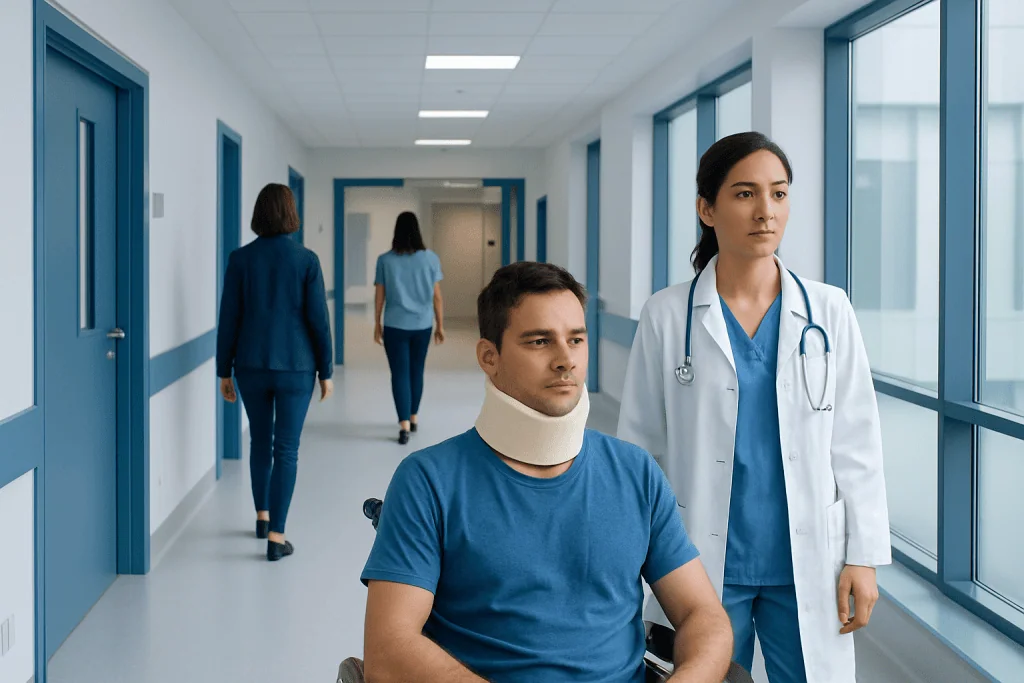
A broken neck means a fracture in the cervical spine, not simply severe neck pain or muscle strain. Suspected neck injuries should be kept still until trained medical professionals assess them.
Key Takeaways
- A broken neck means a fracture in the cervical spine, not simply severe neck pain or muscle strain.
- Suspected neck injuries should be kept still until trained medical professionals assess them.
- Symptoms can range from neck pain to weakness, numbness, breathing difficulty, or loss of bladder and bowel control.
- CT and sometimes MRI scans help clinicians identify fractures, stability, and possible spinal cord or soft-tissue injury.
- Treatment may involve a collar, brace, careful monitoring, rehabilitation, or surgery, depending on the fracture pattern and neurological findings.
- Recovery varies considerably and depends on the specific injury, spinal cord involvement, overall health, and rehabilitation needs.
A broken neck, medically called a cervical spine fracture, is a break in one or more of the seven bones in the neck. It is a medical emergency after significant trauma because an unstable fracture may injure the spinal cord, but prompt immobilization and specialist care can help protect function and support recovery.
Broken Neck: What It Means and Why It Matters
A broken neck is a fracture affecting one or more vertebrae of the cervical spine, the upper part of the backbone that supports the head. The cervical spine contains seven small bones, called C1 through C7, along with discs, ligaments, nerves, and the spinal cord. Because this area is both mobile and closely connected to the spinal cord, a neck fracture requires urgent professional assessment.
Not every neck injury causes paralysis, and not every fracture requires surgery. Some fractures are stable, meaning the bones remain well aligned and are unlikely to move with normal protection. Others are unstable and can shift, potentially narrowing the spinal canal or harming the spinal cord. Clinicians assess the individual fracture pattern, alignment, neurological symptoms, and surrounding soft-tissue damage before recommending treatment.
The term “broken neck” is sometimes used casually to describe intense pain after sleeping awkwardly or exercising. In medical use, however, it refers to a true bone injury. Severe neck pain after trauma should never be assumed to be a minor strain until a clinician has considered the possibility of cervical spine injury.
How a Cervical Spine Fracture Can Happen
Most broken necks result from trauma that forces the head and neck beyond their usual range of movement. Common causes include vehicle collisions, falls from a height, diving into shallow water, sports collisions, bicycle accidents, and direct impacts to the head or neck. The direction and force of impact influence which vertebra is affected and whether the injury is likely to be stable.
Older adults can sometimes sustain a cervical fracture after a fall from standing height, particularly when bone strength is reduced by osteoporosis or other medical conditions. In this group, symptoms may initially appear less dramatic than after high-energy trauma. New neck pain, head pain, or difficulty moving after a fall therefore deserves timely evaluation, even if the person was able to stand or walk afterward.
Less commonly, weakened bone can fracture with minimal trauma. Possible contributors include cancer that has spread to bone, infection, long-term inflammatory disease, or severe osteoporosis. A clinician will consider these causes when neck pain develops gradually, occurs without a clear injury, or is accompanied by unexplained weight loss, fever, or a history of cancer.
Symptoms: From Neck Pain to Nerve Changes
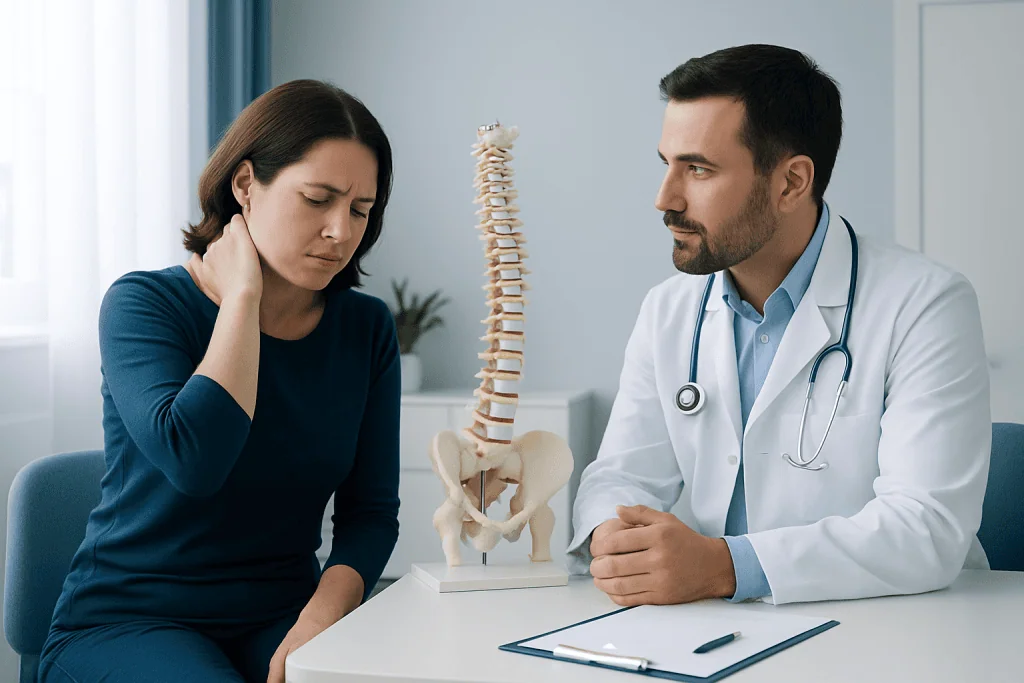
Neck pain and tenderness are common symptoms, especially after trauma. A person may hold the head unusually still, have muscle spasm, or find that moving the neck worsens pain. Pain can also spread into the shoulders, upper back, arms, or head. However, the amount of pain does not reliably show how serious an injury is; some important fractures cause relatively modest discomfort at first.
Symptoms suggesting possible spinal cord or nerve involvement need emergency attention. These include numbness, tingling, weakness, heaviness, loss of coordination, difficulty walking, or a burning or electric-shock sensation in the arms or legs. Changes in bladder or bowel control, reduced sensation around the groin, problems breathing, or fainting after trauma are also urgent warning signs.
A person with a significant head injury may be confused, unconscious, intoxicated, or distracted by pain elsewhere in the body and may not notice neck symptoms. For this reason, emergency teams often protect the cervical spine in people involved in high-risk accidents until it can be safely cleared. It is safer not to test neck movement at home after such an event.
Diagnosis: How Clinicians Check the Neck Safely
Assessment starts with protecting the airway, breathing, circulation, and spinal alignment. Emergency clinicians ask how the injury happened and check for pain, tenderness, movement, strength, reflexes, sensation, and signs of head injury. They also look for other injuries that can occur alongside cervical trauma.
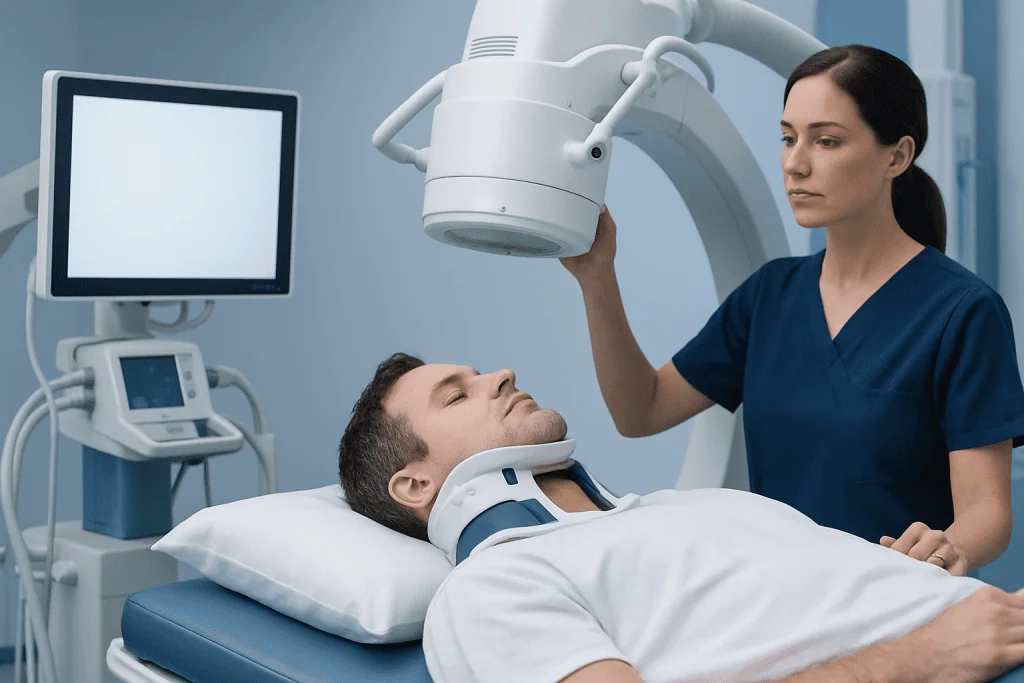
Imaging is used when the injury mechanism, examination, age, symptoms, or clinical decision rules indicate a possible fracture. CT is often the main test for identifying cervical bone fractures because it provides detailed images quickly. Standard X-rays may be appropriate in selected situations, but they can miss some injuries that CT can detect.
MRI may be needed when clinicians are concerned about the spinal cord, discs, ligaments, nerve roots, bleeding, or swelling that does not appear clearly on CT. Imaging results are interpreted together with the examination rather than in isolation. This helps the care team determine whether the spine is stable, whether there is a spinal cord injury, and which treatment approach is safest.
Treatment Options and the First Priorities
Until the neck is assessed, the priority is to avoid unnecessary movement. Emergency professionals may use manual support, a cervical collar, or other equipment to keep the neck aligned while tests are completed. A collar should not be applied or adjusted forcefully by an untrained person, particularly after major trauma, because poor positioning can be uncomfortable and may complicate care.
Stable fractures may be managed without an operation. Depending on the injury, treatment can include a rigid cervical collar or another external support for a period determined by the specialist, pain management, and scheduled follow-up imaging. The care plan aims to allow the bone and supporting tissues to heal while maintaining safe spinal alignment.
Unstable fractures, significant displacement, pressure on the spinal cord or nerves, or progressive neurological symptoms may require surgery. Procedures can realign and stabilize the vertebrae using implants and, when necessary, relieve pressure on neural structures. The exact operation depends on the level and pattern of injury; it may be performed from the front, back, or both sides of the neck.
People with spinal cord injury may also need specialist treatment for breathing, blood pressure, skin protection, bladder and bowel function, and prevention of complications. Acibadem International’s multidisciplinary specialists and JCI-accredited hospitals diagnose and treat cervical spine injuries for international patients, with treatment planning based on each person’s imaging and clinical needs.
Healing, Rehabilitation, and Everyday Self-Care
Recovery after a broken neck is highly individual. It depends on the vertebra involved, whether the fracture was stable, the presence or absence of spinal cord injury, treatment type, age, bone health, and other injuries. Bone healing commonly takes weeks to months, while recovery of strength, confidence, mobility, and daily activities may continue beyond that period.
Follow-up appointments are important because clinicians may need to assess alignment, healing, pain control, and neurological function. A collar or brace should be worn, cleaned, and removed only as instructed. People should avoid driving, contact sports, heavy lifting, sudden neck movements, or returning to work duties that could place the neck at risk until their treating team confirms it is safe.
Rehabilitation may include physiotherapy, occupational therapy, and, when appropriate, specialist neurorehabilitation. Therapy is introduced at the right stage to restore safe movement, posture, strength, balance, and independence without placing undue stress on the healing spine. Emotional support can also be valuable, as pain, reduced mobility, and uncertainty during recovery can affect sleep and wellbeing.
Supporting general bone health is useful during and after recovery. This may include adequate nutrition, avoidance of tobacco, moderation of alcohol, and assessment of osteoporosis risk when appropriate. A clinician can advise whether tests or treatment for low bone density are needed, especially after a low-impact fracture.
When to Seek Medical Care
Emergency medical care is needed after a major fall, vehicle collision, diving injury, sports impact, or blow to the head or neck when there is neck pain, tenderness, altered sensation, weakness, confusion, or loss of consciousness. Call local emergency services rather than driving the person to hospital if a spinal injury is possible. Keep the person as still as possible, support the head in the position found, and do not twist, massage, or attempt to straighten the neck.
Emergency assessment is also needed for new numbness, tingling, weakness, trouble walking, loss of coordination, severe or worsening neck pain, difficulty breathing, or changes in bladder or bowel control. These symptoms can indicate involvement of the spinal cord or nerves and should not be monitored at home.
A prompt medical appointment is appropriate for persistent neck pain after a minor fall or injury, particularly in older adults and people with osteoporosis, cancer, or conditions that weaken bone. A clinician can distinguish a muscle injury from a fracture or other cause and advise on safe imaging and treatment. Even when symptoms improve, it is important to follow any emergency or specialist instructions about activity and follow-up.
Frequently asked questions
Can a person move after a broken neck?
Some people can move, walk, or speak after a cervical spine fracture, especially if the fracture is stable and the spinal cord is not injured. Being able to move does not rule out a serious neck injury. After significant trauma, the neck should be kept still and assessed by emergency professionals.
Does a broken neck always cause paralysis?
No. Paralysis occurs when the spinal cord is significantly injured, and many neck fractures do not cause spinal cord damage. However, an unstable fracture can put the cord at risk, which is why careful immobilization and urgent assessment are important.
Can a broken neck heal without surgery?
Yes, some stable cervical fractures heal with a collar or other external support, monitoring, pain management, and follow-up imaging. Surgery may be recommended when the fracture is unstable, bones are misaligned, nerves or the spinal cord are compressed, or stability cannot be maintained without fixation.
How long does recovery from a broken neck take?
Bone healing often takes weeks to months, but the full recovery timeline differs greatly between individuals. It depends on the fracture type, treatment, other injuries, and whether there was spinal cord involvement. A treating specialist can provide the most reliable timeline after reviewing follow-up examinations and imaging.
What should someone do if they think another person has broken their neck?
Call emergency services immediately and avoid moving the person unless there is immediate danger, such as fire or traffic. Encourage them to remain still, keep their head and neck in the position found, and do not give food, drink, or medication unless directed by emergency personnel. Do not try to put the neck back into position.
Can an X-ray rule out a broken neck?
X-rays can identify some cervical fractures, but they may not show every injury clearly. CT is often used after significant trauma because it provides more detailed images of the cervical bones. MRI may be added when spinal cord, ligament, disc, or nerve injury is suspected.
References
- American College of Surgeons
- American Association of Neurological Surgeons
- National Institute of Neurological Disorders and Stroke
- National Institute of Arthritis and Musculoskeletal and Skin Diseases
- NHS
This article is for general information only and is not a substitute for professional medical advice. Please consult a qualified doctor about your individual situation.
Joint and spine care in Turkey — expert assessment & treatment
JCI-accredited · board-certified surgeons · reply within 24h
Add us as a Preferred Source to see more of our trusted health content across Google Search, AI Overviews and Discover.

More from the Health Library



Related Specialists

Dr. İnci Candan
Dermatology
Assoc. Prof. Dr. Altuğ Yücekul
Orthopedic Surgery & Traumatology
Dr. Ceyda Perçinoğlu
Gynecology & Obstetrics
Asst. Prof. Dr. M. Erkan Ekicibaşı
Cardiology