Broken Tailbone: A Complete Medical Overview

A broken tailbone usually happens after a fall, direct blow, childbirth, or repetitive strain. Pain at the base of the spine that worsens with sitting is a common symptom, but bruising and tenderness can also occur.
Key Takeaways
- A broken tailbone usually happens after a fall, direct blow, childbirth, or repetitive strain.
- Pain at the base of the spine that worsens with sitting is a common symptom, but bruising and tenderness can also occur.
- Most tailbone fractures are treated without surgery using activity changes, cushions, pain relief, and time.
- Medical review is important after significant trauma, severe pain, numbness, weakness, bowel or bladder symptoms, or persistent pain.
- Recovery can take weeks to months, depending on the injury and whether soft tissues around the coccyx are also affected.
A broken tailbone is an injury to the coccyx, the small bone at the very bottom of the spine. It often causes pain when sitting, leaning back, or standing up, and while many cases improve with conservative care, some people need imaging, specialist assessment, or treatment for ongoing pain.
Overview: What a Broken Tailbone Means
A broken tailbone is a fracture of the coccyx, the small triangular bone at the base of the spine. This injury most often follows a backward fall onto a hard surface, but it can also occur during childbirth, contact sports, cycling-related strain, or other direct trauma. In everyday language, people may use “broken tailbone” to describe several related problems, including a bruise, a fracture, or painful movement of the coccyx after injury.
The main symptom is pain low in the buttock crease, especially when sitting or when moving from sitting to standing. Some people improve steadily within a few weeks, while others have symptoms that last longer because the surrounding ligaments, joints, and muscles are irritated as well as the bone itself. For this reason, the amount of pain does not always match the size of the fracture.
A tailbone injury is usually uncomfortable rather than dangerous, but it should not be ignored if symptoms are severe or do not improve. Care focuses on confirming the cause of pain, easing pressure on the coccyx, and checking for less common complications such as nerve symptoms or injuries elsewhere in the pelvis or lower spine.
Symptoms and How Tailbone Pain Feels
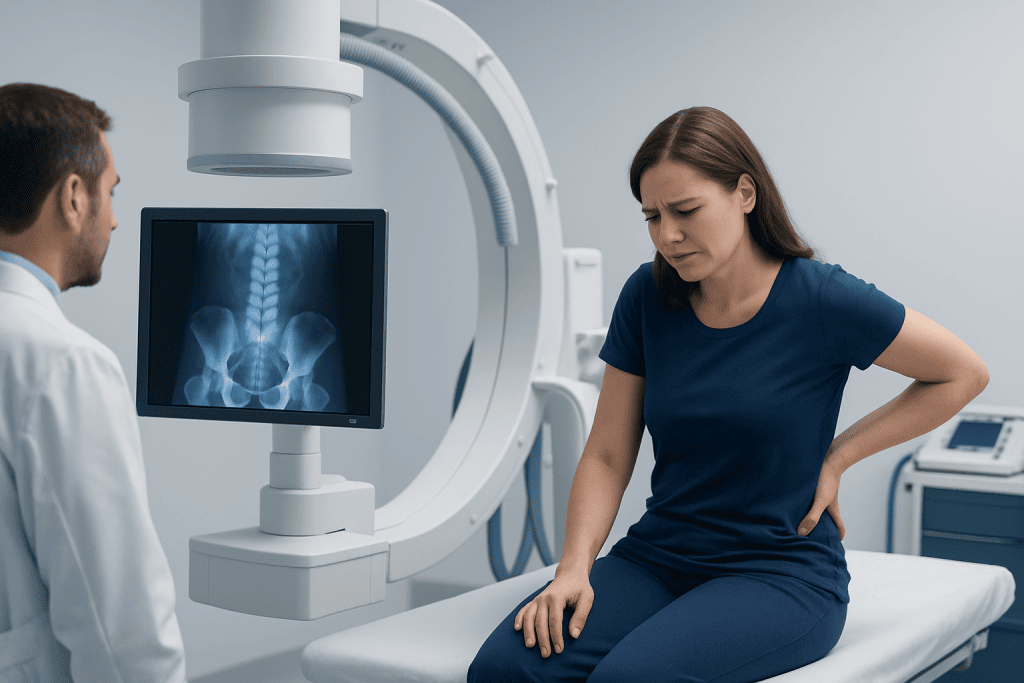
The most typical symptom of a broken tailbone is localized pain at the very bottom of the spine. People often describe sharp pain when sitting down, leaning backward in a chair, standing up after sitting, or having a bowel movement. Tenderness is usually present when the area is touched, and some people notice swelling or bruising after the initial injury.
The pain can vary from mild to quite limiting. Walking may remain possible, but sitting for work, travel, or meals can become difficult. Some patients also feel discomfort during sexual activity or while straining, because the pelvic floor muscles attach near the coccyx and can become irritated after injury.
Symptoms that can occur with a broken tailbone include:
- Pain at the base of the spine
- Worsening pain with sitting or rising from a chair
- Tenderness or bruising over the coccyx
- Discomfort during bowel movements
- Pain that radiates into the buttocks, though usually not down the leg
Not all tailbone pain is caused by a fracture. A coccyx bruise, joint inflammation, pelvic floor tension, lower back problems, or other spinal conditions such as a herniated disc can sometimes cause overlapping symptoms. That is one reason a clinical assessment can be useful when pain is severe, persistent, or difficult to explain.
Common Causes and Risk Factors
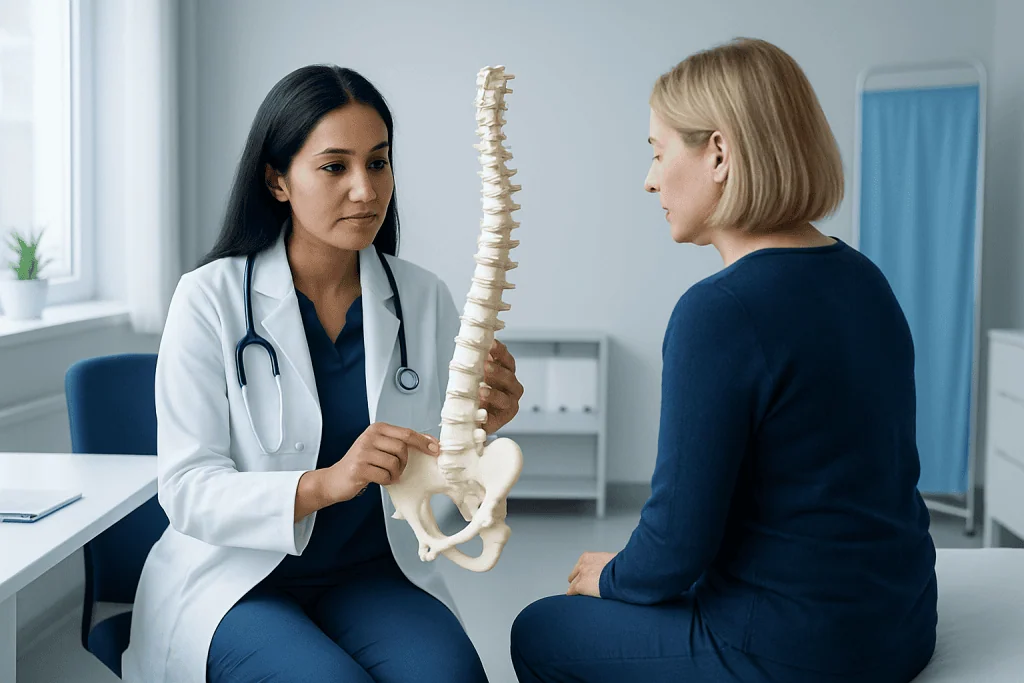
The most common cause of a broken tailbone is a fall backward onto the buttocks. Slipping on stairs, ice, wet floors, or uneven ground can transmit a direct force to the coccyx. Sports injuries and motor vehicle accidents may do the same, especially when there is a hard impact to the lower spine or pelvis.
Childbirth is another recognized cause. Pressure on the coccyx during labor and delivery can bruise, dislocate, or rarely fracture the bone. Repetitive strain can also contribute. Activities such as prolonged cycling, rowing, or sitting on hard surfaces may not always break the coccyx, but they can inflame the area and make an underlying injury more noticeable.
Several factors can increase the chance of coccyx injury or persistent symptoms:
- Previous tailbone injury
- Reduced bone strength, including osteoporosis
- Participation in contact sports or high-risk activities
- Occupations or travel that involve prolonged sitting
- Pregnancy and vaginal childbirth
- Body shape or posture that places more pressure on the coccyx while seated
In older adults, clinicians may think more broadly about bone health after a fall. If there is concern about low bone density, a patient may need further assessment beyond the coccyx itself, especially if there have been repeated fractures or other warning signs.
How a Broken Tailbone Is Diagnosed
Diagnosis begins with the story of the injury and a physical examination. A doctor will ask how the pain started, where it is felt, what movements make it worse, and whether there are symptoms such as leg weakness, numbness, fever, or bowel and bladder changes. Examination often includes checking the lower spine, pelvis, hips, and the tender area around the coccyx.
Imaging is not always necessary for every tailbone injury, especially when treatment would be the same regardless of whether the coccyx is bruised or fractured. However, X-rays may be used after significant trauma, when the diagnosis is uncertain, or when symptoms do not improve as expected. In selected cases, more detailed imaging such as MRI scan or CT may help identify a fracture, joint instability, soft tissue injury, or another source of pain.
Doctors also consider other possible causes of pain in this region. These can include pelvic fractures, sacroiliac joint problems, infection, skin cysts, or lower spine disorders such as scoliosis that affect posture and pressure distribution. A careful evaluation helps make sure persistent coccyx pain is not being mistaken for a different condition.
If symptoms are prolonged, assessment may also look for chronic coccydynia, which means ongoing pain in the coccyx region. This is especially relevant when the original injury was weeks or months earlier and daily activities are still limited.
Treatment Options and Recovery
Most broken tailbones are treated without surgery. The main goals are to reduce pressure on the coccyx, control pain, and allow the injured tissues to heal. Common measures include short-term rest from aggravating activities, sitting on a wedge or donut-style cushion if helpful, leaning forward slightly while seated, and using pain relief recommended by a doctor.
Bowel comfort also matters during recovery. Drinking enough fluids, eating fiber-rich foods, and avoiding constipation can reduce straining and discomfort. Some people benefit from gentle movement and gradually increasing activity rather than prolonged bed rest, which can make stiffness worse. Recovery often takes several weeks, but lingering soreness can last longer, particularly after more severe trauma.
When symptoms persist, treatment may expand to rehabilitation. This can include posture training, pelvic floor therapy, stretching, and guided exercises through physical therapy and rehabilitation. In selected patients with ongoing severe pain, clinicians may consider targeted pain procedures, and surgery to remove the coccyx is reserved for uncommon cases after careful evaluation.
If trauma affected more than the coccyx, broader orthopedic care may be needed. In that setting, specialist assessment through orthopedic rehabilitation can help restore comfort and function. The exact plan depends on the injury pattern, pain severity, and how much daily life is affected.
Self-care Tips and Prevention
Daily habits can make a real difference during healing. Many people feel better by limiting long periods of sitting, taking standing breaks, and using a cushion that reduces direct pressure on the tailbone. Sleeping positions may also help; some prefer lying on the side, while others are more comfortable on the stomach for short periods.
Heat or ice may be soothing, depending on the stage of the injury and personal comfort. In the first days after trauma, an ice pack wrapped in cloth may help reduce pain and swelling. Later on, gentle warmth can sometimes relax tight muscles around the pelvis and lower back. Any self-care method should be comfortable and should not increase pain.
Prevention focuses on reducing falls and repeated stress. Supportive footwear, safer home surfaces, careful movement on slippery ground, and sport-specific protective habits may lower the risk of injury. For people with recurrent pain while sitting, reviewing posture, workstation setup, and seat support is often worthwhile.
General bone health is also relevant, especially in midlife and older age. Weight-bearing activity, adequate nutrition, and medical assessment for possible osteoporosis can reduce the risk of future fractures elsewhere in the body, even if the tailbone injury itself is managed conservatively.
When to Seek Medical Care
It is sensible to seek medical care after a major fall, traffic accident, sports collision, or any injury that causes severe pain at the base of the spine. Medical review is also important if pain prevents sitting or walking comfortably, if there is marked bruising or swelling, or if symptoms are not improving over time.
Urgent assessment is needed if tailbone pain is accompanied by numbness, weakness, loss of bowel or bladder control, fever, or pain that spreads significantly into the legs. These features can suggest a different or more serious problem and should not be managed with home care alone.
Persistent coccyx pain deserves attention even when the original injury seemed minor. Ongoing discomfort can affect work, travel, sleep, exercise, and bowel habits, and a clinician can look for a fracture that has not healed well, pelvic floor dysfunction, or another explanation for the pain. In complex cases, a multidisciplinary team may include orthopedics, rehabilitation, pain specialists, or imaging experts.
Near the end of the care pathway, some patients seek coordinated evaluation abroad. Acibadem International’s multidisciplinary specialists in JCI-accredited hospitals diagnose and treat coccyx and spine-related conditions for international patients when further assessment is needed.
Frequently asked questions
How do people know if they have a broken tailbone or just a bruise?
It can be difficult to tell based on symptoms alone because both injuries can cause pain, tenderness, and trouble sitting. A doctor may diagnose the problem from the history and examination, and imaging may be used if the injury was severe or recovery is not following the expected course.
Can a broken tailbone heal on its own?
Yes. Many broken tailbones heal with conservative care such as activity changes, pressure relief when sitting, and pain management. Even when the bone heals without surgery, soreness can last for some time because nearby ligaments and muscles may remain irritated.
How long does it take to recover from a broken tailbone?
Recovery varies from person to person. Some people improve within a few weeks, while others need several months for pain to settle, especially if sitting continues to irritate the area or if soft tissues around the coccyx were also injured.
Is walking good for a broken tailbone?
Gentle walking is often acceptable if it does not significantly increase pain. In many cases, light movement helps prevent stiffness, but high-impact exercise and prolonged sitting usually need to be limited during the early phase of healing.
Do all broken tailbones need an X-ray or MRI?
No. Imaging is not always necessary because treatment is often similar whether the coccyx is bruised or fractured. Doctors are more likely to request imaging after major trauma, when symptoms are severe, or when recovery is delayed or unclear.
When is surgery considered for tailbone injuries?
Surgery is uncommon and is usually considered only when pain remains severe despite prolonged conservative treatment and careful evaluation. Before surgery is discussed, doctors typically look for other causes of pain and may try rehabilitation or pain-focused treatments first.
This article is for general information only and is not a substitute for professional medical advice. Please consult a qualified doctor about your individual situation.
Joint and spine care in Turkey — expert assessment & treatment
JCI-accredited · board-certified surgeons · reply within 24h
Add us as a Preferred Source to see more of our trusted health content across Google Search, AI Overviews and Discover.

More from the Health Library

I Haven’t Pooped in a Week But I Feel Fine: A Complete Medical Overview

Acs Medical Abbreviation: What Patients Need to Know
Pumpkin seeds benefits of: A Complete Medical Guide for Patients
The Seven Year Itch — Explained by Medical Evidence, Not Myths

Proper Tongue Posture — Explained by Medical Evidence, Not Myths