

Bronchiolitis in Babies: RSV Symptoms and Breathing Warning Signs

Bronchiolitis usually begins like a cold, then may progress to coughing, wheezing, faster breathing, and feeding difficulty. RSV is the most common cause, especially in babies and young children during seasonal outbreaks.
Key Takeaways
- Bronchiolitis usually begins like a cold, then may progress to coughing, wheezing, faster breathing, and feeding difficulty.
- RSV is the most common cause, especially in babies and young children during seasonal outbreaks.
- Urgent medical care is needed if a baby has blue lips, pauses in breathing, severe chest retractions, marked sleepiness, dehydration, or worsening breathing effort.
- Treatment is mainly supportive: fluids, nasal saline and suction, fever comfort measures, and oxygen or hospital care when needed.
- Antibiotics, cough medicines, and routine bronchodilators are not usually helpful unless a doctor identifies another reason to use them.
- Hand hygiene, avoiding smoke exposure, limiting contact with sick people, and recommended RSV prevention options for eligible infants can reduce risk.
Bronchiolitis is a common viral infection of the small airways in babies, most often caused by respiratory syncytial virus, or RSV. Most infants recover with supportive care, but parents should know the breathing warning signs that need prompt medical attention.
Overview
Bronchiolitis in babies is an infection and inflammation of the bronchioles, the smallest breathing tubes in the lungs. When these tiny airways become swollen and filled with mucus, air can move less easily in and out. This is why a baby with bronchiolitis may cough, wheeze, breathe faster, or work harder to breathe.
The illness is most common in infants and children under 2 years of age, with younger babies at higher risk of more noticeable breathing problems because their airways are very small. Respiratory syncytial virus, often called RSV, is the leading cause, but other common respiratory viruses can cause a similar illness.
Many babies have mild bronchiolitis and can be cared for at home with close observation, fluids, and help clearing nasal congestion. Some babies need medical assessment, oxygen support, or hospital care, especially if they are very young, were born prematurely, have heart or lung disease, or are struggling to feed and breathe comfortably.
RSV Symptoms and How Bronchiolitis Develops
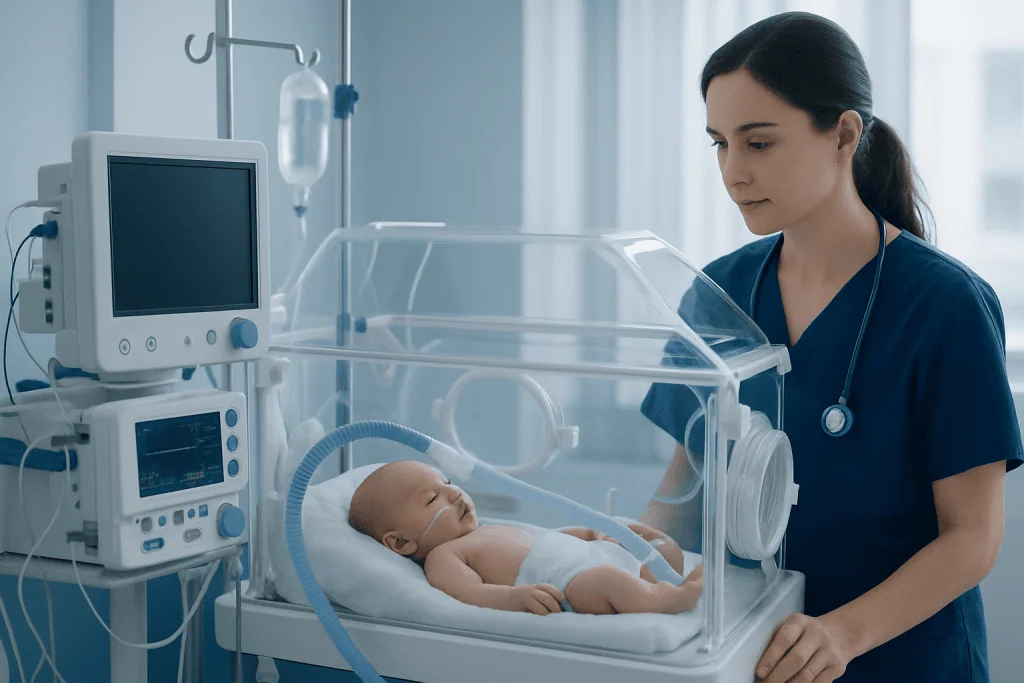
Bronchiolitis often starts like an ordinary cold. A baby may have a runny or blocked nose, mild cough, sneezing, and a low-grade fever. Over the next few days, the infection can move deeper into the small airways, and symptoms may become more respiratory in nature.
Parents may notice a wetter or more persistent cough, noisy breathing, wheezing, faster breathing, or feeding that takes longer than usual. Babies breathe through their noses much of the time, so even nasal congestion can make feeding tiring. A baby may take smaller amounts, pause frequently during feeds, or seem unsettled when lying flat.
Common RSV symptoms in babies and bronchiolitis symptoms include:
- Runny or stuffy nose
- Cough that may worsen over several days
- Wheezing or a whistling sound during breathing
- Fast breathing or short pauses between breaths
- Difficulty feeding or fewer wet diapers
- Irritability, tiredness, or disturbed sleep
- Fever, although some babies have little or no fever
Symptoms often peak around the middle of the illness and then gradually improve. A cough can linger for one to several weeks, even after breathing and feeding are clearly better. Parents should focus not only on the sound of the cough but also on the baby’s breathing effort, hydration, color, and alertness.
Breathing Warning Signs in Babies

Because babies cannot describe shortness of breath, caregivers need to look for visible signs. A baby who is breathing comfortably may breathe a little faster with fever or congestion, but should still be able to feed, settle, and have normal skin color. Increased effort of breathing is more concerning than a noisy cough alone.
Warning signs include the skin pulling in between the ribs, under the ribcage, or at the base of the neck with each breath. This is called chest recession or retractions. Other signs include nostrils flaring, grunting, head bobbing, very fast breathing, or a baby who cannot feed because breathing takes too much effort.
Seek urgent medical care if any of the following occur:
- Blue, gray, or very pale lips, tongue, or face
- Pauses in breathing, irregular breathing, or repeated episodes of apnea
- Severe chest retractions, grunting, or exhaustion from breathing
- Marked sleepiness, limpness, or difficulty waking
- Signs of dehydration, such as very few wet diapers, dry mouth, or no tears when crying
- Breathing that is worsening rather than improving
For young infants, especially those under 3 months, parents should have a lower threshold for contacting a doctor. If a caregiver is unsure whether breathing looks normal, it is safer to seek professional advice promptly rather than waiting for symptoms to become severe.
Causes and Risk Factors
RSV is the most common cause of bronchiolitis, but rhinovirus, influenza, parainfluenza, adenovirus, human metapneumovirus, and other viruses may also be responsible. These viruses spread through droplets from coughs and sneezes, close contact, and contaminated hands or surfaces. Babies can become infected when they touch their eyes, nose, or mouth after contact with the virus.
Bronchiolitis is not caused by cold air, teething, or being underdressed. However, respiratory viruses tend to circulate more during colder months in many regions, when people spend more time indoors. Exposure to tobacco smoke or vaping aerosols can irritate a baby’s airways and may worsen respiratory symptoms.
Some babies have a higher chance of more severe bronchiolitis. Risk factors include premature birth, age under 12 weeks, chronic lung disease, congenital heart disease, certain immune system conditions, neuromuscular disorders that affect coughing or swallowing, and significant exposure to household smoke. Babies in childcare settings or with older siblings may also have more frequent contact with respiratory viruses.
Having bronchiolitis once does not always prevent another episode, because different viruses can cause similar symptoms. Some children may wheeze again with later viral infections, but a single bronchiolitis episode does not automatically mean a child has asthma. A pediatrician can assess patterns over time if recurrent wheezing occurs.
Diagnosis
Bronchiolitis is usually diagnosed through a medical history and physical examination. The doctor will ask about the baby’s age, feeding, wet diapers, fever, cough, breathing pattern, birth history, and any underlying medical conditions. During the examination, the clinician checks breathing rate, oxygen level if needed, hydration, chest movement, and sounds in the lungs.
In many typical cases, laboratory tests and chest X-rays are not necessary. Viral testing for RSV or other viruses may be used in certain settings, such as hospitals, outbreak situations, or when the result could influence infection control or treatment decisions. A chest X-ray may be considered if symptoms are unusual, severe, or if another diagnosis is suspected.
Doctors also consider other conditions that can resemble bronchiolitis, including pneumonia, asthma-like wheezing, choking or aspiration, congenital airway problems, heart disease, or sepsis in very young infants. This is why a professional assessment is important when a baby has significant breathing difficulty, poor feeding, or symptoms that do not follow the expected pattern.
Families traveling for care or seeking a second opinion may be evaluated by pediatric, emergency, and respiratory specialists as appropriate. Acibadem International’s multidisciplinary teams and JCI-accredited hospitals diagnose and treat bronchiolitis and related breathing problems in infants, including international patients, according to the baby’s clinical needs.
Treatment Options
Treatment for bronchiolitis is mainly supportive, meaning it helps the baby breathe, feed, and stay hydrated while the immune system clears the virus. There is no routine antibiotic treatment for bronchiolitis because antibiotics do not work against viruses. Antiviral medicines are not commonly used for typical RSV bronchiolitis in otherwise healthy babies.
At home, parents may be advised to offer smaller, more frequent feeds and keep the baby comfortably positioned while awake and supervised. Saline nose drops or spray, followed by gentle suction, can help before feeding and sleep if the nose is blocked. Fever or discomfort should be managed with medicines that are appropriate for the baby’s age and recommended by a healthcare professional.
Hospital care may be needed if a baby has low oxygen levels, dehydration, apnea, severe breathing effort, or cannot feed safely. Support may include oxygen, fluids through a feeding tube or intravenous line, and close monitoring. In more serious cases, babies may need additional breathing support in a pediatric unit or intensive care setting.
Cough and cold medicines are generally not recommended for babies because they can be ineffective and may cause side effects. Bronchodilator inhalers, steroids, nebulized saline, or antibiotics are not routinely used for every infant with bronchiolitis; a doctor may consider specific treatments only when the clinical picture suggests another condition or a clear individual benefit.
Prevention and Self-Care at Home
Parents cannot prevent every respiratory infection, but simple steps can reduce a baby’s exposure to RSV and other viruses. Handwashing with soap and water, using alcohol-based hand sanitizer when appropriate, cleaning frequently touched surfaces, and keeping sick visitors away from young infants are helpful measures. Caregivers with cold symptoms should avoid kissing the baby’s face and should consider wearing a mask when close contact is unavoidable.
A smoke-free environment is especially important. Tobacco smoke, vaping aerosols, and indoor pollutants can irritate the airways and increase the burden on a baby’s breathing. Breastfeeding, when possible, supports the infant immune system, although formula-fed babies can also be cared for safely with good infection prevention and prompt medical attention when needed.
Some infants may be eligible for RSV prevention with a long-acting monoclonal antibody or, in certain settings, protection through maternal vaccination during pregnancy. Recommendations vary by country, season, product availability, and the baby’s risk factors. Parents should ask their pediatrician which RSV prevention options are recommended for their child.
During recovery at home, caregivers should monitor breathing, feeding, wet diapers, temperature, and alertness. It can help to write down feeding amounts and diaper counts if the baby is unwell. A baby should sleep on the back on a firm, flat surface; pillows, wedges, and inclined sleep devices are not recommended because they can create safety risks.
When to See a Doctor
Parents should contact a doctor if a baby has a worsening cough, wheezing, fever in early infancy, feeding difficulty, fewer wet diapers, or breathing that seems faster than usual. Babies under 3 months, premature infants, and babies with heart, lung, immune, or neuromuscular conditions should be assessed earlier because they may become unwell more quickly.
Immediate medical help is needed for blue or gray color around the lips, pauses in breathing, severe retractions, grunting, extreme tiredness, poor responsiveness, or signs of dehydration. Caregivers should also seek urgent care if they feel the baby is deteriorating or if breathing looks frightening or unusual, even if they are unsure how to describe it.
Follow-up is important if symptoms are not improving as expected, if fever persists, or if the baby develops ear pain, persistent vomiting, or signs of another infection. Most babies recover well, but careful observation and timely medical support help keep bronchiolitis managed safely.
Frequently asked questions
Is bronchiolitis the same as bronchitis?
No. Bronchiolitis affects the bronchioles, the smallest airways in the lungs, and is most common in babies and toddlers. Bronchitis usually refers to inflammation of larger airways and is more often discussed in older children and adults.
How long does RSV bronchiolitis last in babies?
Many babies are most unwell for several days, with gradual improvement over one to two weeks. The cough can last longer, sometimes for several weeks, even when feeding and breathing have improved. A doctor should reassess the baby if symptoms worsen, breathing becomes difficult, or hydration is poor.
Can bronchiolitis be treated with antibiotics?
Antibiotics do not treat RSV or other viral causes of bronchiolitis. They may be used only if a doctor suspects or confirms a bacterial infection, such as certain types of pneumonia or an ear infection. Parents should not give leftover antibiotics or start them without medical advice.
What breathing signs should parents watch for at night?
Parents should look for fast breathing, deep pulling in around the ribs or neck, nostril flaring, grunting, pauses in breathing, or a blue or gray color around the lips. A baby who is too tired to feed or difficult to wake also needs urgent assessment. If breathing appears unsafe, emergency care is appropriate.
Is wheezing always dangerous in a baby with bronchiolitis?
Wheezing can occur in bronchiolitis because the small airways are narrowed by swelling and mucus. Mild wheezing with good feeding, normal color, and comfortable breathing may be monitored with medical guidance. Wheezing with increased breathing effort, poor feeding, or low alertness needs prompt medical assessment.
Can a baby get bronchiolitis more than once?
Yes. Different respiratory viruses can cause bronchiolitis-like illness, and RSV infection does not provide complete lifelong protection. Repeated wheezing episodes should be discussed with a pediatrician, who can check for asthma-like patterns, allergies, or other airway conditions.
How can parents help a congested baby feed better?
Gentle saline drops or spray and careful nasal suction before feeds may help if the nose is blocked. Smaller, more frequent feeds can be easier than longer feeds when a baby is congested or coughing. If the baby is taking much less than usual or has fewer wet diapers, parents should contact a doctor.
References
- American Academy of Pediatrics
- Centers for Disease Control and Prevention
- World Health Organization
- National Institute for Health and Care Excellence
- European Respiratory Society
This article is for general information only and is not a substitute for professional medical advice. Please consult a qualified doctor about your individual situation.
Bronchiolitis in Turkey — costs, top hospitals & a free quote
JCI-accredited · board-certified surgeons · reply within 24h
Add us as a Preferred Source to see more of our trusted health content across Google Search, AI Overviews and Discover.

More from the Health Library



Related Specialists

Dr. Özgür Yaşar
Internal Medicine
Dr. Sinem Altunyuva Usta
Pediatric Cardiology
Dr. Murat Alakuş
Physical Medicine & Rehabilitation
Dt. Şevval Çelebi
Oral & Dental Health