Bronchitis in Children: Symptoms, Home Care, and When Breathing Needs Medical Review
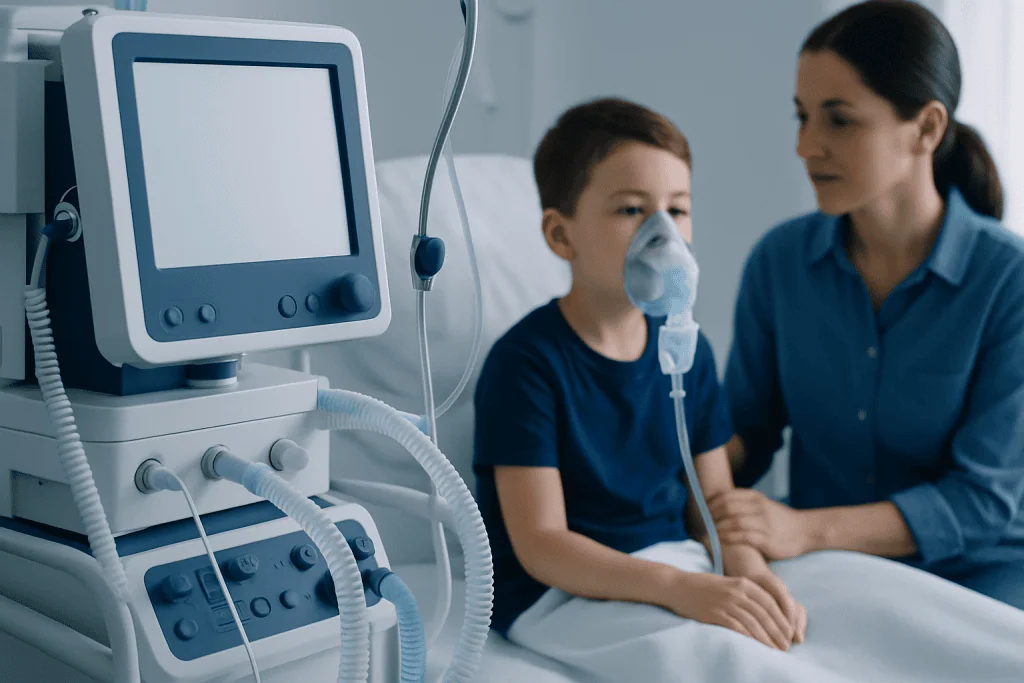
Most bronchitis in children is caused by viruses and gets better with time and supportive care. A cough is the main symptom and may last longer than other cold symptoms.
Key Takeaways
- Most bronchitis in children is caused by viruses and gets better with time and supportive care.
- A cough is the main symptom and may last longer than other cold symptoms.
- Warning signs include fast breathing, wheezing, chest retractions, bluish lips, and poor fluid intake.
- Antibiotics are not usually helpful unless a bacterial infection is suspected.
- Smoke-free air, hand hygiene, rest, and fluids can help recovery and reduce irritation.
Bronchitis in children is inflammation of the bronchial tubes, usually caused by a viral infection. It often improves with supportive care at home, but breathing difficulty, dehydration, or symptoms that do not settle should be checked by a doctor.
Overview of Bronchitis in Children
Bronchitis in children happens when the bronchial tubes, which carry air to and from the lungs, become inflamed. This inflammation can lead to swelling, increased mucus production, and coughing. In many children, bronchitis develops after a common cold or another viral infection affecting the upper airways.
Acute bronchitis is the most common form in children. It is usually short-term and often improves within a few days to a few weeks, although the cough may linger longer while the airways heal. Chronic bronchitis, which involves a long-lasting productive cough over months, is uncommon in children and needs specialist evaluation.
Because cough is common in childhood, it can be hard for families to know whether a child has a simple viral illness, bronchitis, or another problem such as asthma. A careful medical review may be needed when symptoms are persistent, severe, or accompanied by breathing difficulty.
Symptoms Parents May Notice
The most noticeable symptom of bronchitis in children is a cough. It may begin as a dry cough and later become looser or more productive as mucus increases. Some children cough more at night or after activity because irritated airways can be more sensitive at those times.
Other symptoms can look similar to a cold and may include:
- Runny or blocked nose
- Sore throat
- Mild fever
- Tiredness
- Chest discomfort from coughing
- Noisy breathing or mild wheeze
Some children may also vomit after a strong coughing spell, especially younger children who have more sensitive gag reflexes. Babies and toddlers may not describe chest tightness, but parents may notice fussiness, feeding less than usual, or disturbed sleep.
Symptoms vary with age and the cause of illness. If a child seems to be breathing fast, working hard to breathe, unusually sleepy, or unable to drink enough fluids, medical assessment is important rather than waiting at home.
Causes and Risk Factors

Most cases of acute bronchitis in children are caused by viruses, including the same viruses that cause colds and flu-like illnesses. These infections spread easily through droplets, close contact, and contaminated surfaces. After the infection irritates the airways, coughing can continue even when the child is otherwise starting to feel better.
Less often, bacteria may play a role, but this is not the usual cause. That is why antibiotics are not routinely needed for uncomplicated bronchitis. Irritants such as cigarette smoke, air pollution, dust, and strong fumes can worsen airway inflammation and make coughing last longer.
Some children are more likely to have troublesome symptoms or repeated episodes. Risk factors include:
- Exposure to tobacco smoke
- Daycare or school exposure to viral infections
- Young age, especially in infants
- Underlying lung conditions such as pneumonia risk or previous wheezing illnesses
- Asthma or allergies
- Prematurity or certain heart or immune conditions
In some children, what seems like bronchitis may actually be another condition, such as bronchiolitis in infants, asthma-related airway inflammation, or a chest infection that needs different treatment. This is one reason persistent or repeated cough should be reviewed by a clinician.
How Doctors Diagnose Bronchitis
Doctors diagnose bronchitis mainly by asking about symptoms and examining the child. They will usually ask how long the cough has lasted, whether there has been fever, how the child is breathing, and whether the child is eating and drinking normally. They will also ask about asthma, allergies, smoke exposure, and contact with others who are ill.
During the examination, the doctor listens to the lungs and checks breathing rate, oxygen levels if needed, temperature, and signs of dehydration. In straightforward cases of acute bronchitis, extra testing is often not necessary.
If symptoms are more severe, prolonged, or unusual, additional tests may be considered to look for other causes. These can include a chest X-ray, viral testing, or blood tests in selected cases. If wheezing is prominent or there is concern about another airway condition, the doctor may recommend further assessment through pediatric pulmonology services.
The main aim of diagnosis is not simply to label the cough, but to identify whether the child has a simple self-limiting illness or a condition needing closer treatment, such as asthma, bronchiolitis, or a lower respiratory infection.
Treatment and Home Care
Treatment for bronchitis in children is usually supportive. This means helping the child stay comfortable while the body clears the infection and the airways recover. Rest, fluids, and a calm environment are often the most helpful first steps. Offering water, milk, soup, or oral rehydration fluids in small frequent amounts can be useful, especially if the child is coughing a lot.
Fever or discomfort may be managed with age-appropriate medicines recommended by a doctor or pharmacist. Saline nose drops, gentle suctioning in babies, and a cool-mist humidified environment may also help some children feel more comfortable, although humidifiers should be kept clean to avoid mold or bacteria buildup.
Antibiotics are usually not used for viral bronchitis. Cough medicines are not suitable for all children, especially younger ones, and should only be used with professional guidance. If a child has wheezing or an underlying condition such as asthma, a doctor may advise inhaled treatment or further respiratory support such as nebulizer treatment when appropriate.
If symptoms suggest a more significant chest infection or the child has trouble maintaining oxygen levels, hospital-based assessment may be needed. In these situations, care may involve oxygen support, monitoring, or treatment directed at the underlying cause, sometimes alongside pediatric emergency care. Near the end of the care pathway, some families may seek evaluation at centers such as Acibadem International, where multidisciplinary specialists in JCI-accredited hospitals assess and treat respiratory conditions in children from different countries.
Prevention and Self-care During Recovery
Children cannot avoid every cough or cold, but simple measures can lower the chance of bronchitis and help recovery go more smoothly. Handwashing, covering coughs and sneezes, cleaning frequently touched surfaces, and keeping a child away from smoke are all practical steps.
Vaccination is also important. Routine childhood vaccines and seasonal flu vaccination, when recommended by a doctor, can reduce some infections that may lead to lower airway inflammation. Children with specific medical conditions may need additional preventive guidance from their healthcare team.
During recovery, parents can support healing by making sure the child gets enough rest, drinks regularly, and avoids heavy physical activity if coughing is easily triggered. Returning to school or nursery is usually reasonable once fever has settled, energy is improving, and the child can take part comfortably.
It is also helpful to remember that cough often lasts longer than parents expect. Even after the infection starts to improve, the airways can stay sensitive for a while. A gradually improving cough is reassuring, but a cough that is worsening, recurring frequently, or lasting unusually long should be reassessed.
When Breathing Needs Medical Review
Parents should seek medical advice if a child has a cough with breathing changes, high fever, chest pain, or signs of dehydration. Dehydration may show up as dry mouth, fewer wet diapers, very dark urine, crying without tears, or unusual sleepiness. Infants, in particular, can become unwell more quickly and should be watched closely.
Urgent medical review is important if a child is breathing fast, pulling in the skin between or below the ribs, grunting, flaring the nostrils, or struggling to speak or feed because of breathlessness. Blue or gray lips, pauses in breathing, confusion, or extreme drowsiness are emergency signs.
Parents should also arrange a medical review if the cough lasts more than a few weeks, keeps returning, or is associated with repeated wheezing. In these cases, doctors may look for asthma, allergies, foreign body inhalation, sinus-related cough, or another condition that is mimicking bronchitis.
When in doubt, it is reasonable to call a healthcare professional. A child does not need to appear severely ill to benefit from review, especially if parents feel the breathing pattern is different from normal or the child is simply not improving as expected.
Frequently asked questions
How long does bronchitis last in children?
Acute bronchitis often improves over several days, but the cough can last for a few weeks while the airways settle. If the cough is not gradually improving, or if it lasts longer than expected, a doctor should review the child.
Is bronchitis in children usually caused by bacteria?
No. Most cases are caused by viruses, which means antibiotics are usually not helpful. A doctor may consider other treatment only if there are signs suggesting a bacterial infection or another diagnosis.
Can a child with bronchitis be treated at home?
Many children can be cared for at home with rest, fluids, and monitoring, especially if they are breathing comfortably and drinking well. Home care is not enough if the child develops breathing difficulty, dehydration, persistent high fever, or worsening symptoms.
What is the difference between bronchitis and asthma?
Bronchitis is usually a short-term inflammation of the airways, often after a viral infection. Asthma is a long-term condition in which the airways are overly sensitive and can narrow repeatedly, causing wheeze, cough, and breathlessness. Sometimes the symptoms overlap, so a doctor may need to assess the child carefully.
Should parents worry about wheezing with bronchitis?
Wheezing can happen when inflamed airways become narrower, and it does not always mean a serious problem. However, wheezing should be medically reviewed if it is new, severe, associated with fast breathing, or happening repeatedly.
When should a child with bronchitis go to the emergency department?
Emergency care is needed if the child is struggling to breathe, has blue or gray lips, seems very sleepy or confused, cannot drink, or has pauses in breathing. These signs suggest the child needs prompt medical attention rather than home monitoring.
References
- World Health Organization
- Centers for Disease Control and Prevention
- American Academy of Pediatrics
- National Health Service
- American Lung Association
This article is for general information only and is not a substitute for professional medical advice. Please consult a qualified doctor about your individual situation.
Bronchitis in Turkey — costs, top hospitals & a free quote
JCI-accredited · board-certified surgeons · reply within 24h
Add us as a Preferred Source to see more of our trusted health content across Google Search, AI Overviews and Discover.