Brovana: A Complete Medical Overview

Brovana contains arformoterol, a long-acting beta2-agonist bronchodilator used to manage COPD symptoms over time. It is inhaled through a nebulizer on a regular schedule and should not be used to relieve a sudden breathing emergency.
Key Takeaways
- Brovana contains arformoterol, a long-acting beta2-agonist bronchodilator used to manage COPD symptoms over time.
- It is inhaled through a nebulizer on a regular schedule and should not be used to relieve a sudden breathing emergency.
- People using Brovana should keep a prescribed fast-acting rescue inhaler available for sudden symptoms.
- Common effects may include tremor, nervousness, headache, dizziness, or palpitations; severe breathing problems after treatment require urgent care.
- A clinician should review heart conditions, diabetes, thyroid disease, seizure disorders, and all medicines before Brovana is started.
Brovana is the brand name for arformoterol, a long-acting bronchodilator delivered through a nebulizer for the regular maintenance treatment of chronic obstructive pulmonary disease (COPD). It can improve airflow and help reduce day-to-day symptoms, but it is not a rescue medicine for sudden shortness of breath.
Overview: What Is Brovana?
Brovana is a prescription inhalation medicine containing arformoterol. Arformoterol is a long-acting beta2-agonist, often called a LABA. This type of medicine relaxes smooth muscle around the airways, helping the bronchial tubes remain more open so air can move in and out of the lungs more easily.
It is used as maintenance treatment for chronic obstructive pulmonary disease (COPD), including chronic bronchitis and emphysema. Maintenance treatment means it is taken regularly to support day-to-day breathing control rather than only when symptoms appear. COPD is a long-term group of lung conditions that can cause persistent breathlessness, cough, mucus production, and reduced exercise tolerance.
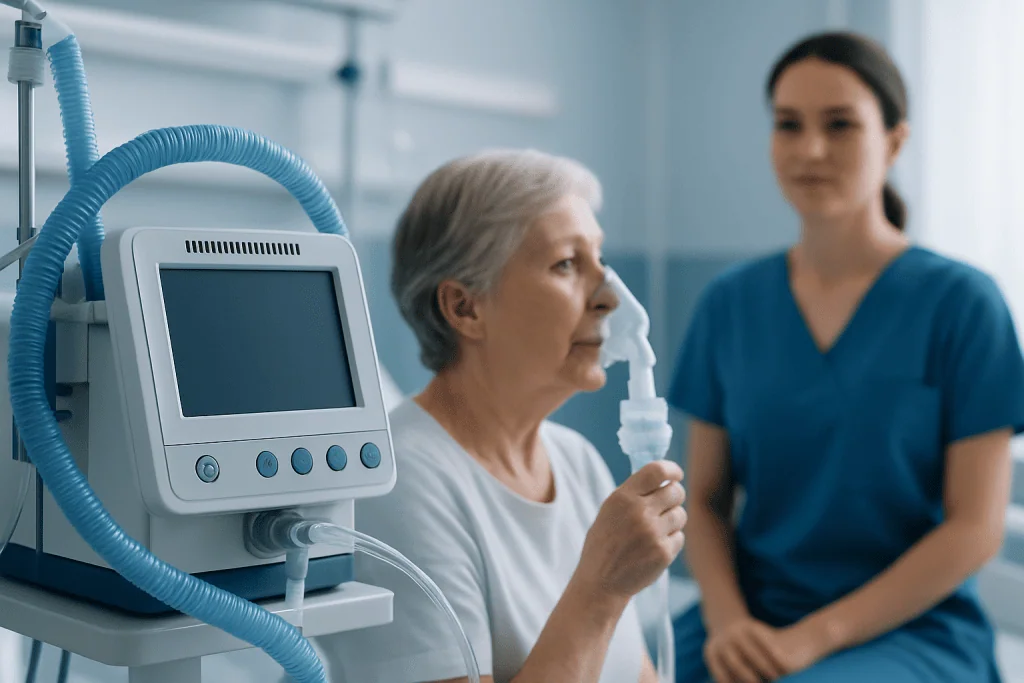
Brovana is supplied as an inhalation solution and is taken using a standard jet nebulizer with a compressor. A nebulizer turns liquid medicine into a fine mist that is breathed in through a mouthpiece or face mask. This delivery method may be useful for people who find handheld inhaler coordination difficult, but correct equipment use and cleaning remain important.
How Brovana Works and What It Can Help With
After it is inhaled, arformoterol acts on beta2 receptors in the airways. These receptors signal airway muscles to relax. The medicine is designed to have a prolonged effect, which supports more consistent airflow between treatments and can lessen regular COPD symptoms such as wheezing, chest tightness, and activity-related shortness of breath.
Brovana may help a person breathe more comfortably during usual daily activities, sleep with fewer respiratory symptoms, or rely less often on rescue medication. Its benefits are generally assessed over time. It does not reverse COPD or repair lung damage, and it works best as one part of an individualized COPD plan that may also include other inhaled medicines, vaccinations, pulmonary rehabilitation, and smoking cessation where relevant.
Although Brovana is a bronchodilator, it is not intended to stop an abrupt episode of bronchospasm. It does not work quickly enough to replace a short-acting rescue inhaler. A clinician will usually advise which rapid-relief medicine to keep available and explain when it should be used.
Who May Be Prescribed Brovana?

Brovana is prescribed for adults with COPD when a clinician determines that a long-acting bronchodilator is appropriate. COPD management is individualized. Some people use one long-acting bronchodilator, while others may need a combination of long-acting medicines that work in different ways. Inhaled corticosteroids may also be considered for selected patients, particularly those with certain exacerbation patterns or overlapping respiratory conditions.
This medicine is not approved as a treatment for asthma. Long-acting beta2-agonists should not be used alone for asthma because this approach can increase the risk of serious asthma-related events. Anyone with asthma, asthma-like symptoms, or an uncertain diagnosis should have their treatment plan reviewed by a qualified clinician.
Before prescribing Brovana, a clinician may assess symptoms, breathing tests, previous COPD flare-ups, smoking history, current inhaler technique, and other health conditions. Because breathlessness can have many causes, including heart disease, infection, anemia, and anxiety, new or changing symptoms should not automatically be assumed to be caused by COPD.
People with symptoms of chronic airway obstruction can benefit from a structured evaluation, including discussion of related conditions such as chronic obstructive pulmonary disease. Identifying the cause of symptoms helps ensure that the medicine and delivery device fit the person’s needs.
How to Use the Nebulizer Safely
Brovana should be used exactly as prescribed and with the nebulizer system recommended by the healthcare professional. The unit-dose vial is opened immediately before use, and the solution is placed in the nebulizer cup without mixing it with other medicines unless a clinician or pharmacist has specifically confirmed that doing so is appropriate.
The medicine is usually breathed in while sitting upright and using a mouthpiece or face mask as instructed. Treatment should continue until the nebulizer no longer produces mist. The exact routine should follow the product instructions and the prescribing clinician’s plan. A patient should not take extra treatments, change the schedule, or stop regular therapy without medical guidance.
Cleaning the nebulizer after each use and maintaining the compressor according to the manufacturer’s instructions can reduce contamination and help the device deliver medicine reliably. Sharing nebulizer equipment is not recommended. If the device seems to malfunction, the person should contact the equipment supplier, pharmacist, or care team rather than attempting unsafe modifications.
It is helpful to bring the nebulizer and medication list to appointments occasionally. A respiratory clinician, nurse, or pharmacist can check technique, confirm that the equipment is suitable, and discuss whether nebulizer treatment remains the most practical option.
Side Effects, Warnings, and Drug Interactions
Like other bronchodilators, Brovana can cause side effects. Some people experience tremor, nervousness, headache, dizziness, nausea, dry mouth, muscle cramps, tiredness, or a faster heartbeat. These effects are often mild, but they should be discussed if they are persistent, troublesome, or interfere with usual activities.
Because arformoterol can affect the heart and circulation, people with coronary artery disease, heart rhythm disorders, high blood pressure, or heart failure should make sure their prescriber knows about these conditions. It may also require extra care in people with diabetes, an overactive thyroid, seizure disorders, or unusually low potassium levels.
Rarely, inhaled bronchodilator treatment can cause paradoxical bronchospasm, meaning breathing becomes suddenly worse immediately after use. If wheezing, chest tightness, or shortness of breath gets worse right after a treatment, the person should stop using the medicine, use their prescribed rescue medication if advised, and obtain urgent medical help.
A medication review is important. Other beta2-agonists, certain antidepressants, medicines that affect heart rhythm, diuretics, some beta-blockers, and stimulant-containing products may affect safety or effectiveness. A pharmacist or clinician should review all prescription medicines, over-the-counter products, vitamins, and herbal supplements before a new medicine is added.
Brovana Within a Broader COPD Care Plan
Medication is only one component of COPD care. Avoiding tobacco smoke and vaping aerosols is among the most important measures for people who smoke or are regularly exposed to smoke. Support for smoking cessation may include counseling, behavioral strategies, and medicines when appropriate. Reducing exposure to dust, fumes, air pollution, and workplace irritants may also help protect respiratory health.
Regular physical activity adapted to the person’s abilities can improve stamina and confidence with daily tasks. Pulmonary rehabilitation is a structured program that commonly combines exercise training, breathing strategies, education, and support. It can be particularly useful for people who remain limited by breathlessness despite treatment.
Vaccinations recommended by a clinician, including seasonal respiratory vaccines, can lower the likelihood of some infections that may trigger COPD flare-ups. Good nutrition, adequate fluid intake when medically appropriate, sleep, and attention to mood are also valuable parts of long-term care.
A written action plan can help a person recognize worsening symptoms early. The plan may explain when to adjust rescue medication as instructed, when to call the care team, and when emergency assessment is needed. It should be personalized rather than copied from another person’s treatment routine.
When to Seek Medical Care
Prompt medical advice is appropriate if COPD symptoms are becoming more frequent, if a rescue inhaler is needed more often than usual, or if Brovana no longer seems to provide the expected day-to-day benefit. Increasing cough, a clear change in mucus amount or color, fever, new swelling in the legs, or a noticeable decline in exercise tolerance can also indicate a problem that needs assessment.
Emergency care is needed for severe or rapidly worsening shortness of breath, blue or gray lips or face, confusion, fainting, severe chest pain, inability to speak in full sentences because of breathlessness, or poor response to prescribed rescue treatment. These symptoms may reflect a COPD exacerbation or another serious condition and should not be managed at home alone.
Regular follow-up allows clinicians to review breathing symptoms, medication effects, inhalation technique, and potential side effects. Acibadem International’s multidisciplinary specialists and JCI-accredited hospitals diagnose and treat respiratory conditions for international patients, with care plans tailored to the individual’s clinical assessment.
Frequently asked questions
Is Brovana a rescue inhaler?
No. Brovana is a long-acting maintenance bronchodilator for COPD and is not intended to treat sudden breathing difficulty. People using it should have a clinician-approved fast-acting rescue medicine available for acute symptoms.
Is Brovana the same as albuterol?
No. Brovana contains arformoterol, which is long acting and used regularly for maintenance treatment. Albuterol is generally a short-acting bronchodilator used for quick relief of sudden bronchospasm or breathlessness.
Can Brovana be used for asthma?
Brovana is not approved for asthma treatment. A long-acting beta2-agonist should not be used alone in asthma, as this can increase the risk of serious asthma-related problems. A person with asthma should follow an asthma-specific treatment plan from their clinician.
Can Brovana be mixed with other nebulizer medicines?
Other medicines should not be mixed with Brovana in the nebulizer unless a healthcare professional or pharmacist has specifically advised it. Compatibility, device performance, and the correct order of treatments can vary between medicines.
What should a person do if they miss a Brovana treatment?
They should follow the instructions provided by their prescriber or pharmacist. In general, a missed treatment should not be made up by taking extra medicine or taking treatments too close together. If missed treatments happen often, the care team can help create a practical reminder routine.
Can Brovana cause a fast heartbeat?
A fast or noticeable heartbeat can occur with long-acting beta2-agonists such as Brovana. Mild symptoms should be reported to a clinician, especially if they recur. Urgent assessment is needed for severe palpitations, fainting, chest pain, or significant dizziness.
This article is for general information only and is not a substitute for professional medical advice. Please consult a qualified doctor about your individual situation.
Explore treatments in Turkey — costs, top hospitals & a free quote
JCI-accredited · board-certified surgeons · reply within 24h
Add us as a Preferred Source to see more of our trusted health content across Google Search, AI Overviews and Discover.

More from the Health Library

Nail Matrix — Explained by Medical Evidence, Not Myths

Pyoderma Gangrenosum: What Patients Need to Know

Lumbar Board: What Patients Need to Know

Prostate Fluid — Explained by Medical Evidence, Not Myths

Get Rid of Scabies in 24 Hours: What Patients Need to Know