Brush on Teeth: An Evidence-Based Guide for Patients
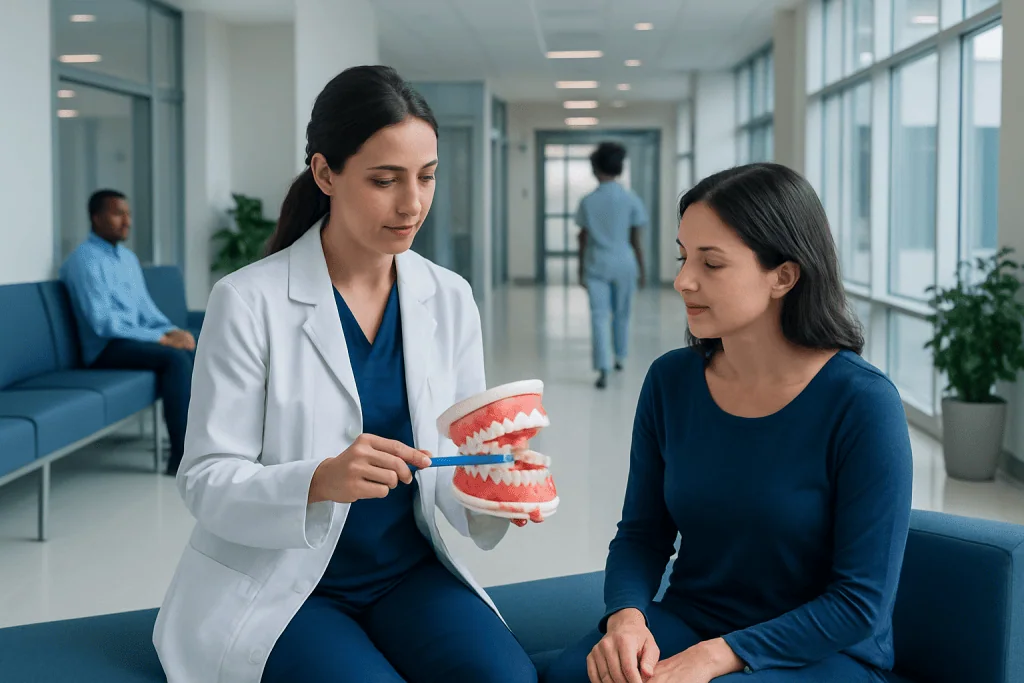
Brush on teeth products are not all the same; some whiten, some protect enamel, and some help with sensitivity or temporary cosmetic masking. Temporary surface stains may improve with whitening formulas, but deeper discoloration often needs professional assessment.
Key Takeaways
- Brush on teeth products are not all the same; some whiten, some protect enamel, and some help with sensitivity or temporary cosmetic masking.
- Temporary surface stains may improve with whitening formulas, but deeper discoloration often needs professional assessment.
- Using these products too often or incorrectly may irritate gums or increase tooth sensitivity.
- Good brushing, flossing, and regular dental checkups remain the foundation of oral health.
- Persistent tooth pain, swelling, bleeding gums, or sudden color change should be checked by a dentist.
Brush on teeth products are liquids or gels painted directly onto the teeth, usually to whiten, strengthen enamel, reduce sensitivity, or provide temporary cosmetic coverage. They can be helpful for selected goals, but they work best as part of a broader oral care plan rather than a substitute for professional dental advice and treatment.
What does “brush on teeth” mean?
“Brush on teeth” usually refers to a product that is painted directly onto the surface of the teeth with a small applicator brush. Most commonly, people use the term for brush-on whitening liquids, but similar products may also contain fluoride, minerals, desensitizing ingredients, or cosmetic pigments that temporarily change how teeth look.
These products are designed for convenience. They are typically applied after brushing and drying the teeth, then left in place for a short time so the active ingredients can work. Depending on the product, the goal may be to reduce surface stains, support enamel, decrease sensitivity, or create a temporary brighter appearance.
It is important to understand that brush-on products are not a single treatment category. A whitening pen, a fluoride varnish-like home product, and a cosmetic tooth coating can all be described informally as something to “brush on teeth,” yet they work in different ways and have different limits. Reading the label and knowing the intended purpose helps set realistic expectations.
How brush-on tooth products work
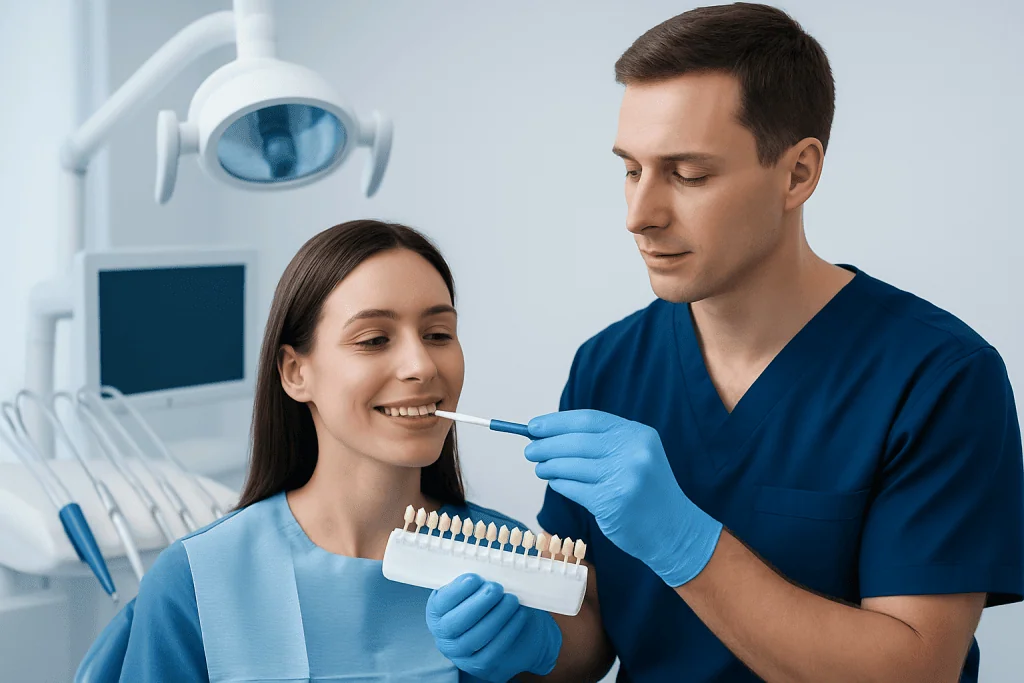
Brush-on whitening products usually work by targeting external stains on the enamel, the hard outer layer of the tooth. These stains may develop over time from coffee, tea, red wine, tobacco, and strongly colored foods. Some formulas contain peroxide-based ingredients that help break down stain molecules, while others rely more on polishing or optical effects that make teeth look brighter.
Other brush-on products focus less on whitening and more on tooth health. Some contain fluoride or calcium-phosphate compounds that support enamel and may help reduce sensitivity. Others act as a protective coating or a temporary cosmetic layer that can make minor discoloration less noticeable for a short period.
Because the product is applied with a small brush, contact with the tooth surface may be more limited than with custom trays or professional in-office methods. This means convenience can be high, but whitening results may be modest. For patients with significant staining, worn enamel, or uneven color, a dentist may suggest a broader plan that can include dental treatment tailored to the cause.
Who may benefit and what results are realistic
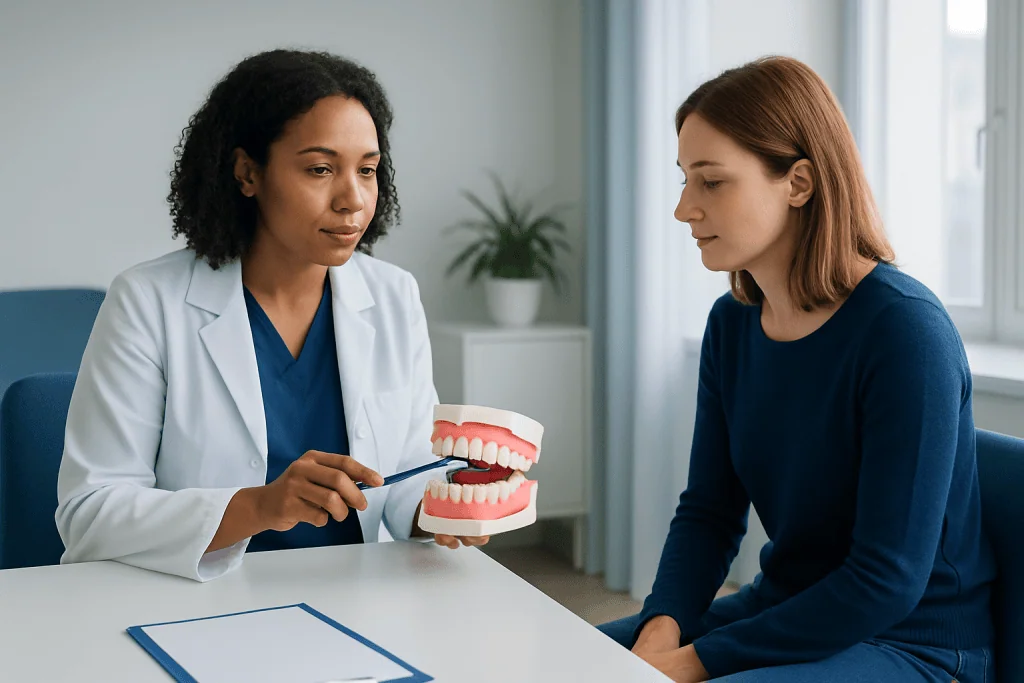
Brush-on tooth products may suit people who want a simple at-home option for mild surface staining or those who wish to maintain results after professional cleaning or whitening. They may also be helpful for individuals looking for targeted application to one or two teeth rather than the full mouth.
Results vary according to the cause of discoloration. Yellowing from age-related changes, food and drink stains, or smoking may respond to whitening products to some degree. In contrast, discoloration caused by trauma, certain medications, tooth decay, enamel defects, or changes deep inside the tooth often does not improve much with brush-on formulas alone.
Patients often expect fast, dramatic whitening, but brush-on options usually produce gradual and subtle changes when used correctly. They are best seen as supportive tools, not universal solutions. If the color change is patchy, sudden, or linked with pain, the concern may be more than cosmetic and should be assessed professionally.
- Most useful for mild surface staining
- May help maintain professional whitening results
- Less effective for deep or internal discoloration
- Should not be used to cover symptoms such as pain or visible tooth damage
Safety, side effects, and common mistakes
When used as directed, many brush-on tooth products are generally safe for short-term or routine use. However, even over-the-counter products can cause side effects. The most common are temporary tooth sensitivity and irritation of the gums or soft tissues, especially if the liquid repeatedly touches the gumline or is applied too often.
One common mistake is using multiple whitening products at the same time, such as combining a whitening toothpaste, strips, and a brush-on gel without professional advice. Layering products may increase the risk of sensitivity without improving results. Another mistake is applying whitening products to teeth that already have untreated cavities, cracked enamel, exposed roots, or inflamed gums, which can make discomfort worse.
Brush-on products also do not whiten crowns, veneers, fillings, or other restorations in the same way they affect natural tooth enamel. This can lead to uneven color if a person has visible dental work. Anyone with ongoing sensitivity, gum disease, or a history of enamel erosion should ask a dentist before starting a whitening routine.
Children, pregnant individuals, and people with significant oral disease should be especially cautious and seek professional guidance first. The safest approach is to match the product to the actual problem instead of treating every discoloration as a simple stain.
How dentists evaluate tooth discoloration
Tooth color changes are not always purely cosmetic. A dentist will usually begin by asking when the discoloration started, whether it affects one tooth or many, and whether there are symptoms such as pain, sensitivity, bad breath, bleeding gums, or swelling. This history helps distinguish ordinary staining from a dental condition that needs treatment.
The examination may include checking for plaque buildup, tartar, cavities, enamel wear, cracks, gum recession, and signs of infection. In some cases, dental X-rays are needed to look beneath the surface, especially if a single tooth has become darker after injury or root damage. Gum health is also important, since inflamed gums can change the appearance of the smile and may need care for gum disease.
Professional evaluation is particularly important when the issue is not simply yellowing but brown, gray, white-chalky, or patchy discoloration. These patterns may be linked to mineral changes, early decay, fluorosis, trauma, or internal tooth changes. Identifying the cause helps determine whether a brush-on product is reasonable or whether a different treatment would be more effective.
Treatment options beyond brush-on products
If a brush-on product does not address the concern, there are other options. Professional dental cleaning can remove plaque and tartar that contribute to dull or stained-looking teeth. For suitable patients, supervised whitening may provide more even and noticeable results than a brush-on applicator alone.
When discoloration is related to decay, enamel damage, trauma, or old dental work, treatment focuses on the underlying problem. This may involve fillings, management of sensitivity, repair of cracks, or care for an infected tooth. For structural or deep internal issues, a dentist may recommend root canal treatment or restorative care rather than repeated whitening attempts.
If the appearance concern is due to shape, chips, worn enamel, or stubborn intrinsic discoloration, cosmetic solutions may be discussed. Depending on the case, these can include bonding or dental veneers to create a more uniform appearance. The right option depends on oral health, the cause of discoloration, and the patient’s goals.
For international patients who need evaluation and treatment planning, Acibadem International’s multidisciplinary specialists in JCI-accredited hospitals diagnose and treat dental concerns using an individualized approach.
Prevention and everyday self-care
The best way to reduce the need for cosmetic quick fixes is to support daily oral health. Teeth should be brushed twice a day with a fluoride toothpaste and flossed or cleaned between the teeth once a day. These habits help limit plaque buildup and reduce the risk of decay and gum disease that can affect both health and appearance.
Diet and lifestyle also matter. Rinsing the mouth with water after coffee, tea, or other strongly colored drinks may help reduce staining. Using a straw for certain beverages, avoiding tobacco, and limiting frequent sugary snacks can also support a healthier mouth. If a person grinds their teeth, managing that habit is important because enamel wear can make teeth look darker over time.
Regular dental visits remain essential. Professional cleanings remove tartar that home care cannot, and routine exams allow problems to be identified early. A dentist can also advise whether an at-home whitening method is reasonable or whether it may worsen sensitivity, expose uneven color, or delay needed treatment.
When to seek medical care
Brush-on products are not a substitute for assessment when symptoms suggest disease. A person should seek dental care if tooth discoloration is accompanied by pain, swelling, pus, fever, a bad taste in the mouth, bleeding gums, or difficulty chewing. These signs may point to infection, decay, or gum disease rather than a simple cosmetic stain.
Prompt evaluation is also wise if only one tooth suddenly turns gray, brown, or dark yellow, especially after a fall or injury. New white spots, rough patches, visible holes, chipped enamel, or ongoing sensitivity to hot, cold, or sweets should also be checked. In some cases, what appears to be a staining problem can be related to tooth decay or another treatable dental condition.
If a brush-on whitening product causes strong burning, ongoing gum irritation, or marked sensitivity that lasts beyond a short period, use should be stopped and professional advice should be sought. Early guidance can prevent complications and help choose a safer, more effective plan.
Frequently asked questions
Do brush on teeth whitening products really work?
They can work for mild, surface-level stains, especially those linked to food, drinks, or smoking. Results are usually gradual and less dramatic than professional whitening. They are less effective for deep discoloration or color changes caused by dental disease or trauma.
Are brush-on tooth products safe for daily use?
Many are safe when used exactly as directed, but overuse can lead to tooth sensitivity or gum irritation. Safety also depends on the ingredients and the condition of the teeth and gums. Anyone with cavities, gum problems, or significant sensitivity should ask a dentist before regular use.
Can brush-on products damage enamel?
When reputable products are used properly, they do not usually damage healthy enamel. Problems are more likely when products are overused, combined with other whitening methods, or applied to already damaged teeth. A dental exam can help confirm whether the teeth are suitable for whitening.
Why does only one tooth look darker than the others?
A single dark tooth may be related to previous injury, internal tooth changes, decay, or an old filling. This pattern is different from general staining and should not be assumed to be cosmetic. A dentist may need to examine the tooth and sometimes take an X-ray.
Will brush-on whitening change the color of crowns or fillings?
No, most whitening products mainly affect natural tooth structure and do not whiten crowns, veneers, or fillings in the same way. This can make the smile look uneven if dental restorations are visible. A dentist can advise on options if color matching is a concern.
How long should someone try a brush-on product before seeing a dentist?
If there is no improvement after following the instructions for the recommended period, a dental visit is reasonable. A person should seek care sooner if there is pain, swelling, bleeding, strong sensitivity, or sudden color change. Professional evaluation helps identify whether the issue is staining or an underlying condition.
This article is for general information only and is not a substitute for professional medical advice. Please consult a qualified doctor about your individual situation.
Explore treatments in Turkey — costs, top hospitals & a free quote
JCI-accredited · board-certified surgeons · reply within 24h
Add us as a Preferred Source to see more of our trusted health content across Google Search, AI Overviews and Discover.

More from the Health Library

Mupirocin Ointment — Explained by Medical Evidence, Not Myths

HIV Cure: A Complete Medical Overview

Bromelain: An Evidence-Based Guide for Patients

Turmeric Curcumin: An Evidence-Based Guide for Patients

Burning Feet — Explained by Medical Evidence, Not Myths