Bump on Eyelid: A Complete Medical Overview

A bump on eyelid is most often a stye or chalazion. Warm compresses can help many eyelid bumps improve naturally.
Key Takeaways
- A bump on eyelid is most often a stye or chalazion.
- Warm compresses can help many eyelid bumps improve naturally.
- Pain, spreading redness, vision changes, or a lump that does not go away need medical review.
- Good eyelid hygiene and avoiding eye makeup during irritation may reduce recurrence.
- Persistent or unusual eyelid lumps may need examination to rule out other conditions.
A bump on eyelid is commonly caused by a blocked oil gland or a mild infection, such as a chalazion or stye. Most eyelid bumps are not serious, but ongoing, painful, or changing lumps should be assessed by a qualified eye doctor.
Overview: What a Bump on Eyelid Usually Means
A bump on eyelid is a common problem and is usually caused by irritation, a blocked oil gland, or a mild bacterial infection. In many cases, the bump is either a stye, which tends to be tender and inflamed, or a chalazion, which is often firmer and less painful. Most bumps are benign and improve with simple care, although some need professional assessment.
The eyelids contain tiny oil glands that help keep the eye surface comfortable. When one of these glands becomes blocked, oil can build up and create a small lump. If bacteria infect a gland or eyelash follicle, the area may become red, swollen, and sore. This is why eyelid bumps can look similar at first, even when the underlying cause is slightly different.
Although many people use the phrase “bump on eyelid” for any lump near the eye, several conditions can cause it. These include a stye, chalazion, inflamed cyst, allergic swelling, skin conditions, and less commonly, growths that need closer evaluation. Understanding the pattern of symptoms often helps guide the next step.
Because the eyelid is close to the eye itself, it is important not to squeeze or pick at the lump. Gentle home care may be enough, but persistent symptoms or concern about appearance, pain, or vision should prompt an examination by an eye specialist.
Common Types of Eyelid Bumps
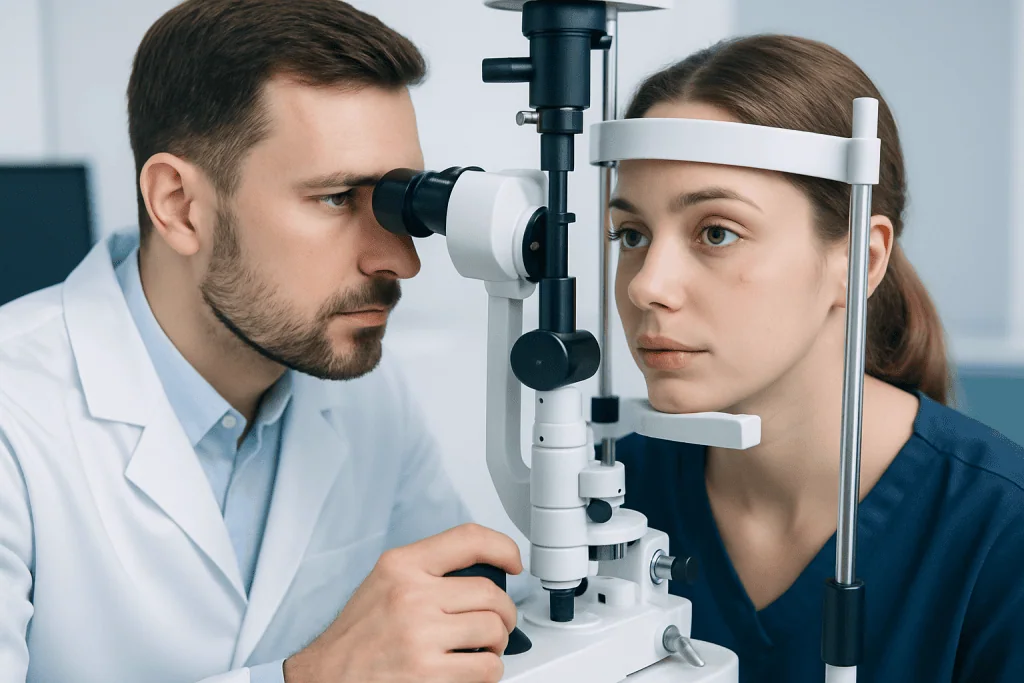
A stye, also called a hordeolum, is one of the most common causes of a bump on eyelid. It usually appears near the edge of the eyelid, around the eyelashes, and often feels painful or tender. The area may look red, warm, and swollen, and a tiny yellow spot of pus can sometimes develop.
A chalazion forms when an oil-producing gland in the eyelid becomes blocked. Unlike a stye, it is often less painful or even painless, especially after the initial swelling settles. It may feel like a round, firm lump deeper in the eyelid and can last for weeks if it does not drain on its own.
Other possible causes include small skin cysts, xanthelasma, allergic swelling, blepharitis-related inflammation, and bumps linked to skin disorders. In some people, recurrent eyelid irritation occurs alongside chronic lid margin inflammation such as blepharitis.
Rarely, a bump that keeps returning in the same place, changes in appearance, bleeds, or causes eyelash loss may need evaluation for a more serious lesion. This does not mean cancer is likely, but it does mean the lump should not be dismissed if it behaves unusually.
Symptoms and Signs to Notice
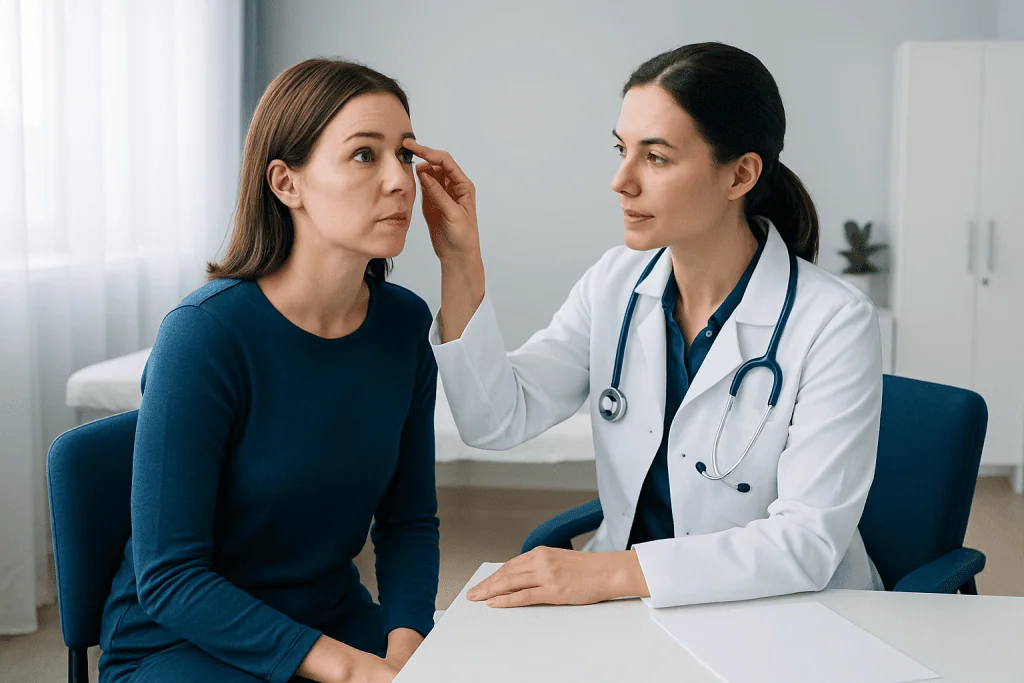
The symptoms of a bump on eyelid depend on its cause. A stye often causes localized pain, tenderness, redness, watering, and a feeling that something is in the eye. The eyelid may appear puffy, especially in the morning, and touching the area can be uncomfortable.
A chalazion is more likely to cause a firm lump with mild swelling and less pain. If it grows larger, it may press on the eye surface and create blurred vision or a sensation of heaviness in the lid. Some people mainly notice cosmetic asymmetry rather than discomfort.
Signs that deserve closer attention include rapidly worsening swelling, fever, skin redness spreading beyond the eyelid, trouble opening the eye, increasing pain, double vision, or reduced vision. These features can suggest a deeper or more significant infection rather than a simple surface eyelid bump.
It can also help to notice how long the lump has been present and whether it has recurred. Repeated eyelid bumps may point to underlying gland dysfunction, skin conditions, contact lens hygiene issues, or ongoing eyelid inflammation.
Causes and Risk Factors
The most frequent cause of a bump on eyelid is blockage or infection of the small glands in the eyelid. These glands normally release oils that support the tear film. When their openings become clogged, secretions can collect and lead to swelling, inflammation, and a lump.
Several factors can make eyelid bumps more likely. These include blepharitis, oily skin, rosacea, poor eyelid hygiene, rubbing the eyes with unwashed hands, expired or contaminated eye makeup, and improper contact lens care. A recent cold or local irritation can also contribute in some cases.
People with chronic eyelid gland dysfunction may have recurrent chalazia. Some also have associated dryness or surface irritation that overlaps with dry eye. When inflammation affects the tear film and lid margins together, treatment may focus not only on the lump but also on improving overall eyelid health.
Less commonly, eyelid bumps may be related to benign skin growths or, rarely, eyelid tumors. A doctor is more likely to consider these possibilities when a lesion is persistent, atypical, crusted, bleeding, or associated with eyelash loss or distortion of the eyelid margin.
How Doctors Diagnose a Bump on Eyelid
Diagnosis usually begins with a careful history and physical examination. A doctor will ask when the bump started, whether it hurts, whether it has happened before, and whether there are symptoms such as discharge, fever, or vision change. The eyelid and eye surface are then examined closely.
In many cases, the appearance and location of the bump are enough to identify a likely stye or chalazion. The clinician may gently evert the eyelid to inspect the inner surface and look for blocked glands, inflammation, or other lesions. Vision may also be checked if the lump is large or if the patient reports blurring.
If the bump is unusually persistent, recurrent in the same spot, or suspicious in appearance, the doctor may recommend further evaluation. This can include referral to an ophthalmologist, imaging in selected cases, or a biopsy if there is concern about an uncommon eyelid tumor.
Specialist evaluation may also be useful when an eyelid bump is part of a broader eye problem. For example, someone with recurrent swelling, irritation, and inflammation may benefit from a full eye examination to clarify the cause and guide treatment.
Treatment Options and Home Care
The first-line treatment for many eyelid bumps is a warm compress. Applying a clean, warm cloth to the closed eyelid for several minutes, several times a day, can help soften blocked oils and encourage natural drainage. This simple step is often enough for small styes and chalazia.
People should avoid squeezing, popping, or rubbing the bump, as this can worsen irritation or spread infection. It is also best to pause eye makeup and contact lens use until the eyelid has improved. Gentle eyelid cleansing may help if there is crusting along the lashes.
When a stye is infected or inflammation is more significant, a doctor may prescribe medication such as antibiotic ointment or other treatment based on the examination. A larger or persistent chalazion may need office-based drainage or removal. In selected cases, ophthalmologists may discuss minor procedures such as chalazion surgery if the lump does not resolve.
If there are signs of a deeper infection, severe swelling, or concern about another eye disorder, more urgent treatment may be needed. Some patients with repeated eyelid disease may also benefit from specialist care focused on eyelid glands, ocular surface health, and conditions such as dry eye treatment.
Prevention and Self-care
Good eyelid hygiene can lower the chance of future bumps, especially in people who get them repeatedly. Washing the hands before touching the eyes, removing makeup fully at night, replacing eye cosmetics regularly, and cleaning contact lenses as directed are practical steps that support eyelid health.
For people prone to blocked glands, regular warm compresses and gentle lid cleansing may help reduce recurrence. This is especially useful when there is chronic blepharitis or oily debris along the lash line. A doctor can explain the most suitable routine based on skin type and eye sensitivity.
It also helps to avoid sharing eye cosmetics, to stop using products that cause irritation, and to protect the eyes from smoke and other irritants where possible. If there is associated rosacea or skin inflammation, managing the underlying condition may improve eyelid symptoms as well.
Prevention does not mean every bump can be avoided, but consistent care can make episodes less frequent and easier to manage. If home measures are not enough, ongoing specialist support may be appropriate.
When to Seek Medical Care
Medical care is recommended if a bump on eyelid lasts more than a few weeks, keeps coming back, or becomes increasingly painful. Professional evaluation is also important if the eyelid is very swollen, the redness spreads into the surrounding skin, or the eye becomes difficult to open.
Urgent assessment is needed if there are vision changes, double vision, fever, severe pain, significant discharge, or a feeling that the whole area around the eye is becoming infected. These symptoms can suggest a problem that goes beyond a simple stye or chalazion.
A doctor should also examine any lump that bleeds, forms a crust, causes eyelashes to fall out, or changes shape over time. These features are uncommon but may need further investigation to rule out other eyelid conditions.
For international patients who need evaluation or treatment, Acibadem International’s multidisciplinary specialists in JCI-accredited hospitals assess eyelid conditions and related eye concerns with individualized care plans. Early review can help confirm whether the bump is a simple blockage, an infection, or another condition that needs treatment.
Frequently asked questions
What is the most common cause of a bump on eyelid?
The most common causes are a stye and a chalazion. A stye is usually linked to infection and tends to be painful, while a chalazion is usually due to a blocked oil gland and may be less painful.
How can someone tell the difference between a stye and a chalazion?
A stye often develops near the eyelash line and is usually red, tender, and sore. A chalazion is often a firmer lump deeper in the eyelid and may become painless after the early swelling settles.
Will a bump on eyelid go away on its own?
Many eyelid bumps improve on their own, especially with regular warm compresses and gentle eyelid care. However, a bump that persists, grows, or recurs should be assessed by a doctor.
Is it safe to pop or squeeze an eyelid bump?
No. Squeezing or popping an eyelid bump can worsen inflammation, spread infection, and injure the delicate eyelid tissues. It is safer to use warm compresses and seek medical advice if the bump does not improve.
When should a bump on eyelid be considered urgent?
Urgent medical care is important if there is severe pain, fever, spreading redness, marked swelling, vision changes, or trouble moving the eye. These signs may indicate a more serious infection or another eye problem.
Can eyelid bumps keep coming back?
Yes, recurrent bumps can happen, especially in people with blepharitis, rosacea, oily skin, or chronic gland blockage. Regular eyelid hygiene and medical review of underlying causes can help reduce recurrence.
References
- American Academy of Ophthalmology
- National Eye Institute
- NHS
- Mayo Clinic
- Merck Manual
This article is for general information only and is not a substitute for professional medical advice. Please consult a qualified doctor about your individual situation.
Explore treatments in Turkey — costs, top hospitals & a free quote
JCI-accredited · board-certified surgeons · reply within 24h
Add us as a Preferred Source to see more of our trusted health content across Google Search, AI Overviews and Discover.

More from the Health Library

Pancreatic Insufficiency: An Evidence-Based Guide for Patients

Vora Skin Tag Remover — Explained by Medical Evidence, Not Myths

Flavanols: A Complete Medical Overview

Sticky Eyes — Explained by Medical Evidence, Not Myths

Nopales: A Complete Medical Overview