Burkitt Lymphoma: Symptoms, Causes, and Treatment Options

Burkitt lymphoma is an aggressive B-cell lymphoma that can grow rapidly over days to weeks. Common signs include swollen lymph nodes, abdominal symptoms, fever, night sweats, and unexplained weight loss.
Key Takeaways
- Burkitt lymphoma is an aggressive B-cell lymphoma that can grow rapidly over days to weeks.
- Common signs include swollen lymph nodes, abdominal symptoms, fever, night sweats, and unexplained weight loss.
- Diagnosis usually involves imaging, blood tests, and a biopsy to confirm the exact lymphoma type.
- Treatment often includes intensive chemotherapy, targeted medicines, and careful supportive care.
- Early medical attention is important because prompt treatment can improve outcomes.
Burkitt lymphoma is a rare, very fast-growing type of non-Hodgkin lymphoma that usually needs urgent evaluation and treatment. Although it can progress quickly, it often responds well to intensive therapy when diagnosed early and managed by an experienced hematology-oncology team.
Overview: What Burkitt Lymphoma Is
Burkitt lymphoma is a rare and highly aggressive cancer of B lymphocytes, a type of white blood cell that helps the immune system fight infection. It belongs to the broader group of lymphoma cancers and is considered a subtype of non-Hodgkin lymphoma. What makes Burkitt lymphoma distinctive is how quickly it can grow, which is why symptoms may appear and worsen over a short period of time.
Doctors describe several forms of Burkitt lymphoma. The endemic form is more common in parts of Africa and is strongly linked with Epstein-Barr virus infection. The sporadic form is seen in many other regions of the world and often affects the abdomen. There is also an immunodeficiency-associated form, which can occur in people with weakened immune systems, including some people living with HIV.
Even though Burkitt lymphoma is aggressive, it is also one of the lymphomas that can respond very well to treatment, especially when recognized early and treated without delay. Because of its speed, this disease is usually approached as a medical urgency rather than something to watch over time.
Symptoms and How It May Present
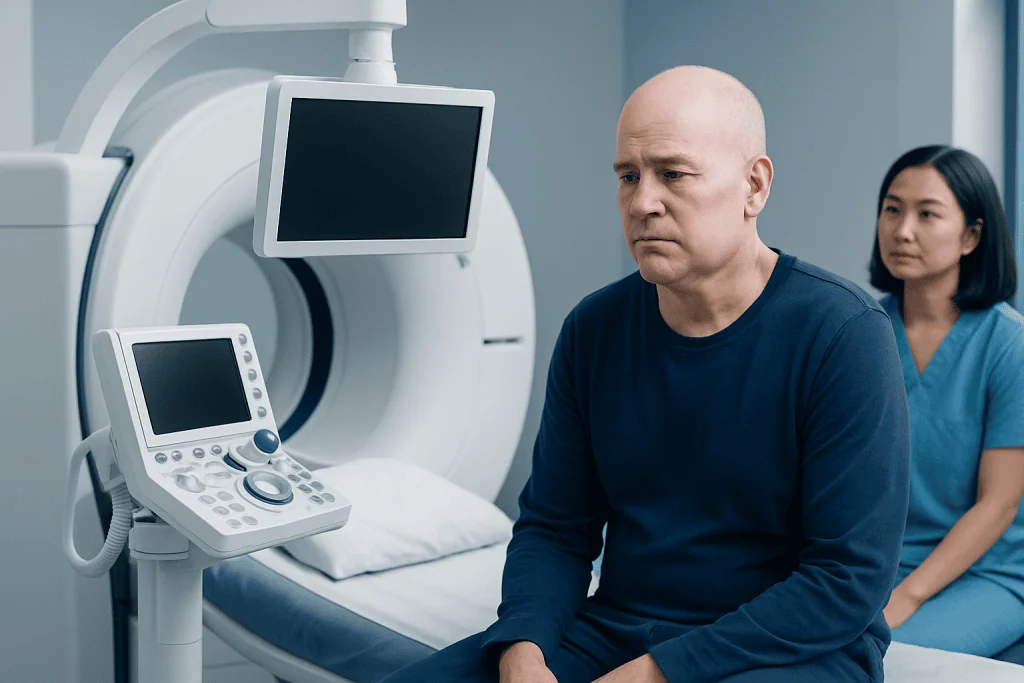
Burkitt lymphoma symptoms can vary depending on where the cancer starts and whether it has spread. In many people, the first sign is a rapidly enlarging mass or swollen lymph node. The swelling may appear in the neck, jaw, armpit, or groin, but Burkitt lymphoma also commonly affects areas outside the lymph nodes, especially the abdomen.
When the abdomen is involved, symptoms may include belly pain, swelling, nausea, vomiting, constipation, or a feeling of fullness. Some people develop an intestinal blockage, which can cause severe pain and vomiting and needs urgent medical care. If the disease affects the chest, it may lead to cough, shortness of breath, or pressure symptoms.
General lymphoma-related symptoms can also occur. These are sometimes called “B symptoms” and may include fever, drenching night sweats, fatigue, and unexplained weight loss. In some cases, Burkitt lymphoma can involve the bone marrow or central nervous system, which may lead to weakness, headaches, confusion, or other neurological symptoms.
- Rapidly growing lump or swollen lymph nodes
- Abdominal pain or swelling
- Nausea, vomiting, or bowel changes
- Fever, night sweats, and weight loss
- Fatigue or reduced energy
- Less commonly, headaches or neurological symptoms
Causes, Biology, and Risk Factors

Burkitt lymphoma develops when B cells acquire genetic changes that allow them to grow and divide uncontrollably. A hallmark of this disease is a change involving the MYC gene, which plays an important role in cell growth. This genetic rearrangement is one of the reasons the lymphoma can grow so quickly.
In most cases, there is no single clear cause that a patient could have prevented. However, certain factors are associated with higher risk. Epstein-Barr virus is linked particularly with endemic Burkitt lymphoma and may also be involved in some sporadic cases. Conditions that weaken the immune system can increase risk as well, including HIV infection and some situations after organ transplantation or immune-suppressing treatment.
Burkitt lymphoma can affect both children and adults, though patterns differ by age and region. It is important to know that having a risk factor does not mean a person will definitely develop the disease, and many people diagnosed with Burkitt lymphoma have no obvious predisposing factor. Because its symptoms can resemble other conditions, medical evaluation is needed to identify the exact cause of a rapidly growing mass or persistent systemic symptoms.
How Doctors Diagnose Burkitt Lymphoma
Diagnosis starts with a detailed medical history and physical examination, followed by tests to confirm the exact type of lymphoma. A biopsy is essential. This means removing part or all of an abnormal lymph node or mass so that a pathologist can examine the cells under a microscope and perform specialized laboratory studies. Fine-needle samples alone may not always provide enough information, so doctors often prefer a larger tissue sample when possible.
Blood tests help assess overall health and how the disease may be affecting the body. These may include a complete blood count, kidney and liver function tests, lactate dehydrogenase, uric acid, and tests related to infection or immune status. Imaging scans are used to understand where the lymphoma is located and how extensive it is. Depending on the situation, doctors may use ultrasound, CT, MRI, or PET-CT imaging as part of the staging process.
Because Burkitt lymphoma can involve the bone marrow and central nervous system, additional tests may be needed. These can include a bone marrow biopsy and a lumbar puncture to check the fluid around the brain and spinal cord. Once all results are available, the care team determines the stage and overall risk profile, which helps guide treatment planning.
Treatment Options and What Care Usually Involves
Burkitt lymphoma treatment usually begins quickly after diagnosis because the disease can progress rapidly. The main treatment is intensive combination chemotherapy given in specialized cycles. The exact regimen depends on age, stage, general health, and whether the lymphoma has spread to the bone marrow or central nervous system. Since treatment can be complex, care is generally managed by teams experienced in medical oncology.
Targeted therapy may also be used in some treatment plans, especially medicines that recognize proteins on lymphoma cells. Central nervous system-directed treatment is often included, even when there are no neurological symptoms, because Burkitt lymphoma has a tendency to spread there. Some patients may need treatment in the hospital, particularly at the beginning, so doctors can closely monitor hydration, infection risk, and complications such as tumor lysis syndrome, a condition that can occur when cancer cells break down very quickly.
Supportive care is an important part of treatment and may include intravenous fluids, medicines to protect the kidneys, blood product support, antibiotics when needed, and help with nutrition or symptom control. In select situations, doctors may also use hematology expertise for detailed blood and bone marrow management. Surgery is not usually the main treatment for Burkitt lymphoma, though a procedure may be needed to obtain a biopsy or manage a complication such as bowel obstruction.
Treatment decisions are individualized. For children, adolescents, and adults, plans may differ, and follow-up is essential after therapy ends. The aim is not only to treat the lymphoma effectively but also to reduce complications and support recovery over time.
Living With Treatment: Self-care, Monitoring, and Recovery
During treatment, patients often need frequent blood tests, clinic visits, and sometimes repeat imaging. This close monitoring helps the team assess response and manage side effects early. Common challenges can include fatigue, nausea, temporary low blood counts, infections, mouth sores, and appetite changes, though each person’s experience is different.
Practical self-care can make treatment more manageable. Rest, balanced nutrition, hydration, and infection precautions are especially important. Patients are usually advised to report fever, worsening pain, vomiting, bleeding, shortness of breath, or new neurological symptoms promptly rather than waiting for the next appointment.
Recovery continues after active treatment ends. Follow-up visits are used to watch for relapse, monitor blood counts and organ function, and address the emotional and physical effects of cancer treatment. For international patients, Acibadem International’s multidisciplinary specialists in JCI-accredited hospitals diagnose and treat blood cancers with coordinated follow-up and supportive care.
When to Seek Medical Care
Medical attention should be sought promptly for a lump that is enlarging quickly, persistent abdominal swelling or pain, unexplained fevers, drenching night sweats, or unintentional weight loss. These symptoms do not always mean cancer, but they do deserve timely evaluation, especially when they appear together or worsen over days to weeks.
Urgent care is needed for severe abdominal pain, repeated vomiting, signs of dehydration, trouble breathing, confusion, severe weakness, or any neurological symptoms such as new headaches, vision changes, or seizures. These may signal complications that should not be delayed. People with weakened immune systems should be especially careful about seeking early medical advice for new symptoms.
If Burkitt lymphoma is suspected or diagnosed, referral to a center with experience in aggressive lymphomas is important. Early specialist assessment can help confirm the diagnosis quickly and start appropriate treatment without unnecessary delay.
Frequently asked questions
Is Burkitt lymphoma curable?
Burkitt lymphoma can often be treated successfully, and many patients achieve remission with prompt, intensive therapy. The chance of long-term control depends on factors such as age, stage, overall health, and how quickly treatment begins.
How fast does Burkitt lymphoma grow?
Burkitt lymphoma is one of the fastest-growing human cancers. Symptoms can develop and change over days to weeks, which is why doctors usually treat it as an urgent condition.
What is the first symptom of Burkitt lymphoma?
There is no single first symptom for everyone, but a rapidly growing lump or abdominal swelling is common. Some people first notice fever, night sweats, weight loss, or digestive symptoms such as pain, nausea, or vomiting.
Who gets Burkitt lymphoma?
Burkitt lymphoma can occur in children and adults. It is associated with different patterns worldwide and may be more likely in people with certain infections or weakened immune systems, although it can also occur without a clear risk factor.
How is Burkitt lymphoma confirmed?
A tissue biopsy is needed to confirm Burkitt lymphoma and distinguish it from other lymphomas. Doctors also use blood tests, imaging, and sometimes bone marrow or spinal fluid tests to understand the extent of disease.
Does Burkitt lymphoma always require chemotherapy?
Chemotherapy is usually the main treatment because Burkitt lymphoma tends to grow very quickly throughout the body. Treatment plans may also include targeted medicines and supportive care, depending on the individual case.
References
- World Health Organization
- National Cancer Institute
- American Cancer Society
- National Comprehensive Cancer Network
- Leukemia & Lymphoma Society
This article is for general information only and is not a substitute for professional medical advice. Please consult a qualified doctor about your individual situation.
Lymphoma in Turkey — costs, top hospitals & a free quote
JCI-accredited · board-certified surgeons · reply within 24h
Add us as a Preferred Source to see more of our trusted health content across Google Search, AI Overviews and Discover.

Medical Oncology Department
Medical treatment of cancer with chemotherapy, immunotherapy and targeted therapies under a multidisciplinary tumor board.
60 specialists in this unitMore from the Health Library



Related Specialists

Dyt. Beyza Erdoğan Aksan
Nutrition & Diet
Dr. Mehmet Arslanoğlu
Pediatrics
Assoc. Prof. Dr. Eser Çolak
Vitro Fertilization and Reproductive Medicine Center
Dr. Iretiola Albert
Inpatient Clinic Physicians Clinical Service