

Burning Sensation in Chest: A Complete Medical Overview
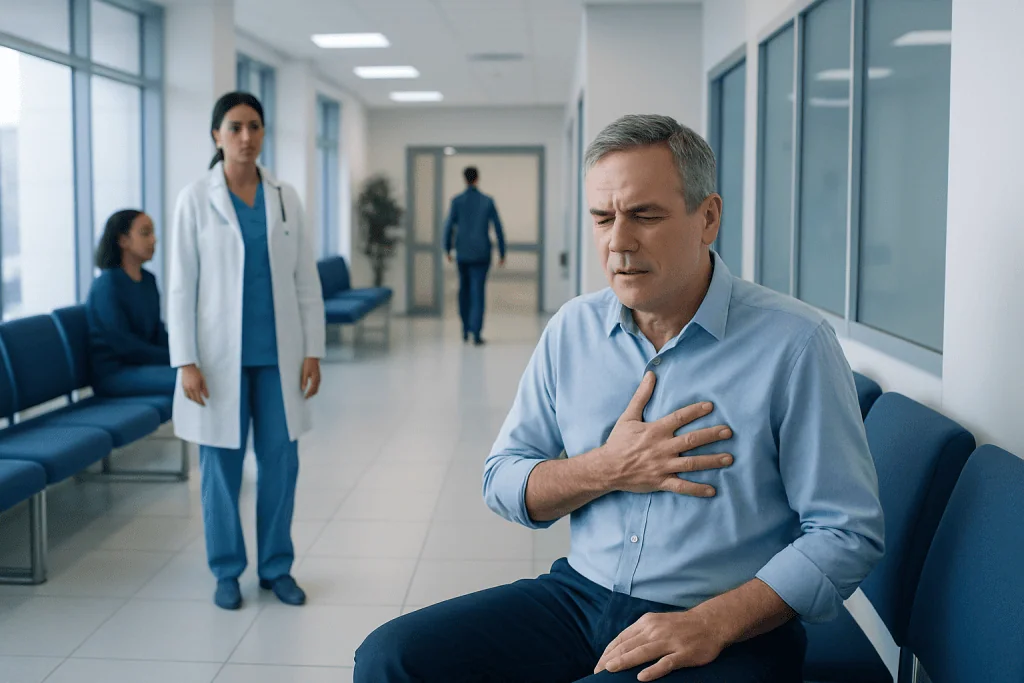
A burning sensation in chest is often digestive, especially from acid reflux, but it is not always harmless. Heart-related problems can sometimes feel like pressure, tightness, or burning rather than sharp pain.
Key Takeaways
- A burning sensation in chest is often digestive, especially from acid reflux, but it is not always harmless.
- Heart-related problems can sometimes feel like pressure, tightness, or burning rather than sharp pain.
- The timing, triggers, and associated symptoms help doctors identify the cause.
- Emergency care is needed for chest burning with shortness of breath, fainting, heavy sweating, or pain spreading to the arm, jaw, or back.
- Treatment depends on the cause and may include lifestyle changes, medicines, or urgent cardiac care.
A burning sensation in chest is commonly linked to acid reflux or heartburn, but it can also come from the heart, lungs, chest wall, or anxiety. Because the causes range from minor irritation to urgent medical conditions, the symptom should be assessed in context with other signs such as pain, shortness of breath, sweating, or trouble swallowing.
What a Burning Sensation in Chest Can Mean
A burning sensation in chest most often happens because stomach acid moves upward into the esophagus, causing heartburn. However, chest burning is a symptom rather than a diagnosis. It can also come from the heart, the lungs, the muscles and joints of the chest wall, infections, or emotional stress.
The feeling may be mild and occasional, or it may be intense, recurrent, or associated with other symptoms. Some people describe a hot, stinging, or rising discomfort behind the breastbone. Others feel chest tightness, pressure, sour fluid in the throat, coughing, or pain after meals or when lying down.
It is important not to assume that all chest burning is indigestion. A heart problem, including reduced blood flow to the heart muscle, can sometimes present as burning rather than classic crushing pain. This is one reason persistent, unexplained, or severe symptoms should be assessed by a qualified doctor.
Common Symptoms That May Occur With Chest Burning

The exact symptoms depend on the cause. In acid reflux, the burning often starts behind the breastbone after eating, bending over, or lying flat. It may be accompanied by a sour taste in the mouth, regurgitation, bloating, burping, nausea, or a chronic cough. Some people also notice hoarseness or throat irritation, especially in the morning.
When the cause is related to the heart, the sensation may feel deeper, heavier, or more pressure-like. It can occur during exercise or emotional stress and may spread to the neck, jaw, shoulder, arm, or back. Shortness of breath, sweating, dizziness, nausea, or unusual fatigue may occur at the same time.
Chest burning from the lungs or chest wall may worsen with breathing, coughing, or movement. Infections can cause fever or mucus production, while muscle strain may be tender to the touch. Anxiety can create a burning or tight feeling with rapid heartbeat, shaking, or a sense of panic, but it should only be considered after more urgent causes are excluded.
- Burning after meals or when lying down suggests reflux.
- Burning with exertion may suggest a heart-related cause.
- Burning with cough, fever, or breathing pain may point to a lung problem.
- Burning with tenderness or certain movements may come from muscles or ribs.
Causes and Risk Factors

The most common cause of a burning sensation in chest is gastroesophageal reflux. In this condition, acid from the stomach irritates the lining of the esophagus, leading to heartburn. Reflux is more likely after large meals, spicy or fatty foods, alcohol, caffeine, obesity, pregnancy, smoking, or lying down too soon after eating. Repeated symptoms may be part of acid reflux disease.
Heart-related causes include angina and heart attack. These can reduce blood flow to the heart muscle and may create burning, pressure, squeezing, or discomfort in the center of the chest. Risk factors include older age, high blood pressure, high cholesterol, diabetes, smoking, family history of heart disease, and limited physical activity.
Other possible causes include esophagitis, stomach ulcer disease, gallbladder problems, pneumonia, pleurisy, asthma flare-ups, costochondritis, shingles, and panic attacks. Certain medicines may also irritate the esophagus or worsen reflux. In some cases, chest burning reflects a combination of factors, such as reflux plus anxiety or a respiratory infection plus muscle strain from coughing.
How Doctors Diagnose the Cause
Diagnosis begins with a careful medical history. A doctor asks when the burning started, how long it lasts, where it is felt, what triggers it, and whether it improves with antacids, rest, or position changes. Associated symptoms such as vomiting, difficulty swallowing, black stools, cough, breathlessness, fever, or pain radiating to the arm or jaw are especially important.
A physical examination may be followed by tests based on the suspected cause. If a heart problem is possible, an electrocardiogram, blood tests for heart injury, and sometimes stress testing or imaging may be needed. Evaluation for structural or blood flow problems may also involve cardiology assessment in an appropriate setting.
If digestive causes are suspected, doctors may recommend treatment trials, endoscopy, or tests for reflux and esophageal irritation. Imaging such as chest X-ray or CT can help identify lung disease or other chest conditions. The goal is not just symptom relief, but finding the underlying reason safely and accurately.
Treatment Options and Relief
Treatment depends entirely on the cause. For reflux-related chest burning, doctors often recommend smaller meals, avoiding trigger foods, not lying down after eating, and using acid-reducing medicines when appropriate. Persistent symptoms may need specialist care, especially if swallowing becomes difficult or symptoms continue despite treatment. In selected cases, further evaluation through gastroenterology care can help confirm the diagnosis and guide management.
If chest burning is related to the heart, treatment may be urgent and should not be delayed. Medications, monitoring, catheter-based procedures, or other therapies may be used depending on the diagnosis. Suspected reduced blood flow to the heart can require rapid assessment for coronary artery disease and treatment in an emergency setting.
For lung infections or inflammation, treatment may include medicines for infection, airway support, or anti-inflammatory care. Musculoskeletal causes may improve with rest, posture changes, heat or cold application, and doctor-guided pain relief. Anxiety-related chest symptoms can improve with reassurance, stress management, counseling, and treatment of underlying anxiety when needed, but only after serious medical causes have been ruled out.
For international patients who need coordinated evaluation, Acibadem International’s multidisciplinary specialists in JCI-accredited hospitals diagnose and treat chest symptoms using cardiology, gastroenterology, and imaging services as needed.
Self-Care and Prevention
Simple measures can reduce many episodes of chest burning, especially when reflux is the cause. Eating more slowly, choosing smaller portions, and avoiding heavy meals close to bedtime are often helpful. Many people benefit from limiting common triggers such as fatty foods, spicy meals, chocolate, mint, alcohol, and excess caffeine if these clearly worsen symptoms.
Maintaining a healthy weight, stopping smoking, and staying physically active support both digestive and heart health. Raising the head of the bed may help people whose symptoms worsen at night. It is also wise to review medicines with a doctor or pharmacist if symptoms started after a new prescription.
Prevention also means paying attention to patterns. Recurrent chest burning with exertion, repeated nighttime symptoms, unexplained weight loss, or swallowing problems should not be managed only with over-the-counter remedies. Long-term self-treatment may mask a condition that needs proper diagnosis.
- Avoid lying flat for two to three hours after meals.
- Wear loose clothing if tight garments increase pressure on the abdomen.
- Keep a symptom diary to identify food, activity, or stress triggers.
- Seek medical advice before using frequent acid-suppressing medication long term.
When to Seek Medical Care
Urgent medical care is needed if a burning sensation in chest is severe, sudden, or accompanied by warning signs. These include shortness of breath, fainting, heavy sweating, confusion, a blue tint to the lips, or pain spreading to the arm, shoulder, jaw, neck, or back. Symptoms that begin during physical activity or feel like pressure or tightness should also be treated seriously.
Medical review is also important if chest burning keeps returning, wakes a person from sleep, lasts more than a few minutes without clear explanation, or comes with vomiting, black stools, fever, persistent cough, or difficulty swallowing. Even if symptoms seem mild, new chest discomfort in someone with heart disease risk factors should not be ignored.
Emergency teams are trained to sort out heart, lung, and digestive causes quickly. It is safer to seek evaluation and learn that the cause is benign than to delay care for a condition that requires prompt treatment.
Frequently asked questions
Is a burning sensation in chest always heartburn?
No. Heartburn from acid reflux is a common cause, but chest burning can also be related to the heart, lungs, chest muscles, or anxiety. Because symptoms can overlap, persistent or severe chest burning should be medically assessed.
How can someone tell the difference between heartburn and a heart problem?
Heartburn often occurs after meals, when lying down, or after certain foods, and may come with a sour taste or regurgitation. A heart-related problem may feel like pressure, burning, squeezing, or heaviness and can occur with exertion, shortness of breath, sweating, nausea, or pain spreading to the arm or jaw. It is not always possible to tell by symptoms alone, so urgent evaluation is important when in doubt.
Can anxiety cause a burning feeling in the chest?
Yes, anxiety and panic can cause chest tightness, burning, fast heartbeat, and shortness of breath. However, anxiety should not be assumed to be the cause until more serious medical problems have been considered, especially if the symptom is new or intense.
When is chest burning an emergency?
It is an emergency when it comes with shortness of breath, fainting, heavy sweating, confusion, severe weakness, or pain spreading to the back, jaw, neck, or arm. Sudden, severe, or exertional chest burning should also be treated as urgent.
What tests may be done for a burning sensation in chest?
Doctors may use an electrocardiogram, blood tests, chest imaging, and sometimes stress tests if a heart cause is possible. If reflux or esophageal disease is suspected, they may recommend a treatment trial, endoscopy, or other digestive tests depending on the situation.
Can lifestyle changes help reduce chest burning?
Yes, especially when reflux is involved. Smaller meals, avoiding trigger foods, not lying down after eating, stopping smoking, and maintaining a healthy weight can all help. Lifestyle changes do not replace medical care if symptoms are severe, frequent, or unclear.
This article is for general information only and is not a substitute for professional medical advice. Please consult a qualified doctor about your individual situation.
Persistent digestive symptoms? Get evaluated in Turkey
JCI-accredited · board-certified surgeons · reply within 24h
Add us as a Preferred Source to see more of our trusted health content across Google Search, AI Overviews and Discover.
Check your numbers in seconds
BMI, calories, due date, blood pressure and 30+ more clinical calculators — free, instant, doctor-reviewed ranges.

More from the Health Library

Black Toenail: What Patients Need to Know

Burning Sensation in Upper Abdomen Female: An Evidence-Based Guide for Patients

Bacitracin: A Complete Medical Overview

Grape Juice Benefits: A Complete Medical Overview

Botoxon: Procedure, Recovery and Results

Paleo Snacks — Explained by Medical Evidence, Not Myths
Aesthetic Plastic & Reconstructive Surgery Specialists at Acibadem

Prof. Dr. Mehmet Veli Karaaltın
Aesthetic Plastic & Reconstructive Surgery
Dr. Mithat Ulay
Aesthetic Plastic & Reconstructive Surgery
Dr. Münür Selçuk Kendir
Aesthetic Plastic & Reconstructive Surgery
Dr. Mustafa Mert Okumuş (m)
Aesthetic Plastic & Reconstructive Surgery