Buttocks Hair: A Complete Medical Overview
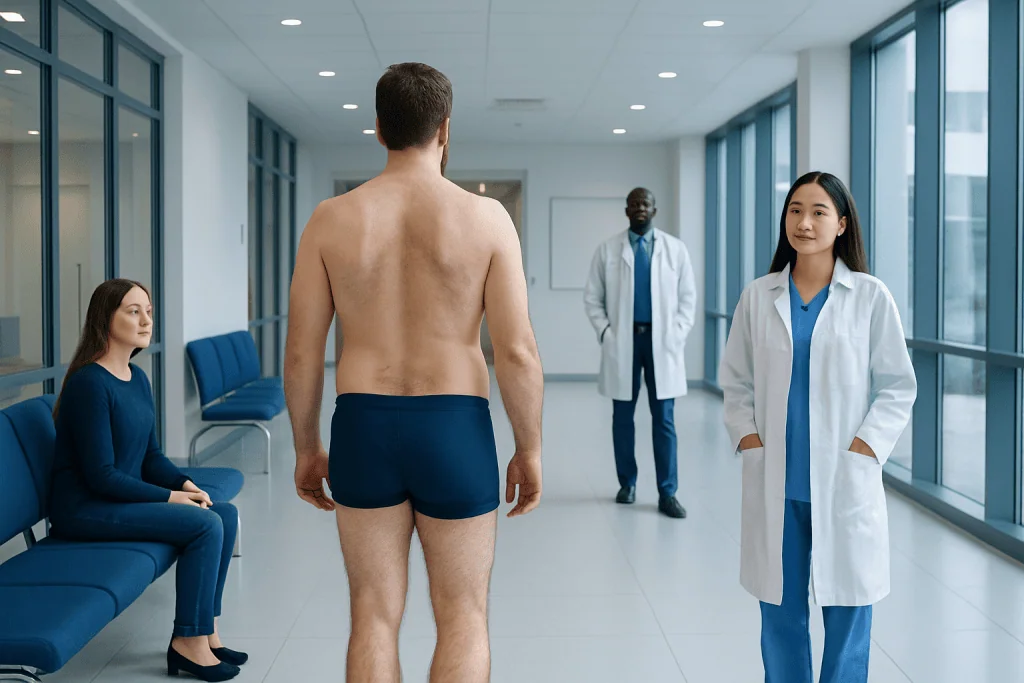
Buttocks hair is common and usually harmless. Hair amount and thickness are influenced by genetics, hormones, age, and ethnicity.
Key Takeaways
- Buttocks hair is common and usually harmless.
- Hair amount and thickness are influenced by genetics, hormones, age, and ethnicity.
- Problems usually come from skin irritation, friction, sweating, ingrown hairs, or infection rather than the hair itself.
- Safe grooming habits can reduce itching, razor bumps, and folliculitis.
- Sudden excessive hair growth or painful, draining skin lesions should be assessed by a doctor.
Buttocks hair is usually a normal part of body hair growth and, by itself, is not a medical problem. Medical evaluation may be helpful when it is linked to irritation, painful bumps, repeated ingrown hairs, skin infection, or unexpected changes in hair growth.
Overview: Is buttocks hair normal?
Buttocks hair is generally normal. Many people have fine or coarse hair on the buttocks, around the cleft, or near the upper thighs because hair follicles are naturally present in these areas, just as they are on most of the body.
The amount of hair varies widely from person to person. Genetics, sex hormones, age, family background, and natural body-hair patterns all influence whether the hair is light and sparse or darker and thicker. In most cases, buttocks hair does not mean there is a disease.
What tends to cause concern is not the hair itself, but symptoms around it. Friction from clothing, prolonged sitting, sweating, shaving, waxing, and trapped hairs can lead to itching, bumps, inflammation, or infection. When symptoms appear, the goal is usually to protect the skin barrier and identify any underlying skin condition.
People sometimes feel embarrassed discussing this topic, but it is a common reason for questions in primary care, dermatology, and surgery clinics. A clinician can help determine whether the issue is simply normal hair growth, irritation from grooming, or a condition that needs treatment.
What buttocks hair can feel like and when it becomes bothersome
Normal buttocks hair may not cause any symptoms at all. Some people simply notice the hair during hygiene, grooming, or exercise, while others may become aware of it because of mild sweating, friction, or occasional itching.
Symptoms usually appear when the surrounding skin is irritated. Common complaints include itching, chafing, tenderness, red bumps, small pimples, and ingrown hairs. These symptoms may become more noticeable in hot weather, after workouts, or when tight clothing increases heat and rubbing.
Some skin changes deserve closer attention because they may suggest inflammation or infection rather than simple body hair. These include:
- Painful or recurrent bumps
- Pus-filled spots or drainage
- Warmth, swelling, or spreading redness
- A lump near the cleft of the buttocks
- Persistent darkening, thickening, or crusting of the skin
In some cases, repeated irritation in the buttock crease can be related to a pilonidal sinus, especially when there is pain, drainage, or a tender swelling near the tailbone. Other symptoms, such as widespread acne-like lesions, may overlap with disorders like hidradenitis suppurativa, which affects areas where skin rubs together.
Causes and risk factors

The main reason for buttocks hair is simple biology. Hair follicles develop in body areas according to inherited patterns, and androgen hormones influence how visible or coarse that hair becomes over time. This means one person may have almost no noticeable hair in the area, while another may have dense growth without any health problem.
Several factors can make buttocks hair more noticeable or more likely to cause symptoms. These include puberty, hormonal changes, family tendency toward coarse body hair, sweating, obesity, sedentary work, and sports or occupations that involve heat and friction. Tight underwear and non-breathable fabrics can also increase irritation around the follicles.
Grooming is another frequent trigger for problems. Shaving too closely, using dull blades, waxing, or applying irritating products may injure hair follicles and create razor bumps or folliculitis. Ingrown hairs happen when a cut hair curls back into the skin instead of growing outward.
Less commonly, unexpectedly increased body hair can reflect an underlying medical issue. A doctor may consider hormone-related conditions if excess hair appears suddenly, becomes much thicker, or is accompanied by symptoms such as irregular periods, acne, voice changes, or rapid weight changes. The concern in these cases is not buttocks hair alone, but the broader pattern of hair growth and associated symptoms.
How doctors evaluate buttocks hair and related skin problems
Evaluation usually begins with a history and skin examination. A doctor may ask when the hair or symptoms were first noticed, whether there is pain or drainage, how the area is groomed, and whether similar problems occur in the armpits, groin, or other skin folds.
The physical exam helps distinguish normal hair growth from common conditions such as folliculitis, ingrown hairs, eczema, fungal irritation, or a pilonidal problem near the tailbone. In many cases, no tests are needed if the findings are straightforward and limited to mild skin irritation.
If bumps are recurrent, severe, or draining, a clinician may look more carefully for infection or sinus tracts under the skin. Imaging is not routinely necessary for ordinary body hair, but it may be used in selected cases when deeper infection or complex disease is suspected. If there are signs of significant inflammation or repeated abscesses, a specialist may discuss treatment options that go beyond basic skin care.
When excess hair growth seems out of proportion to a person’s usual pattern, blood tests may sometimes be considered to assess hormonal causes. The aim is to understand whether the issue is a normal variation, a skin disorder, or part of a broader endocrine concern that needs tailored care.
Treatment options for irritation, ingrown hairs, and excess hair
Treatment depends on the reason the area is troublesome. If buttocks hair is normal and symptom-free, no treatment is medically necessary. When the concern is discomfort, itching, or cosmetic preference, care usually focuses on reducing irritation and choosing safer hair-removal methods.
For mild folliculitis or razor bumps, a doctor may recommend pausing shaving, keeping the area clean and dry, wearing breathable clothing, and using gentle skin products. If infection is suspected, medical treatment may include topical or oral medicines based on the severity and the clinical picture. Persistent inflamed lesions should not be repeatedly squeezed or picked, as this can worsen scarring and infection.
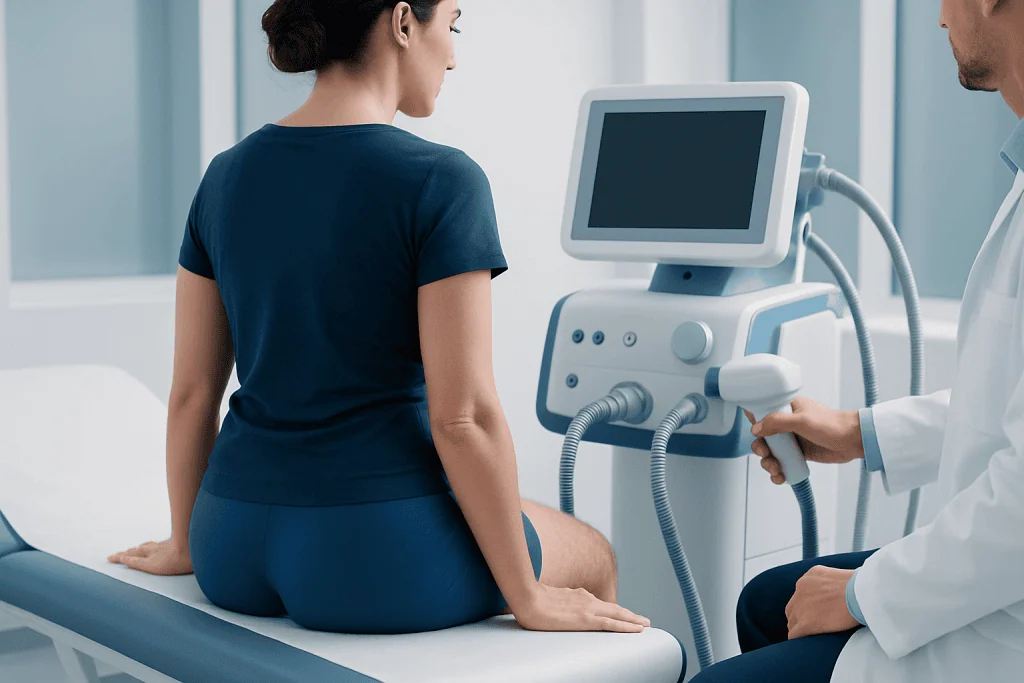
If the main goal is longer-term reduction of hair growth, some people may discuss procedural options such as laser hair removal with a qualified clinician. This can be useful for recurrent ingrown hairs in selected patients, although suitability depends on skin tone, hair color, medical history, and the exact area being treated.
When the problem is not just hair but a structural skin condition, treatment is different. Repeated infections near the buttock cleft may require pilonidal sinus treatment, while wider or more complex inflammatory disease may need input from dermatology or surgery. In advanced cases with chronic abscesses or tunnels under the skin, doctors may consider procedures such as abscess drainage when appropriate.
Prevention and self-care
Simple self-care can often prevent irritation around buttocks hair. Gentle hygiene, thorough but careful drying after bathing, and changing out of sweaty clothes promptly can reduce friction and moisture that inflame hair follicles.
Clothing choices matter. Soft, breathable fabrics and underwear that fits comfortably may help reduce rubbing and heat buildup. During exercise or prolonged sitting, regular movement and skin care can also lower the chance of chafing.
If grooming is preferred, safer habits can protect the skin:
- Trim rather than shave very closely when possible
- Use clean, sharp tools
- Shave in the direction of hair growth
- Avoid harsh fragranced products immediately after hair removal
- Do not pick at ingrown hairs or bumps
People who have frequent recurrences should seek advice rather than repeatedly treating themselves. Near the end of the care pathway, multidisciplinary specialists at Acibadem International and its JCI-accredited hospitals may evaluate international patients with recurring buttock skin problems to determine whether dermatologic, surgical, or hormonal assessment is needed.
When to seek medical care
Medical care is appropriate if buttocks hair is associated with painful lumps, pus, fever, spreading redness, bleeding, or drainage. These signs may point to folliculitis, an abscess, a pilonidal condition, or another skin disorder that may need prompt treatment.
A doctor should also assess symptoms that keep returning, especially if bumps leave scars or occur in more than one body fold. Recurrent disease can be more than simple razor irritation, and an early diagnosis may help prevent ongoing discomfort.
It is also sensible to ask for medical advice if body hair growth changes suddenly or seems excessive compared with a person’s usual pattern. If this happens along with irregular menstrual cycles, acne, unexplained weight changes, or other hormonal symptoms, a clinician can decide whether further evaluation is needed.
While buttocks hair itself is usually harmless, persistent symptoms should not be ignored. A qualified doctor can recommend the safest next steps and help distinguish ordinary body hair from conditions that deserve treatment.
Frequently asked questions
Is buttocks hair normal in adults?
Yes. Buttocks hair is a common and normal variation in body hair growth. The amount, color, and thickness differ widely based on genetics, hormones, age, and individual body-hair patterns.
Why does buttocks hair sometimes itch?
Itching is often related to sweat, friction, dry skin, or irritation from shaving and tight clothing. Ingrown hairs and inflamed follicles can also cause itching, especially after grooming or exercise.
Can buttocks hair cause infection?
The hair itself does not usually cause infection, but the surrounding follicles can become inflamed or infected. This may happen after shaving, with ingrown hairs, or when moisture and friction irritate the skin.
Should buttocks hair be removed?
Removal is a personal choice rather than a medical requirement. If someone prefers to remove it, gentler methods and proper skin care are important to reduce razor bumps, ingrown hairs, and irritation.
What is the difference between a pimple and an ingrown hair on the buttocks?
An ingrown hair usually forms when a hair curls back into the skin, causing a small tender bump. A pimple-like lesion may look similar, but it can also reflect folliculitis or another skin condition, especially if lesions are recurrent or contain pus.
When could buttocks hair suggest a hormonal problem?
On its own, buttocks hair rarely indicates a hormonal disorder. Evaluation may be useful when hair growth becomes suddenly much heavier or is accompanied by symptoms such as irregular periods, acne, scalp hair thinning, or other signs of hormone imbalance.
References
- American Academy of Dermatology
- National Health Service
- Mayo Clinic
- Cleveland Clinic
- Merck Manual Consumer Version
This article is for general information only and is not a substitute for professional medical advice. Please consult a qualified doctor about your individual situation.
Hair transplant in Turkey — costs, graft counts & a free assessment
JCI-accredited · board-certified surgeons · reply within 24h
Add us as a Preferred Source to see more of our trusted health content across Google Search, AI Overviews and Discover.